Nairobi National Park Land Dispute: What It Means for Wildlife and Visitors
The Nairobi National Park land dispute has moved from conservation circles into national headlines this year, and travelers planning a Kenya trip are starting to ask what it actually means. On June 8, 2026, former Chief Justice David Maraga was arrested during a protest on Lang’ata Road over a plan to excise 76 acres from the park for the expansion of the Bomas of Kenya cultural centre. The Kenya Wildlife Service has since issued a public rebuttal, and the matter is now headed to court. 🦁
This guide breaks down what is actually being proposed, why it has become so contentious, what the Kenya Wildlife Service says in its defense, and what it means if you are planning to visit Nairobi National Park on your own tours and safaris through Kenya.
What Sparked the Nairobi National Park Land Dispute
Nairobi National Park is the only park of its kind on earth: 117 square kilometres of open savannah bordering a capital city, home to lions, rhinos, and giraffe within sight of the Nairobi skyline. That closeness to the city is exactly what makes any land-use decision inside it so sensitive.
The current proposal centres on the Nairobi Animal Orphanage, a 62-year-old wildlife rescue facility sitting on just 7.4 acres near the Bomas of Kenya. KWS wants to relocate the orphanage roughly 1.5 kilometres further into the park, onto an 89-acre site, as part of a wider Bomas International Convention Centre project valued at an estimated Sh41.9 billion. The relocation and an accompanying 8-acre parking area require excising 76 acres of indigenous upland forest currently classified as a Low Use Zone within Nairobi National Park.
Conservation groups argue the scale of the project blurs the line between wildlife rescue infrastructure and commercial development, and that clearing indigenous forest inside a gazetted national park sets a precedent that could be used to justify future excisions elsewhere.
Nairobi National Park: The Facts
Before getting into the dispute itself, here is what the park actually looks like on the ground.
| Fact | Detail |
|---|---|
| Park size | ~117 km² |
| Distance from Nairobi CBD | ~7 km (Langata Main Gate) |
| Drive time from CBD | 20-60 minutes depending on traffic |
| Non-resident adult entry fee (2026) | ~$80 per day (indicative, KWS published rate) |
| Main gates | Langata Main Gate, Maasai Gate, Cheetah Gate, East Gate (Embakasi), Banda Gate, Mbagathi Gate |
| Land proposed for excision | 76 acres (about 0.31 km²) |
| Current Animal Orphanage size | 7.4 acres, established 1964 |
| Proposed new orphanage site | 89 acres, ~1.5 km from current site |
| Bomas Convention Centre budget (reported) | ~Sh41.9 billion |
Why Former Chief Justice David Maraga Was Arrested
On June 8, 2026, David Maraga joined a group of environmental activists occupying a stretch of Lang’ata Road near the Bomas of Kenya to protest the excision plan. Plain-clothed officers moved in and arrested the group, including Maraga, who was released later that day while several other activists remained in custody. Maraga reportedly refused to leave the area until the rest of the protesters were also released.
The arrest of a former Chief Justice at a conservation protest turned a technical land-use dispute into a national conversation almost overnight. The Law Society of Kenya publicly condemned the arrests, and rights groups called for the immediate release of the remaining detainees. For many Kenyans, the story became less about 76 acres and more about who gets to decide what happens inside a protected national park.
KWS’s Rebuttal: What the Wildlife Agency Says
Kenya Wildlife Service has pushed back firmly on the criticism, calling some of the claims circulating online “misleading, unfounded and inflammatory.” The agency’s core arguments are worth laying out plainly:
- The new orphanage site represents only about 0.31 percent of the total park area, and KWS maintains the land stays within Nairobi National Park rather than being handed to outside developers.
- The existing orphanage, built in 1964, has outgrown its 7.4-acre footprint and can no longer keep up with the volume of injured, orphaned, and confiscated animals it receives each year.
- The new facility is designed to meet international animal welfare standards and will reportedly create more than 500 jobs.
- The old orphanage site would be restored and re-wilded once the relocation is complete.
- KWS says public participation, including stakeholder meetings, questionnaires, and site visits, found that 85.8 percent of respondents supported the project.
Critics counter that public participation exercises inside government-linked institutions are not always representative, and that “re-wilding” a 7-acre site does not offset clearing 76 acres of standing indigenous forest. That disagreement is now the subject of a court petition seeking to halt the excision until the matter is resolved.
Timeline of the Nairobi National Park Land Dispute
The dispute did not start with the Maraga arrest. It had been building for months before that protest made national news.
| Date | Event |
|---|---|
| March 2026 | Reports surface that Nairobi National Park will lose 76 acres to the Bomas Convention Centre project |
| Spring 2026 | Conservation lobby groups raise formal objections to construction plans inside the park |
| Spring 2026 | A petitioner files in court seeking to block the excision before it proceeds |
| June 8, 2026 | David Maraga and fellow activists occupy Lang’ata Road in protest; several, including Maraga, are arrested |
| June 2026 | Law Society of Kenya and rights groups condemn the arrests and call for the release of remaining detainees |
| June-July 2026 | KWS issues a public rebuttal defending the project’s conservation rationale |
| July 2026 | The land excision dispute heads to court, with a ruling still pending |
Current Site vs Proposed Site
| Feature | Current Animal Orphanage | Proposed New Site |
|---|---|---|
| Size | 7.4 acres | 89 acres |
| Built | 1964 | Proposed 2026 |
| Location | Near Bomas of Kenya, park edge | ~1.5 km deeper into the park |
| Forest impact | None (existing footprint) | 76 acres of Low Use Zone forest excised |
| Stated job creation | Not specified | 500+ jobs (KWS estimate) |
| Old site’s future | N/A | Proposed for restoration and re-wilding |
What the Dispute Means for the Wildlife Corridor
Nairobi National Park has no fence on its southern boundary, which lets wildlife move freely between the park and the Kitengela and Athi-Kaputiei plains beyond it. That open corridor is already under pressure from fencing, quarrying, and housing development around the park’s edges, which is exactly why conservationists are watching this case closely. Even a small excision inside the park itself raises a bigger question: if a 76-acre carve-out for a convention centre is approved, what precedent does that set for the far larger threats already squeezing the park from outside its boundary?
For a park this size to keep functioning as a genuine wildlife sanctuary next to a city of over 4 million people, both the internal zoning and the external corridor need protecting. That is the real stake in this dispute, beyond the specific acreage in question.
Should the Land Dispute Change Your Safari Plans?
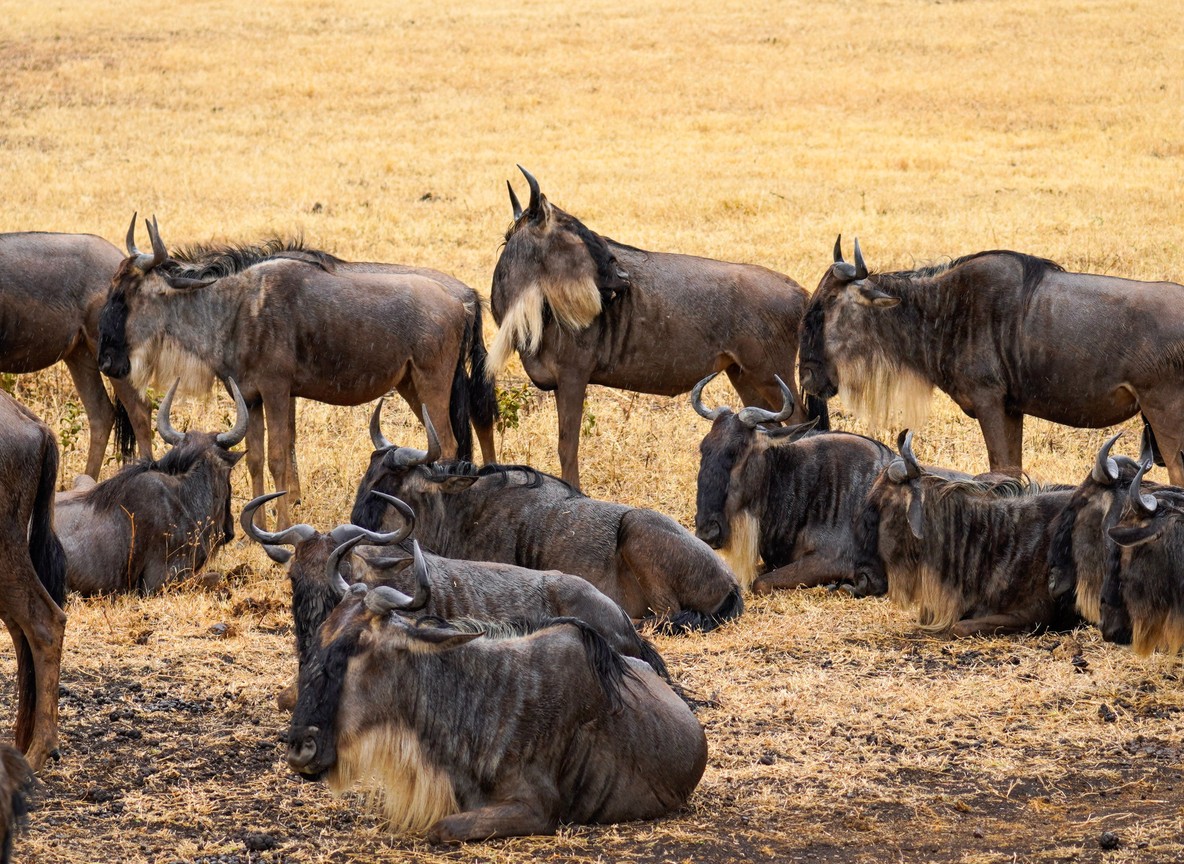
Nairobi National Park remains fully open, and the dispute has not affected game drives, entry procedures, or wildlife sightings inside the park. If you are building a Kenya itinerary, a morning game drive here is still one of the most efficient ways to see lion, rhino, giraffe, and over 400 recorded bird species without leaving the greater Nairobi area, and it pairs naturally with a Giraffe Manor visit or a Nairobi layover before heading out to Masai Mara or Amboseli.
What has changed is the context. Visitors who care about conservation now have a genuine reason to ask questions when they book, including how their tour operator sources park information and whether the company supports transparent, locally accountable conservation practices. That is a fair question to ask any operator running tours and safaris in Kenya today.
If you already have a Nairobi National Park game drive booked, nothing about your itinerary needs to change. Gate operations, ranger patrols, and game viewing routes are running as normal, and the court process governing the excision is separate from day-to-day park access. The more useful step is choosing an operator who can explain the context clearly if you ask, rather than one who has never heard of the dispute at all. A conservation-literate guide is a small detail that says a lot about how a company operates once you are off the main road and out among the wildlife. 🐘
The Trunktrails Advantage
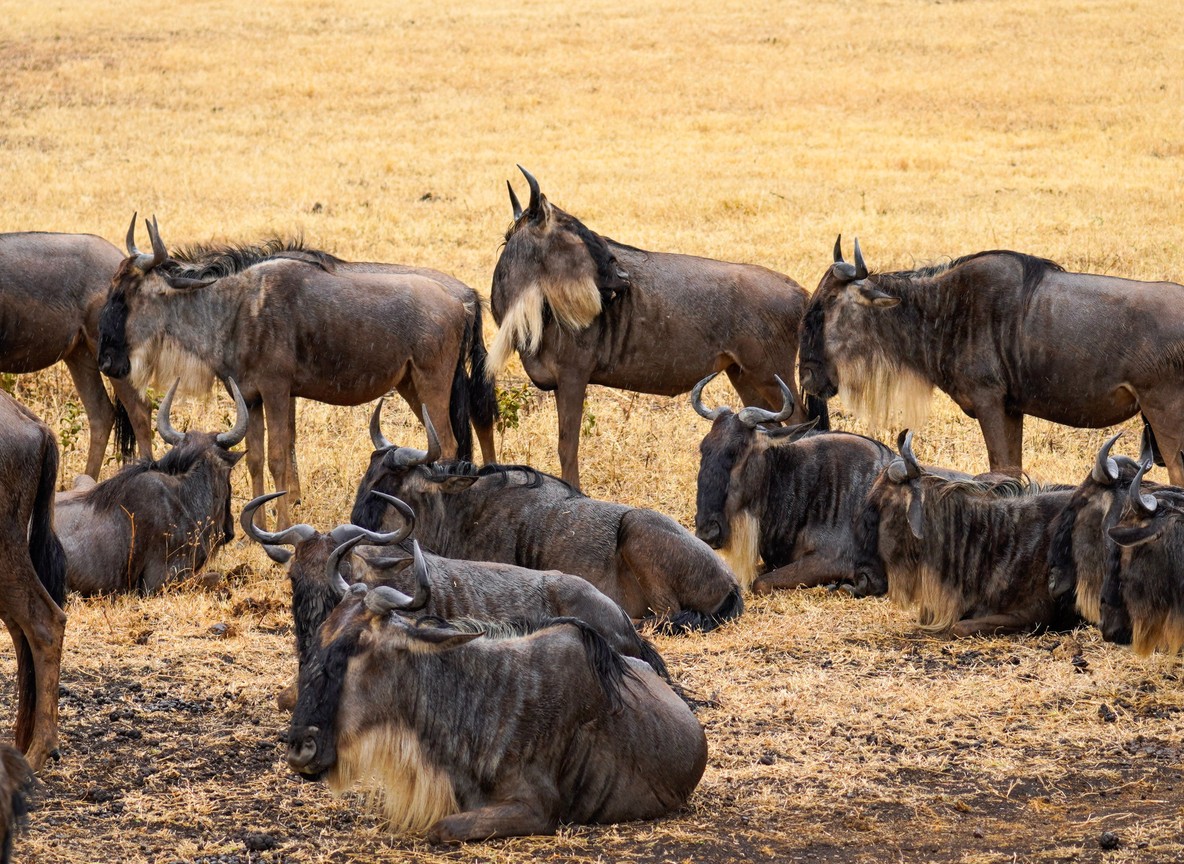
Trunktrails Safaris is a Kenyan-owned operator, and we take park governance seriously because we work inside these landscapes every week, not from a desk overseas. When a story like the Nairobi National Park land dispute breaks, our guides brief clients honestly rather than glossing over it, because trust is what keeps travelers coming back to Trunktrails Safaris for their tours and safaris year after year.
We build every Nairobi itinerary around licensed, KWS-registered routes and gates, and we prioritize community-linked conservancies wherever your itinerary allows it, so your safari spending supports the wildlife corridors under the most pressure. Whether your trip starts with a Nairobi National Park game drive or heads straight to the Mara, Trunktrails Safaris plans it around real conservation outcomes, not just a checklist of parks. 🌍
Ready to See Nairobi National Park for Yourself?
Further reading
More safari planning resources
- Kenya national parks map from Valley Safaris
- Maasai Mara National Reserve guide on Touring Insights
- Compare Kenya safari packages on FindMySafari
- Kenya tour packages from Valley Safaris
The lions, rhinos, and giraffe of Nairobi National Park are still there, still visible on a half-day game drive, and still worth seeing before you head deeper into Kenya. Message Trunktrails Safaris on WhatsApp at +254 113 208888 or email info@trunktrailssafaris.com to build a Nairobi itinerary that starts right, with a team that will always tell you what is actually happening on the ground. Your safari should begin with a guide you trust, not just a gate you drive through.