
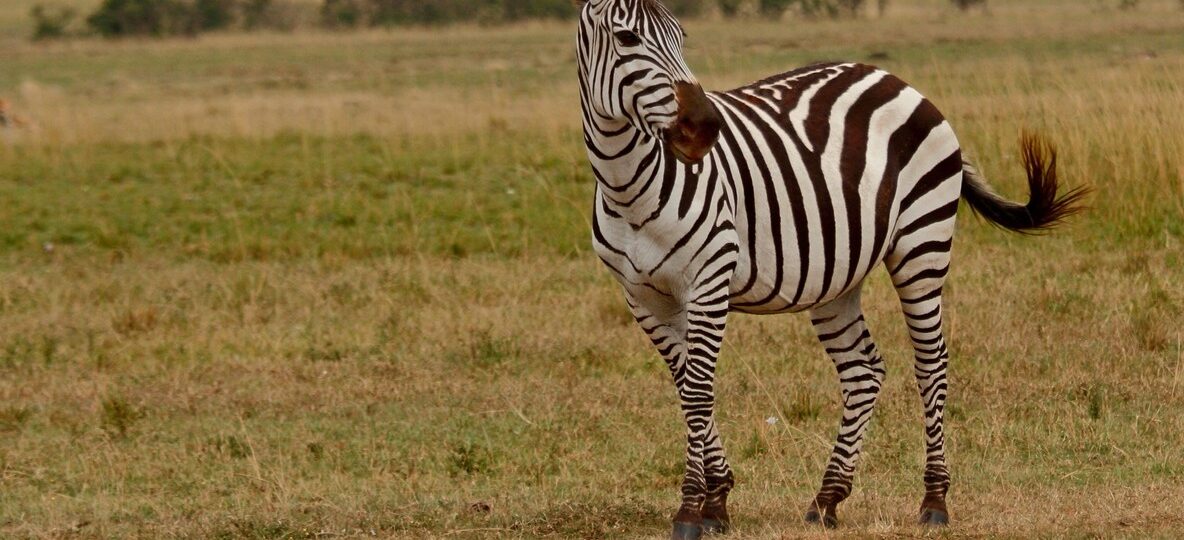
Digital Detox Safari Kenya: How to Switch Off and Reconnect With Nature in the Bush
The average person checks their phone 96 times a day. That is once every ten minutes. Now imagine replacing every one of those impulses with the sound of a lion exhaling in the grass 30 metres from your Land Cruiser. That is what a digital detox safari in Kenya delivers: a complete sensory reset inside some of the wildest, most internet-free landscapes left on earth. 🌍
At Trunktrails Safaris, we have guided hundreds of travellers into the bush who arrived staring at screens and left staring at the horizon instead. This guide explains how a digital detox safari works, which Kenyan destinations do it best, what the best off-grid camps charge, and what you genuinely gain when the signal finally drops.
What Does a Digital Detox Safari in Kenya Actually Look Like?
A digital detox safari is not about confiscating your phone at the gate. It is about choosing a destination and a camp where the mobile signal simply does not reach, and where the rhythm of the bush makes you forget to look for it.
In Kenya, that means game drives starting before 6 AM when the air is cold and the predators are still moving. It means a bush breakfast at a dried riverbed while elephants filter through the tree line behind you. It means afternoons so still and warm that the idea of checking notifications feels genuinely absurd. The bush operates on its own timetable: sunrise, predator activity, the groan of a hippo in the river at dusk. When you align your day to that timetable instead of your inbox, something shifts in the way your mind works.
Our guides at Trunktrails Safaris call this “bush time.” Most guests say they feel it within 24 hours of arriving. 🌅
Which Kenya Safari Destinations Are Best for Switching Off?
Not every Kenyan park delivers the isolation a real wellness safari needs. These three do:
Masai Mara National Reserve and Its Conservancies
The Mara is vast: 1,510 km² of open savannah, flanked by private conservancies that add significant buffer zones where camp density stays low. Mobile signal is weak to nonexistent across most of the reserve and the adjoining conservancies. Getting there from Nairobi takes roughly 5.5 hours by road via the B3 highway through Narok, or 45 minutes by scheduled light aircraft into airstrips including Ol Kiombo, Kichwa Tembo, or Mara North.
Samburu National Reserve
Located ~325 km north of Nairobi (approximately 4.5 to 5 hours by road), Samburu sits in an arid, semi-desert landscape that feels completely removed from city life. At 165 km², it is smaller and more remote than the Mara. The Ewaso Ng’iro River draws Grevy’s zebra, reticulated giraffe, Beisa oryx, and Somali ostrich. Mobile signal here is close to zero.
Laikipia Plateau
Private conservancies around Nanyuki sit roughly 200 km from Nairobi, about three hours by road. Camps here operate on large private wildlife areas at altitudes around 1,800 m, which means cooler air and a quality of quiet that feels earned. This is one of Kenya’s best-kept secrets for off-grid safari experiences outside the main migration circuit.
What Are the Best Bush Camps for a Kenya Digital Detox Safari?
The camps below were selected specifically for remote location, low connectivity, and guiding quality. All rates are indicative per person sharing and should be confirmed directly at booking.
| Camp | Location | Tents / Rooms | Connectivity | Indicative Rate (USD, PPS) |
|---|---|---|---|---|
| Basecamp Explorer Masai Mara | Masai Mara, Talek River | 20 eco-tents | Very weak signal | $350 — $500 |
| Elephant Pepper Camp | Masai Mara, Olare Motorogi | 8 tents | Minimal / emergency only | $500 — $700 |
| Governors’ Camp | Masai Mara main reserve | 37 tents | Weak, unreliable | $450 — $620 |
| Saruni Samburu | Samburu Hills | 6 stone villas | None / satellite emergency | $600 — $900 |
| Borana Lodge | Laikipia Plateau, near Nanyuki | 10 cottages | Minimal | $700 — $1,100 |
All rates are indicative. Peak season (July to December) in the Mara adds a 20 to 40% premium. Contact Trunktrails Safaris for confirmed quotes and availability.
How Does Being Offline in the Bush Change Your Safari Experience?
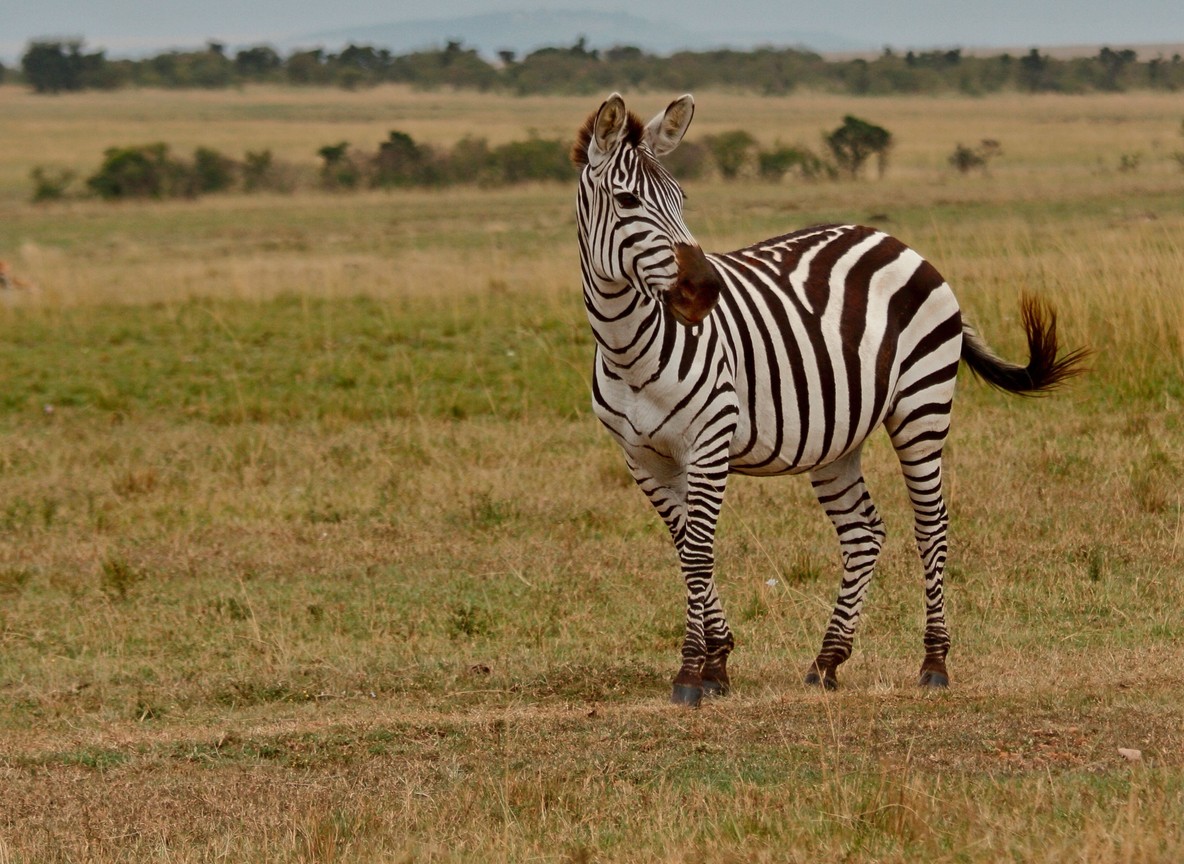
Talk to anyone who has completed a proper off-grid safari in Kenya and they describe the same arc. The first few hours of no signal feel uncomfortable, almost itchy. Then something settles. By day two, most guests stop reaching for their phones instinctively. By day three, they are fully present in the bush.
The practical difference is real. When you are not documenting everything for social media in real time, you notice more. You catch the moment a cheetah scans the horizon. You hear the oxpecker alarm call that your guide spotted ten seconds before the buffalo moved. You smell rain on red Samburu soil before the first drop falls.
This is the case that Trunktrails Safaris makes to every guest who books a wellness safari in Kenya: the bush rewards full attention. A half-present observer gets a decent game drive. A fully present one gets the experience that changes how they think about everything. 🦁
When Is the Best Time to Book a Digital Detox Safari in Kenya?
There is no bad month for a digital detox in Kenya. The bush resets regardless of season. That said, the timing affects what you see and what you pay.
July to October is the Great Migration season in the Masai Mara, when wildebeest and zebra pour across the Mara River from Tanzania. This is peak season, which means higher camp rates and more vehicles inside the national reserve. If isolation matters as much as the spectacle, book a conservancy camp rather than inside the reserve proper. Masai Mara National Reserve entry fees in peak season (July to December) are $200 per adult per day for non-residents. Adjoining conservancy day fees typically run $60 to $120 per adult per day (indicative, varies by conservancy).
January to March delivers dry bush, short grass, and excellent predator activity with noticeably fewer visitors. Rates at most camps drop by 15 to 30%. This is arguably the best window for a dedicated digital detox safari in Kenya: stable weather, strong wildlife sightings, and an atmosphere of genuine calm.
For a full breakdown of seasonal trade-offs across Kenya’s parks, see our guide to peak season safari planning in Kenya.
What Should You Expect to Give Up and Gain on an Off-Grid Kenya Safari?
Honesty matters here. A genuine wellness safari involves real trade-offs, and knowing them in advance is part of planning it well.
What you give up:
- Reliable mobile signal (variable to nonexistent in most reserve and conservancy zones)
- Real-time social media posting (photographs can be uploaded when you return to Nairobi)
- The habit of checking the time every five minutes
- Sleeping past 5:30 AM (early starts are non-negotiable, and you will want them)
What you gain:
- Six to eight hours of daily outdoor time in landscapes most people only see in documentaries
- Deep, notification-free sleep
- Campfire conversations that are not competing with a back-channel running on your phone
- A sharper sense of where you are, what surrounds you, and why that matters
Many guests tell us two nights in the Mara do more for their mental clarity than a week at a resort with good WiFi. That is not a pitch from our tours and safaris team. It is what people say unprompted when they check in after returning to Nairobi.
If you want to combine a digital detox with active wildlife work, our Kenya wildlife volunteer holidays offer structured conservation programmes alongside the off-grid experience.
Is a Digital Detox Safari Right for Solo Travellers?
Solo travellers consistently report the strongest transformation on an off-grid safari in Kenya. Without the social obligation to entertain a companion, you can sit in silence at a waterhole, absorb a guide’s knowledge without distraction, and structure each day entirely around what you want to see.
Trunktrails Safaris designs solo itineraries specifically. Private game drives, single-occupancy tents, and direct access to your guide from arrival to departure remove every friction point. You are never placed in a shared vehicle unless you ask for it. For solo travellers considering this kind of trip, our guide to solo safari travel in Kenya covers safety, camp selection, and itinerary planning in depth.
Many solo guests who come for the digital detox also discover they want to return with a camera. Our 12-day Kenya photographic safari itinerary shows how we build a photography programme around wildlife movement and natural light, giving the lens something worth switching off for. 📸
What Is the True Benefit of a Wellness Safari in Kenya?
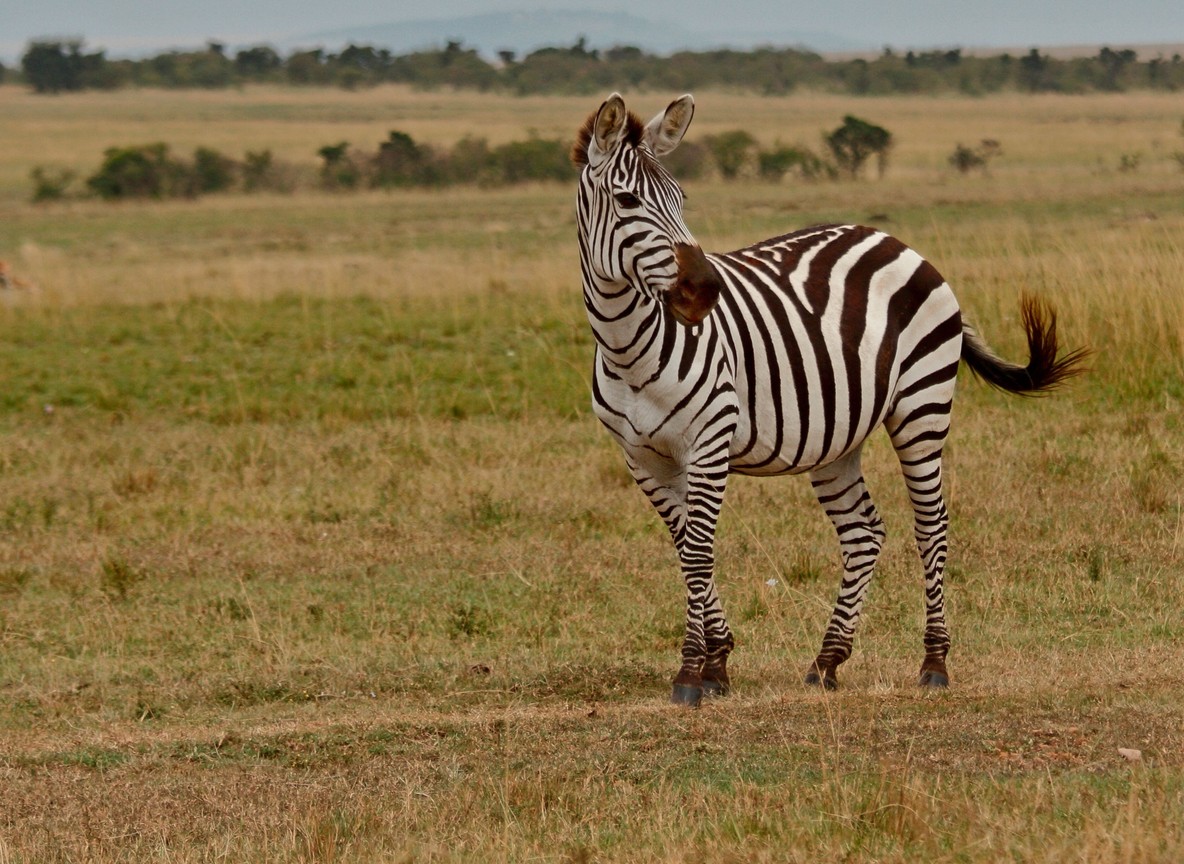
Science supports what bush travellers have long known. Studies on nature exposure consistently show reductions in cortisol, improved sleep quality, and better attentional focus after multi-day time outdoors without screens. Kenya’s reserves amplify these effects because the stimuli competing for your attention are not artificial. They are real: the proximity of large animals, the scale of an unlit sky, the physical sensation of cold morning air on a game drive.
A digital detox safari in Kenya is not a wellness trend dressed in khaki. It is the oldest reset available to a human being, offered in one of the most dramatically alive places on earth. Our tours and safaris are designed to make that experience as direct and uncomplicated as possible, with no agency layer, no cookie-cutter group scheduling, and no WiFi included in the price.
For those weighing the affordable luxury Kenya safari route, full disconnection is available at price points well below what most travellers assume. The off-grid camps in the table above start well under $500 per person sharing, inclusive of game drives, meals, and park fees in most packages.
The Trunktrails Advantage
Planning a digital detox safari in Kenya means choosing an operator who understands what you are actually trying to do: not just see wildlife, but genuinely step away from the noise.
Trunktrails Safaris is a native Kenyan-owned company based in Nairobi. Every camp we recommend, we know from direct experience. We know which properties have satellite WiFi available on request (and will not mention that as a selling point to guests who are coming to switch off). We know which guides are expert readers of silence and which routes through the Mara give you thirty minutes without another vehicle in sight.
Our tours and safaris for digital detox guests include:
- Tailor-made itineraries built around your specific dates, destination preferences, and level of desired isolation
- Camp selection based on connectivity level and guiding calibre, not commission rates
- Private game drives as standard on digital detox itineraries (no shared vehicles)
- 24/7 direct operator support via WhatsApp, with no agency or middleman in the chain
- 5% of every booking directed to wildlife conservation programmes operating inside Kenya’s parks and conservancies
We do not sell packages. We design itineraries. A digital detox safari is a personal prescription, and what you need to switch off is specific to you.
Ready to Switch Off With Trunktrails Safaris?
You have read what the bush offers. The next step is a five-minute conversation about when you want to go and what you need from the experience. From there, Trunktrails Safaris handles everything: camp selection, transfers, park permits, private guiding, and the kind of itinerary that makes switching off feel like the most natural thing in the world.
Further reading
More safari planning resources
- Best time to visit Kenya month-by-month map from Valley Safaris
- Best safaris in Kenya on Touring Insights
- Masai Mara destination guide on FindMySafari
- Best time to visit Kenya on Touring Insights
WhatsApp: +254 113 208888 Email: info@trunktrailssafaris.com Website: https://trunktrailssafaris.com
Send us a message today. The Mara is waiting, and there is no signal to interrupt it.