
Kenya Wildlife Volunteer Opportunities 2026: Work With Animals and Support Conservation on Your Trip
Kenya does not just offer game drives and sundowners. For 2026, a growing wave of travellers is choosing something more active, more personal, and more impactful: wildlife volunteer opportunities in Kenya that put you inside the conservation work instead of watching from the outside. Whether you want to monitor lion prides across the Laikipia plateau, rehabilitate orphaned elephants in Nairobi, or protect the last northern white rhinos at Ol Pejeta, Kenya’s conservation ecosystem has a role for you. 🌍
These are not zoo volunteering stints. These are hands-on placements inside some of Africa’s most consequential wildlife projects, operating in real habitats with real stakes. Trunktrails Safaris designs conservation-integrated tours and safaris that combine genuine volunteer work with the game drives, bush walks, and cultural experiences that make a Kenya trip complete. Here is everything you need to plan your volunteer holiday in Kenya for 2026.
What Are Wildlife Volunteer Opportunities in Kenya?
Wildlife volunteer opportunities in Kenya range from short two-week conservation placements to immersive three-month research assistantships. They are offered by national conservancies, private reserves, and NGO-run wildlife rehabilitation centres across the country.
Most programmes accept participants regardless of academic background. You do not need a biology degree. What projects look for is genuine commitment, physical readiness for fieldwork, and willingness to follow ranger protocols at all times. Tasks vary widely. You might spend mornings doing GPS transects to track cheetah movement in Meru National Park, afternoons preparing milk formula for orphaned elephant calves, or evenings logging predator-prey interaction data at a waterhole.
Kenya’s legal framework for volunteerism requires all international volunteers to hold a valid Class G volunteer permit, obtained through the relevant project partner. Costs for the permit are typically folded into programme fees. All reputable programmes are registered with Kenya Wildlife Service (KWS) and operate within official conservancy boundaries.
Top Conservation Projects Where You Can Volunteer in Kenya 🐘
Kenya hosts some of Africa’s best-funded and most studied conservation projects. These are the programmes that serious volunteers join.
David Sheldrick Wildlife Trust (DSWT), Nairobi Founded in 1977, DSWT has rehabilitated over 250 orphaned elephants and 140 rhinos. The elephant orphanage sits inside Nairobi National Park, just 7 km from the city centre. A daily public visit runs at 11:00 AM. Volunteer placements go deeper: keepers on nighttime feeding shifts, milk preparation, and reintegration monitoring at DSWT’s Tsavo East and Tsavo West field stations.
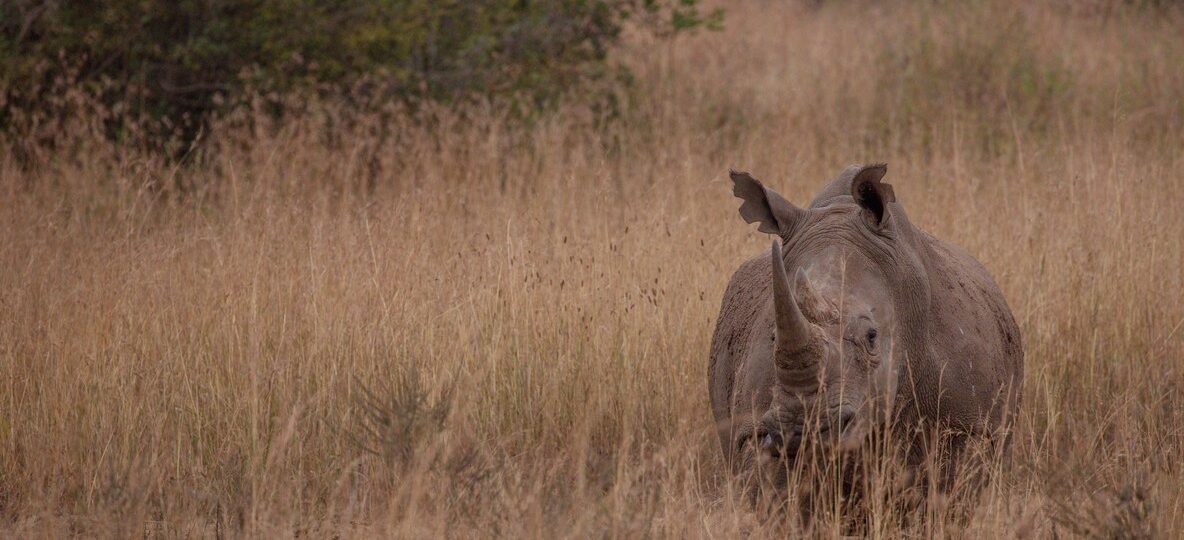
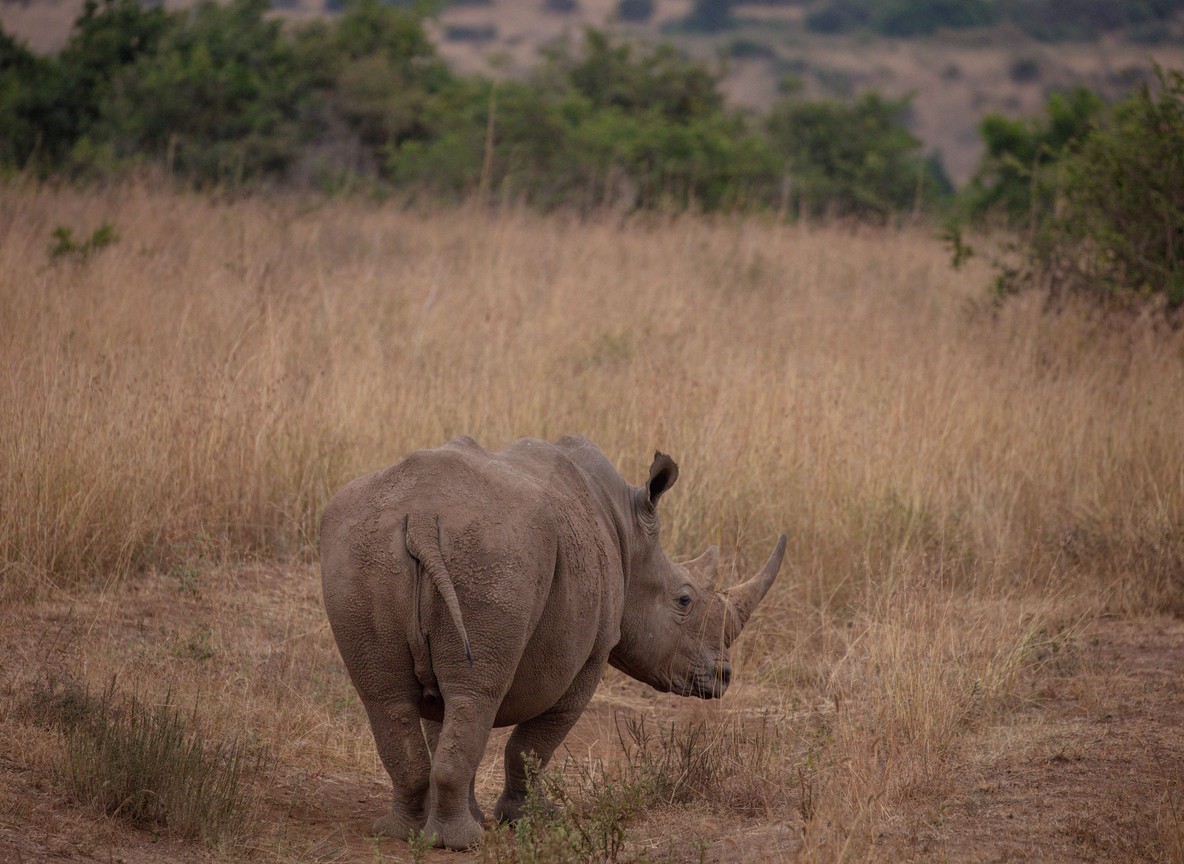
Ol Pejeta Conservancy, Laikipia County At 364 km², Ol Pejeta is East Africa’s largest Black Rhino sanctuary. It is also the home of Najin and Fatu, the world’s last two northern white rhinos. Structured volunteer programmes here focus on rhino ID surveys, predator monitoring, community school outreach, and habitat restoration. Placements are competitive and fill fast.
Big Life Foundation, Amboseli-Tsavo Ecosystem Big Life protects 1.6 million acres across Kenya and Tanzania. Volunteer placements involve ranger patrol support, camera trap maintenance, and human-wildlife conflict data collection in communities bordering Amboseli National Park and Chyulu Hills.
Mara Elephant Project, Masai Mara Based at the Masai Mara National Reserve, this project GPS-collars and tracks over 100 elephants. Volunteers assist with collar data analysis, community outreach, and elephant monitoring at Mara River crossing points during the annual migration season.
Reteti Elephant Sanctuary, Samburu Africa’s first community-owned elephant sanctuary, run by the Namunyak Wildlife Conservancy. Volunteers assist Samburu women keepers with calf feeding, health monitoring, and release preparation. A genuinely unique programme with strong community integration.
Volunteer With Elephants in Kenya: The Programmes Worth Joining
Elephant conservation is the most popular form of volunteering in Kenya. Kenya’s elephant population stands at approximately 36,000 animals, up from a low of around 16,000 in the late 1980s. That recovery is the direct result of conservation programmes that volunteers help sustain.
Key placement types for elephant volunteering include:
- Orphan rehabilitation (DSWT Nairobi, Reteti Samburu): feeding schedules, health monitoring, and surrogate bonding routines
- Wild herd research (Amboseli Elephant Research Project, est. 1972): the longest-running large mammal study in the world, tracking over 1,600 individually identified elephants
- Anti-poaching support (Ol Pejeta, Big Life Foundation): aerial and ground support for ranger teams patrolling key corridors
Indicative programme fees for a two-week placement run from USD 850 to USD 2,400, depending on the operator and accommodation tier. These fees typically cover food, shared accommodation, in-country transport from Nairobi, and KWS permit costs. International flights are always separate.
Best Parks and Conservancies for Wildlife Volunteering in Kenya
| Location | Conservation Focus | Size | Nearest Airstrip | Drive from Nairobi |
|---|---|---|---|---|
| Ol Pejeta Conservancy | Rhino, lion, cheetah | 364 km² | Nanyuki Airstrip | 3.5 hrs via A2 |
| Amboseli National Park | Elephant, bird research | 391 km² | Amboseli Airstrip | 4 hrs via A104 |
| Masai Mara National Reserve | Predator monitoring, elephant | 1,510 km² | Keekorok / Ol Kiombo Airstrip | 5-6 hrs or 45-min flight |
| Tsavo East and Tsavo West | Elephant reintegration, rhino | 21,812 km² combined | Voi Airstrip / Tsavo Gate | 4-5 hrs via Mombasa Highway |
| Meru National Park | Cheetah, rhino, elephant | 870 km² | Meru Mulika Airstrip | 5 hrs via B6 |
| Lewa Wildlife Conservancy | Grevy’s zebra, northern white rhino | 250 km² | Lewa Airstrip | 4 hrs or 35-min flight |
| Reteti / Namunyak, Samburu | Elephant rehabilitation | 850 km² conservancy | Samburu Airstrip | 6 hrs or 1-hr flight |
What Does a Typical Day Look Like on a Kenya Conservation Placement? ✨
Volunteer days start before sunrise. Most reserves run morning game counts from 6:00 AM to 9:00 AM, when animal activity peaks and temperatures are manageable.
A typical schedule on a wildlife placement at Ol Pejeta or Lewa:
- 5:30 AM: Wake, breakfast at ranger camp
- 6:00 AM: Pre-dawn rhino ID transect or lion telemetry track with senior researcher
- 9:30 AM: Data entry, GPS collar download, and camera trap retrieval
- 11:00 AM: Classroom session with resident ecologist
- 1:00 PM: Lunch and downtime at volunteer camp
- 3:30 PM: Afternoon predator monitoring game drive
- 6:30 PM: Debrief, data write-up, sundowner
- 9:00 PM: Optional night patrol with ranger team
Evening routines vary by programme. Some placements run intensive seven-day schedules. Others build in a weekend safari or community village visit. Ask the specific programme coordinator for their weekly structure before you book.
Wildlife Volunteering vs. Standard Safari: Which Fits Your 2026 Trip?
| Factor | Wildlife Volunteering | Standard Safari |
|---|---|---|
| Daily schedule | Structured, early starts, data collection | Flexible, game drive focused |
| Wildlife proximity | Hands-on under supervision | Observer distance |
| Physical demand | Moderate to high (fieldwork, hikes) | Low to moderate |
| Cost (2 weeks, indicative) | USD 850 to USD 2,400 (programme fee only) | USD 2,000 to USD 8,000 (full package) |
| Conservation impact | Direct: data, rehab, patrol support | Indirect: tourism revenue |
| Flexibility | Fixed placement dates | Fully customisable |
| Best for | Researchers, conservation-minded travellers | First-timers, families, luxury seekers |
| Combine? | Yes, pair volunteer weeks with a post-placement safari | Yes, add conservation day visits as an add-on |
Many travellers combine both. A popular 2026 itinerary pairs two weeks of volunteering at Ol Pejeta with a three-night private game drive safari in the Masai Mara. Trunktrails Safaris specialises in these hybrid tours and safaris that give you genuine conservation work alongside the classic Kenya bucket-list experiences.
Best Time to Join Kenya Conservation Volunteer Programs
Kenya’s wildlife patterns make certain periods more productive for research work than others.
January to March: Excellent for elephant calf monitoring in Amboseli during calving season. Dry Laikipia conditions make rhino transects at Ol Pejeta and Lewa more productive.
June to October: Peak season. The Great Migration moves through the Masai Mara from July to October, bringing maximum wildlife visibility and the best conditions for predator monitoring. This is the most competitive window for placement spots.
November to December: Short rains. Birdwatching peaks. Some field data collection pauses during heavy rain weeks. Quieter on tourism and better for volunteer availability.
Most programmes accept volunteers year-round. Booking two to three months ahead is recommended for peak season and is essential for Ol Pejeta rhino placements, which consistently fill six months out.
The Trunktrails Advantage
Trunktrails Safaris is not a booking agent for volunteer programmes. We are your Kenyan conservation partner, with on-the-ground relationships across Ol Pejeta, Lewa, the Mara Elephant Project, and the Big Life ranger network.
When you book a volunteer holiday through Trunktrails Safaris, you get:
- Pre-vetted placements: We visit every partner programme. We know which projects have reliable research infrastructure and which do not.
- Hybrid itineraries: Your volunteer placement is matched to a post-programme tours and safaris package so you leave Kenya having both contributed and explored.
- Local logistics handled: Airport transfers, visa guidance, Nairobi hotel, conservancy permit paperwork, and inter-park transport are all arranged from one contact point.
- Guide-led debriefs: After your placement, a Trunktrails Safaris guide walks you through what the research data you collected actually means for the species you helped monitor.
- 24/7 in-country support: Our Nairobi team is reachable by WhatsApp at any hour if placements shift or field conditions change.
No international volunteer middleman. No extra margin layers. Direct access to the projects and the ecosystems that make wildlife volunteer opportunities in Kenya genuinely meaningful.
Trunktrails Safaris also offers standalone conservation experiences for groups that want a single-day taste without a multi-week commitment. Half-day elephant orphanage visits, ranger-led rhino tracking walks, and behind-the-scenes Ol Pejeta tours are all available as add-ons to any standard itinerary.
Ready to Put Your Trip to Work for Wildlife? 📸
Kenya’s conservation projects need skilled, committed volunteers in 2026. Every transect walked, every orphan fed, every camera trap checked contributes to species survival at a population level. This is not passive travel. This is participation in Africa’s most important conservation story.
Contact Trunktrails Safaris today to find the right wildlife volunteer placement for your timeline, budget, and species interest.
Further reading
More safari planning resources
- Ol Pejeta and Sweetwaters safari package from Valley Safaris
- Amboseli National Park guide on Touring Insights
- Big Five safari collection on FindMySafari
- Best time to visit Kenya month-by-month map from Valley Safaris
WhatsApp: +254 113 208888 Email: info@trunktrailssafaris.com Website: https://trunktrailssafaris.com
Spots for peak-season placements (July to October 2026) are already filling. Reach out now, and let Trunktrails Safaris match you with the Kenya conservation project where your time will have the biggest impact.
Image credits: Photo by Twilight Kenya on Pexels; Photo by Magda Ehlers on Pexels; Photo by chris clark on Pexels

