
The Chui Mamas of Laikipia: How 1,000 Women Are Turning Beadwork Into Conservation Income
The chui mamas laikipia women artisans network started with eight women and a box of beads. Today it counts more than 1,000 members across over 30 women’s groups spread through the Laikipia plateau in northern Kenya. Chui means leopard in Swahili, and the name fits. These women work quietly, in small groups, largely unseen by the safari vehicles passing a few kilometers away. But their income now touches conservation funding, school fees, and household security for an entire region. 🐆
Trunktrails Safaris works with travelers who want their trip to mean something beyond a good photo. Understanding who the Chui Mamas are, and how a beaded bracelet actually funds conservation, is part of that.
Who Are the Chui Mamas of Laikipia?
The Chui Mamas is a women’s collective founded by Ellie Modester near Loisaba Conservancy in Laikipia County. Most members come from the Samburu and Ndorobo communities, both part of the wider Maa-speaking cultural group that also includes the Maasai. Many of the women joining the network are single mothers, widows, or women who lost support from their households after divorce or the death of a husband.
The group’s model is simple. Instead of handouts, women get training in beadwork, tailoring, soap making, beekeeping, and small-scale farming. They keep the skills and the income for life, not just for one program cycle.
From Eight Women to a 1,000-Member Network
Growth like this rarely happens by accident. The Chui Mamas started as a single beading circle. Word spread between villages, and neighboring women’s groups asked to join. Within a few years, the network had grown to more than 30 registered groups and over 1,000 women across the Laikipia plateau.
Three organizations made that scale possible: Elewana Collection, Loisaba Conservancy, and Land & Life Foundation, with additional support from San Diego Zoo Wildlife Alliance. Together they fund training, provide a base for meetings, and connect the women’s products to camps and travelers who never would have found them on their own.
What the Chui Mamas Actually Make and Sell
Beadwork gets the most attention, but it is only one part of the output. Groups also produce:
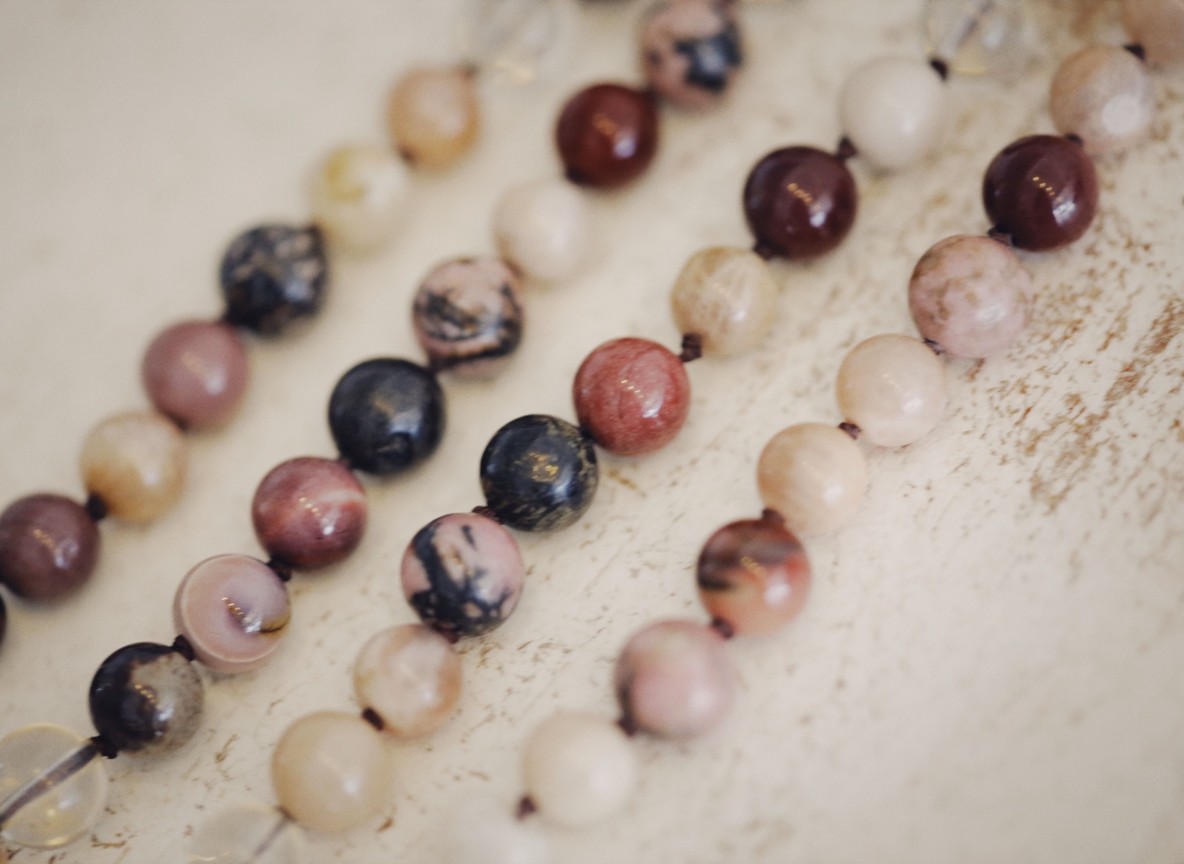
- Beaded jewelry, bracelets, and belts using traditional Samburu and Ndorobo patterns
- Handmade soap and skincare products from natural, local ingredients
- Tailored clothing and bags
- Honey from community beekeeping projects
- Vegetables and fruit from regenerative farming plots, including tomatoes, kale, onions, and bananas
Each product carries the maker’s group name. A buyer at an Elewana camp shop or the Loisaba community center can usually find out which group made a specific piece, something a generic curio stall rarely offers.
Where the Chui Mamas Work: Loisaba Conservancy and Laikipia Facts
Laikipia sits north of Mount Kenya, between Nanyuki and Samburu County. Loisaba Conservancy is the anchor point for much of the Chui Mamas’ activity, and it also happens to be one of the more accessible wildlife conservancies in the region for travelers on a Kenya itinerary.
| Detail | Figure |
|---|---|
| Chui Mamas network size | 1,000+ women across 30+ groups |
| Founded by | Ellie Modester |
| Core communities | Samburu and Ndorobo (Maa-speaking) |
| Anchor location | Loisaba Conservancy, Laikipia County |
| Loisaba Conservancy size | 58,000 acres, about 234 km2 |
| Distance from Nanyuki town | 78 km, about 1.5 to 2 hours by road |
| Distance from Nairobi | Roughly 300 km by road (5 to 6 hours), or a 45 to 60 minute flight into Nanyuki airstrip |
| Named camps nearby | Elewana Loisaba Tented Camp, Loisaba Star Beds, Loisaba Lodo Springs |
| Conservancy fee (indicative) | Roughly USD 100 to 180 per person per night, varies by camp and season |
| Key partners | Elewana Collection, Loisaba Conservancy, Land & Life Foundation, San Diego Zoo Wildlife Alliance |
Prices above are indicative ranges only and should always be confirmed directly with the camp or conservancy before booking, since conservancy fees and camp rates change by season and residency status.
When to Visit Laikipia for a Chui Mamas Visit
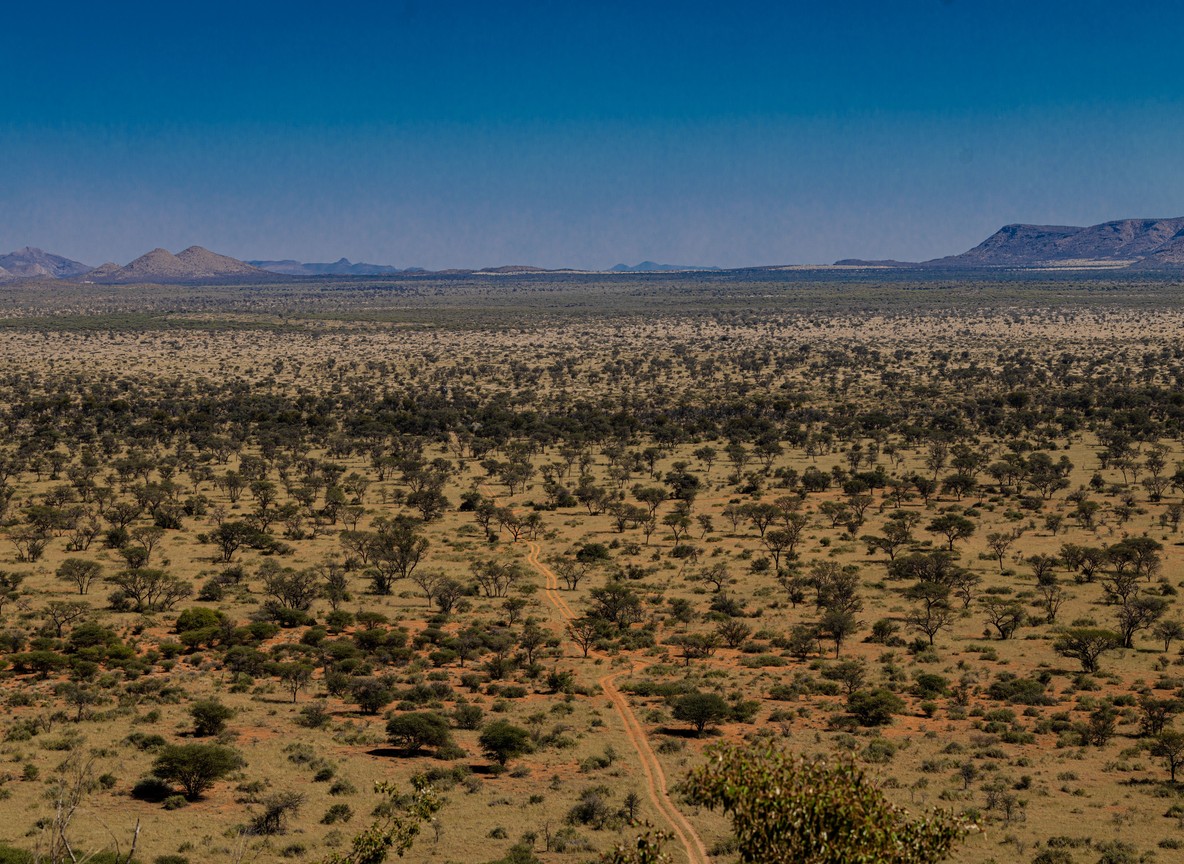
Laikipia sits at a higher elevation than the Mara or Amboseli, so roads and weather behave a little differently. The dry months, roughly June through October and again in January and February, keep the dirt roads between Loisaba’s camps and the Chui Mamas community center in good condition. Game drives are also easier during these months, since wildlife gathers closer to permanent water sources on the conservancy.
The wetter stretches, mainly March through May and November, still allow community visits, since the center is close to the main camps. Roads can turn slower after heavy rain, so building a little extra travel time into the day is worth planning for. Either season works for meeting the women’s groups. Dry season simply pairs better with the wildlife side of the itinerary.
How Beadwork Income Funds Conservation
The link between beadwork and conservation is not symbolic. It is financial. Land in Laikipia is shared between wildlife, livestock, and people. Conservancies like Loisaba only survive long term if the surrounding communities see a direct benefit from keeping wildlife on the land rather than fencing it out or converting it to full-time grazing and farming.
When a Chui Mamas group earns steady income from beadwork and other trades, households depend less on livestock numbers alone. That reduces pressure to overgraze conservancy land during dry seasons, which in turn protects the grass and water that wildlife also needs. Group savings often fund shared costs too, including school fees, water access, and small business loans for members. Conservation and household income end up tied to the same rope.
Buying Direct vs Buying From a Generic Curio Shop
Most travelers buy at least one souvenir on a Kenya trip. Where that purchase happens changes who actually benefits.
| Factor | Buying From the Chui Mamas Directly | Buying From a Generic Curio Shop |
|---|---|---|
| Where the money goes | Straight to the woman who made it and her group’s shared fund | Split between shop owner, wholesaler, and maker, often unclear |
| Price transparency | Fixed, published prices at the source | Prices vary by negotiation, sometimes for identical items |
| Conservation link | Group income supports water, grazing, and school costs tied to Loisaba | No direct link to any conservancy or wildlife area |
| Story with the purchase | Named maker, named group, sometimes a group visit on site | Usually anonymous, occasionally mass-produced elsewhere |
| Where to buy | Loisaba community center, Elewana camp shops, select Nairobi outlets | Curio markets in Nairobi, Nanyuki, or roadside stalls |
Neither option is wrong on its own, but buying direct puts more of every dollar into the hands of the person who made the piece.
How Travelers Can Meet the Chui Mamas on Safari
A Laikipia itinerary built around Loisaba Conservancy can include a stop at the Chui Mamas community center, where groups often demonstrate beading techniques and explain how the cooperative structure works. This works well for travelers already drawn to conservation-focused travel, wildlife photography stops, or anyone who wants their Kenya trip to include people, not just animals.
Visits typically run a few hours and pair naturally with a game drive on Loisaba’s plains, where northern species like reticulated giraffe and gerenuk are easier to spot than in more crowded parks further south. 🦒
The Trunktrails Advantage
Trunktrails Safaris is a Kenyan-owned tours and safaris operator, and community-linked stops like the Chui Mamas center are built into our Laikipia itineraries by design, not tacked on as an afterthought. We coordinate directly with conservancy contacts to confirm which groups are available to meet on a given date, so guests are not left guessing whether a visit will actually happen.
We also brief every guest ahead of time on the cooperative’s structure, so a purchase at the community center means something more than a transaction. Our guides know the routes between Loisaba’s camps and community sites well enough to build a visit around wildlife viewing rather than treating it as a separate detour. Choosing tours and safaris packages that route money toward the people living on conservancy land is part of how Trunktrails Safaris builds every northern Kenya trip. 🌍
Plan a Laikipia Safari That Supports the Chui Mamas
A visit to Laikipia can carry more weight than another wildlife drive on a standard circuit. Meeting the Chui Mamas, buying directly from a named artisan, and staying at a camp that keeps conservancy fees flowing back to the community turns a holiday into something the region actually benefits from.
Tell our tours and safaris team you want a Laikipia itinerary that includes a Chui Mamas visit alongside your Loisaba game drives. We will confirm current conservancy fees, camp availability, and community visit schedules before you travel.
Further reading
More safari planning resources
- Ol Pejeta and Sweetwaters safari package from Valley Safaris
- Best time to visit Kenya on Touring Insights
- Compare Kenya safari packages on FindMySafari
- Best time to visit Kenya month-by-month map from Valley Safaris
WhatsApp: +254 113 208888 Email: info@trunktrailssafaris.com Website: https://trunktrailssafaris.com
Laikipia’s camps run small, and community visit slots fill alongside them. Reach out to Trunktrails Safaris now to lock in your dates. ✨