
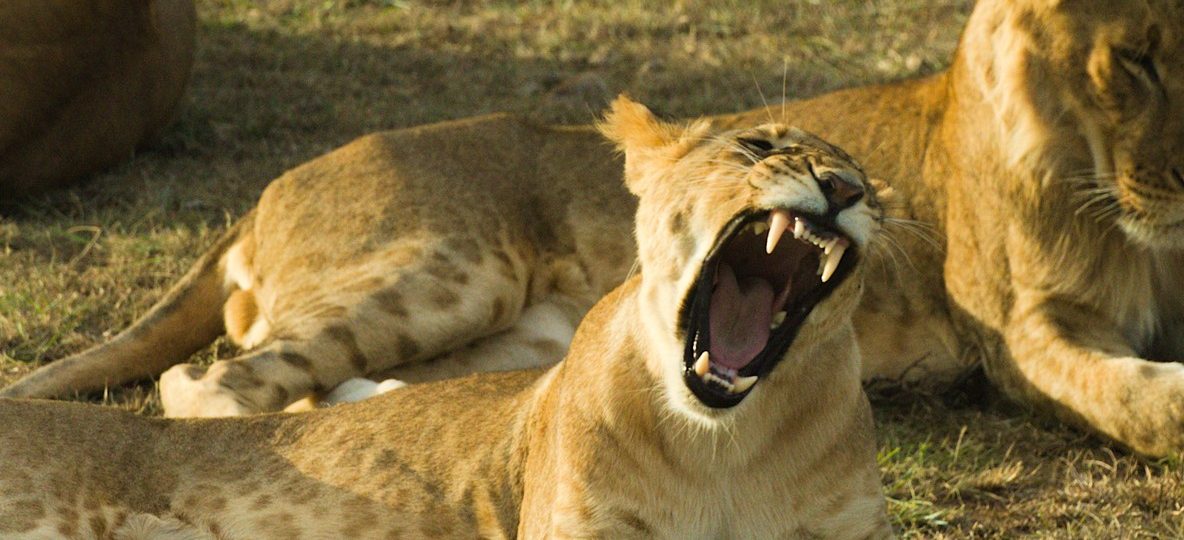
Meet Kenya’s Female Safari Guides: The Women Changing the Industry From the Driver’s Seat
For decades, the image of a Kenya safari guide was almost always a man behind the wheel. That picture is changing fast. Female safari guides in Kenya now track lions in Amboseli and spot leopards in the Maasai Mara. They lead vehicles full of guests across some of the most famous landscapes on earth. Trunktrails Safaris works with camps and conservancies that back this shift. Guests notice the difference when a guide brings a fresh set of eyes to a familiar bush trail.
This growing group of women did not appear overnight. It took ranger training programs, guiding schools, and conservancies willing to hire differently. Here is who they are, where you can meet them, and what their rise means for anyone booking tours and safaris in Kenya this year.
Why Kenya’s Safari Industry Needed Women in the Driver’s Seat
Guiding in Kenya has long run through the Kenya Professional Safari Guides Association (KPSGA), founded in 1993 to set and test guiding standards. Guides climb through Bronze, Silver, and Gold levels. Each level demands more field hours and tougher written and practical exams. For years, almost every candidate sitting those exams was male. Guiding was treated as a man’s trade in Maasai and Samburu communities, where most guides come from.
Camps started to notice a gap. Guests, especially solo travelers and families, kept asking for more balanced teams. Conservancies realized that women often brought sharper patience for tracking, calmer briefings for nervous first-time visitors, and a different read on animal behavior. That demand opened doors that had stayed shut for a generation.
The Bronze level of KPSGA certification alone takes most candidates one to two years of field practice before they can sit the exam. Silver level asks for several more years guiding actual guests. It also requires a written test on ecology, first aid, and vehicle safety. Very few women reached that stage before 2015. Today, guiding schools connected to conservancies in Amboseli and the Maasai Mara actively recruit female candidates from local Maasai communities. They cover exam costs and pair new guides with experienced mentors for their first drives. That investment is why the current wave of female safari guides in Kenya looks so different from the small, scattered numbers of a decade ago.
Team Lioness: Amboseli’s All-Female Ranger Unit Leading the Way
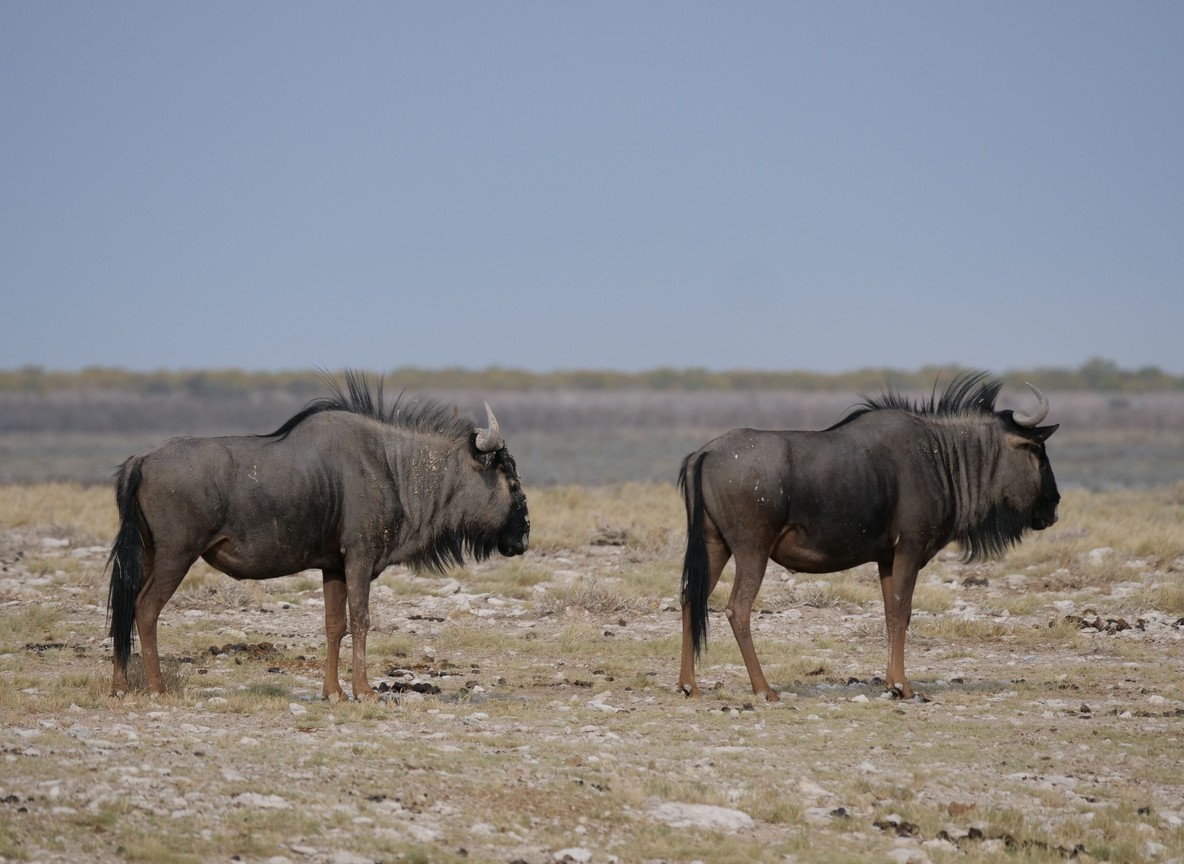
The clearest example sits in the Amboseli ecosystem. Team Lioness formed in 2019 under the Big Life Foundation. It began as a unit of eight Maasai women trained as wildlife rangers, based in the Eselenkei Conservancy, part of the greater Amboseli-Kilimanjaro landscape. The unit has since grown well beyond its founding number. Rangers patrol for snares, monitor elephant movement, and work alongside male ranger units that had operated in the area for years before them.
Team Lioness is not a guiding outfit in the strict sense. Rangers focus on protection rather than driving guest vehicles. But the unit changed what local communities believed women could do in the bush. It opened a path for the next group, women training as licensed safari guides in the same conservancies where Team Lioness rangers now work.
Koiyaki Guiding School and the Rise of Women Guides in the Maasai Mara
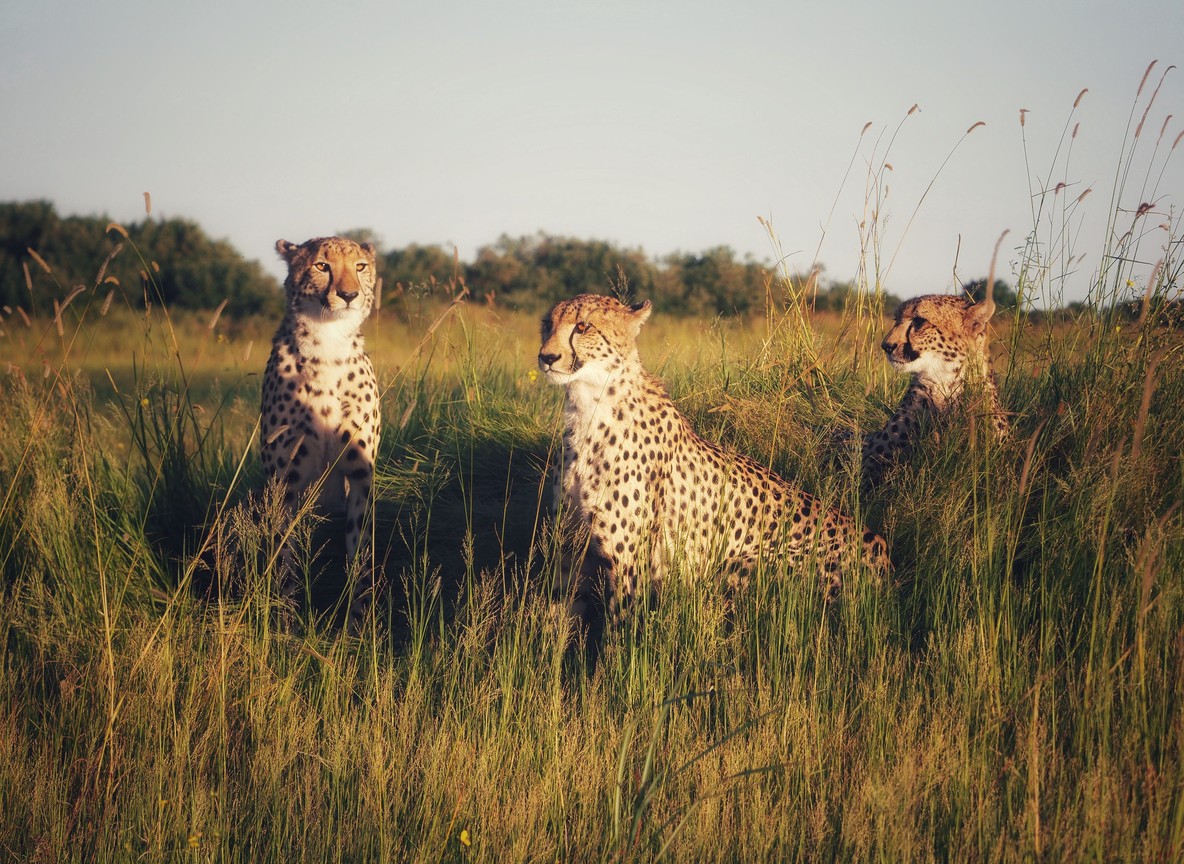
In the Maasai Mara, the shift has a name too. Koiyaki Guiding School is run through the Basecamp Foundation and based near the Naboisho Conservancy. It has trained young Maasai men and women as professional safari guides since 2005. Graduates study wildlife ecology, first aid, guest communication, and vehicle handling before sitting KPSGA exams. In recent years, camps across Naboisho, Ol Kinyei, and the wider Mara ecosystem have started actively recruiting female graduates. Part of that push is demand from guests who want more balanced teams on their tours and safaris.
Community-run camps such as Porini Lion Camp have been early adopters. The camp sits in Ol Kinyei Conservancy, a roughly 70 square kilometer community conservancy bordering the Maasai Mara National Reserve. These camps run on a model where conservancy fees flow back to Maasai landowners. Hiring local women as guides fits that same community-first approach.
Where to Book a Safari With Female Guides in Kenya
Female guiding roles are concentrated in a handful of well-documented locations. The table below gives real distances, park sizes, and indicative costs to help you plan.
| Location | Park/Conservancy Size | Distance from Nairobi | Entry Fee (Indicative, Non-Resident Adult) | Known For |
|---|---|---|---|---|
| Amboseli National Park | 392 km² | 240 km, about 4-hour drive, or 30-40 minute flight to Amboseli Airstrip | $60-$80 per day | Team Lioness rangers, Kilimanjaro views |
| Eselenkei Conservancy | Part of Amboseli ecosystem | 220 km, about 3.5-hour drive | $30-$50 conservancy fee per day | Team Lioness base, community walks |
| Maasai Mara National Reserve | 1,510 km² | 270 km, 5-6 hour drive, or about 45-minute flight from Wilson Airport to Musiara or Ol Kiombo airstrip | $80-$100 per day | Big cats, wildebeest crossings |
| Naboisho Conservancy | 200 km² | 260 km, similar drive time as the Mara reserve | $100-$130 conservancy fee per night | Koiyaki Guiding School graduates |
| Ol Kinyei Conservancy | About 70 km² | 265 km, 5-6 hour drive | $70-$90 conservancy fee per night | Porini Lion Camp, community ownership model |
Prices above are indicative ranges only, since park and conservancy fees change with season and county policy. Trunktrails Safaris confirms exact rates at the time of booking.
Female-Guided Safaris vs Traditional Safaris: What Changes
Guests often ask what actually changes when a woman leads the vehicle. The honest answer is less than you might expect on the wildlife side, and more than you might expect on the experience side.
| Element | Traditional Male-Led Safari | Female-Guided Safari |
|---|---|---|
| Wildlife tracking skill | Strong, built on years of field experience | Equally strong, same KPSGA certification standards |
| Guest briefing style | Often direct and fast-paced | Frequently more detailed, especially for first-time or nervous travelers |
| Community representation | Reflects the traditional guiding norm | Signals a shift in Maasai and Samburu gender roles |
| Availability | Widely available across almost every camp | Limited to camps that actively recruit and train women, mainly in Amboseli and the Mara |
| Guest demand | Steady | Rising, especially among solo travelers and families booking through Trunktrails Safaris |
What Female Guides Bring to Your Kenya Safari Experience
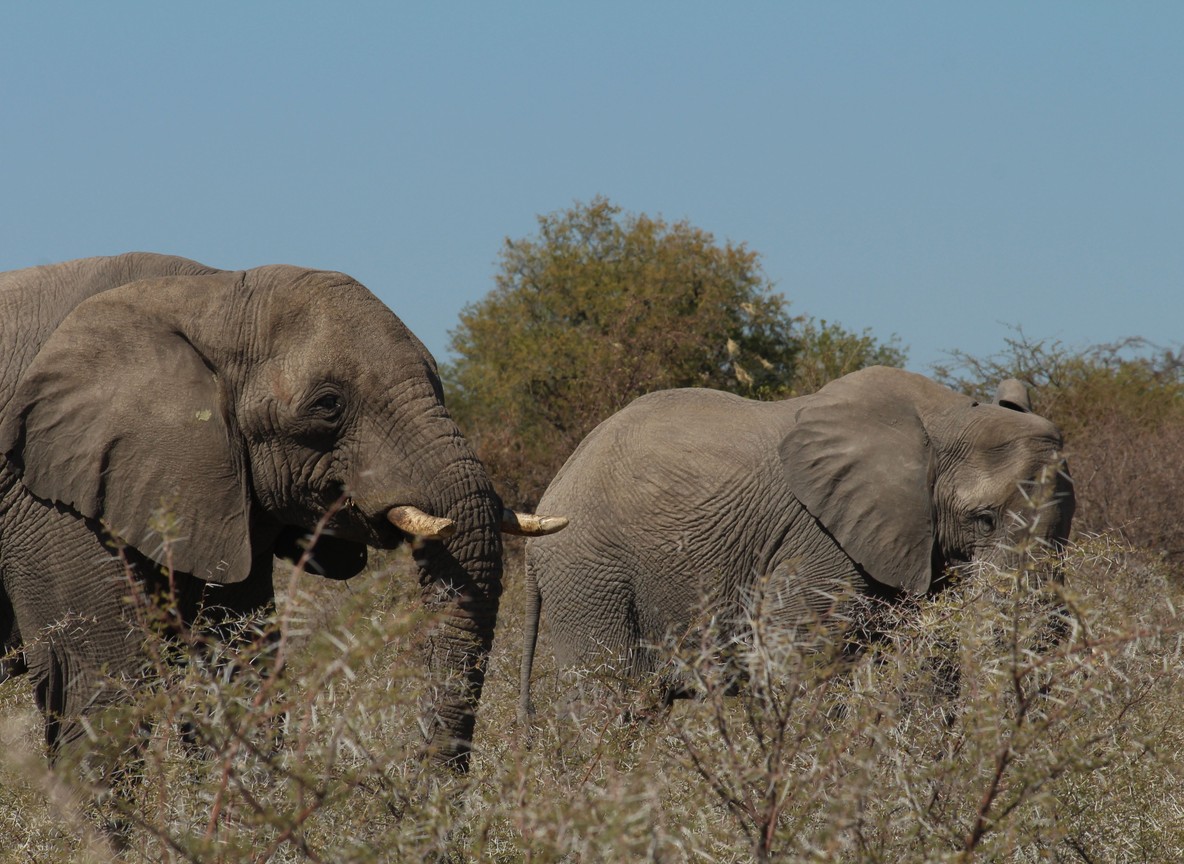
Guests who have traveled with female guides describe a few consistent things. Briefings tend to cover more context, not just “here is a lion” but why the pride chose that shade tree today. Vehicles often run on a slightly slower rhythm, giving guests more time with photography setups. Conversations about conservation, community life, and Maasai culture tend to go deeper too. Many female guides came up through community conservation programs rather than pure driving routes.
None of this makes a female guide “better” than a male one. It makes the safari industry in Kenya more complete. Guests finally get a real choice in who leads their tours and safaris.
There is a practical side too. Family groups traveling with teenagers often report that female guides handle mixed-age question sessions well. They move smoothly between technical detail for adults and simpler explanations for younger travelers. Solo female travelers frequently mention feeling more comfortable asking about camp logistics, night walks, or personal safety when a woman leads the vehicle. None of this is guaranteed with every guide, male or female. But it is a pattern camps in Amboseli and the Maasai Mara have noticed enough to plan around.
The Trunktrails Advantage
Trunktrails Safaris works directly with camps and conservancies in Amboseli and the Maasai Mara that employ trained female guides and rangers. This includes operations connected to the Team Lioness ranger program and Koiyaki Guiding School graduates. As a Kenyan-owned operator, Trunktrails Safaris builds itineraries around these community-first camps. Female guiding is never treated as a marketing add-on.
Every Trunktrails Safaris itinerary that includes a female-guided camp is checked against the same standard as any other trip. That means qualified KPSGA-certified guides, verified conservancy fees, and realistic drive times, so guests know exactly what a day in the vehicle looks like. Trunktrails Safaris does not inflate claims or invent credentials. If a guide is Silver-level KPSGA certified, that is what guests are told, nothing more.
Ready to Meet Kenya’s Female Safari Guides?
Further reading
More safari planning resources
- Map of Amboseli from Valley Safaris
- Amboseli National Park guide on Touring Insights
- Amboseli destination guide on FindMySafari
- Interactive Maasai Mara map from Valley Safaris
Team Lioness now protects a landscape that Kenya Wildlife Service and Big Life Foundation rangers have worked to secure for decades. The number of women guiding tours and safaris across Amboseli and the Maasai Mara keeps climbing every season. If you want a Kenya safari built around camps that back this shift, reach out to Trunktrails Safaris. WhatsApp +254 113 208888 or email info@trunktrailssafaris.com. Visit trunktrailssafaris.com to see current itineraries through Naboisho, Ol Kinyei, and Eselenkei conservancies. Let a Trunktrails Safaris travel planner match you with a camp where women are already leading from the driver’s seat.

