
How Kenya Is Solving Human-Wildlife Conflict: Inside a Community Water Project 🌍
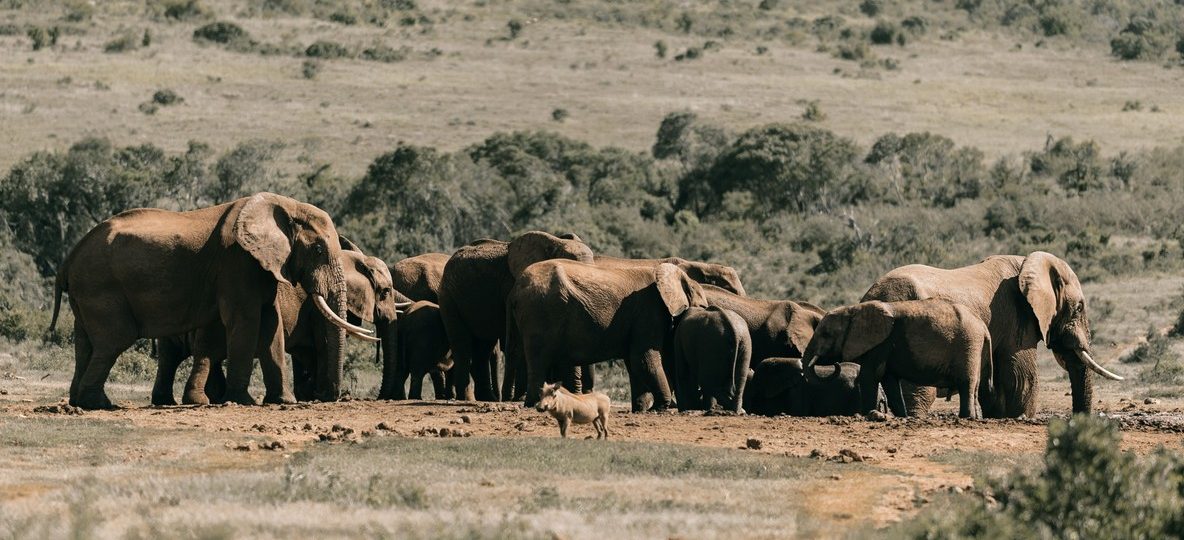
Human wildlife conflict water Kenya is now the phrase behind one of the country’s most effective conservation ideas. Instead of fences and fear, communities in the Amboseli and Samburu ecosystems are digging boreholes and building water pans that pull elephants, buffalo and predators away from farms and homesteads. It sounds almost too simple, but it works because conflict in Kenya’s drylands rarely starts with aggression. It starts with thirst.
At Trunktrails Safaris, our guides in the Amboseli-Tsavo corridor watch this play out every dry season. Elephants that would once break through a fence line for a shamba’s water tank now walk straight past it to a solar-powered borehole built for exactly that purpose. Here is how these community water projects work, where they operate, and what they mean for travelers booking tours and safaris through these landscapes.
Why Human-Wildlife Conflict in Kenya Is a Water Problem First
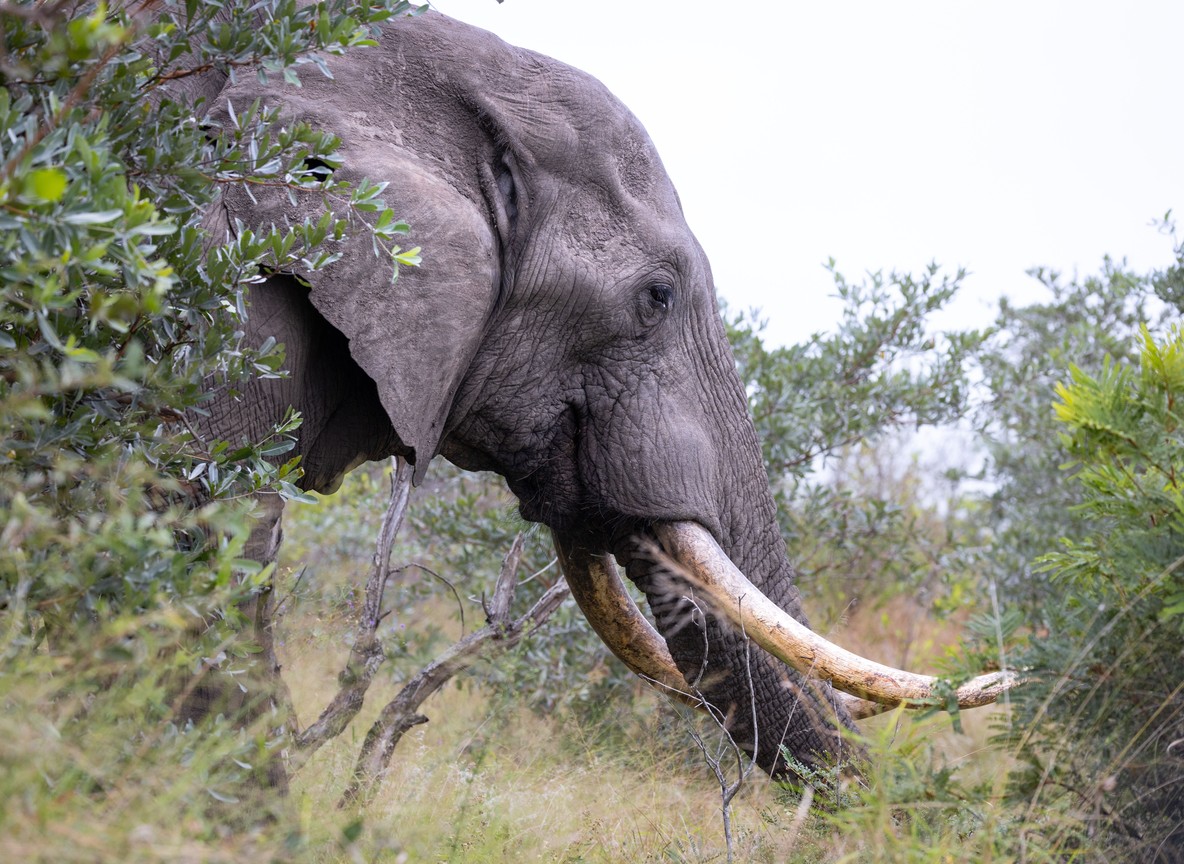
Kenya’s drylands support both wildlife and livestock on the same shrinking water supply. During the dry season and repeated drought years, rivers like the Kimana and seasonal swamps around Amboseli National Park shrink fast. Elephants, which can drink up to 200 liters of water a day, follow the smell of water wherever it is, including irrigation tanks, cattle troughs and roof-catchment systems inside homesteads.
That single fact drives most conflict incidents in the region. A herd raiding a maize field near Kimana is usually not hunting food first. It is following a scent trail to water, and the crop damage happens along the way. Kenya Wildlife Service and partner conservancies figured out that if you solve the water problem, you remove most of the reason wildlife enters settled land at all.
Inside the Community Water Projects Easing the Conflict
Several organizations run water-based conflict programs across southern Kenya, each targeting the same core idea: give wildlife a reliable water source far enough from people that raids stop being necessary.
| Project / Organization | Location | Method | Primary Species Targeted |
|---|---|---|---|
| Big Life Foundation water pans | Kimana and Kuku Group Ranches, Amboseli ecosystem | Solar-pumped boreholes feeding fenced-off wildlife water pans away from farmland | Elephant, buffalo, zebra |
| IFAW Room to Roam initiative | Amboseli-Kilimanjaro landscape, Kenya-Tanzania border | Corridor restoration plus community water points along migration routes | Elephant |
| Northern Rangelands Trust boreholes | Namunyak and Sera Conservancies, Samburu | Community-managed solar boreholes shared by livestock and wildlife on rotation | Elephant, Grevy’s zebra, livestock |
| Amboseli Ecosystem Trust water program | Group ranches bordering Amboseli National Park | Livestock-and-wildlife shared water infrastructure with grazing plans | Elephant, lion, livestock |
Details are drawn from public program descriptions of the listed conservation organizations and can change as projects expand or relocate.
Real Numbers: Where This Is Happening
These projects are not abstract conservation talk. They sit inside real protected areas and community land that travelers on tours and safaris pass through on the way into Amboseli.
| Location | Size | Distance/Time from Nairobi | Managing Body | Indicative Entry Fee (non-resident adult) |
|---|---|---|---|---|
| Amboseli National Park | approx. 392 km² | approx. 240 km / 4 hrs drive (Meshanani Gate) | Kenya Wildlife Service | approx. USD 60 |
| Kimana Wildlife Sanctuary | approx. 60 km² | approx. 225 km / 4 hrs drive, 10 km from Kimana Gate | Kimana community with Big Life Foundation | approx. USD 25-30 |
| Kuku Group Ranch | approx. 1,145 km² | Borders Amboseli’s eastern boundary | Kuku community, patrolled with Big Life Foundation | No standalone gate fee (community land) |
| Tsavo West National Park | approx. 9,065 km² | approx. 240 km / 4 hrs drive (Mtito Andei Gate) | Kenya Wildlife Service | approx. USD 52 |
| Namunyak Wildlife Conservancy | approx. 1,388 km² | approx. 340 km / 6 hrs drive (Wamba area) | Northern Rangelands Trust | approx. USD 20-25 (conservancy fee) |
Fees and distances are indicative ranges and can change with gate, season and vehicle type. Always confirm current rates before travel.
Kimana Wildlife Sanctuary is the clearest example of the model in action. It sits directly in the elephant corridor between Amboseli National Park and the Chyulu Hills, and its water pans were placed specifically to intercept herds before they reach the farms of Kimana town.
The KWS Compensation Scheme: What Happens When Conflict Still Occurs
Water projects reduce conflict, but they do not eliminate it entirely, so Kenya backs them with a legal compensation system. Under the Wildlife Conservation and Management Act, 2013 and its 2017 compensation regulations, Kenya Wildlife Service pays out fixed amounts when wildlife causes death, injury, or damage to crops and livestock.
| Type of Loss | Indicative Compensation Cap |
|---|---|
| Human death caused by wildlife | approx. KES 5 million (approx. USD 38,900) |
| Permanent disability | approx. KES 3 million (approx. USD 23,300) |
| Crop or livestock loss | Fixed schedule of lower amounts, assessed case by case |
Figures are indicative, summarized from the Wildlife Conservation and Management Act, 2013 compensation regulations, and can change with policy updates or aggravating case factors.
Community members near Amboseli and Samburu describe the claims process as slow, which is exactly why water-based prevention has become the preferred first line of defense. A borehole that stops the raid before it happens is more useful to a farmer than a payout months after losing a season’s maize.
How Community Conservancies Turn Water Into Peace
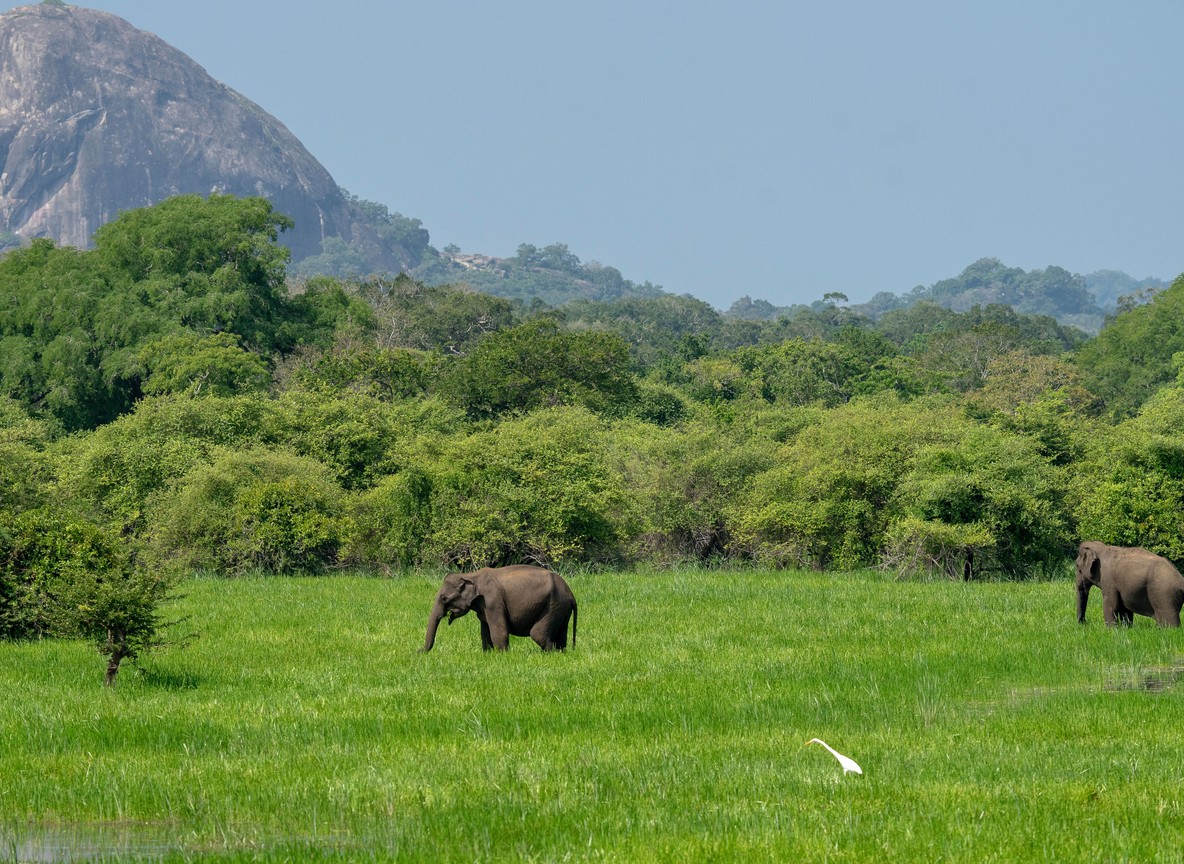
The Northern Rangelands Trust model in Samburu shows how far this idea scales. Conservancies like Namunyak and Sera manage boreholes that serve both community livestock and wildlife, but on a rotation and zoning system worked out with elders and rangers together. Livestock graze and water in one zone while wildlife corridors stay open in another, and the schedule shifts with the season.
That shared-resource approach does two things at once. It reduces the days livestock and wild herbivores compete directly for the same trough, and it gives conservancies a reason to protect wildlife rather than see it purely as a threat to grazing land. Conservancy members earn income from conservancy fees paid by visitors on tours and safaris, which ties household income directly to keeping wildlife alive and the water infrastructure functioning.
Old Approach vs Water-Based Approach
| Factor | Traditional Fencing/Deterrence | Water-Based Conflict Prevention |
|---|---|---|
| Core method | Electric fences, noise, chili-based deterrents at farm edges | Boreholes and water pans placed away from settlements |
| Root cause addressed | No, treats the symptom at the farm boundary | Yes, removes the reason wildlife enters farmland |
| Community involvement | Often reactive, farmer-led during an active raid | Proactive, community-managed infrastructure |
| Cost pattern | Recurring maintenance and repair after breakthroughs | Higher upfront solar/borehole cost, lower ongoing conflict cost |
| Best suited to | Isolated farms near park boundaries | Corridor zones and group ranches between protected areas |
Neither approach fully replaces the other. Most successful landscapes, including the Amboseli ecosystem, run both together, with water projects cutting the number of incidents that ever reach a fence line.
What Travelers Can See on Safari
Visitors booking tours and safaris through the Amboseli region can see this conservation model firsthand. Kimana Wildlife Sanctuary offers game drives where the water pans sit in open view, often with elephant herds visible drinking in the late afternoon. Guides working the Kuku Group Ranch corridor can point out the boreholes and explain how the rotation system works with the community that owns the land.
Further north, a stay near Namunyak or Sera Conservancy in Samburu shows the same idea applied to a drier, more remote landscape, with Grevy’s zebra and elephant sharing water infrastructure with community herds under Northern Rangelands Trust management.
The Trunktrails Advantage
Trunktrails Safaris builds itineraries that route through these community-run conservancies on purpose, not as an afterthought. As a Kenyan-owned operator, our team works directly with conservancy staff in the Amboseli and Samburu ecosystems, so we know which water points are active, which corridors herds are using that season, and how to time a game drive around them respectfully.
Every booking with Trunktrails Safaris that includes Kimana Wildlife Sanctuary, Kuku Group Ranch or a Samburu conservancy sends conservancy fees straight back into the water infrastructure and ranger salaries that make human wildlife conflict water Kenya solutions possible. When you travel with Trunktrails Safaris, you are not just watching this conservation model work. You are one of the reasons it can keep running through the next dry season.
Frequently Asked Questions
What causes most human-wildlife conflict in Kenya? Water scarcity during dry seasons is the leading trigger in the Amboseli and Samburu ecosystems. Elephants and other wildlife follow water scent into farmland and homesteads, causing crop and property damage along the way.
Do community water projects actually reduce conflict? Yes. Organizations like Big Life Foundation and Northern Rangelands Trust report fewer raid incidents in zones with active wildlife water points, since herds have a reliable water source that does not require entering settled land.
Can I visit these water projects on a Kenya safari? Yes. Kimana Wildlife Sanctuary near Amboseli and conservancies like Namunyak in Samburu are open to visitors and often include water points as part of the game drive route.
See This Conservation Model in Action
The community water projects easing human wildlife conflict across Kenya are one of the clearest examples of conservation that works because it solves a real problem, not just a symptom. Seeing a herd drink peacefully at a community-built water pan says more about Kenya’s conservation progress than any statistic can.
Further reading
More safari planning resources
- Map of Amboseli from Valley Safaris
- Amboseli National Park guide on Touring Insights
- Amboseli destination guide on FindMySafari
- Map of Samburu from Valley Safaris
Message Trunktrails Safaris on WhatsApp at +254 113 208888 or email info@trunktrailssafaris.com to build a Kenya itinerary through Amboseli, Kimana Wildlife Sanctuary and the conservancies leading this work. Our team will route your tours and safaris to the exact water points and corridors where this model is protecting both people and wildlife right now. 📸

