ATTA Award Kenya Safari Tourism 2026: Gamewatchers and Porini’s Big Win 🌍
Gamewatchers Safaris and its Porini Camps brand have picked up a 2026 ATTA award for sustainable safari tourism, and the win puts a spotlight on a question every conservation-minded traveler asks before booking: does this safari actually help the wildlife and communities it depends on? The atta award kenya safari tourism 2026 recognition goes to a Kenyan operator that built its entire business model around community-owned conservancies, decades before “sustainable tourism” became an industry buzzword. At Trunktrails Safaris, we think this award matters because it validates a model we build into our own tours and safaris itineraries: put money directly into Maasai landowner hands, cap vehicle numbers, and let wildlife recover.
What Is the ATTA Award for Sustainable Safari Tourism?
The Adventure Travel Trade Association (ATTA) recognizes operators whose businesses measurably improve the destinations they work in, judging entries on conservation outcomes, community revenue-sharing, and long-term habitat protection rather than marketing claims alone. A sustainable safari tourism award in this category typically weighs three things: how much land is protected, how directly local communities benefit financially, and whether wildlife numbers on that land are stable or growing. Gamewatchers Safaris and Porini Camps scored well on all three, largely because their conservancy leases have been running for over two decades with published, verifiable land-lease payments to Maasai landowners.
Who Are Gamewatchers Safaris and Porini Camps?
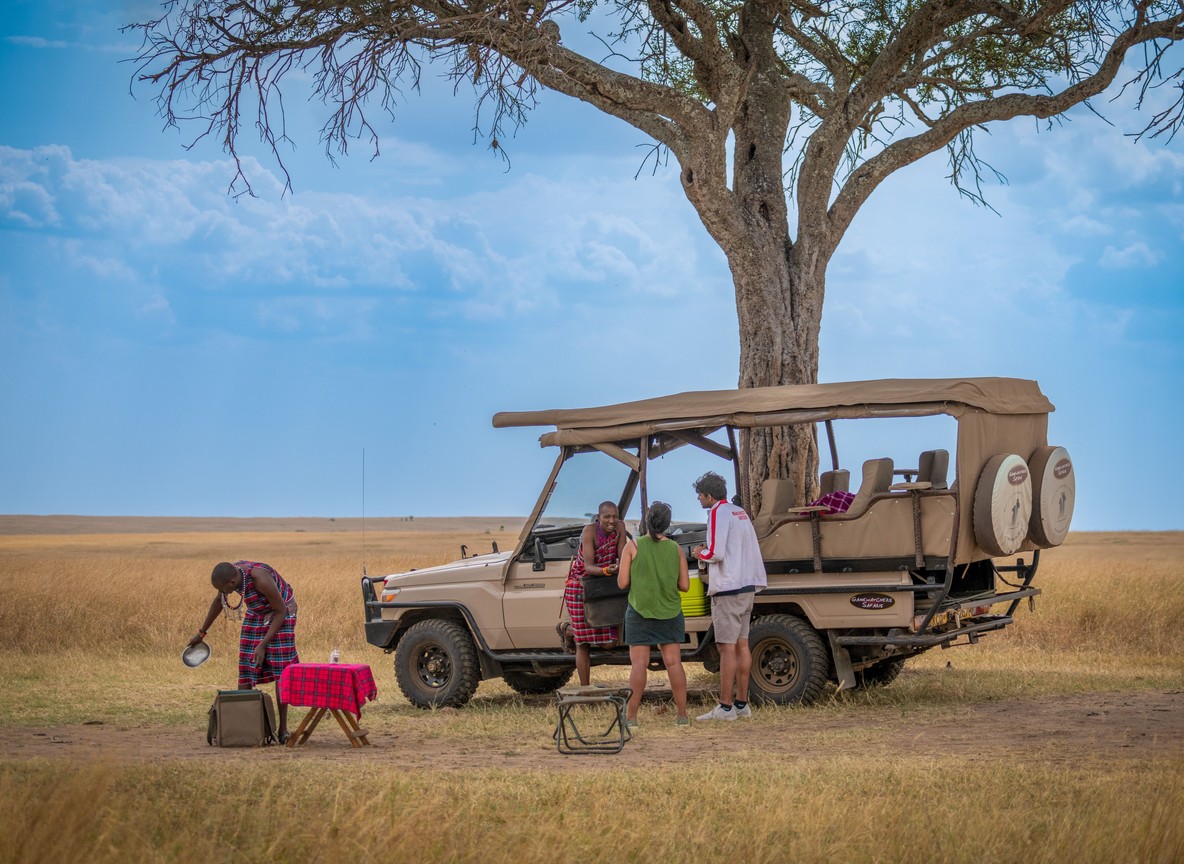
Gamewatchers Safaris was founded in 1980 by Jake Grieves-Cook and became one of the first Kenyan operators to lease land directly from Maasai communities for exclusive wildlife use rather than livestock grazing. Porini Camps is the small-camp brand under Gamewatchers, built around a simple rule: low bed counts, high land-lease payments, and no camp built inside a national park or reserve. Every Porini camp sits inside a private conservancy, which means the operator negotiates directly with the Maasai families who own the land, cutting out layers of bureaucracy that slow down community payouts elsewhere in Kenya’s tours and safaris industry.
The camps themselves stay deliberately small, usually under ten guest tents each, which keeps the ecological footprint low and preserves the sense of an exclusive, uncrowded safari. This is a different business calculation than a large lodge chasing occupancy volume. Fewer beds mean a lower ceiling on revenue per camp, but it also means the surrounding conservancy never has to absorb more vehicles or foot traffic than the land can sustain. That trade-off, choosing habitat health over maximum bed count, is a big part of why the ATTA panel singled out Gamewatchers and Porini this year rather than a larger operator with a bigger marketing budget.
The Community Conservancy Model Behind the Win
Kenya’s conservancy movement grew out of a simple economic problem: wildlife was worth more dead (through poaching or converted farmland) than alive, unless tourism revenue reached the people living alongside it. Gamewatchers addressed this by signing long-term leases with Maasai landowners, paying a fixed monthly fee per acre regardless of occupancy. This guarantees income even in slow tourism seasons, which is the detail most award panels focus on. Ol Kinyei Conservancy in the Masai Mara ecosystem, established in 2005, was one of the first conservancies built this way in Kenya, and Selenkay Conservancy near Amboseli, leased since 1998, is one of the oldest of its kind in the country.
Porini’s Conservancies and Camps at a Glance
| Camp | Conservancy | Region | Conservancy Size (approx.) | Established |
|---|---|---|---|---|
| Porini Lion Camp | Ol Kinyei Conservancy | Masai Mara ecosystem | ~60 km2 (6,000 hectares) | 2005 |
| Porini Mara Camp | Ol Kinyei Conservancy | Masai Mara ecosystem | ~60 km2 (6,000 hectares) | 2005 |
| Porini Amboseli Camp | Selenkay Conservancy | Amboseli ecosystem | ~60 km2 (6,000 hectares) | 1998 |
| Porini Rhino Camp | Ol Pejeta Conservancy | Laikipia | ~360 km2 (90,000 acres) | 1988 (Ol Pejeta as conservancy, 2004) |
Ol Pejeta Conservancy, where Porini Rhino Camp sits, is the largest black rhino sanctuary in East Africa and was home to the world’s last two northern white rhinos, Najin and Fatu, following the death of the male Sudan in 2018. That single fact tells you why conservancy-model tourism matters so much for endangered species. Land protected under a paying lease is land that stays wild.
Why Sustainable Tourism Matters for Kenya’s Wildlife
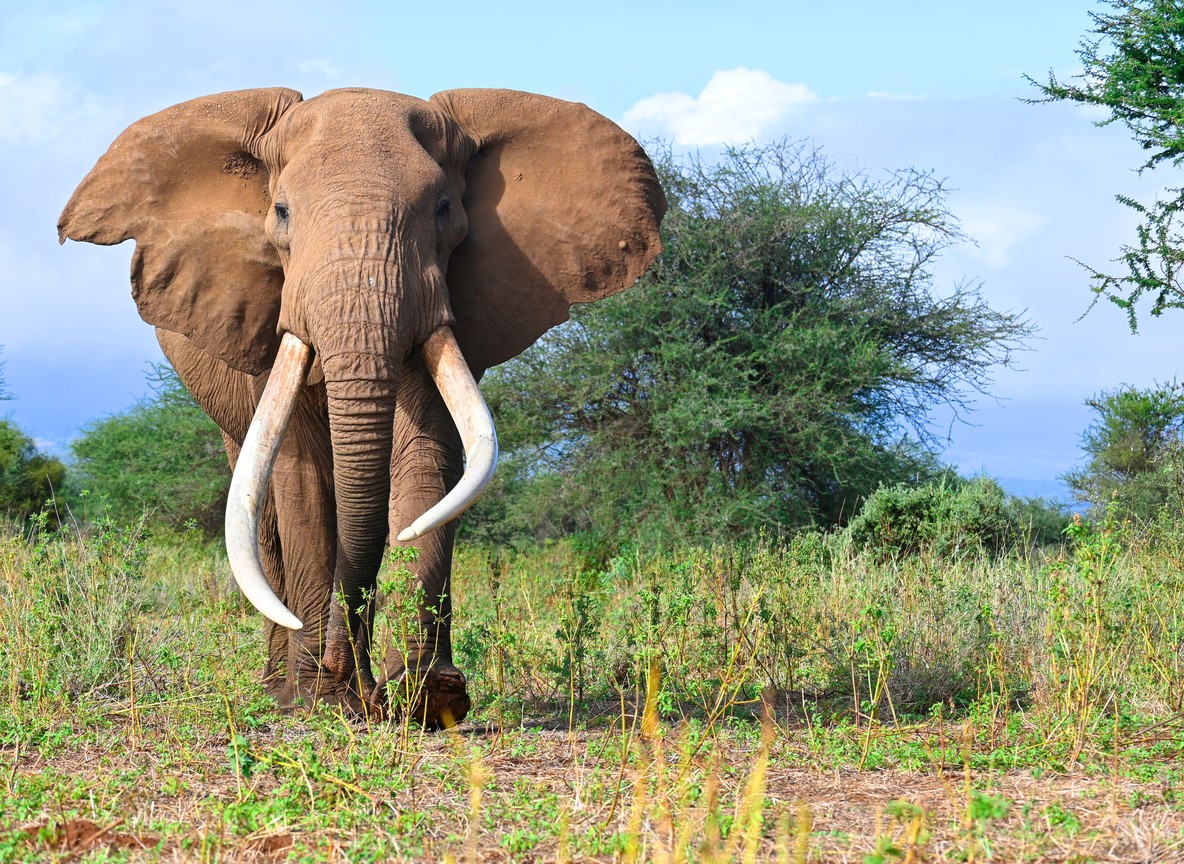
Kenya’s wildlife populations outside protected parks dropped sharply over the past four decades as grazing land converted to farms and fences went up around traditional migration corridors. Conservancies reverse that pressure by making wildlife the most reliable income source on a given piece of land. When a Maasai family earns steady lease income from a conservancy, that land stays open, fences come down, and animals like elephants, lions, and cheetahs regain corridors between protected areas. The ATTA award recognizes precisely this kind of measurable land-use change, not just good intentions in a company brochure.
Ol Pejeta Conservancy is the clearest example of what sustained conservancy income can achieve. Beyond hosting the world’s last two northern white rhinos, the conservancy has grown its black rhino population from a founding herd in the 1980s to well over 100 individuals today through active protection and habitat management funded largely by tourism and land-lease revenue. Ol Kinyei Conservancy in the Mara ecosystem tells a similar story on a smaller scale. Before it was fenced off from livestock grazing in 2005, wildlife density in the area was low. Within a few years of conservancy status, resident lion prides and cheetah numbers recovered enough that Ol Kinyei is now considered one of the more reliable predator-viewing conservancies in the wider Masai Mara region. These outcomes are exactly what ATTA judges look for when scoring a sustainable safari tourism application: verifiable population trends, not projected ones.
How Sustainable Safari Camps Compare
Not every eco-labeled camp in Kenya operates the same way. Here is how the conservancy model that earned Gamewatchers and Porini their award compares with other common safari accommodation types.
| Camp Type | Where It Sits | Community Revenue Model | Vehicle Density | Indicative Rate (per person/night) |
|---|---|---|---|---|
| Community conservancy camp (e.g., Porini model) | Private conservancy, outside national reserve | Fixed monthly land lease paid to landowners, regardless of occupancy | Capped, often 1 vehicle per sighting | USD 350 to 550 |
| National reserve lodge | Inside a gazetted reserve (e.g., Masai Mara National Reserve) | Government park fees, limited direct community share | Uncapped, can exceed 10 vehicles per sighting in peak season | USD 200 to 450 |
| Budget campsite or basic lodge | Reserve periphery or public land | Minimal to no lease payments to landowners | Variable | USD 80 to 180 |
All rates above are indicative planning ranges only, since camp pricing shifts by season and availability. Trunktrails Safaris confirms exact rates at the time of booking for every itinerary we build.
Distances and Access Points for Conservancy Safaris
If a conservancy-based safari is on your list after hearing about this award, here is what getting there actually involves from Nairobi.
| Destination | Route | Drive Time | Flight Time (Wilson Airport) |
|---|---|---|---|
| Ol Kinyei Conservancy, Masai Mara | ~280 km via Narok | ~5.5 to 6 hours | ~45 minutes to nearby Mara airstrips |
| Selenkay Conservancy, Amboseli | ~230 km via Emali | ~4 to 4.5 hours | ~30 to 40 minutes to Amboseli area airstrips |
| Ol Pejeta Conservancy, Laikipia | ~200 km via Nanyuki | ~3.5 to 4 hours | ~30 minutes to Nanyuki Airport |
The Trunktrails Advantage
Trunktrails Safaris is a Kenyan-owned operator, and awards like this one confirm the direction we already build our tours and safaris packages around. We route clients into private conservancies whenever the itinerary allows, because capped vehicle numbers mean better sightings and because lease payments reach Maasai landowners directly. Our guides work the Mara, Amboseli, and Laikipia ecosystems year-round, so when we recommend a conservancy stay over a busy reserve lodge, it comes from firsthand knowledge of which camps genuinely reinvest in the land and community around them. Trunktrails Safaris builds transparent, indicative pricing into every quote, so you know exactly what portion of your safari cost supports conservation before you book. Whether you are planning a first Kenya trip or a dedicated conservation-focused journey, Trunktrails Safaris can structure your tours and safaris itinerary around conservancy stays like the ones that just earned Gamewatchers and Porini this recognition.
ATTA Award Kenya Safari Tourism 2026: Quick Facts
| Fact | Detail |
|---|---|
| Award | 2026 ATTA award for sustainable safari tourism |
| Winning operator | Gamewatchers Safaris and Porini Camps |
| Founded | 1980, by Jake Grieves-Cook |
| Oldest conservancy in the portfolio | Selenkay Conservancy, Amboseli, leased since 1998 |
| Largest conservancy in the portfolio | Ol Pejeta Conservancy, Laikipia, approximately 360 km2 |
| Ecosystems covered | Masai Mara, Amboseli, Laikipia |
Frequently Asked Questions
What does a conservancy fee actually pay for? A conservancy fee funds the monthly land lease paid to the Maasai families or community trusts who own the land, plus rangers, anti-poaching patrols, and habitat management. It is separate from the camp’s nightly accommodation rate.
Can I visit Porini camps as part of a Trunktrails Safaris itinerary? Yes. Trunktrails Safaris works with conservancy-based camps across the Mara, Amboseli, and Laikipia ecosystems and can build a tours and safaris itinerary that includes conservancy stays alongside classic reserve game drives.
Is conservancy tourism more expensive than a standard safari? Generally yes, since nightly rates fund fixed land leases and low bed counts. Many travelers offset this by staying fewer nights in a conservancy and combining it with reserve-based lodges on the same trip.
Ready to Book a Conservancy-Based Safari?
Further reading
More safari planning resources
- Ol Pejeta and Sweetwaters safari package from Valley Safaris
- Amboseli National Park guide on Touring Insights
- Amboseli destination guide on FindMySafari
- Map of Amboseli from Valley Safaris
Awards like this one prove that sustainable safari tourism in Kenya is not just a marketing phrase, it is a business model that keeps wildlife corridors open and puts real income into Maasai hands. If you want your next trip to support that same model, Trunktrails Safaris can build it into your itinerary from day one. Message us on WhatsApp at +254 113 208888 or email info@trunktrailssafaris.com, and our team will map out a tours and safaris plan that balances conservancy stays, reserve game drives, and your budget. 🐘