A Masai Mara Cheetah Hunting Story: Following Ruka Through One Hunt on the Plains 🐆
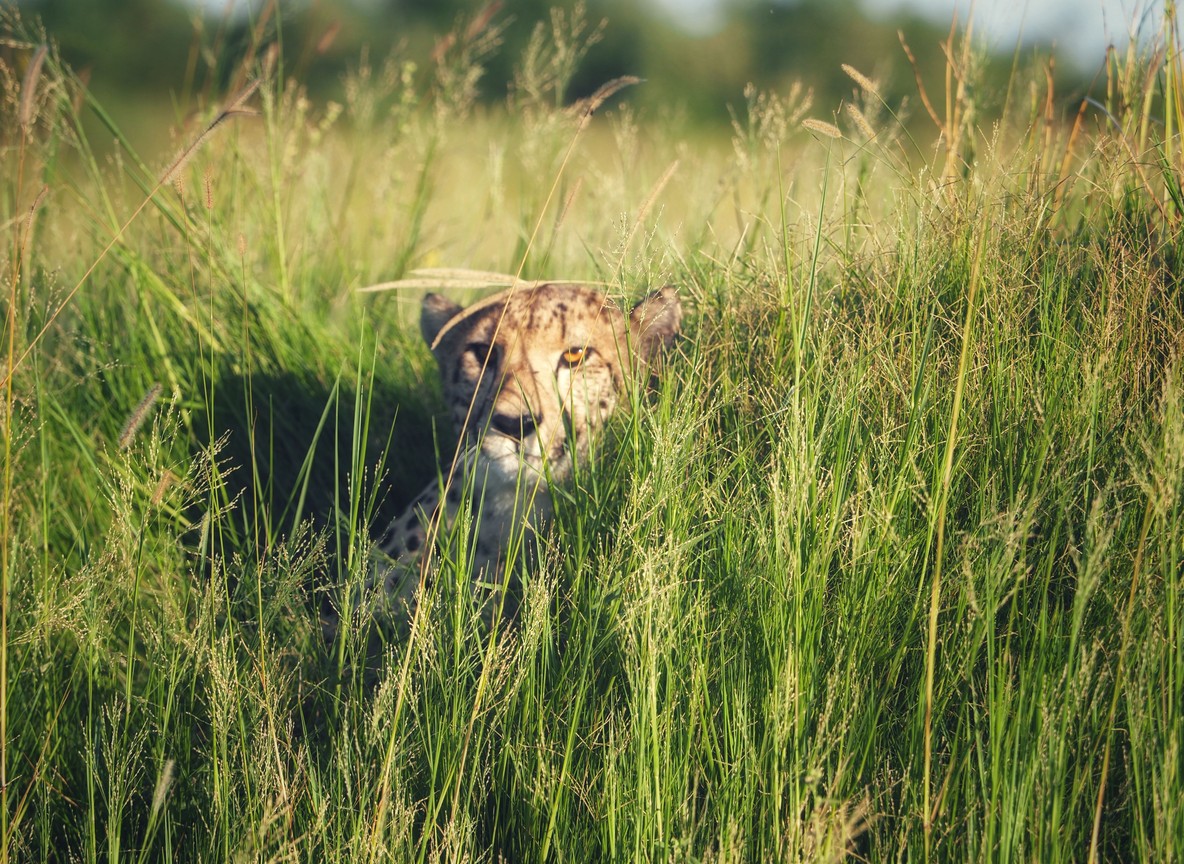
This Masai Mara cheetah hunting story starts the way most real ones do, with nothing happening for a long time. Our guide had cut the engine on the edge of Paradise Plains in the Mara Triangle at 8:15 in the morning, watching a lone female cheetah our team has come to call Ruka (Swahili for “to leap”) sit motionless on a termite mound. Guides across the Mara give resident cheetahs working names like this one to track individual cats across seasons, the same way researchers do. For twenty-five minutes she did not move. Then her head locked onto a scattered group of Thomson’s gazelle grazing 400 metres downwind, and everything changed at once.
At Trunktrails Safaris, we build entire morning game drives around exactly this kind of patience, because a real cheetah hunt on tours and safaris through the Mara Triangle rewards guests who are willing to sit still and wait for the plains to move first.
Meet Ruka: A Resident Female of the Mara Triangle
Ruka is one of an estimated 200-plus individually identified cheetahs the Mara Cheetah Project, run by the Kenya Wildlife Trust, has tracked across the greater Masai Mara ecosystem since 2013. She holds a home range overlapping Paradise Plains and Rhino Ridge inside the Mara Triangle, the roughly 510 square kilometre western section of the reserve managed by the Mara Conservancy. This is also the territory made famous by Tano Bora, the coalition of male cheetahs whose hunts were documented so widely they became one of Kenya’s most recognisable cheetah stories.
Female cheetahs like Ruka hunt alone, unlike the male coalitions. That solitary style changes everything about how a hunt actually unfolds, and it is why our guides get genuinely excited when they spot a lone female settling into a stalk.
Why a Cheetah Hunt Looks Nothing Like a Lion Hunt
Lions hunt in prides, using numbers and ambush positioning to compensate for average speed. Leopards rely on stealth and a final short pounce from cover, often at night. Cheetahs do neither. Ruka’s whole strategy depends on a body built for one explosive event rather than a coordinated siege, and that shapes every decision she makes in the ten minutes before she commits to a chase.
| Trait | Cheetah | Lion | Leopard |
|---|---|---|---|
| Hunting style | Solitary or small coalition, daytime stalk and sprint | Pride ambush, cooperative | Solo stalk, ambush from cover |
| Top speed | approx. 100-120 km/h in short bursts | approx. 50-60 km/h | approx. 58 km/h |
| Typical chase distance | 200-400 metres before overheating | Short ambush rush, rarely over 100 metres | Very short final pounce, under 10 metres |
| Hunting success rate | approx. 50-58% per attempt (highest of Africa’s big cats) | approx. 25-30% per attempt | approx. 38% per attempt |
| Kill loss to other predators | Loses a meaningful share of kills to lions and hyenas in shared territory | Rarely loses kills | Often drags kills into trees to avoid loss |
Figures are indicative averages drawn from published cheetah and big cat behavioural research; actual outcomes vary by individual, season and prey density.
8:40 AM: The Stalk Begins on Paradise Plains
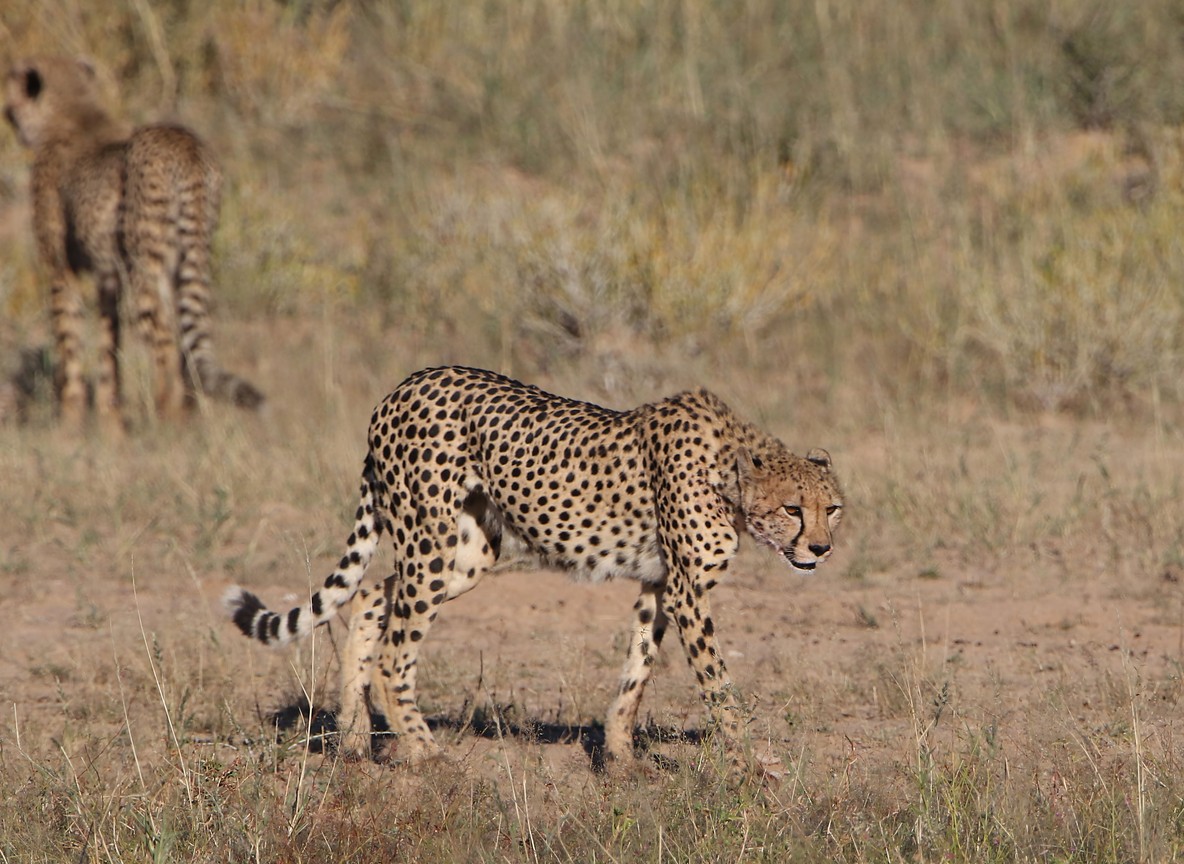
Once Ruka locked onto the gazelle herd, she dropped from a sit into a low crouch, belly nearly brushing the grass. For the next eighteen minutes she moved in short, silent bursts, freezing completely whenever a gazelle lifted its head. This is the part of a masai mara cheetah hunting story that rarely makes it into wildlife documentaries, because it looks like almost nothing is happening. In reality, Ruka was closing the gap from 400 metres to just under 60, the rough distance a cheetah needs before a sprint has any real chance of connecting.
Cheetahs have no strength advantage over gazelle at close range and cannot afford a long chase, so positioning before the sprint matters more than raw speed. Guides watching from the vehicle can usually tell a hunt is imminent by the flattened ears and the stillness in the shoulders, seconds before the cat actually moves.
The Chase: Inside a 300-Metre Sprint at Full Speed
At 8:58, Ruka broke from the crouch into a full sprint. A cheetah can accelerate from a standstill to around 100 km/h in roughly three seconds, using an oversized heart, enlarged nasal passages for extra oxygen intake, and a long flexible spine that acts like a spring with every stride. Her tail worked as a rudder, whipping side to side to counter the gazelle’s zigzag evasion.
The chase covered close to 300 metres in under fifteen seconds. That is close to the outer limit of what a cheetah’s body can sustain. Overheating is the real constraint on a cheetah hunt, not muscle fatigue, and a sprint pushed much past 400 to 500 metres risks the cat’s body temperature climbing to dangerous levels. Ruka’s gazelle cut hard to the left at the last moment, and she matched the turn using a dewclaw on her front paw that functions almost like a cleat, digging into the ground for traction.
The Kill, and the Race Against Time
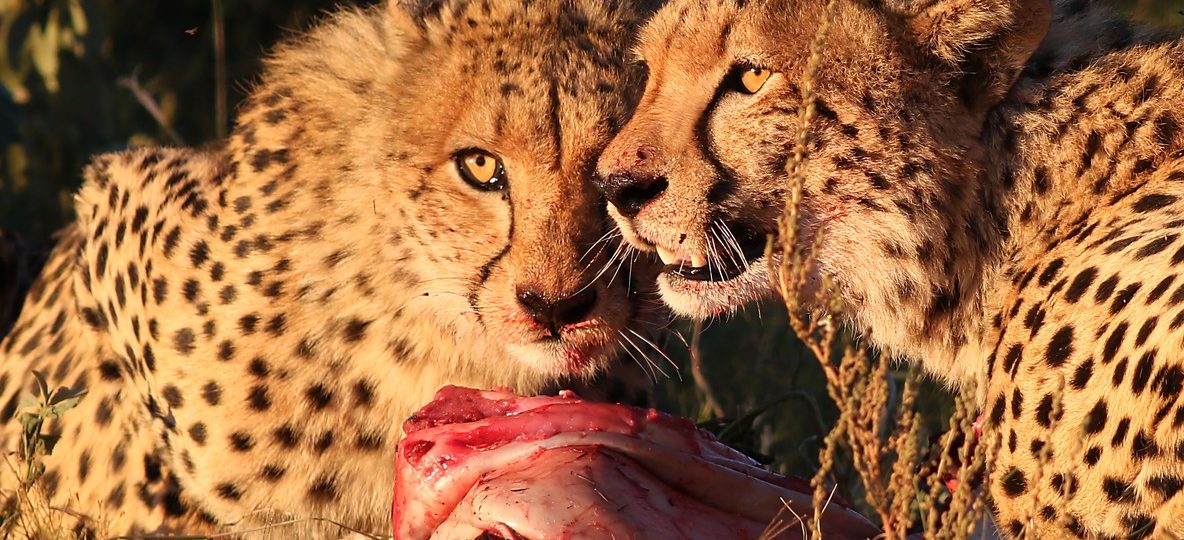
Ruka made contact with a trip and a throat hold, the standard cheetah kill technique, using her weight and forelimbs to knock the gazelle off balance before suffocating it. Within ninety seconds it was over. This is where a real masai mara cheetah hunting story usually gets tense in a different way. Cheetahs are built for speed, not for defending a kill, and Ruka spent the next several minutes scanning the horizon while she fed, because lions, hyenas and even vulture flocks can strip a cheetah of its meal within minutes of a successful hunt.
On this morning she fed uninterrupted for close to twenty minutes before retreating to nearby cover, a genuinely good outcome. Cheetahs in the Mara Triangle lose a meaningful share of their kills to larger predators or scavengers, one reason cheetah numbers stay lower than lion numbers here despite a higher per-attempt hunting success rate.
When and Where to See a Cheetah Hunt in the Masai Mara
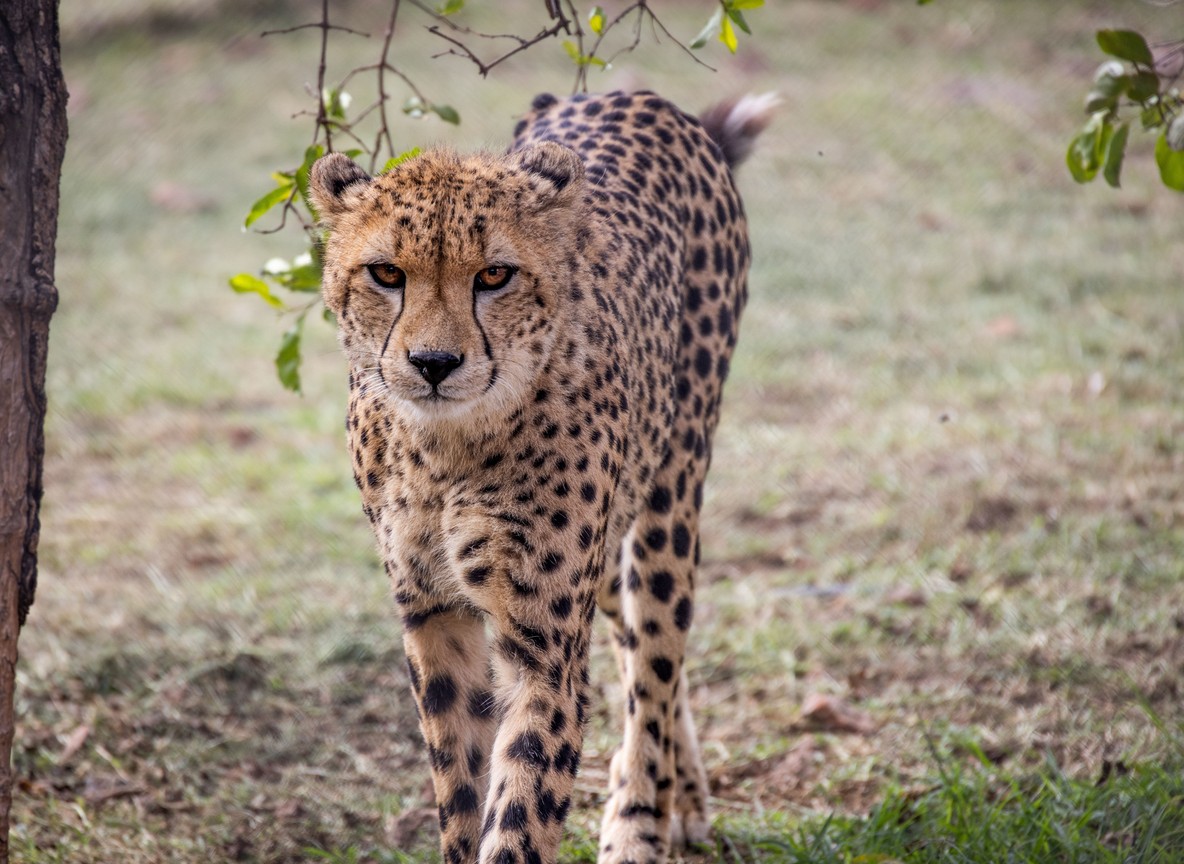
Cheetahs hunt almost exclusively by day, unlike lions and leopards, which makes them one of the most reliable big cats to actually watch in action rather than just photograph resting. Open, short grass plains with good visibility give cheetahs the sightlines they need, which is exactly why the Mara Triangle and the plains around the Mara River corridor produce so many documented hunts.
| Location | Size / Distance from Nairobi | Best Cheetah Zones | Access | Indicative Conservation Fee |
|---|---|---|---|---|
| Mara Triangle (Mara Conservancy) | approx. 510 km² / approx. 270 km, 5-6 hrs drive or 45 min flight to Musiara or Mara Serena airstrip | Paradise Plains, Rhino Ridge, Topi Plains | Oloololo Gate | approx. USD 80-100 per person, per day (peak season) |
| Masai Mara National Reserve (main) | approx. 1,510 km² total reserve | Talek River plains, Musiara Marsh edges | Sekenani, Oloolaimutia, Talek Gates | approx. USD 80-100 per person, per day (peak season) |
| Naboisho Conservancy (adjacent) | approx. 200 km² | Open plains bordering the reserve | Via Talek area | approx. USD 70-90 per person, per day |
Fees and access figures are indicative ranges for planning only and change seasonally; Trunktrails Safaris confirms exact current rates and gate logistics for every booking.
The best hunting windows fall in the cooler hours, roughly 6:30 to 9:30 in the morning and again from 4:00 to 6:30 in the evening, when temperatures stay low enough for a cheetah to risk the metabolic cost of a full sprint. Camps positioned inside or near the Mara Triangle, such as Kicheche Mara Camp and Mara Serena Safari Lodge, put guests closer to Paradise Plains and cut down on drive time to prime cheetah territory each morning.
The Trunktrails Advantage
A cheetah hunt is not guaranteed on any single game drive, and no operator can promise otherwise. What Trunktrails Safaris can promise is positioning built around the odds. Our guides track resident cheetahs like Ruka across seasons and route our tours and safaris through the open plains where a hunt is actually possible to witness, not just hoped for.
As a Kenyan-owned operator, Trunktrails Safaris keeps our guiding team in the Mara Triangle year-round, which means we know which termite mounds a resident female favours and which plains hold the highest gazelle density in a given month. Every one of our tours and safaris through this ecosystem is built to put you in the right place at the right hour, with a guide who can read a stalk building long before the sprint begins. That is the difference between driving past cheetahs and actually following one through a hunt.
Frequently Asked Questions
How likely am I to see a cheetah hunt on a Masai Mara safari? No sighting is guaranteed, but the Mara Triangle’s open plains and healthy resident cheetah population make it one of the most consistent places in Africa to witness a full stalk-to-kill sequence, especially during early morning and late afternoon game drives.
Why do cheetahs hunt during the day when lions hunt at night? Cheetahs rely on eyesight and speed rather than ambush and darkness, and daylight also helps them spot rival predators like lions and hyenas that could steal a kill.
Is it safe to watch a cheetah hunt up close? Yes, when guided properly. Trunktrails Safaris keeps vehicles at a respectful, non-disruptive distance throughout every stalk and chase, following Mara Conservancy guidelines so the hunt plays out naturally.
See a Hunt Like Ruka’s for Yourself
Ruka is still out there on Paradise Plains, and so are dozens of other resident cheetahs across the Mara Triangle waiting for their own morning to unfold. The only way to know what a real masai mara cheetah hunting story feels like is to be sitting in the grass when it happens.
Further reading
More safari planning resources
- Interactive Maasai Mara map from Valley Safaris
- Maasai Mara National Reserve guide on Touring Insights
- Masai Mara destination guide on FindMySafari
- Big Five safari collection on FindMySafari
Message Trunktrails Safaris on WhatsApp at +254 113 208888 or email info@trunktrailssafaris.com to build a Mara Triangle itinerary timed around peak cheetah activity hours. Our guides will get you onto Paradise Plains at first light, right when the plains start to move. 🐆