69 New Guardians: How Kenya Trains Community Scouts to Protect Its Wildlife 🦁
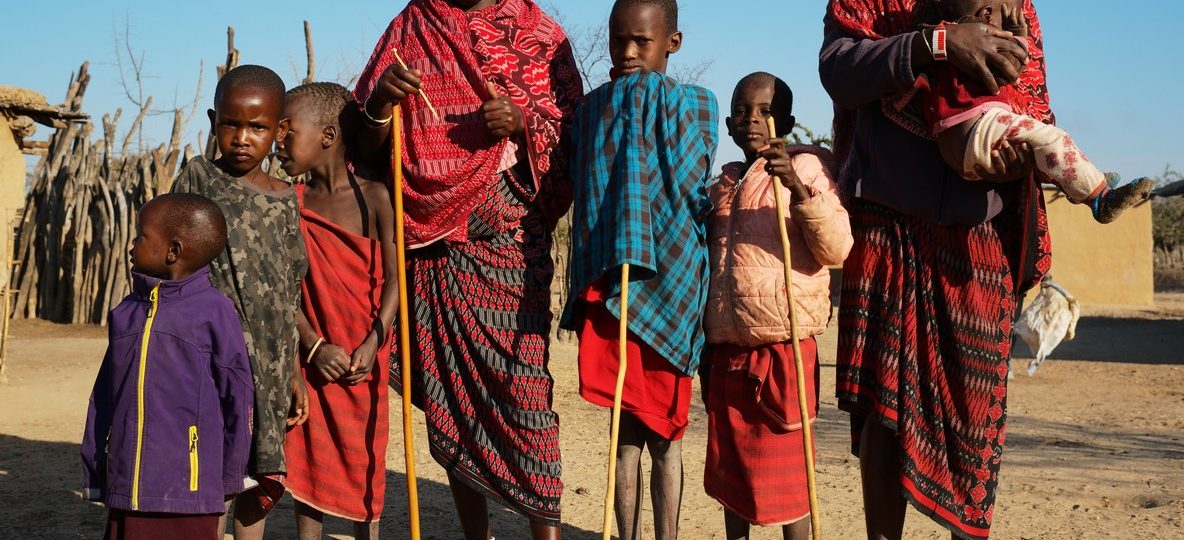
A fresh cohort of Kenya community wildlife scouts recently completed training and stepped into one of the toughest jobs in conservation. Sixty-nine recruits graduated into a ranger network that patrols savannah, forest, and rangeland across the country, often on foot, often unarmed against snares and firearms alike. Their work protects the same elephants, lions, and rhinos that make a Kenya tours and safaris trip worth booking in the first place.
At Trunktrails Safaris, we work alongside conservancies that employ these scouts every day. This guide explains how Kenya wildlife rangers training actually works, who trains the trainers, and where these guardians serve across the country’s parks and community conservancies.
What the 69 New Guardians Represent
The graduation of 69 community scouts is not a one-off event. It is part of a continuous pipeline that Kenya Wildlife Service (KWS) and partner conservancies run to keep pace with growing pressure on wildlife habitat. Human settlement is expanding into migration corridors, livestock grazing overlaps with predator territory, and snaring for bushmeat remains a persistent threat in several ecosystems. Each new class of scouts adds boots on the ground in places where KWS alone cannot maintain constant presence.
Most of this training happens through the KWS Law Enforcement Academy in Manyani, Tsavo West, roughly 280 km from Nairobi (about a 4-hour drive along the Mombasa Road). Manyani has served as Kenya’s main paramilitary-style ranger training school for decades, and it remains the anchor institution behind the community conservancy scout model used across the country today.
How Kenya Wildlife Rangers Training Actually Works
Kenya wildlife rangers training combines physical conditioning, fieldcraft, and legal instruction. Recruits drill in weapons handling, patrol formation, and survival skills, but they also study wildlife law, evidence collection, and courtroom procedure, since a scout who cannot testify credibly in court cannot get a poaching case to stick. Tracking is taught alongside first aid and human-wildlife conflict mediation, because a scout’s daily reality includes chasing off crop-raiding elephants as often as it includes chasing poachers.
Community scouts differ from KWS rangers in one key way: they are hired locally, often from the same group ranches and conservancies where they will patrol. This matters more than it sounds. A scout from Naboisho knows which family’s cattle boma sits near a known leopard den. A scout recruited from outside the area does not have that knowledge on day one, and gaining it costs valuable time.
Community Conservancy Scouts Kenya: The Local-First Model
The Maasai Mara Wildlife Conservancies Association (MMWCA) coordinates community scouts across 15 registered conservancies bordering the Masai Mara National Reserve, covering roughly 1,400 square kilometers of private and community land. Each conservancy, including Naboisho, Mara North, and Olare Motorogi, employs its own scout unit, funded largely through conservancy land-lease fees paid by camps and lodges operating inside their boundaries.
Further north, the Northern Rangelands Trust (NRT) runs a larger network still. NRT supports 39 member conservancies spread across roughly 63,000 square kilometers of northern and coastal Kenya, including Namunyak, Sera, and Westgate. NRT’s community ranger corps numbers in the hundreds across its member conservancies, and it was among the first organizations in Kenya to prove that community-owned conservation land could rival state-run reserves for wildlife density, including East Africa’s last significant population of the endangered Grevy’s zebra.
Anti-Poaching Rangers Kenya: What the Job Involves Day to Day
Anti-poaching rangers in Kenya rarely spend their days chasing armed poachers through the bush, even though that image dominates the headlines. Most patrol hours go into snare sweeps, livestock-predator conflict response, and community liaison work, explaining why a fence line matters or mediating after a lion kills someone’s goats. When incidents do escalate, rapid-response units step in.
The Mara Elephant Project runs a dedicated Rapid Response Team and a K9 tracking unit inside the wider Masai Mara ecosystem, deployed by helicopter or vehicle when elephants break into farmland or when a poaching incident is reported. In the Amboseli-Tsavo-Kilimanjaro landscape, Big Life Foundation employs more than 300 rangers, including Team Lioness, Kenya’s first all-women ranger unit, based out of Eselenkei Conservancy since 2019. These units work hand in hand with community scouts, who typically make first contact and call in specialist support when a situation exceeds their equipment or authority.
Where These Guardians Serve
| Organization | Coverage Area | Approx. Scale | Nearest Access Point |
|---|---|---|---|
| KWS Law Enforcement Academy (Manyani, Tsavo West) | National training hub | Trains hundreds of rangers and scouts annually | ~280 km / 4-hour drive from Nairobi via Mombasa Road |
| Maasai Mara Wildlife Conservancies Association | 15 conservancies, ~1,400 km2 around the Masai Mara | Several hundred community scouts across member conservancies | ~270-300 km / 5-6 hours from Nairobi, or 45-minute flight to Mara airstrips |
| Northern Rangelands Trust | 39 member conservancies, ~63,000 km2 across northern and coastal Kenya | Several hundred community rangers network-wide | ~340 km / 6-7 hours from Nairobi to Namunyak area, or ~1-hour flight to Samburu region airstrips |
| Big Life Foundation | Amboseli-Tsavo-Kilimanjaro cross-border ecosystem | 300+ rangers, including Team Lioness | ~240 km / 4-hour drive from Nairobi, or 45-minute flight to Amboseli Airstrip |
| Mara Elephant Project | Masai Mara ecosystem | Rapid Response Team + K9 tracking unit | Deployed within the greater Masai Mara conservancy network |
All figures above are indicative estimates based on publicly reported program scale, since ranger headcounts shift with funding cycles and new graduating classes.
Wildlife Conservation Jobs Kenya: Why Local Recruitment Matters
Wildlife conservation jobs in Kenya increasingly favor a local-first hiring model, and the reasoning is economic as much as ethical. When a household earns a steady wage from conservancy scouting rather than from poaching or unregulated grazing, that household has less incentive to work against conservation goals. Conservancy land-lease payments and scout salaries together give communities a direct financial stake in keeping wildlife alive, which is a more durable strategy than fencing and enforcement alone.
This local-first approach also improves intelligence gathering. Poaching networks depend on local knowledge to move undetected, and a scout drawn from the same community can often spot outsiders or unusual activity long before a wildlife crime occurs. That early warning function may be the single most valuable thing community scouts contribute, ahead of arrests or seizures.
The Numbers Behind Kenya’s Ranger Network
| Metric | Detail |
|---|---|
| New scouts in this graduating class | 69 |
| Main national training center | KWS Law Enforcement Academy, Manyani, Tsavo West |
| Distance from Nairobi to Manyani | ~280 km, approximately 4-hour drive |
| MMWCA conservancy coverage | ~1,400 km2 across 15 conservancies around the Masai Mara |
| Northern Rangelands Trust coverage | ~63,000 km2 across 39 member conservancies |
| Big Life Foundation ranger force | 300+ rangers, including the all-women Team Lioness unit |
The Trunktrails Advantage
Trunktrails Safaris is a Kenyan-owned operator, and we route a portion of every conservancy stay directly toward the community scout teams who make that stay possible. When you book a camp inside Naboisho, Mara North, or the NRT conservancies of northern Kenya, part of your conservancy fee funds the rangers patrolling the land you are visiting. We brief every guest on how scout teams operate, because understanding who protects the wildlife you came to see adds real depth to a safari. Trunktrails Safaris also works with lodges that hire local scouts directly, so your tours and safaris booking supports the exact community-first model this guide describes. Every itinerary we build for wildlife-focused travelers includes time with guides who can speak firsthand about conservation work happening on the ground, not just recite facts from a vehicle window. Trunktrails Safaris measures a good conservancy stay by whether it leaves that landscape better protected than it found it.
Frequently Asked Questions
How long does community scout training take in Kenya? Basic instruction runs from several weeks to a few months depending on the sponsoring organization, followed by ongoing specialized modules in tracking, first aid, and human-wildlife conflict response. KWS-affiliated courses at Manyani tend to run longer than shorter conservancy-specific refresher courses.
Are community scouts armed? It depends on the organization and legal authority granted. Some community scouts operate unarmed and rely on KWS or county security backup for armed response, while others hold formal deputation that allows limited arms use under strict protocol.
Can safari guests meet community scout teams? Yes, in many conservancies. Naboisho, Mara North, and several NRT conservancies in northern Kenya arrange guest visits or briefings with scout teams as part of a conservancy stay. Trunktrails Safaris can build this into your itinerary on request.
Do conservancy fees really fund these scouts? Yes. Conservancy land-lease and bed-night fees are the primary funding source for community scout salaries and equipment in most Masai Mara and northern Kenya conservancies, which is why choosing a conservancy-based stay over a public reserve stay has a direct conservation impact.
See This Work for Yourself
Further reading
More safari planning resources
- Interactive Maasai Mara map from Valley Safaris
- Maasai Mara National Reserve guide on Touring Insights
- Masai Mara destination guide on FindMySafari
- Nairobi to Maasai Mara route guide from Valley Safaris
The 69 new guardians who just graduated will spend the coming years walking the same landscapes that Trunktrails Safaris guests visit every week. Book a conservancy stay with us and you put real money behind the community scouts protecting elephants, lions, and rhinos in the Masai Mara and beyond. Message us on WhatsApp at +254 113 208888 or email info@trunktrailssafaris.com, and we will build a tours and safaris itinerary that puts you face to face with the conservation work behind every sighting. 🌍