KWS Vets Save a Snared Zebra at Mount Longonot: A Day in Kenya’s Wildlife Rescue Work 🦓
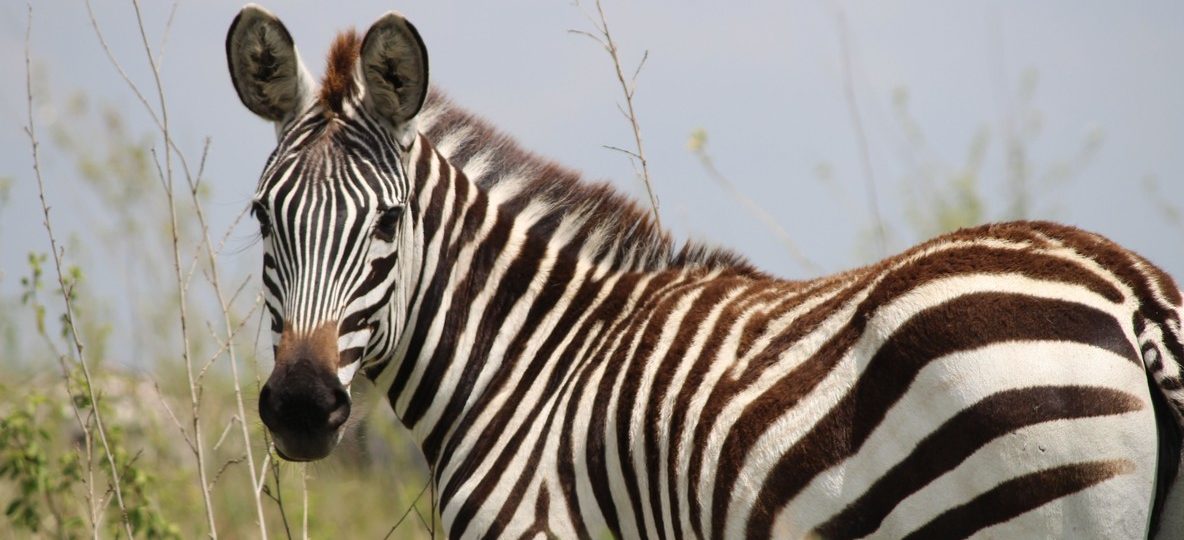
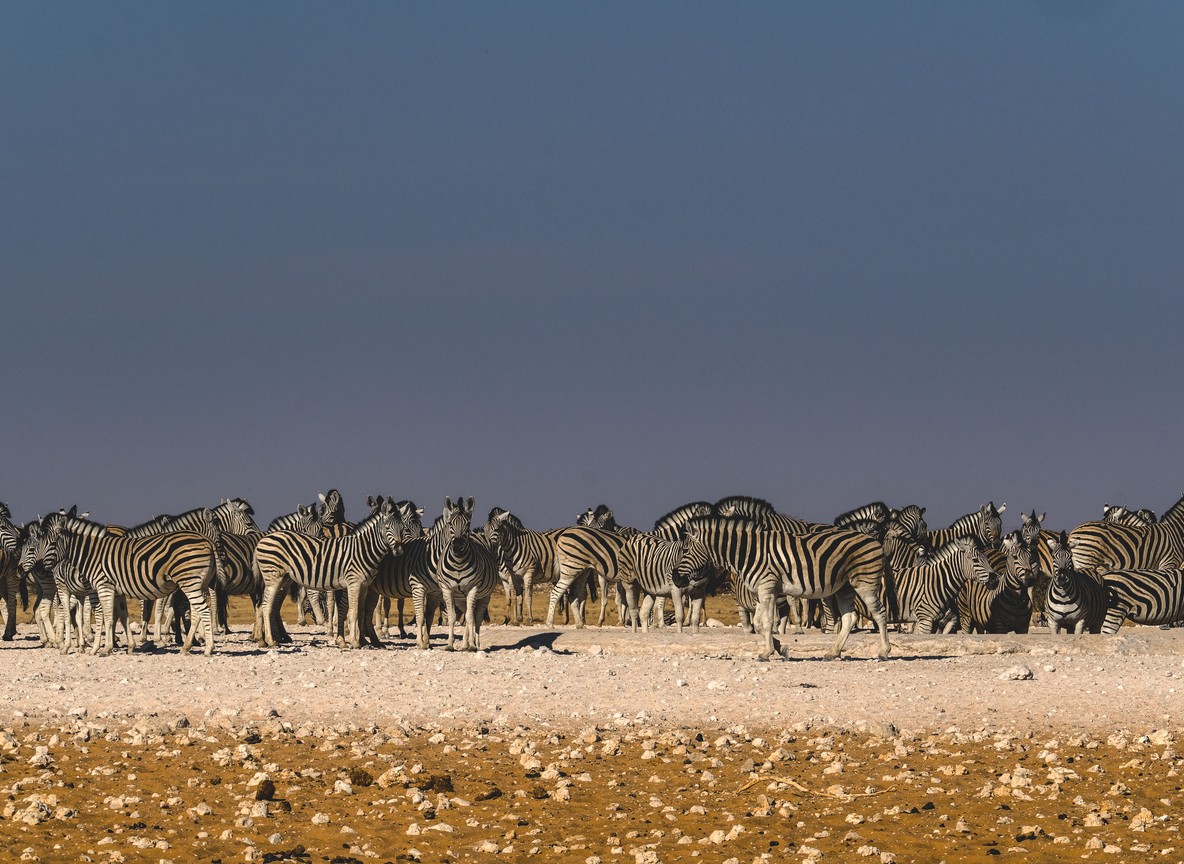
A zebra rescue at Mount Longonot does not look like a movie scene. It looks like a KWS ranger radioing in coordinates. A vet truck grinds up a dirt track. Then a team works fast in the heat before a wild animal wakes up. In 2026, a Kenya Wildlife Service Mobile Veterinary Unit answered exactly that kind of call. A plains zebra had been caught in two separate wire snares near the crater floor, one tightening around its leg and another close to its neck. The team darted the animal, cut both snares free, treated the wounds, and reversed the anesthetic before the zebra rejoined its herd.
This single callout says a lot about how wildlife protection actually works in Kenya, away from the game drive brochures. At Trunktrails Safaris, we think travelers who understand this side of conservation get more out of every sighting on tours and safaris across the country. Here is what happened, why snares remain such a persistent threat, and how you can visit Mount Longonot and see the results of this work firsthand.
Why Mount Longonot Has a Snaring Problem
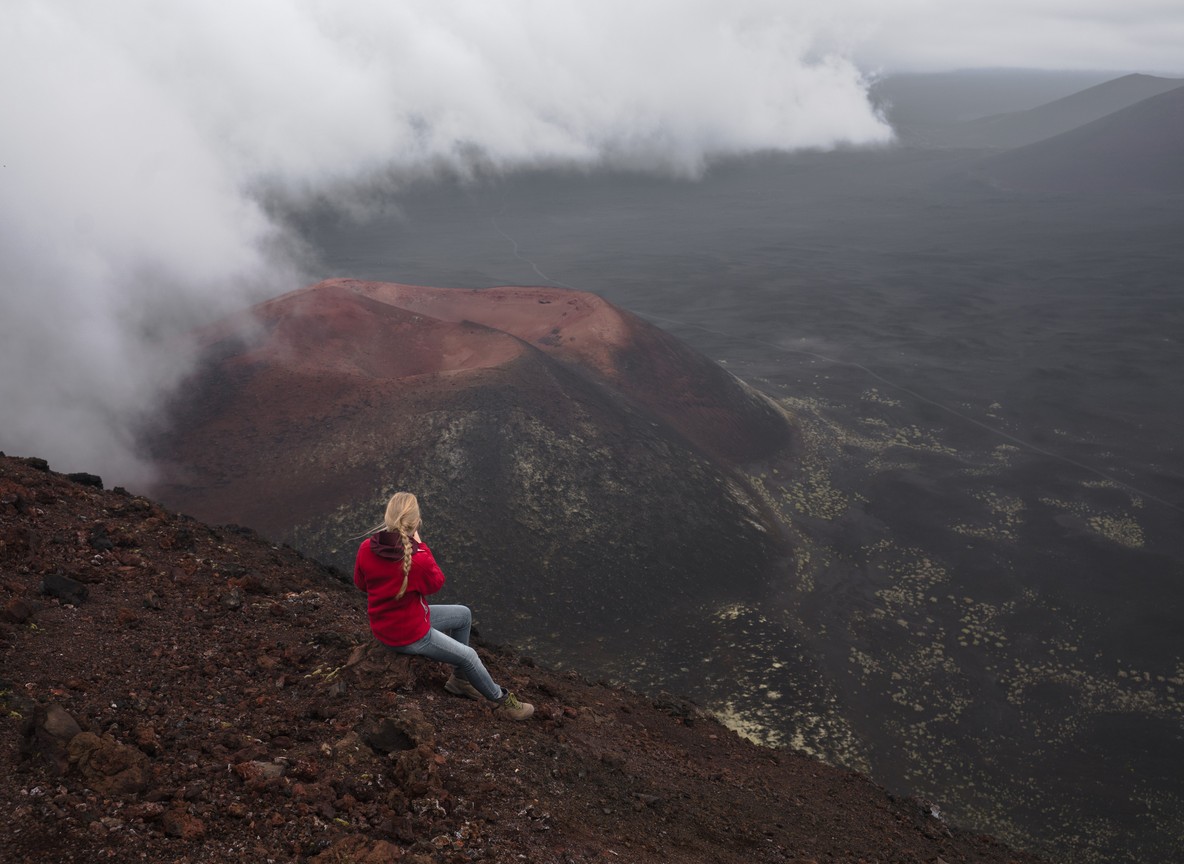
Mount Longonot National Park sits inside the Great Rift Valley, roughly 90 km northwest of Nairobi, about a 1.5 to 2 hour drive along the A104 highway. The park protects a dormant stratovolcano and its crater floor, covering approximately 52 km². That is small compared to Amboseli or the Maasai Mara. Still, the crater floor and outer slopes hold a resident population of plains zebra, buffalo, giraffe, eland and gazelle.
The park’s edge runs close to farmland and grazing land used by communities around Naivasha and Suswa. Wire snares are usually set for bushmeat species like dik-dik or duiker, cheap and easy to make from fencing wire or cable. Zebra and other larger animals wander into them anyway. Mount Longonot is a walking park, so no game-drive vehicles are allowed on the crater floor. Ranger patrols on foot are often the ones who spot an injured animal first. That is exactly how this callout started.
Inside the Rescue: What a KWS Vet Callout Involves
Kenya Wildlife Service runs regional Mobile Veterinary Units staffed by a wildlife vet, a driver and field assistants, each truck loaded with dart guns, anesthetic drugs and field suture kits. The Rift Valley unit covering Mount Longonot, Hell’s Gate and the wider Naivasha area responded within hours of the ranger report.
Darting a zebra carries real risk that differs from darting an elephant or a big cat. Zebra are highly susceptible to capture myopathy, a stress-related muscle condition that can kill an animal even after a technically successful rescue. So the team works to keep the chase and immobilization time as short as possible. Once the zebra went down, the ground crew moved fast. They cut the neck snare first since it posed the greater risk, then the leg snare. Next came the wound cleaning, antibiotics, and the reversal drug. The whole hands-on window typically runs under 30 minutes for a case like this. Within the hour, the zebra stood, rejoined a nearby group, and moved off.
Two Snares, Two Different Dangers
Wire snares injure animals differently depending on where they catch. A leg snare tightens with movement and can cut to the bone within days, often leading to permanent lameness or a fatal infection if untreated. Worse still is a neck snare, since it can restrict breathing or slowly strangle the animal as it tries to graze and struggle free. A zebra caught in both, as in this case, faces compounding injuries. Only a fast, coordinated vet response makes the difference between survival and a slow death in the bush.
Mount Longonot vs. Hell’s Gate: Two Rift Valley Parks Compared
Visitors to Naivasha often ask whether to prioritize Mount Longonot or the neighboring Hell’s Gate National Park, since both sit within a short drive of each other and both allow walking or cycling among wildlife.
| Feature | Mount Longonot National Park | Hell’s Gate National Park |
|---|---|---|
| Distance from Nairobi | approx. 90 km / 1.5-2 hrs drive | approx. 100 km / 1.5-2 hrs drive |
| Distance from Naivasha town | approx. 15 km / 20-25 min | approx. 10 km / 15-20 min |
| Park size | approx. 52 km² | approx. 68 km² |
| Main activity | Crater rim hike, 7.2 km loop, 2,776 m summit | Cycling or walking among zebra, giraffe and buffalo on the valley floor |
| Non-resident entry fee (indicative) | approx. USD 25-30 per adult | approx. USD 25-30 per adult |
| Zebra sightings | Common on crater floor and outer slopes | Common near Fischer’s Tower and the gorge trail |
Fees and distances are indicative and can change; confirm current KWS rates before travel.
Where This Work Happens: Real Places, Real Numbers
Wildlife rescue in the Rift Valley is not one facility but a coverage zone stretching across several protected areas near Naivasha.
| Location | Role in This Story | Distance/Time from Nairobi | Scale |
|---|---|---|---|
| Mount Longonot National Park (Longonot Gate) | Site of the zebra rescue | approx. 90 km / 1.5-2 hrs drive | approx. 52 km², crater rim summit at 2,776 m |
| KWS Rift Valley Mobile Veterinary Unit (Naivasha base) | Field trauma response for snared wildlife | approx. 90-100 km / 1.5-2 hrs drive | Covers Longonot, Hell’s Gate and surrounding group ranches |
| Hell’s Gate National Park (Elsa Gate) | Neighboring park, same coverage zone | approx. 100 km / 1.5-2 hrs drive | approx. 68 km² |
| Lake Naivasha shoreline | Nearest overnight base for visitors | approx. 5-15 km from either park gate | Freshwater lake, popular boat and birding base |
Distances and drive times are approximate and vary with road conditions and gate used.
Why Snare Removal Numbers Matter for Travelers
Kenya’s anti-poaching and snare removal effort has scaled up considerably in recent years. KWS and partner conservancies jointly clear well over a thousand snares annually across high-risk landscapes. Every snare pulled from the ground before it catches an animal counts as a rescue that never had to happen. For a traveler booking tours and safaris, this context changes how a zebra sighting reads. That healthy-looking herd on the crater floor is not an accident. It is the outcome of patrols, vet callouts and community engagement happening year-round, often unseen by visitors.
The Trunktrails Advantage
Trunktrails Safaris builds Rift Valley context into every itinerary that passes through Naivasha, whether guests are hiking the Longonot crater rim or cycling past zebra at Hell’s Gate. Understanding what protects these animals changes how a sighting feels. Our guides are trained to share that story on the trail, not just point out wildlife from a vehicle window.
As a Kenyan-owned operator, Trunktrails Safaris works with guides who grew up near these conservancies and know the rangers and vet teams by name. Booking tours and safaris with Trunktrails Safaris means your visit supports the same landscapes this rescue work exists to defend. We time crater hikes for cooler morning hours and pair them with a Lake Naivasha boat trip in the afternoon. Every guest gets a briefing on responsible wildlife-viewing distance before setting out. Trunktrails Safaris treats conservation as part of the experience, not a footnote added at the end.
Frequently Asked Questions
Can I see zebra at Mount Longonot National Park? Yes. Plains zebra are among the most commonly spotted animals on the crater floor and outer slopes, alongside buffalo, giraffe and eland. Since this is a walking park, sightings happen at close range on foot with a ranger guide.
Is it safe to hike Mount Longonot with wildlife present? Yes, when hiking with a licensed guide or ranger as required by KWS rules. Buffalo present the main safety consideration on the crater floor, and guides know current animal movement before setting out.
What happens to a snare after KWS removes it? Rangers log the snare’s location and type as part of ongoing anti-poaching data collection, which helps Mobile Veterinary Units and patrol teams identify high-risk zones for future sweeps.
Plan a Kenya Trip That Sees the Full Story
A zebra rescue at Mount Longonot is a reminder that every animal on a Kenya safari has a protection story behind it. Seeing that story firsthand, not just the wildlife, is what turns a good trip into one worth talking about for years.
Further reading
More safari planning resources
- Rift Valley lakes map from Valley Safaris
- Big Five safari parks guide on Touring Insights
- Compare Kenya safari packages on FindMySafari
- Nairobi to Maasai Mara route guide from Valley Safaris
Message Trunktrails Safaris on WhatsApp at +254 113 208888 or email info@trunktrailssafaris.com. We will build a Rift Valley itinerary that includes the Mount Longonot crater hike, Hell’s Gate, and Lake Naivasha. Timing follows your flights, paced for the wildlife you most want to see. 🌍