

Investing in the Next Generation: How Kenya Teaches Kids Wildlife Conservation
Kenya conservation education for students did not start last year. Nor is it a side project. It stands as one of the oldest school-based conservation networks in Africa. Today it runs through national parks, private conservancies, and orphan elephant nurseries across the country. For families planning a trip, this system changes how you see a safari. It is not only about photographs. A whole country is teaching its own children to protect the wildlife that Trunktrails Safaris guests travel thousands of miles to see.
This guide covers the main programs behind Kenya conservation education for students. It shows what a school group or a visiting family can actually do at each site. You will also see where these stops fit into a Trunktrails Safaris tours and safaris itinerary.
Why Conservation Education Matters for Kenya’s Wildlife Future
Kenya’s national parks and conservancies sit next to farms, ranches, and growing towns. Long-term wildlife protection depends on the people who live closest to that wildlife. It cannot rest on tourists passing through for a week. That is the logic behind decades of investment in school programs, ranger talks, and youth conservation clubs. Students who grow up tracking a rhino or learning why elephants matter for seed dispersal carry that knowledge into adulthood. Many become rangers, tour guides, or simply voters who protect park budgets.
Wildlife Clubs of Kenya: The Original Model
Wildlife Clubs of Kenya (WCK) was founded in 1968. That makes it one of the oldest school conservation networks on the continent. It began as a small movement to get Kenyan students into national parks. Since then it has grown into a nationwide network of school-based clubs. Members take part in nature walks, clean-up drives, and tree planting. They also join organized visits to parks and conservancies that many had never seen, despite living close by. WCK partners with groups such as the African Wildlife Foundation on newer projects, including solar-powered classrooms near the Tsavo Landscape. The core idea has not changed since 1968. A child who visits a park and meets a ranger is far more likely to protect that park for life.
Ol Pejeta Conservancy’s Conservation Education Centre
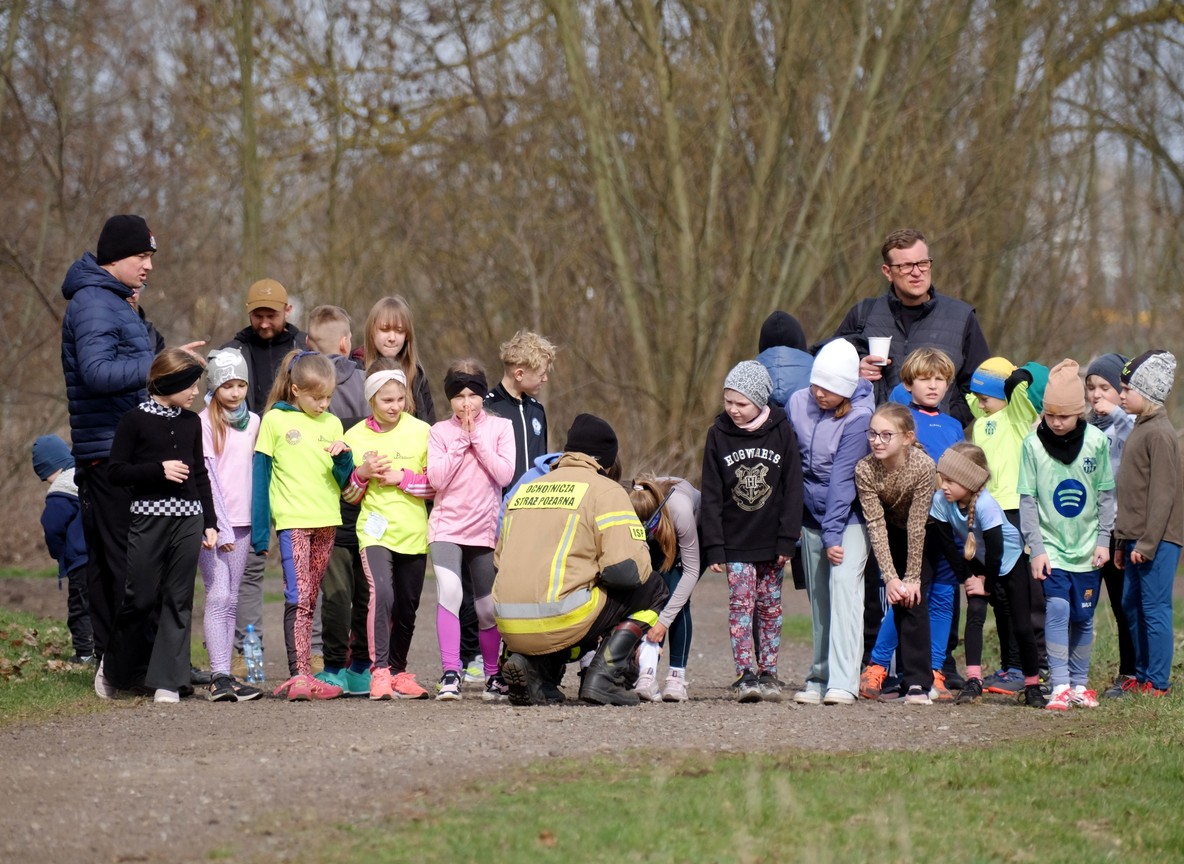
Ol Pejeta Conservancy covers about 360 square kilometers in Laikipia County. That is roughly 200 km, or a 3.5 to 4 hour drive, north of Nairobi. It runs a dedicated Conservation Education Centre that hosts thousands of Kenyan schoolchildren every year. Many are visiting a wildlife conservancy for the first time. Ol Pejeta is also home to Najin and Fatu, the last two northern white rhinos on Earth. That gives student visits a rare, direct link to a global extinction story. Programs at the centre include classroom sessions on rhino conservation and guided game drives. Students also visit the chimpanzee sanctuary, home to chimps rescued from conflict zones and the illegal pet trade.
Lewa Wildlife Conservancy and the Lewa Education Programme
Lewa Wildlife Conservancy spans about 250 square kilometers in Meru and Isiolo counties. That is roughly 280 km from Nairobi by road, a 5 to 6 hour drive, or about 45 minutes by light aircraft from Wilson Airport. The conservancy sits within the Mount Kenya UNESCO World Heritage Site, extended in 2013 to include Lewa alongside Mount Kenya National Park. Its Lewa Education Programme brings students from surrounding communities onto the conservancy for hands-on lessons. They learn rhino tracking, habitat management, and anti-poaching work. Lewa also funds conservation scholarships for local students. Some of those students later return as rangers, researchers, or guides.
David Sheldrick Wildlife Trust: Orphan Elephants as Teachers
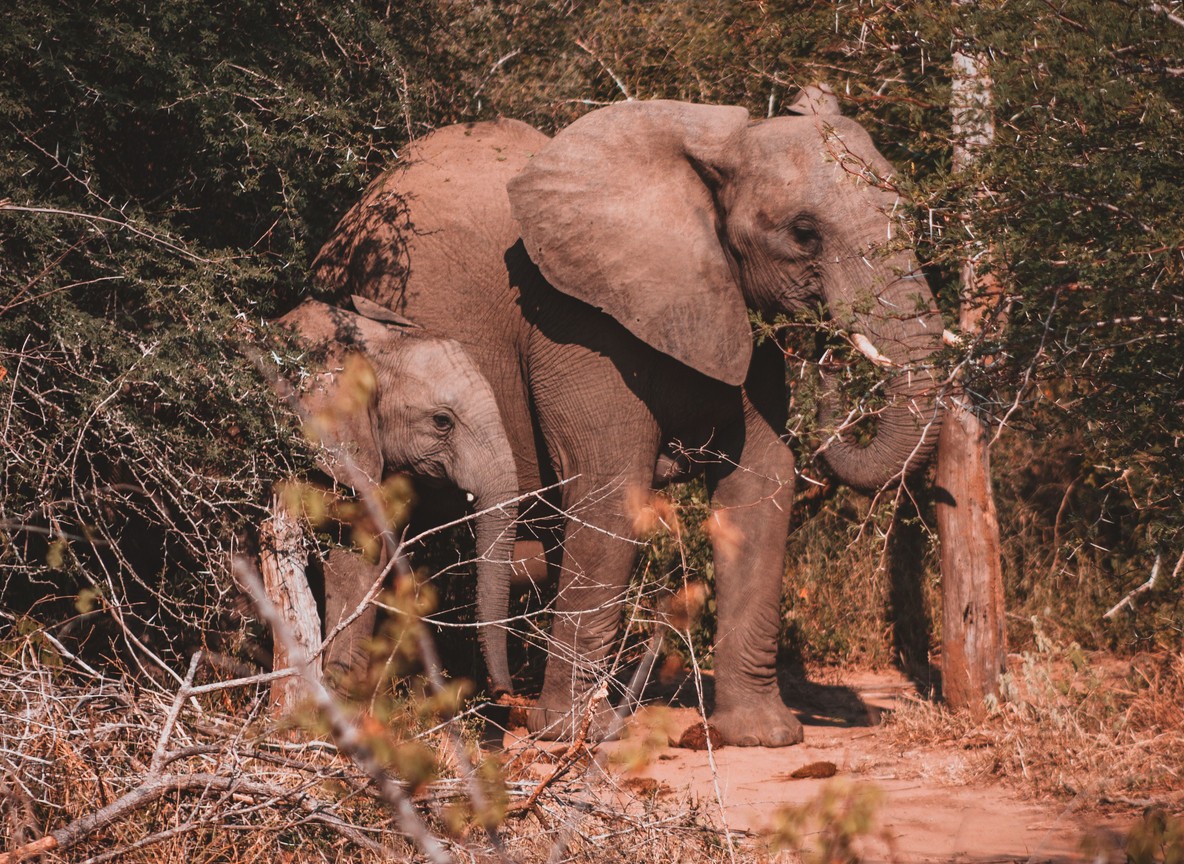
The David Sheldrick Wildlife Trust Nairobi Nursery sits inside Nairobi National Park. It is about 10 km and a 20 to 30 minute drive from downtown Nairobi. Every day, the nursery opens for a public visiting hour. Guests, including school groups, watch orphaned elephant calves being fed and cared for by their keepers. The Trust also runs a Keepers for a Day program that lets sponsors spend extended time with the herd. For many Kenyan students, this is their first close encounter with an elephant that is not behind a distant fence. Seeing an orphaned calf being hand-raised makes the cost of poaching and habitat loss feel immediate and personal, in a way a textbook cannot.
KWS and the Nairobi National Park Education Centre
Nairobi National Park covers about 117 square kilometers just 7 km from the Nairobi city center. That makes it the most accessible wildlife education site in the country. Kenya Wildlife Service runs an education centre and the Nairobi Safari Walk here. It combines an elevated boardwalk with ranger-led talks about the park’s lions, rhinos, and giraffes. Because it sits inside city limits, it is often the first park many Nairobi students ever visit. It also doubles as a training ground for KWS community outreach staff before they move to programs in the Masai Mara, Amboseli, or Tsavo.
Where Families and School Groups Can Learn: A Comparison
| Program or Site | Location | Distance and Drive Time from Nairobi | Entry or Program Fee (indicative) | What Students Do |
|---|---|---|---|---|
| Wildlife Clubs of Kenya (national network) | School-based, HQ in Nairobi | Varies by school | Free or low-cost for member schools | Nature walks, clean-ups, organized park visits |
| David Sheldrick Wildlife Trust Nairobi Nursery | Inside Nairobi National Park | ~10 km / 20 to 30 min drive | Public visit from around USD 10 per adult; children often discounted | Watch elephant feeding, keeper talks |
| Nairobi National Park (KWS Education Centre) | 7 km from Nairobi CBD | ~20 min drive | Non-resident adult around USD 43/day; Kenyan citizen and student rates far lower | Safari Walk, ranger talks, animal orphanage |
| Ol Pejeta Conservancy Conservation Education Centre | Laikipia County | ~200 km / 3.5 to 4 hrs drive | Non-resident adult around USD 90/day; Kenyan school groups heavily discounted | Rhino sanctuary visit, chimp sanctuary, classroom sessions |
| Lewa Wildlife Conservancy (Lewa Education Programme) | Meru/Isiolo counties | ~280 km / 5 to 6 hrs drive, or ~45 min flight | Non-resident adult around USD 100/day; local school rates discounted | Rhino tracking, habitat lessons, scholarships |
All fees above are indicative planning ranges only, since park and conservancy rates change with the season. Trunktrails Safaris confirms exact entry costs at the time of booking.
What This Means for Your Kenya Safari

Families traveling with children can build conservation education straight into a tours and safaris itinerary. It does not need to be a separate school trip. A morning at the David Sheldrick Wildlife Trust nursery pairs naturally with an Amboseli or Nairobi National Park visit, since both sit close to the city. Travelers heading to Laikipia or Meru can add a half day at Ol Pejeta or Lewa around a longer Masai Mara or Samburu safari. That gives kids a working conservancy experience alongside the usual game drives. These stops also give older kids and teenagers something active to do. Most centres run hands-on, ranger-led activities rather than a simple lecture.
The Trunktrails Advantage

Trunktrails Safaris is a Kenyan-owned operator. Conservation education is not an afterthought we bolt onto a family itinerary. We work directly with conservancy partners at Ol Pejeta and Lewa to schedule education centre visits around your game drive plans, so nothing feels rushed. Many of our guides grew up with Wildlife Clubs of Kenya themselves. They can speak to what these programs meant for their own path into conservation work. When you book a Trunktrails Safaris family trip, we build in time for the David Sheldrick Wildlife Trust nursery or a Nairobi National Park stop before you fly out to the Mara or Amboseli. Every Trunktrails Safaris tours and safaris package can flex to include as much or as little of this hands-on learning as your family wants. We keep pricing transparent from the first quote.
Kenya Conservation Education: Quick Facts
| Fact | Detail |
|---|---|
| Wildlife Clubs of Kenya founded | 1968, one of Africa’s oldest school conservation networks |
| Ol Pejeta Conservancy size | Approximately 360 km2, Laikipia County |
| Lewa Wildlife Conservancy size | Approximately 250 km2, part of the Mount Kenya UNESCO World Heritage Site |
| Nairobi National Park size | Approximately 117 km2, 7 km from Nairobi CBD |
| Distance to Ol Pejeta from Nairobi | ~200 km, 3.5 to 4 hours by road |
| Distance to Lewa from Nairobi | ~280 km by road, or ~45 minutes by air from Wilson Airport |
Frequently Asked Questions
Can international visitors join Kenya’s conservation education programs? Yes, in a limited way. Most classroom-based programs like Wildlife Clubs of Kenya are built for Kenyan students. But visiting families can join public activities at the same sites. The David Sheldrick Wildlife Trust feeding hour and the Ol Pejeta Conservation Education Centre tour both welcome visitors alongside local school groups.
Is Ol Pejeta or Lewa better for a family with young children? Both work well. Ol Pejeta sits closer to Nairobi and has a shorter drive, which suits families with younger kids or tighter schedules. Lewa offers a quieter, more remote setting with stronger rhino-tracking activities. That often appeals more to older children and teenagers.
Do these programs help fund conservation directly? Yes. Entry fees and donations at sites like Ol Pejeta, Lewa, and the David Sheldrick Wildlife Trust fund rhino protection, anti-poaching patrols, and community scholarships. Visiting these centres as part of your safari puts tourism revenue directly behind the same conservation work you came to see.
How much time should we add to our itinerary for an education stop? A David Sheldrick Wildlife Trust visit or Nairobi National Park stop fits into a single morning. An Ol Pejeta or Lewa education centre visit works best as a half day or full day added to a Laikipia, Meru, or northern Kenya safari itinerary.
Plan a Kenya Safari That Teaches, Not Just Shows
Further reading
More safari planning resources
- Ol Pejeta and Sweetwaters safari package from Valley Safaris
- Amboseli National Park guide on Touring Insights
- Family safari collection on FindMySafari
- Big Five safari collection on FindMySafari
Kenya conservation education for students proves that protecting wildlife here is a long-term national project, not a one-week tourist experience. Trunktrails Safaris can build any of these stops into your family’s Kenya trip: the David Sheldrick Wildlife Trust nursery, the Ol Pejeta Conservation Education Centre, or the Lewa Education Programme, alongside the game drives you already want. Message us on WhatsApp at +254 113 208888 or email info@trunktrailssafaris.com. Our team will design a tours and safaris itinerary that lets your kids meet the people and animals behind Kenya’s conservation story. 🐘✨

