
Kenya’s Coast Beyond the Beach: Sea Turtles and Marine Wildlife You Can Safari
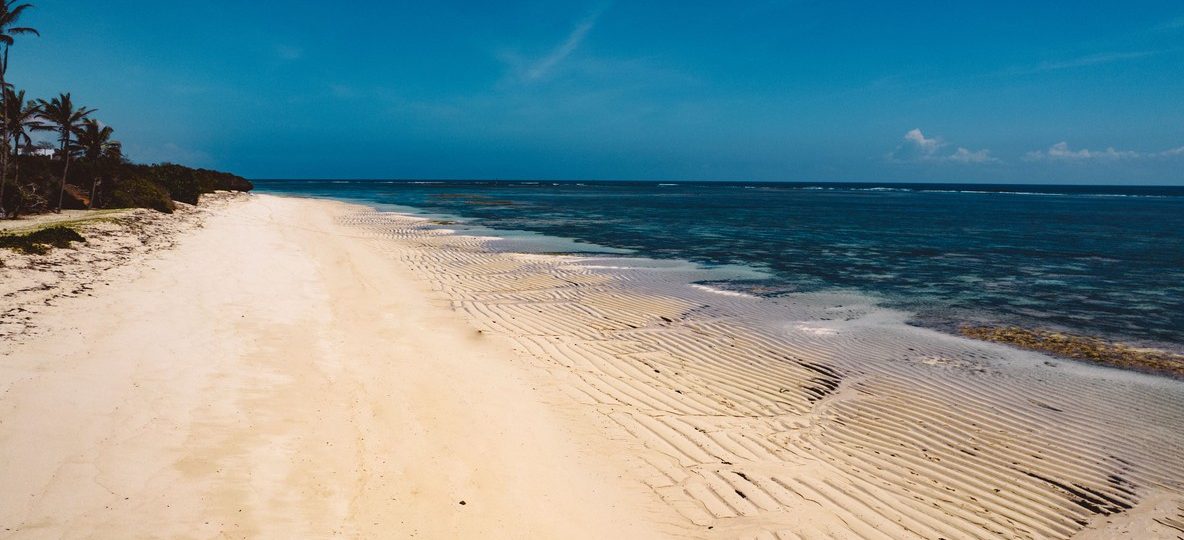
Most visitors picture Kenya’s coast as a place to rest after a game drive, a strip of white sand between the airport and the ocean. That picture misses the point. The same waters off Watamu, Malindi, Shimoni and Diani hold five species of sea turtle, migrating humpback whales, whale sharks, and pods of resident dolphins, all inside protected marine parks you can visit on a normal holiday schedule. Sea turtles Kenya sightings are not a rumor for divers only. They happen on guided snorkeling trips that cost less than a single game drive vehicle hire. 🌍
This guide lays out where each species actually shows up, what the marine parks charge, and how to build a coast itinerary that pairs turtles, whales and dolphins with the beach time you already planned. Trunktrails Safaris runs these marine add-ons as part of full Kenya tours and safaris packages, so the logistics below reflect real routes our guests use, not theoretical ones.
Kenya’s Marine Parks at a Glance
Four gazetted marine parks cover the species most travelers come to see. Distances are measured from Mombasa, the coast’s main transport hub, since most marine safaris start there rather than in Nairobi.
| Marine Park | Size | Distance from Mombasa | Best For | Entry Fee (non-resident, indicative) |
|---|---|---|---|---|
| Watamu Marine National Park | Approx. 10 km2 park, 32 km2 reserve | 120 km / 2-2.5 hrs road | Sea turtles, coral gardens | USD 20 per day |
| Malindi Marine National Park | Approx. 6 km2 park, 213 km2 reserve | 145 km / 2.5-3 hrs road | Sea turtles, glass-bottom boat reefs | USD 20 per day |
| Kisite-Mpunguti Marine National Park and Reserve | Approx. 39 km2 combined | 75 km / 1.5-2 hrs road | Dolphins, whale sharks (Nov-Mar) | USD 20 per day |
| Mombasa Marine National Park | Approx. 10 km2 park, 200 km2 reserve | 10 km / 20-30 min road | Reef snorkeling, easy day trip | USD 15 per day |
Fees are set by Kenya Wildlife Service and move with policy updates, so treat these as planning ranges. Trunktrails Safaris confirms current gate rates before every booking.
Sea Turtles in Kenya: Where and When to See Them
Kenya’s coast hosts five sea turtle species: green, hawksbill, olive ridley, loggerhead and leatherback. Only the green and hawksbill turtles nest on Kenyan beaches in meaningful numbers, and Watamu is the country’s most reliable nesting ground. Females come ashore at night to lay eggs, mostly between November and March, and hatchlings emerge roughly 55 to 65 days later, so January through March is peak hatchling season.
You do not need to catch a nesting event to see a turtle. Snorkeling trips inside Watamu Marine National Park regularly pass green turtles feeding on seagrass beds a short boat ride from Turtle Bay. Malindi Marine National Park, Kenya’s oldest marine protected area, runs glass-bottom boat trips over similar reef and turtle habitat for travelers who prefer to stay dry.
Local Ocean Conservation, based in Watamu since 1997, runs a by-catch release program with local fishermen and a visitor center where injured turtles recover before returning to the ocean. A visit here (indicative donation USD 5-10) puts real turtle biology next to the sightings, which matters for the conservation-minded travelers who plan these trips in the first place.
Whale Sharks and Humpback Whales: The Coast’s Biggest Safari
Two of the ocean’s largest animals pass through Kenyan waters on a predictable seasonal clock. Humpback whales migrate along the coast from July to October, with the strongest sightings in August and September, visible from boats out of Watamu and Diani. Whale sharks, the largest fish in the ocean, gather to feed on plankton blooms from November to March, with December through February the most consistent window, concentrated around the Shimoni and Kisite-Mpunguti channel.
Both sightings depend on season more than on which operator you book, so timing a coast trip around these windows matters more than picking a specific lodge. A November safari built around Amboseli or Tsavo pairs naturally with a whale shark add-on from Diani, since both are on the same seasonal calendar.
Dolphins at Kisite-Mpunguti: Kenya’s Answer to a Game Drive
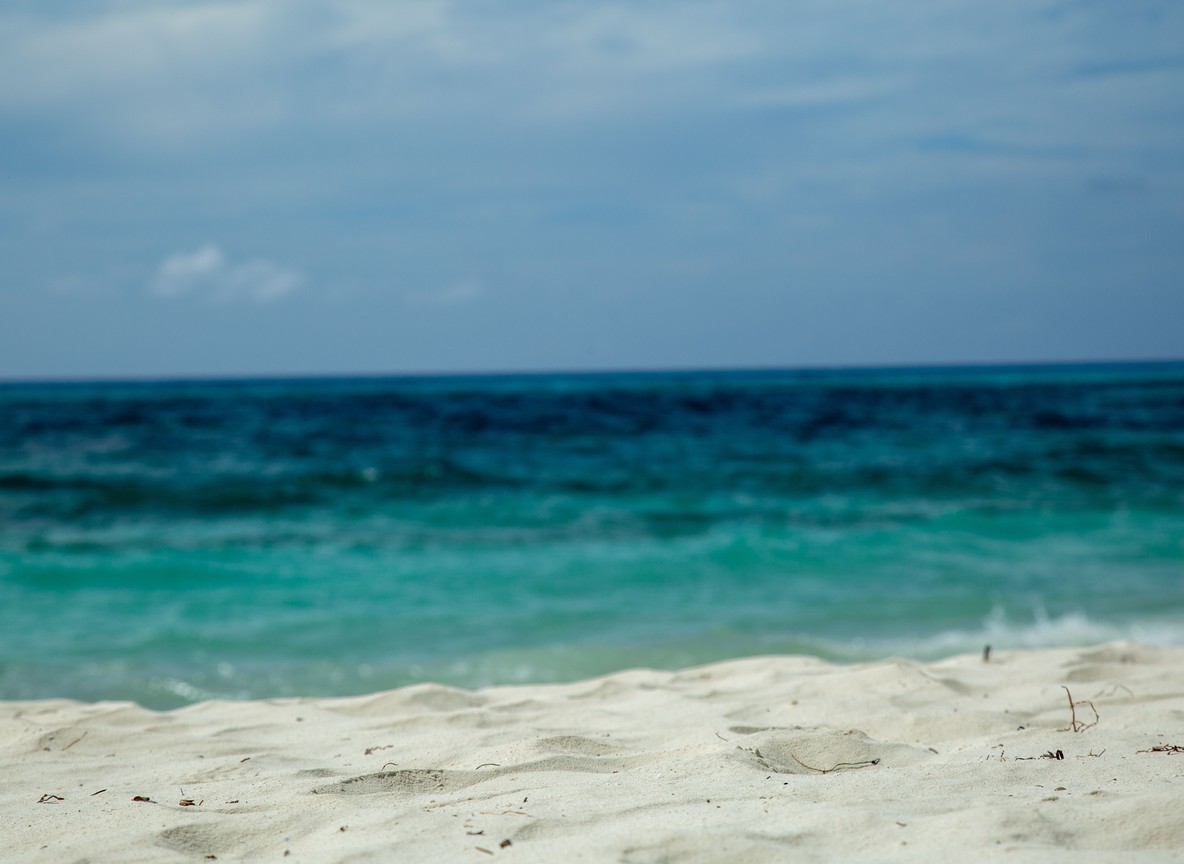
Kisite-Mpunguti Marine National Park and Reserve, reached from the small port town of Shimoni, is Kenya’s most consistent spot for dolphin watching. Resident pods of bottlenose and humpback dolphins feed in the channel most mornings, and boat operators time departures for sunrise, when the water is calm and dolphin activity peaks.
A typical Kisite-Mpunguti day trip combines a dolphin-watching run, snorkeling over coral gardens inside the park, and lunch on Wasini Island at one of the seafood restaurants built into the coral rock. Indicative pricing for a full-day boat trip, including park fees, snorkeling gear and lunch, runs USD 60-90 per person. It is the closest the Kenyan coast comes to a bush game drive, on the water instead of savanna.
Where to Base Yourself: Watamu, Malindi or Diani
Each coast town suits a different marine focus, so the base you pick should follow the species you most want to see. Watamu sits closest to the turtle nesting beaches and the Local Ocean Conservation center, and its reef is calm enough for beginner snorkelers, which makes it the easiest base for a first marine safari. Malindi, 25 km north of Watamu, offers similar turtle and reef access with more glass-bottom boat operators for travelers who want to see the reef without getting in the water.
Diani, on the south coast, sits closer to the Shimoni and Kisite-Mpunguti channel, so it works better for whale shark season and dolphin trips, with a transfer of roughly 90 minutes each way. Guests splitting time between Nairobi safari parks and the coast usually fly into Mombasa first, since it sits within a two to three hour drive of all four marine parks in the table above, then choose Watamu or Diani depending on which season’s species matters most to their dates.
How a Marine Wildlife Safari Actually Works
Most guests reach the coast through Moi International Airport in Mombasa (flights from Nairobi run about 1 hour) or Malindi Airport, which sits closer to Watamu’s turtle sites. From either airport, road transfers to Watamu, Malindi or Diani take under three hours, short enough to fit a marine day into a beach week without restructuring the whole trip.
A workable structure looks like this: arrive on the coast, spend the first two or three days on the beach, then dedicate one full day to a marine park excursion timed to whichever species is in season. Trunktrails Safaris builds this into standard Kenya tours and safaris itineraries that already include Mara or Amboseli game drives, so the ocean day becomes an extension of the safari rather than a separate booking.
| Trip Element | Indicative Cost (per person) | Notes |
|---|---|---|
| Watamu turtle snorkeling excursion | USD 35-50 | Half day, includes boat and park fee |
| Kisite-Mpunguti dolphin and snorkeling day trip | USD 60-90 | Full day, includes lunch on Wasini Island |
| Whale shark boat excursion (Nov-Mar) | USD 70-100 | Full day, subject to sighting conditions |
| Local Ocean Conservation visitor center | USD 5-10 | Self-guided, Watamu |
Marine Conservation on the Kenyan Coast
Kenya’s marine parks exist because coral reefs and turtle nesting beaches came under real pressure from coastal development and unregulated fishing through the 1980s and 1990s. Kenya Wildlife Service now manages the gazetted parks, while community-based organizations like Local Ocean Conservation and the Kisite-Mpunguti community rangers handle day-to-day protection, from turtle nest monitoring to reef patrols.
Choosing a marine excursion that pays park fees and works with these community operators sends tourism revenue directly into conservation funding, which is the same principle behind community conservancy fees inland at places like Ol Pejeta or the Mara conservancies. The coast and the bush run on the same model: visitor fees fund the wildlife they came to see.
The Trunktrails Advantage 🌍
Trunktrails Safaris is a Kenyan-owned operator that builds full itineraries, not single-day add-ons booked in isolation. When a marine wildlife day gets folded into a broader Kenya safari, our team checks the season against the whole route, confirms current marine park fees before booking, and works with the same community-based operators at Watamu and Kisite-Mpunguti that manage turtle and reef conservation on the ground. That means a sea turtle sighting or a whale shark excursion arrives as part of a properly paced trip, not a rushed afternoon squeezed between flights.
We have planned tours and safaris across the Mara, Amboseli, Samburu and the coast for years, and the marine parks get the same attention to timing and logistics as any game drive. A turtle nesting season missed by two weeks, or a whale shark trip booked outside the window, wastes a travel day that cannot be redone.
Ready to Add the Ocean to Your Kenya Safari? ✨📸
Further reading
More safari planning resources
- Kenya national parks map from Valley Safaris
- Best time to visit Kenya on Touring Insights
- Diani Beach guide on FindMySafari
- Best time to visit Kenya month-by-month map from Valley Safaris
Sea turtles, whale sharks and humpback whales all run on a season, and the difference between seeing them and missing them usually comes down to timing your trip a few weeks earlier or later. Tell Trunktrails Safaris your travel dates and we will tell you exactly which marine species will be active and which coast park to book. Message us on WhatsApp at +254 113 208888 or email info@trunktrailssafaris.com to build your Kenya coast and safari itinerary today.