
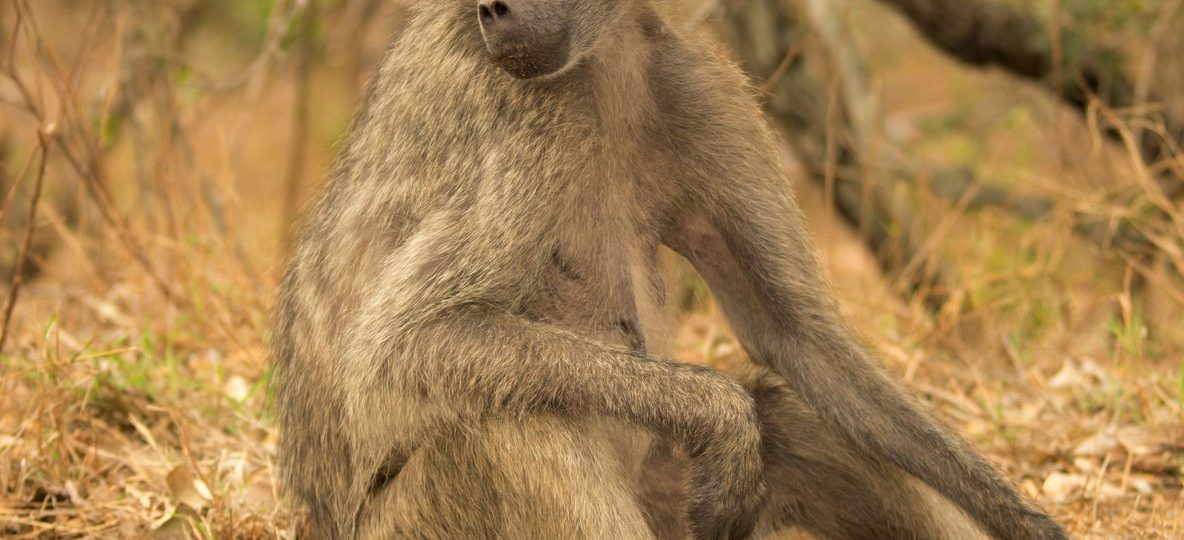
Olive Baboons in Kenya: Why They Raid Safari Camps (And How Lodges Handle It)
If you have ever seen a photo of a baboon walking off with a guest’s breakfast tray, you have seen the most common wildlife-guest interaction on a Kenya safari. Olive baboons in Kenya are intelligent, food-motivated, and completely unbothered by a canvas tent flap. They are not attacking camps out of aggression. They are doing what any smart, opportunistic animal does when food is available and easy to reach. Understanding this behavior is the first step to feeling relaxed about it, and every camp that Trunktrails Safaris works with has a system for managing it. 🐒
Quick Facts: Olive Baboons and Vervet Monkeys in Kenya
| Detail | Olive Baboon (Papio anubis) | Vervet Monkey (Chlorocebus pygerythrus) |
|---|---|---|
| Adult male weight | 22-30 kg | 4-8 kg |
| Adult female weight | 10-15 kg | 3-5 kg |
| Troop size | 20-150 individuals | 10-50 individuals |
| Most active raiding times | Early morning, midday, dusk | Daytime, especially breakfast service |
| Where most common in Kenya | Lake Nakuru, Amboseli, Tsavo, Maasai Mara conservancies | Amboseli, Samburu, coastal camps, Tsavo |
| Diet in the wild | Fruit, roots, insects, small mammals | Fruit, leaves, insects, seeds |
| Conservation status | Least Concern (IUCN) | Least Concern (IUCN) |
Olive baboons are the most widespread baboon species in Kenya and one of the most widespread primates on the continent. They are highly social, live in structured troops led by dominant males, and have excellent memories for where food has been available before. That memory is exactly why raiding happens.
Why Baboons and Monkeys Raid Safari Camps
1. Food conditioning. A troop that has successfully raided a camp once will return, and will teach the behavior to younger members. Kenya Wildlife Service field notes on human-primate conflict describe this pattern consistently: once a troop associates a location with an easy meal, the behavior repeats and spreads.
2. Habitat pressure. As farmland and settlements expand around parks and conservancies, natural foraging ranges shrink. Camps sitting on old migration corridors or near riverine forest, a preferred baboon habitat, see more visits simply because the animals were already moving through that ground.
3. Low effort, high reward. A baboon can strip a fruit bowl in seconds. Compared to foraging for wild tubers or insects, an unattended breakfast table is a far better use of energy. Vervet monkeys apply the same logic on a smaller scale, and their size lets them slip through gaps that would stop a baboon.
4. Curiosity and dexterity. Both species can undo zips, latches, and loosely secured cool boxes. This is not aggression. It is manual dexterity paired with a strong incentive.
None of this means camps are unsafe. It means camps that operate well have built physical and behavioral systems around a predictable, well-understood animal.
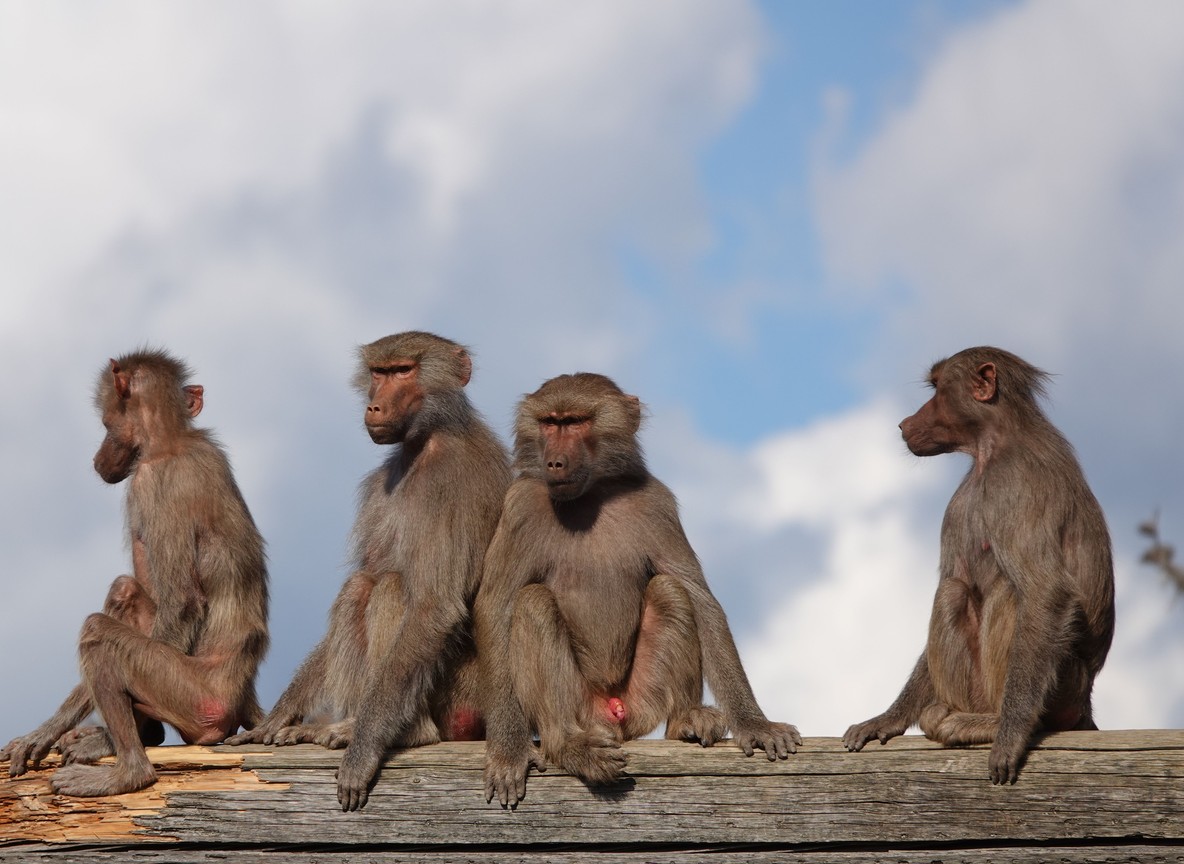
Which Kenya Parks and Camps See the Most Baboon and Monkey Activity
| Park or Reserve | Size | Distance from Nairobi | Typical Primate Activity | Notable Feature |
|---|---|---|---|---|
| Lake Nakuru National Park | 188 km2 | 160 km (about 3 hrs drive) | High olive baboon presence, especially near picnic sites | Baboon Cliff viewpoint overlooking the lake |
| Amboseli National Park | 392 km2 | 240 km (about 4-5 hrs drive) or 45-min flight from Wilson Airport to Amboseli Airstrip | Baboons and vervet monkeys around Ol Tukai and swamp-edge camps | Views of Mount Kilimanjaro across the plains |
| Tsavo West National Park | 9,065 km2 | 240 km via Mtito Andei gate (about 4-5 hrs drive) | Vervet monkeys common around lodge grounds and Mzima Springs | Mzima Springs underwater viewing chamber |
| Samburu National Reserve | 165 km2 | 345 km (about 6 hrs drive) or 45-min flight from Wilson Airport | Vervet monkeys near the Ewaso Ng’iro River camps | Home to the “Samburu Special Five” |
| Maasai Mara conservancies | 1,510 km2 (reserve) plus 1,700 km2 (conservancies) | 270 km or 45-min flight from Wilson to Mara airstrips | Olive baboon troops in riverine forest near camps along the Mara and Talek Rivers | Lower vehicle density in private conservancies |
Indicative park entry fees for non-residents (2026, subject to change by park authority): Lake Nakuru USD 50-60/day, Amboseli USD 60-90/day, Tsavo USD 45-60/day, Samburu USD 65-90/day, Maasai Mara USD 200/day (Narok County rate from July 2026). Always confirm current fees with your operator before travel.
How Lodges and Camps Handle Baboon and Monkey Activity
Every well-run camp on a Trunktrails Safaris itinerary uses some combination of the following. The specific mix depends on the camp’s location and whether it sits inside a fenced or unfenced property.
Secure food storage. Kitchens keep all food behind solid doors, not canvas or mesh. Fruit bowls in guest tents are the single biggest attractant, so most camps have stopped leaving fruit unattended in rooms.
Trained camp staff. Askari (camp security staff) are positioned near dining areas during breakfast and lunch, when raiding is most common. They know troop movement patterns around the property and intervene before an animal reaches a table.
Physical barriers. Lodges with permanent structures, such as those near Lake Nakuru and Amboseli, often use electric wire along boundary fences and solid-lidded bins. Tented camps rely more on staff vigilance since permanent fencing is less practical in a mobile-camp setup.
Guest briefings. On arrival, guides brief guests on keeping tent zips closed, not leaving toiletries or snacks visible, and never feeding wildlife by hand. This single briefing prevents the majority of incidents.
No feeding policy. Every reputable camp enforces a strict no-feeding rule. Feeding a wild primate trains it to associate humans directly with food, which increases confidence and can lead to bolder, more persistent raiding across an entire troop.
What to Do If a Baboon or Monkey Approaches Your Tent
This is the part most travelers worry about before their first Kenya safari, and it deserves a straightforward answer. Stay calm. Do not run, and do not make direct prolonged eye contact, which a baboon can read as a challenge. Keep tent flaps and zips closed when you step out, even for a few minutes. If an animal is already inside your tent, back away and call camp staff rather than trying to remove it yourself. These are wild animals, not camp mascots, and the correct response is always the same: give them space and let trained staff handle it.
For older travelers or first-time safari guests, this is worth knowing in advance. Incidents are rare and rarely involve any physical contact. Camps that operate daily tours and safaris in these regions have refined their protocols over years of guest experience. The animals want food, not confrontation, and camps are built to keep that boundary intact.
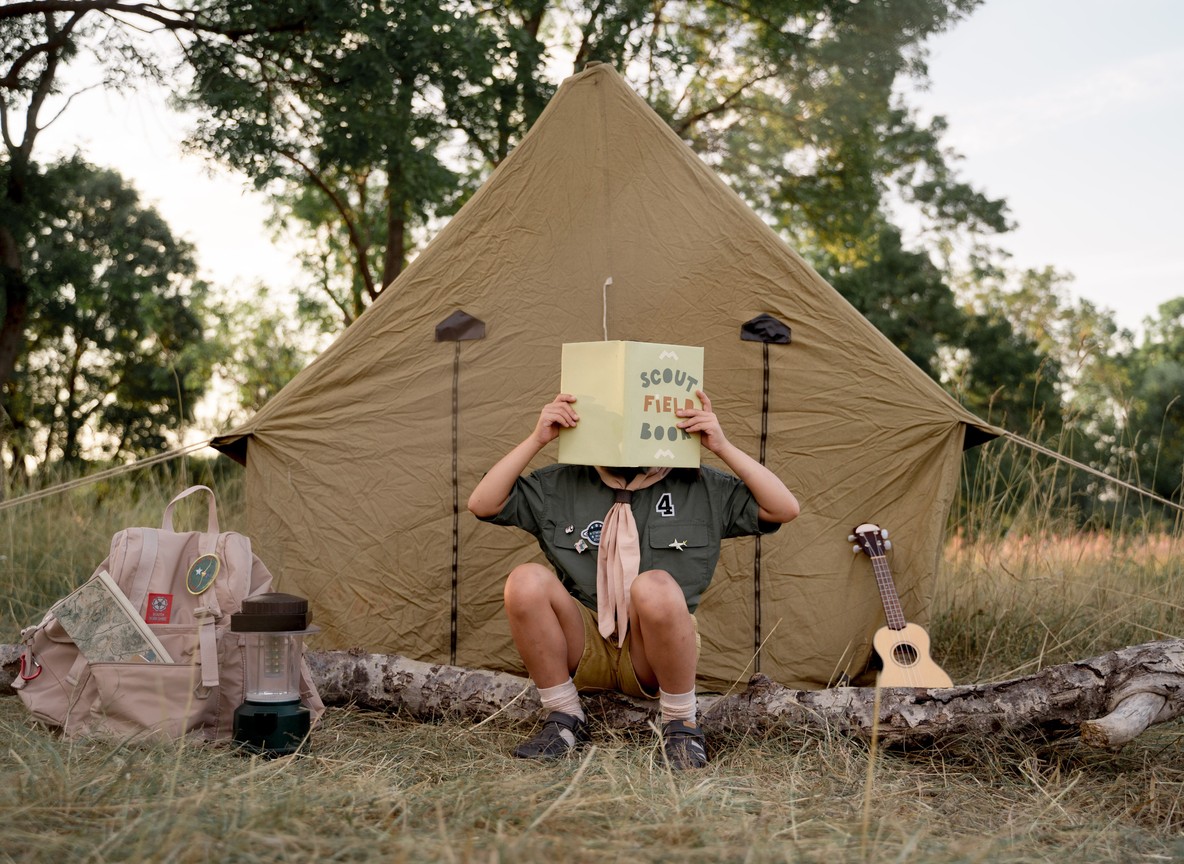
Olive Baboons vs Vervet Monkeys: Spotting the Difference
Guests often ask which animal they are looking at. Olive baboons are large, dog-faced, and move on all fours with a distinctive loping gait. Vervet monkeys are smaller, grey-coated, with a black face and, in males, a notably blue-tinted underside. Baboons tend to raid in coordinated troop movements, while vervet monkeys are quicker, more solitary in their approach, and better at squeezing through small gaps in tent netting. Both are common sightings across Kenya’s parks and are part of what makes a safari camp feel genuinely wild, even with modern comforts in place.
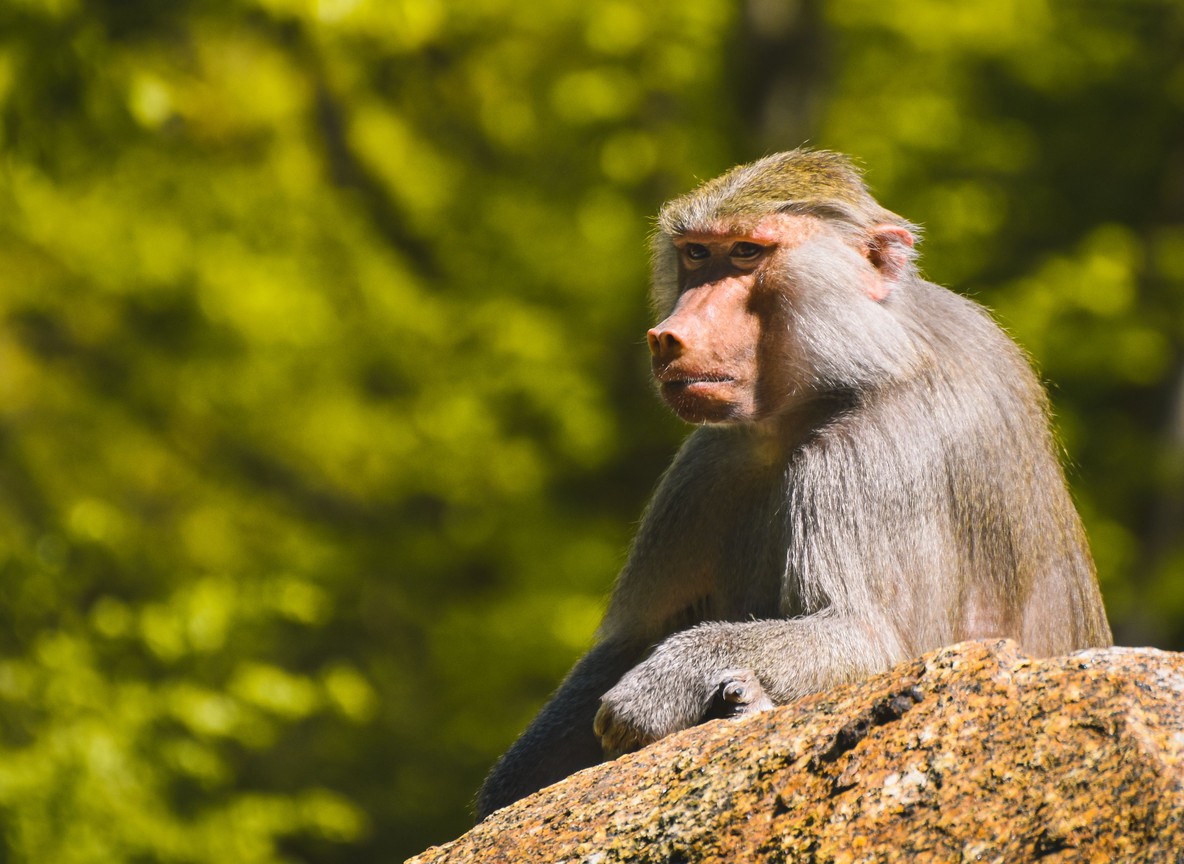
Photographing Baboons and Monkeys Without Encouraging Bad Habits
Camp-side primate sightings make for some of the most relaxed wildlife photography on a Kenya safari, since you do not need a vehicle or a long drive to get close. A few habits keep the encounter enjoyable for everyone. Photograph from a seated position on your veranda rather than approaching the animal directly. Use a zoom lens instead of closing distance, since proximity is what triggers bolder behavior in a troop that already associates humans with food. Never place food near your camera setup to draw an animal into frame. Guides at most camps can also point out the dominant males in a troop. These individuals are usually the most confident around camp structures and worth watching from a safe distance.
The Trunktrails Advantage
Trunktrails Safaris only partners with camps that have clear, tested wildlife-management protocols, including baboon and monkey management. Before we add any lodge to an itinerary, we confirm how it handles food storage, staff coverage during meal times, and guest briefings. This matters most for travelers who want the reassurance of a well-run, comfortable camp without sacrificing the authenticity of staying inside genuine wildlife habitat.
Our guides brief every guest on arrival, our itineraries favor camps with strong track records on this exact issue, and our team is reachable throughout your trip if anything comes up. Trunktrails Safaris designs tours and safaris that balance close wildlife contact with real operational care, so you can focus on the experience rather than the logistics. Whether your trip includes Lake Nakuru’s Baboon Cliff, the swamps of Amboseli, or a conservancy camp along the Mara River, we build in the right camp choice from the start. This is what tours and safaris with Trunktrails Safaris are designed to deliver: memorable wildlife encounters, handled with genuine local expertise.
Plan Your Kenya Safari with Trunktrails Safaris
Curious about which camps handle wildlife encounters best, or ready to build your Kenya itinerary? Trunktrails Safaris can match you to camps and conservancies suited to your comfort level, from fully fenced lodges to open tented camps deep in olive baboon territory. ✨
Contact Trunktrails Safaris:
Further reading
More safari planning resources
- Map of Amboseli from Valley Safaris
- Amboseli National Park guide on Touring Insights
- Amboseli destination guide on FindMySafari
- Rift Valley lakes map from Valley Safaris
- WhatsApp: +254 113 208888
- Email: info@trunktrailssafaris.com
- Website: trunktrailssafaris.com
- Kenyan-owned and operated

