
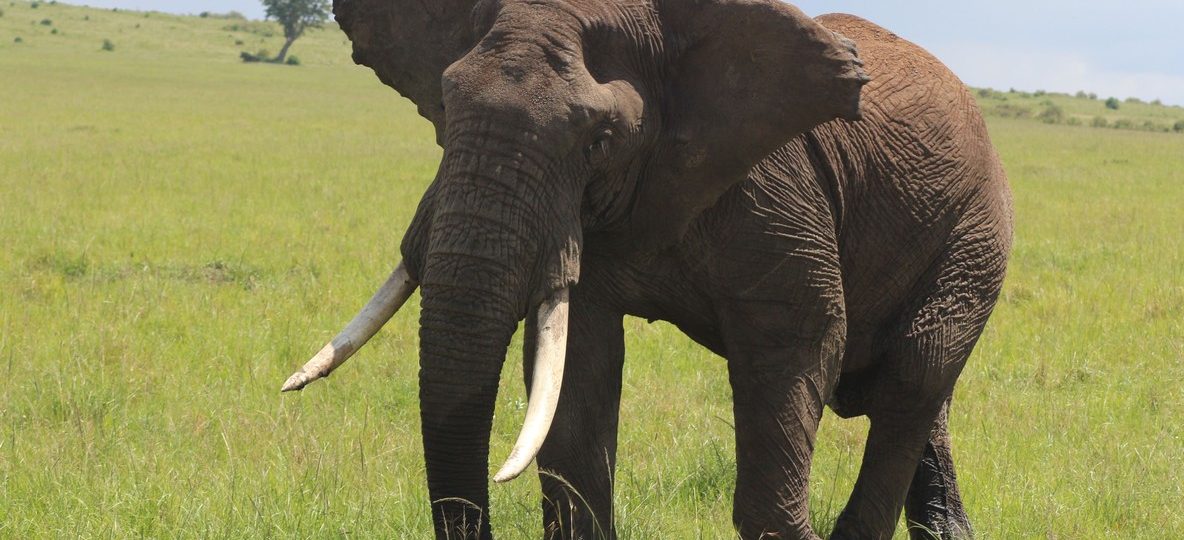
Elephant Rescue in Kenya: Inside the KWS Vet Unit Racing to Save Wildlife 🐘
Elephant rescue in Kenya happens fast. A radio call comes in from a ranger, a pilot or a herder who spotted a wounded elephant. Within hours, a Kenya Wildlife Service (KWS) Mobile Veterinary Unit can be airborne. A vet darts the animal from a helicopter or the ground. Ground crew then move in to treat the wound. This is not a rare event. Snares, poisoned arrows and human-wildlife conflict injuries keep these teams busy across Kenya’s parks and conservancies all year. Travelers who hope to see these animals on tours and safaris should understand how this rescue network operates. It is part of understanding Kenya itself.
At Trunktrails Safaris, we route guests past the real places where this work happens. That means stops from Nairobi’s elephant nursery to the reintegration stockades deep inside Tsavo. Here is how Kenya’s elephant rescue system actually functions, and how you can witness it responsibly.
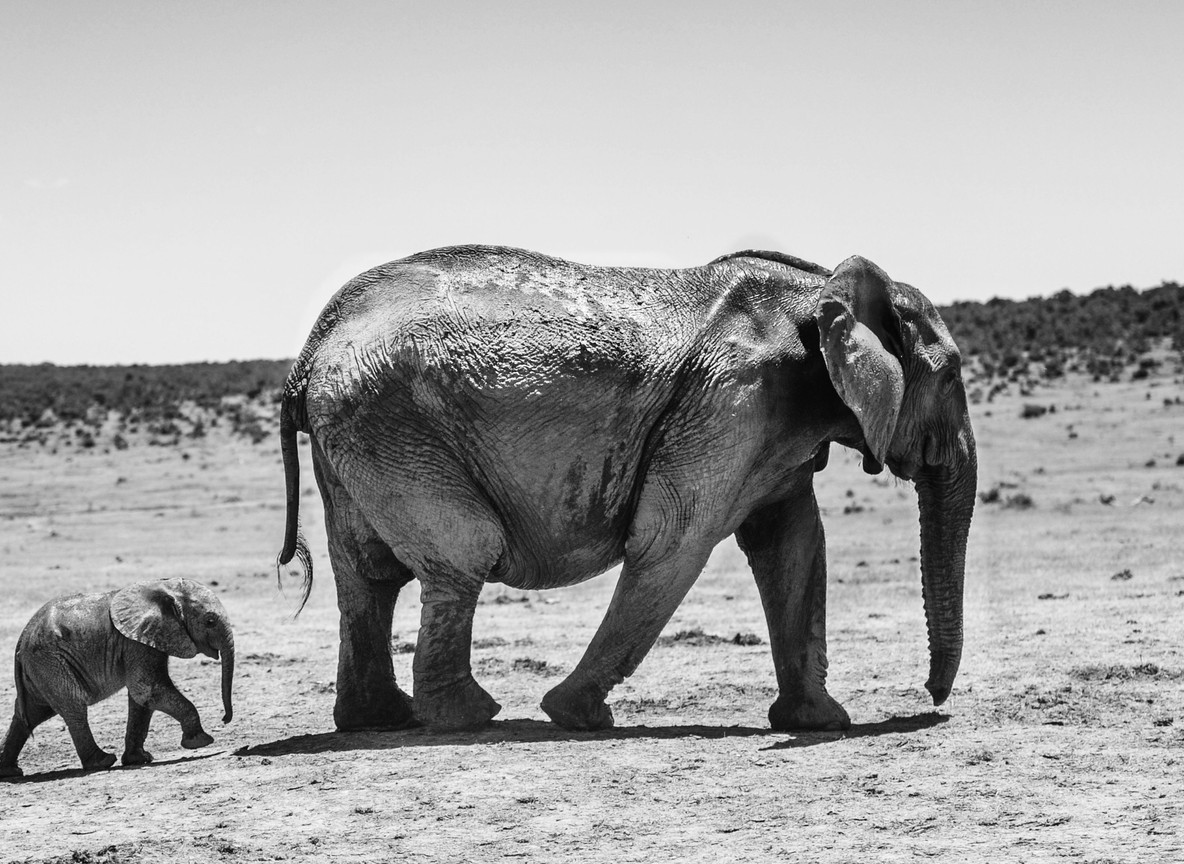
What Is the KWS Mobile Veterinary Unit?
Kenya Wildlife Service runs a network of Mobile Veterinary Units. Most are co-funded and equipped with the Sheldrick Wildlife Trust (SWT). Each unit is staffed by a KWS wildlife vet, a driver and field assistants. It travels with a 4×4 truck loaded with dart guns, anesthetic drugs, suture kits and field surgery equipment. Several units also have access to a helicopter, which cuts response time across terrain as vast as Tsavo.
The units are assigned by region so no single ecosystem waits too long for help. Teams cover Tsavo, Amboseli and the Kilimanjaro corridor, the Maasai Mara, Meru, Laikipia and Samburu, and the greater Nairobi area. A snared elephant near Amboseli and one near Ithumba in Tsavo East are usually handled by two different regional teams. Both teams work inside the same national system.
Why Elephants Need Rescue: Snares, Poison Arrows and Conflict Wounds
Most elephant rescue callouts trace back to one of three causes. Wire snares set for smaller bushmeat species often catch elephants around the trunk or leg instead. The wire then tightens as the animal grows or struggles. Poisoned arrows and spears cause deep puncture wounds that turn septic within days. They are sometimes linked to poaching, but more often to human-wildlife conflict on farms bordering parks. Vehicle strikes and fence injuries near community land make up most of the rest.
Calves separated from their herds during a conflict or a drought die-off face a different kind of emergency. Without their mother’s milk, an orphaned elephant under two will not survive more than a few days in the wild. These are the cases that end up at the Sheldrick Wildlife Trust’s Nairobi Nursery.
Inside a Real Elephant Rescue Callout
A typical rescue starts with a report. It often comes from a ranger patrol, a safari guide, or a Maasai or Samburu herder who knows the area. The vet unit dispatches immediately, since delay raises the infection risk. Delay also raises the chance the elephant wanders into denser bush, where darting becomes dangerous for everyone involved.
Once the team locates the animal, the vet fires an anesthetic dart from the ground or a low-flying helicopter. Elephants go down within minutes. The ground crew then has a tight window, usually under 45 minutes. In that time they clean the wound, remove a snare or extract an arrowhead before reversing the anesthetic. An elephant left under anesthesia too long risks respiratory failure, since its own body weight compresses its lungs. This is precision fieldwork done in real heat and real time pressure.
The David Sheldrick Wildlife Trust Nairobi Nursery
Founded in 1977 by Dr. Daphne Sheldrick, the Sheldrick Wildlife Trust runs the world’s most successful orphaned elephant rescue program. Its Nairobi Nursery sits inside Nairobi National Park near the Mbagathi Gate, roughly 10 km from Nairobi’s city center. That is about a 25 to 40 minute drive, depending on traffic.
Orphaned calves arrive here first, often dehydrated, injured or in shock. Keepers work in rotating shifts around the clock. A baby elephant bonds with its keepers the way it would bond with its mother. That bond means it cannot be left alone, even at night. Milk formula, refined over decades by the Trust, changed a once near-impossible survival rate. The program has hand-reared several hundred orphaned elephants since 1977.
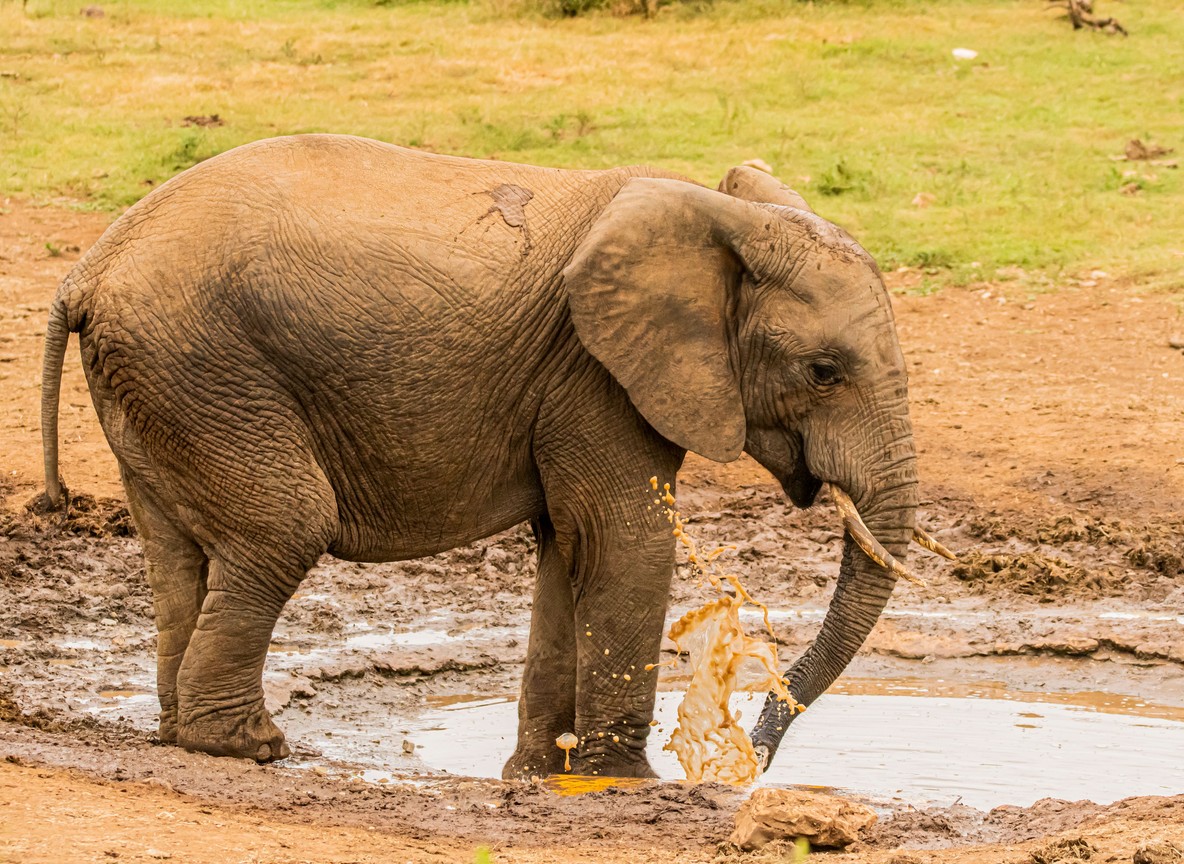
From Orphan to Wild Elephant: Ithumba and Voi Reintegration
No elephant stays at the Nairobi Nursery forever. Once a calf is strong enough, usually between two and three years old, it moves into Tsavo East National Park. There it joins a reintegration unit, most often Ithumba in the north or Voi near the main gate. Keepers gradually reduce contact as the young elephant spends more daylight hours with wild and semi-wild herds. Eventually it chooses to stay out with them permanently.
This slow, elephant-led process is what separates genuine rescue and release work from a zoo or captive sanctuary model. Some orphans who went through the program decades ago now return to the stockades as fully wild, breeding adults. They sometimes bring their own wild-born calves to show the keepers who once bottle-fed them.
Elephant Rescue and Release vs. Captive Elephant Sanctuaries
Travelers often ask how Kenya’s model compares to elephant experiences marketed elsewhere in Africa or Asia. The difference is significant, and it matters for anyone choosing where to spend tourism dollars responsibly.
| Feature | Kenya Rescue & Release Model (KWS/SWT) | Typical Captive Elephant Sanctuary |
|---|---|---|
| Goal | Full return to wild herds | Lifelong captive care |
| Human contact | Minimized as the elephant matures | Ongoing, often for visitor interaction |
| Riding or direct touching | Never permitted | Sometimes offered |
| Funding model | Public visiting hour + adoption program, donation-based | Ticketed rides and photo sessions |
| Outcome for the animal | Rejoins wild breeding population in Tsavo | Remains in managed care indefinitely |
Comparison simplified for clarity. Individual sanctuaries outside Kenya vary widely in practice and standards.
Where This Work Happens: Real Places, Real Numbers
Elephant rescue in Kenya is not a single facility. It is a network spread across some of the country’s largest protected landscapes.
| Location | Role | Distance/Time from Nairobi | Scale |
|---|---|---|---|
| DSWT Nairobi Nursery (Mbagathi Gate) | Orphan intake & hand-rearing | approx. 10 km / 25-40 min drive | Sits inside Nairobi National Park, approx. 117 km² |
| KWS/SWT Mobile Vet Unit, Tsavo | Field trauma response (snares, arrows) | approx. 333 km / 5 hrs drive (Voi Gate) | Covers Tsavo East & West, approx. 22,812 km² combined |
| Voi Reintegration Unit (Tsavo East) | Orphan rehab & release | approx. 333 km / 5 hrs drive (Voi Gate) | Roadside stockades near park headquarters |
| Ithumba Reintegration Unit (Tsavo East) | Orphan rehab & release | approx. 400 km / 6-7 hrs drive, or short charter flight | Remote northern Tsavo, sponsor visits by prior arrangement only |
| Amboseli/Kilimanjaro Mobile Vet Unit | Conflict injury response | approx. 240 km / 4 hrs drive (Meshanani Gate) | Covers Amboseli National Park, approx. 392 km², and surrounding group ranches |
Distances and drive times are approximate and can vary with road conditions. Vet unit coverage areas are indicative of typical response zones, not fixed boundaries.
Where to Witness This Work: Visiting Responsibly
The Nairobi Nursery welcomes visitors for a public viewing hour daily, typically from 11:00am to 12:00pm. Entry is a modest donation of around USD 7 per adult. Keepers bring the youngest orphans out for their midday mud bath and milk feed. A Trust guide explains each elephant’s rescue story. Adopting an orphan online unlocks a second, quieter visiting slot in the late afternoon.
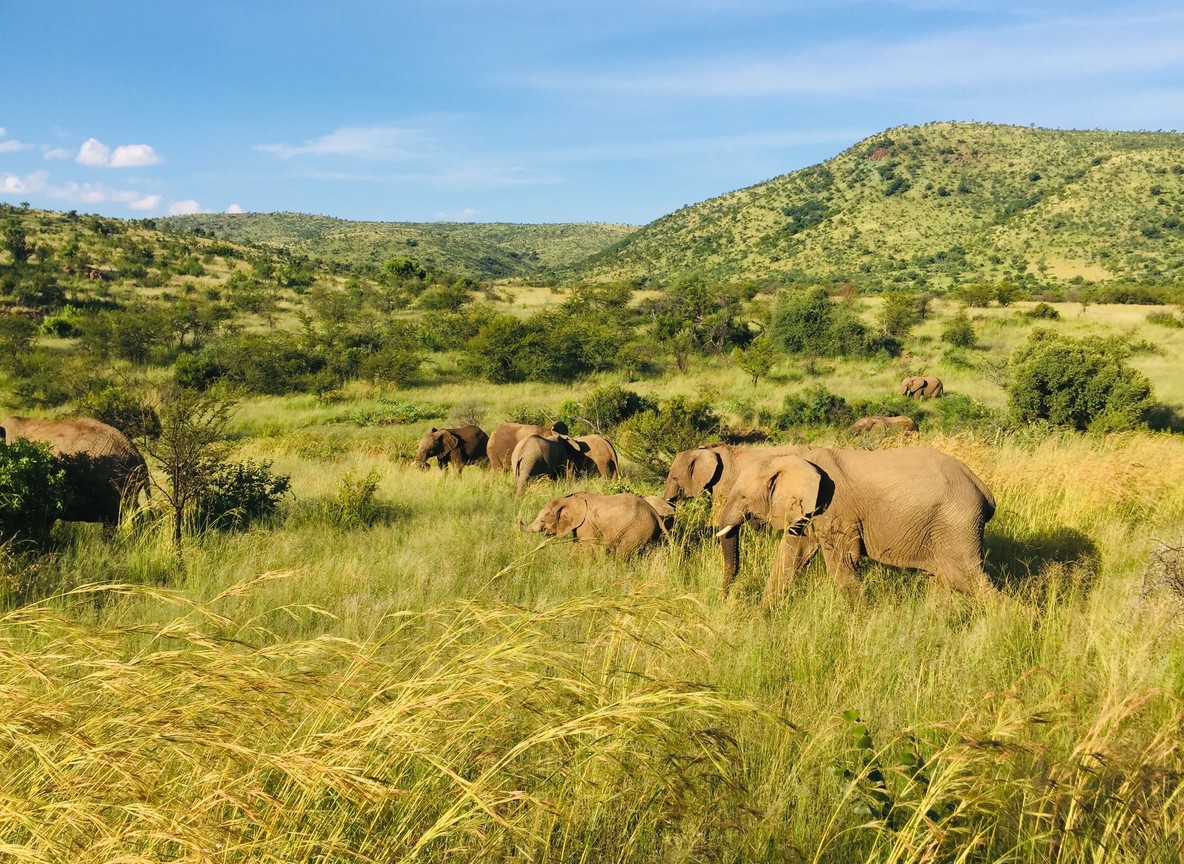
The Tsavo reintegration units are not set up for casual drop-in visits. Keeping human contact minimal is central to a successful release. Guests touring Tsavo East can still see the results firsthand. Former orphans and their wild-born calves range freely across the park’s plains near Voi and Ithumba.
The Trunktrails Advantage
Trunktrails Safaris builds elephant rescue context into itineraries that pass through Nairobi and Tsavo. Understanding what happened to an elephant before you see it on a game drive changes how you experience the sighting. Our guides know the Nursery’s visiting hours and the adoption process. They also know how to time a stop there around your flight schedule, so it never feels rushed.
As a Kenyan-owned operator, Trunktrails Safaris works directly with guides who grew up near these conservancies. They can point out a wild-born calf whose mother went through the reintegration program herself. Booking tours and safaris with Trunktrails Safaris supports the same protected landscapes this rescue network exists to defend. Every itinerary we build treats conservation as part of the journey, not an add-on. Trunktrails Safaris guides also stay current on any changes to Nursery visiting hours or Tsavo access. Nothing about this stop catches you off guard mid-trip.
Frequently Asked Questions
How can I see an elephant rescue in Kenya as a tourist? You will not witness a live field rescue as a visitor, since those callouts move fast and are not scheduled. The aftermath of this system is visible daily at the Sheldrick Wildlife Trust Nairobi Nursery during public visiting hours. Graduated orphans living wild in Tsavo East are the other visible result.
Is it safe to visit the Nairobi Nursery? Yes. It sits inside the secured boundaries of Nairobi National Park. Many Kenya itineraries include it as a standard stop, easily combined with an early flight or a Nairobi city day.
Do KWS vets treat animals other than elephants? Yes. Mobile Veterinary Units respond to injured rhino, giraffe, big cats and other wildlife across their coverage zones. Elephants still make up a large share of callouts, due to snaring and conflict incidents.
Plan a Kenya Safari That Sees the Full Picture
Watching a rescued orphan grow up in a wild matriarch’s herd is one of the most moving sights a Kenya trip offers. It starts with tours and safaris built by people who know where and when to go.
Further reading
More safari planning resources
- Map of Tsavo from Valley Safaris
- Tsavo complete guide on Touring Insights
- Big Five safari collection on FindMySafari
- Tsavo destination guide on FindMySafari
Message Trunktrails Safaris on WhatsApp at +254 113 208888 or email info@trunktrailssafaris.com. We will build a Kenya safari that includes the Nairobi Nursery, Tsavo’s elephant herds, or both. Our team will match the timing to your flights and the route to the animals you most want to see. 🌍

