7 Reasons Kenya Is Still the World’s Best Safari Country in 2026
If you are asking why Kenya is best safari country going into 2026, the honest answer is not one park or one animal. It is the combination of factors. You get the Great Migration’s river crossings, more than 30 national parks and reserves within a few hours of each other, and a conservancy model that pays local communities directly. You also get an international airport that puts you on a game drive within a day of landing. Tanzania has the largest single reserve. South Africa has the easiest self-drive infrastructure. Kenya is the only one of the three that stacks migration drama, ecosystem range and community-owned land into one trip, without weeks of driving. Here are seven concrete reasons, with real numbers, on why Kenya still leads. 🦁
1. Kenya Invented the Modern Safari, and It Still Leads
The word “safari” is Swahili. Kenya’s tourism industry has run on nearly a century of accumulated guiding knowledge, dating back to the first game reserves in the 1900s. That history shows up today in guide training standards, ranger networks and research partnerships that newer safari markets are still building. The Mara Predator Conservation Programme and the Amboseli Elephant Research Project have both run for decades. That means Kenyan guides often know which pride or which bull elephant you are looking at before the vehicle even stops.
2. No Country Delivers the Great Migration Like Kenya
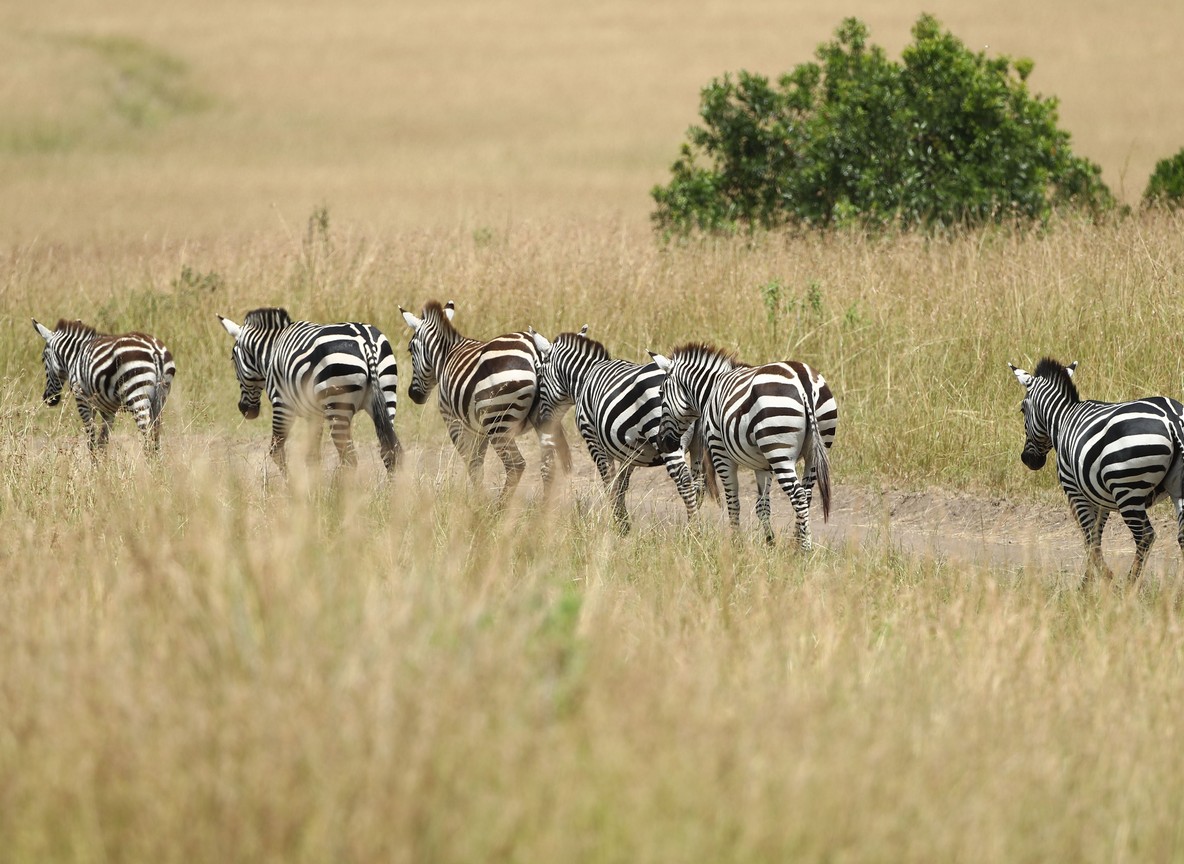
Tanzania’s Serengeti holds the migration for more months of the year. But the river-crossing spectacle, wildebeest and zebra plunging into crocodile-filled water, is a Kenyan moment. It happens at the Mara River, inside the Masai Mara National Reserve and its bordering conservancies. The main window runs from late July through October. The Masai Mara-Serengeti ecosystem covers roughly 40,000 square kilometers combined. The crossing points on the Kenyan side, Lookout Hill, Purungat and Cul-de-Sac, are where most migration photographs you have seen were actually taken.
3. More Ecosystems in a Shorter Distance Than Anywhere Else
Within about 350 kilometers of Nairobi, Kenya packs in several distinct worlds. There are the open plains of the Masai Mara, the elephant herds and Kilimanjaro views of Amboseli, and the red-earth desert of Samburu along the Ewaso Nyiro River. Add the alkaline flamingo lake at Nakuru and the snow-capped peaks of Mount Kenya. No other African safari country lets you move between savanna, desert, alpine and Rift Valley lake habitat on drives that mostly run four to six hours.
4. A Conservancy Model That Actually Works
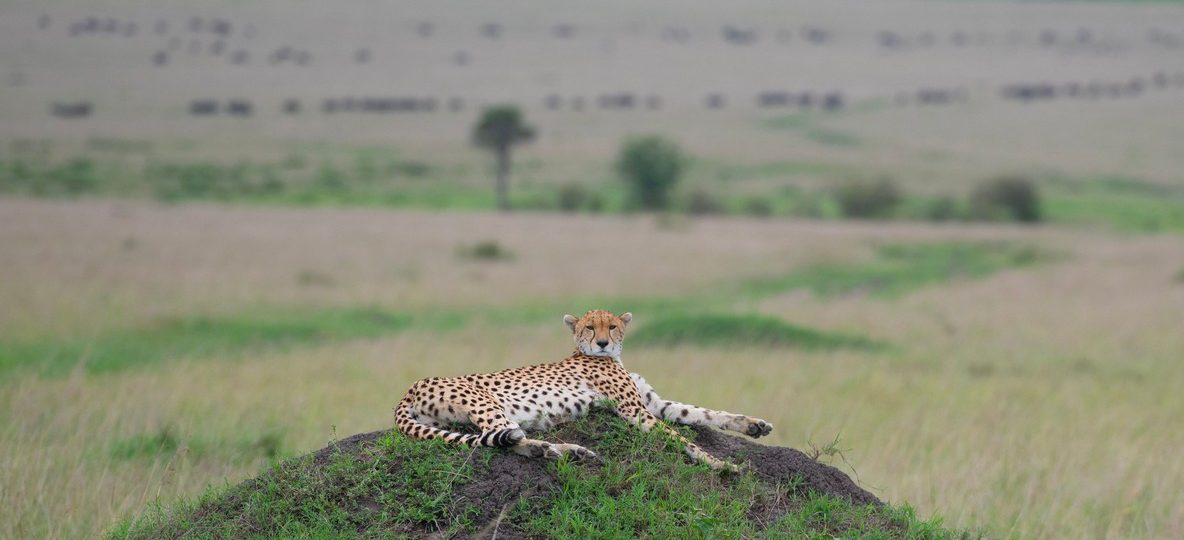
Kenya pioneered the community conservancy model. Maasai and other local landowners lease grazing land to tourism operators for guaranteed income, and that spreads wildlife habitat far beyond national park boundaries. Conservancies bordering the Masai Mara alone, including Naboisho, Mara North and Olare Motorogi, add tens of thousands of protected acres. Vehicle density there is lower than in the main reserve, and they permit night drives and walking safaris that national reserves do not. This model now covers a meaningful share of Kenya’s wildlife habitat outside gazetted parks, and it pays land-use fees directly to the families who live there.
5. Direct Global Access Through Nairobi
Jomo Kenyatta International Airport (JKIA) is one of the busiest aviation hubs in Africa. It runs direct or one-stop flights from major cities including London, Amsterdam, Doha, Dubai, Mumbai and New York. From JKIA, Wilson Airport handles scheduled light-aircraft flights to more than 30 bush airstrips. That means a traveler can land in Nairobi in the morning and be on a game drive in the Masai Mara or Amboseli by early afternoon. Tanzania’s main safari gateway, Kilimanjaro International Airport, has fewer long-haul direct routes. That usually means an extra connection through Nairobi, Doha or Addis Ababa first.
6. A Safari for Every Budget
Kenya’s lodge and camp market spans a wider price range than most competing destinations, from public-campsite budget trips to ultra-luxury tented camps. Indicative nightly rates run from roughly 80 US dollars per person for budget mobile camping safaris to 150 to 400 US dollars for mid-range lodges. Luxury conservancy camps run 600 US dollars or more per person, all excluding park fees and transport. That range means a family on a fixed budget and a honeymoon couple chasing an exclusive conservancy stay can both build a real Kenya itinerary, instead of settling for a compromise.
7. Community-Owned Tourism You Can Feel on the Ground
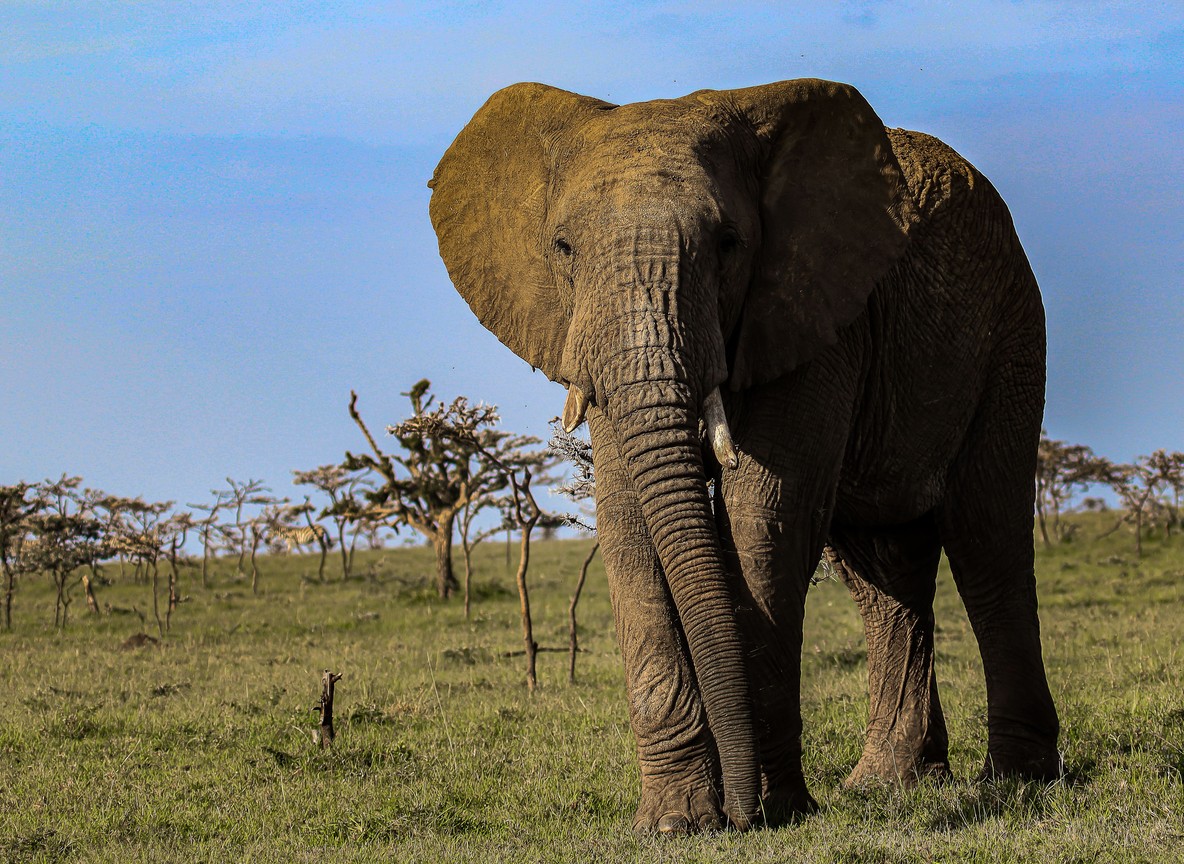
So much of Kenya’s wildlife habitat sits on community and conservancy land, rather than inside government-run parks. That means a larger share of tourism revenue reaches the people who share the landscape with the animals. Maasai, Samburu and other communities work as guides, rangers and camp staff on land their families still hold rights to. Trunktrails Safaris works with these communities directly when building routes. Your booking supports the same conservancies you are driving through, not a distant concession holder.
Kenya vs Tanzania vs South Africa: How the Numbers Compare
Here is how Kenya stacks up against the two other major safari countries on the factors that actually shape a trip.
| Factor | Kenya | Tanzania | South Africa |
|---|---|---|---|
| Flagship reserve | Masai Mara, approx. 1,510 km² | Serengeti, approx. 14,750 km² | Kruger, approx. 19,485 km² |
| Migration river crossings | Yes, Mara River, late Jul-Oct | Migration present most of the year, crossings mainly on Kenya side | No wildebeest migration |
| Main international gateway | JKIA Nairobi, 50+ direct/one-stop long-haul routes | Kilimanjaro Intl Airport, fewer direct long-haul routes | OR Tambo Johannesburg, major long-haul hub |
| Entry fee, flagship park (indicative, non-resident/day) | approx. $80 (Masai Mara) | approx. $82 (Serengeti) plus separate crater fees | approx. $27 (Kruger, self-drive gate rate) |
| Night drives / walking safaris | Yes, in conservancies (not in national reserves) | Limited, mostly private concessions | Yes, in many private reserves |
| Community conservancy coverage | Extensive, dozens of conservancies bordering key parks | Growing, fewer conservancies bordering Serengeti | Limited outside private reserve model |
These figures are indicative ranges drawn from publicly available park and airport data and shift with policy updates, so always confirm current rates with your Trunktrails Safaris guide before booking.
Kenya Safari Planning Facts at a Glance
| Park / Region | Size | Distance from Nairobi | Drive Time | Entry Fee (indicative, non-resident/day) |
|---|---|---|---|---|
| Masai Mara National Reserve | approx. 1,510 km² | approx. 270 km | 4.5-5 hrs (or 45 min flight to Keekorok/Musiara) | approx. $80 |
| Amboseli National Park | approx. 392 km² | approx. 240 km | 4 hrs (or 45 min flight) | approx. $60 |
| Lake Nakuru National Park | approx. 188 km² | approx. 160 km | 2.5-3 hrs | approx. $60 |
| Samburu National Reserve | approx. 165 km² | approx. 345 km | 6 hrs (or 1 hr flight) | approx. $70 |
| Ol Pejeta Conservancy | approx. 364 km² | approx. 200 km | 4 hrs (or flight to Nanyuki) | approx. $50 |
| Tsavo East National Park | approx. 13,747 km² | approx. 240 km via Voi Gate | 4-5 hrs | approx. $52 |
The Trunktrails Advantage
Knowing why Kenya is best safari country still leaves the harder question. How do you turn that into a trip that actually delivers the migration crossing, the conservancy night drive, and the lodge that fits your budget, without wasting days on transfers?
Trunktrails Safaris is a Kenyan-owned operator. We build routes around what is actually happening on the ground this month, not a generic template reused for every client. Our guides work directly with conservancy rangers and research programs across the Masai Mara, Amboseli and Samburu. That means you get current information on pride movements and crossing activity, instead of guesswork. We sequence parks to cut transfer time, match lodges to real budgets instead of upselling, and put a share of every booking back into the conservancies and communities that make Kenya’s wildlife possible.
Trunktrails Safaris treats tours and safaris as a craft built around your dates and your budget, not a fixed package. That is the difference between a trip that checks a box and one that shows you why Kenya earned its reputation in the first place. ✨
Ready to See Why Kenya Still Wins?
You now have the real numbers behind why Kenya is best safari country in 2026, from migration timing to park fees to flight access. The next step is turning that into dates, a budget and a route that fits your trip.
Tell Trunktrails Safaris how many days you have and what you want most. Maybe that is migration crossings, a conservancy night drive, or a mix of savanna and coast. We will build tours and safaris around it using guides who track this ground in real time. Trunktrails Safaris runs tours and safaris across every park in this guide, backed by a Kenyan-owned team that lives where you are visiting. 📸
Further reading
More safari planning resources
- Wildebeest migration route map from Valley Safaris
- Mara River crossing guide on Touring Insights
- Great Migration safari collection on FindMySafari
- Interactive Maasai Mara map from Valley Safaris
WhatsApp: +254 113 208888 Email: info@trunktrailssafaris.com Website: https://trunktrailssafaris.com