Kalama Conservancy Kenya: Inside Samburu’s Most Expansive Community-Powered Safari
Kalama Conservancy Kenya sits on the southern edge of the Samburu ecosystem, and it is one of the largest community-owned conservancies in the region. Unlike a national reserve run by a government wildlife body, Kalama is owned, grazed, patrolled and protected by the Samburu community itself, working through the Northern Rangelands Trust (NRT) network. For travelers who want the same elephants, leopards and Samburu Special Five wildlife as the national reserve, minus the crowds, Kalama is the answer most safari guides never mention. 🐘
At Trunktrails Safaris, we build a meaningful share of our northern Kenya itineraries around conservancies like Kalama, because the wildlife density rivals the national reserve and the money spent on tours and safaris here goes directly back into local schools, health posts and ranger salaries. This guide covers exactly where Kalama sits, what you will see, where to sleep, and how it stacks up against Samburu National Reserve next door.
What Is Kalama Community Conservancy?
Kalama Community Conservancy was established in the early 2000s as one of the founding members of the Northern Rangelands Trust, the umbrella body that now supports dozens of community conservancies across northern Kenya. The land belongs to the Samburu pastoralist community. Grazing, security and tourism revenue are all managed by a locally elected conservancy board, not by a national parks authority.
Kalama covers roughly 440 square kilometers of dry savannah, doum palm river-line and rocky hill country immediately south of Samburu National Reserve. It shares an unfenced boundary with the reserve, which means wildlife moves freely between the two, following the Ewaso Nyiro River corridor as it always has.
Where Kalama Sits in the Samburu Ecosystem
Kalama borders Samburu National Reserve to the north and sits close to Westgate and Namunyak conservancies, forming a connected corridor of community land that is bigger, in total, than the national reserve itself. The nearest town is Wamba, with Archer’s Post acting as the main gateway to the wider Samburu circuit.
| Landmark | Distance / Detail |
|---|---|
| Nairobi to Kalama Conservancy (road) | Approximately 325 km via Nanyuki and Archer’s Post, around 6 hours drive |
| Nairobi (Wilson Airport) to nearest airstrip | Around 1 hour by scheduled light aircraft to Samburu/Kalama airstrips |
| Kalama Conservancy to Samburu National Reserve (Archer’s Gate) | Roughly 15 to 20 km, under 30 minutes by 4×4 |
| Boundary river | Ewaso Nyiro River (shared with Samburu National Reserve and Buffalo Springs) |
| Conservancy size | Approximately 440 km2 |
| Samburu National Reserve size | Approximately 165 km2 |
| Buffalo Springs National Reserve size | Approximately 131 km2 |
Because Kalama is roughly double the size of Samburu National Reserve on its own, and connects onward to Westgate and Namunyak, the effective wildlife range is far larger than most visitors realize.
Wildlife in Kalama Conservancy
The Samburu ecosystem is famous for the “Samburu Special Five”, species adapted to this dry, red-soil landscape that are hard to find further south. Kalama shares this exact wildlife population with the national reserve because there is no fence between them.
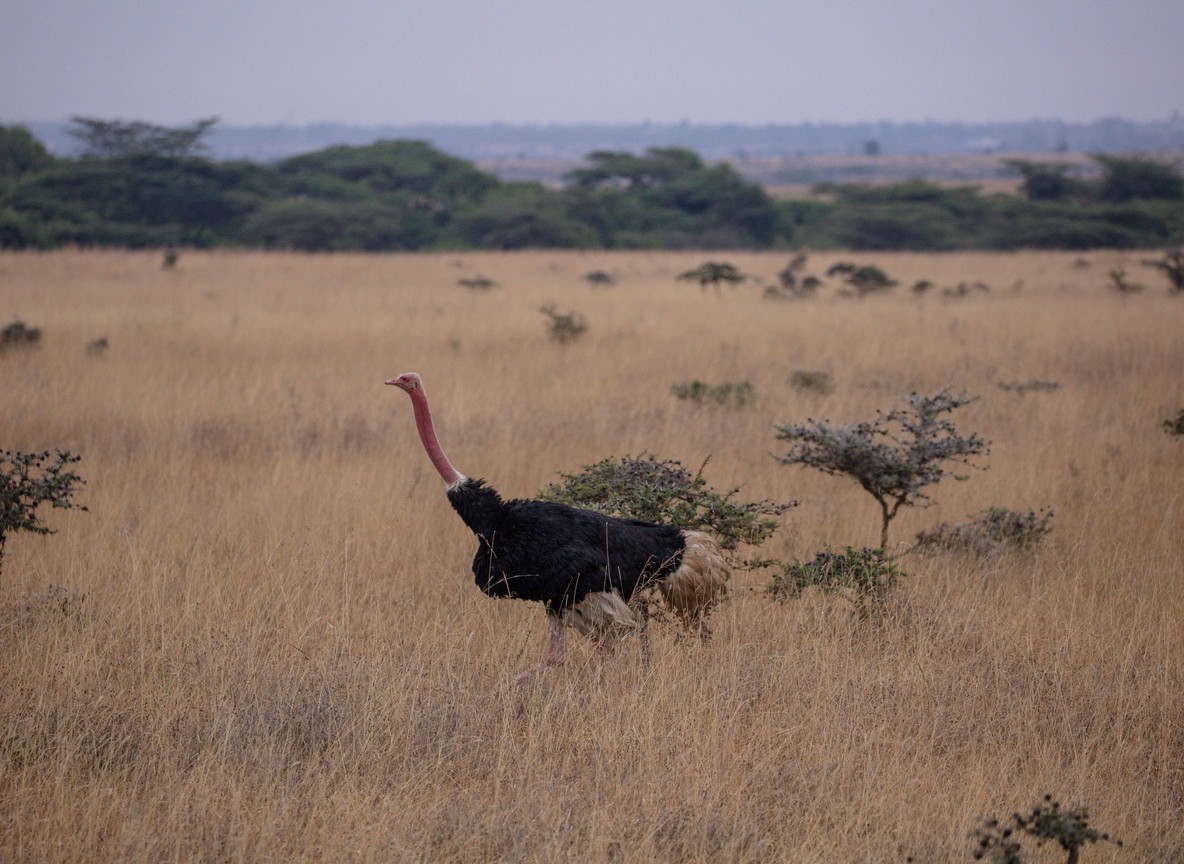
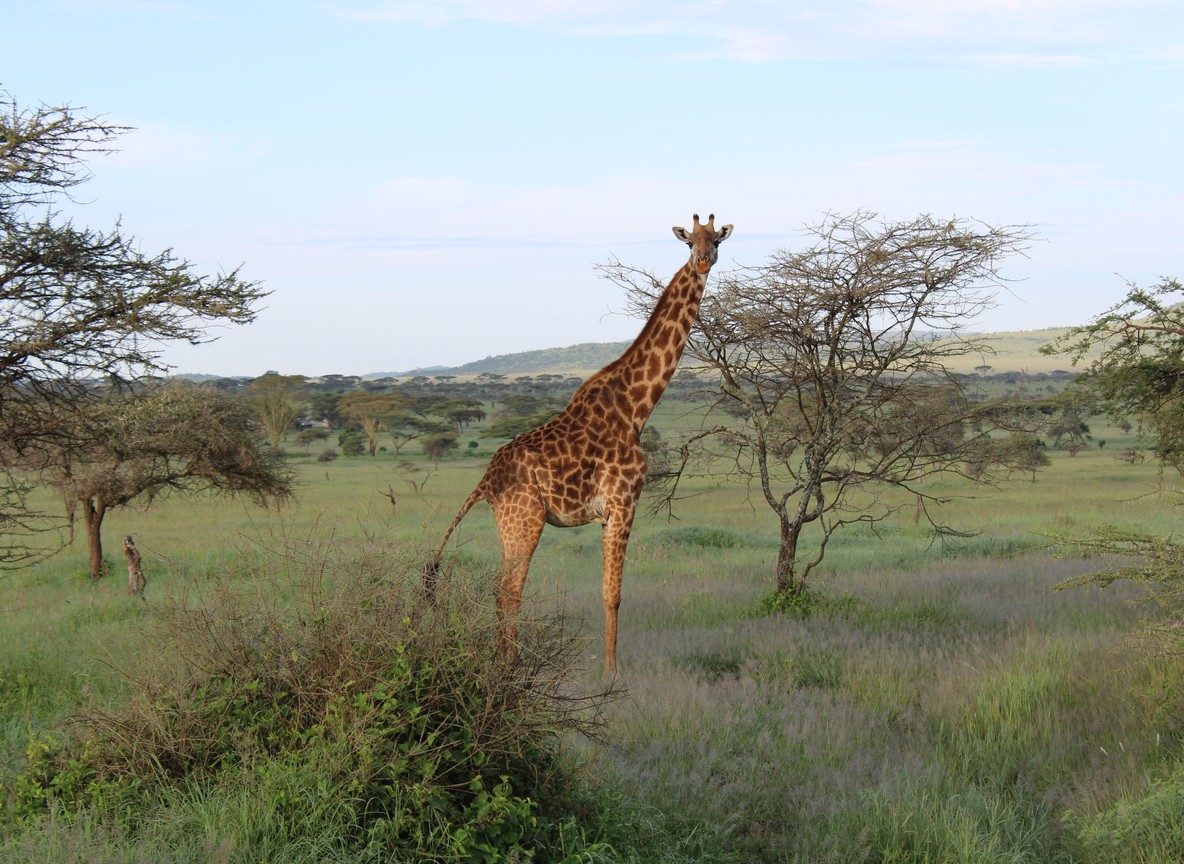
Expect Grevy’s zebra (the rarer, narrow-striped cousin of the plains zebra), reticulated giraffe, Beisa oryx, gerenuk (the long-necked antelope that stands on its hind legs to browse), and Somali ostrich. Elephant herds move through the doum palm river-line in large numbers, and Kalama’s hill country holds resident leopard and lion prides that regularly cross into and out of the reserve.
Because Kalama is a conservancy rather than a national reserve, activities restricted inside Samburu National Reserve, such as guided walking safaris and night game drives, are permitted here. That single difference often shapes which side of the boundary an experienced safari traveler chooses to sleep on.
Community Conservation: How Kalama Actually Works
This is the part that separates Kalama from a standard park visit. Conservancy fees paid by guests go into a trust managed by the community, which funds ranger salaries, primary schools, mobile health clinics and grazing management for local livestock. Northern Rangelands Trust conservancies like Kalama employ community rangers, many of them Samburu themselves, who patrol on foot and by vehicle and report wildlife and security data back to NRT’s regional monitoring system.
This model has measurable outcomes. Grevy’s zebra, one of the world’s most endangered zebra species with only a few thousand left in the wild, depends heavily on this network of Samburu conservancies for its survival, because most of its remaining range sits on community land like Kalama rather than inside gazetted parks.
For travelers who care where their safari money actually goes, this is the strongest argument for choosing Kalama over a reserve-only itinerary.
Where to Stay: Camps in and Around Kalama
Kalama has limited but high-quality accommodation, deliberately kept small to protect the low-density feel that makes conservancies worth visiting in the first place.
| Camp / Lodge | Location | Style | Indicative Rate (per person/night, all-inclusive) |
|---|---|---|---|
| Saruni Samburu | Hilltop within Kalama Conservancy | Boutique, 5-6 stone cottages, infinity pool | USD 550 to 750 (indicative, confirm current rates) |
| Elephant Bedroom Camp | Samburu National Reserve, on the Ewaso Nyiro River | Tented camp, river frontage | USD 400 to 600 (indicative, confirm current rates) |
| Elephant Watch Camp | Samburu National Reserve | Eco-luxury tented, family-run | USD 500 to 700 (indicative, confirm current rates) |
| Sarara Camp | Namunyak Conservancy (Kalama’s northern neighbor) | Remote luxury, singing wells nearby | USD 700 to 950 (indicative, confirm current rates) |
Saruni Samburu is the only lodge physically inside Kalama Conservancy, built into a rocky hillside with views over the reserve below. It is small, it books out fast in peak months, and it is the property Trunktrails Safaris recommends most often when a guest specifically asks for a conservancy-based Samburu stay.
Kalama Conservancy vs Samburu National Reserve
Guests planning a first Samburu trip usually ask the same question: reserve or conservancy? Here is the honest comparison.
| Factor | Kalama Conservancy | Samburu National Reserve |
|---|---|---|
| Ownership | Community-owned, NRT-managed | Managed by Samburu County Council |
| Size | Approximately 440 km2 | Approximately 165 km2 |
| Night game drives | Permitted | Not permitted |
| Walking safaris | Permitted with armed community ranger | Not permitted |
| Vehicle density at sightings | Low, often one vehicle per sighting | Can be higher in peak season |
| Entry/conservation fee | Indicative USD 30 to 60 per person per night, varies by camp | Indicative USD 70 to 100 per adult per 24 hours, confirm current KWS/county rate |
| Revenue destination | Local trust: schools, clinics, ranger salaries | County government revenue |
Neither option is wrong. Many Trunktrails Safaris itineraries combine two or three nights in Samburu National Reserve with a night or two in Kalama or Namunyak, so guests get both the classic reserve game drive and the slower, walking-safari conservancy experience.
Best Time to Visit Kalama Conservancy
The dry seasons, January to March and June to October, bring wildlife concentrated along the Ewaso Nyiro River and its tributaries, since surface water elsewhere dries up. This is peak Grevy’s zebra and elephant viewing. The shoulder months of November and April to May bring short rains, greener country, fewer vehicles, and lower camp rates, which suits travelers who prioritize a quieter conservancy visit over guaranteed dry-season density.
Getting There
Most visitors fly into Nairobi’s Wilson Airport and take a scheduled light-aircraft flight to one of the Samburu-area airstrips, landing around an hour later. From there, camps arrange a road transfer of 20 to 40 minutes depending on which side of the ecosystem you are staying on. Self-drive travelers typically route through Nanyuki and Isiolo, joining the Isiolo-Archer’s Post road before turning off toward Wamba and the Kalama Conservancy gate. Road conditions deteriorate quickly after rain, so a 4×4 with high clearance is standard for this route, not optional.
The Trunktrails Advantage
Trunktrails Safaris builds Samburu itineraries around the full ecosystem, not just the reserve boundary on a map. Our guides know which side of the Kalama Conservancy fence line the lion pride is denning in this month, which conservancy rangers to check in with, and which lodges are worth the extra drive time. We prioritize community conservancies like Kalama in our tours and safaris because they protect the same wildlife the reserve depends on, while putting guest spending directly into Samburu households.
When you book tours and safaris with Trunktrails Safaris, you are not choosing between “the reserve” and “the conservancy”. We build both into one itinerary, timed so you get the classic Samburu game drive and the quieter, walking-safari side of Kalama, without wasting a single transfer day. Trunktrails Safaris handles every permit, ranger booking and camp reservation so the logistics of this corridor never fall on you. 🌍
Ready to Add Kalama to Your Samburu Safari?
Kalama Conservancy Kenya is not a detour, it is the missing half of a proper Samburu trip. If you want elephants, Grevy’s zebra and a night walk with a Samburu ranger, alongside the classic reserve game drive, this is the itinerary structure that delivers it.
Further reading
More safari planning resources
- Map of Samburu from Valley Safaris
- Samburu National Reserve guide on Touring Insights
- Samburu destination guide on FindMySafari
- Kenya national parks map from Valley Safaris
Message Trunktrails Safaris on WhatsApp at +254 113 208888 or email info@trunktrailssafaris.com to build a Samburu and Kalama Conservancy itinerary around your travel dates. Camp space at Saruni Samburu is limited, and peak dry-season dates fill months ahead, so reach out now to lock in the right camp for when you want to travel. ✨