
Why Kenya Is Still the World’s Best Safari Country in 2026
Ask ten well-traveled safari-goers why Kenya is best safari country and you will get ten overlapping answers: the Great Migration, the Big Five, the conservancies, the guides. All of them are correct, and none of them alone explain it. Kenya earns the title because it stacks every one of those advantages inside a compact, well-connected country where a traveler can go from Nairobi to a river crossing in the Masai Mara in under an hour by air.
At Trunktrails Safaris, we plan tours and safaris across Kenya’s parks and conservancies every week, and 2026 bookings confirm what the numbers below show. Here are seven concrete reasons Kenya still leads, with real distances, fees and park sizes so you can compare it against anywhere else on your shortlist. 🦁
The Numbers That Back It Up
Before the reasons, the facts. Prices below are indicative ranges only, always confirm current rates at booking since park fees change with government gazette notices.
| Kenya Park or Conservancy | Size (km²) | Known For | Distance From Nairobi |
|---|---|---|---|
| Masai Mara National Reserve | ~1,510 km² | Great Migration river crossings | ~270 km / 5-6 hr drive, or 45-min flight from Wilson Airport to Keekorok or Ol Kiombo airstrip |
| Amboseli National Park | ~392 km² | Elephant herds beneath Mount Kilimanjaro | ~240 km / 4-5 hr drive, or 45-min flight to Amboseli airstrip |
| Tsavo East National Park | ~13,747 km² | Kenya’s largest park, red-dust elephants | ~330 km / 4-5 hr drive |
| Ol Pejeta Conservancy | ~360 km² | Last two northern white rhinos, Big Five | ~200 km / 3-3.5 hr drive |
| Samburu National Reserve | ~165 km² | Special Five species, Ewaso Ng’iro River | ~345 km / 5-6 hr drive, or roughly 1-hr flight |
And here is how Kenya stacks up against the other three countries most safari travelers compare it to:
| Country | Flagship Park | Park Size (km²) | Non-Resident Park Fee (indicative, per day) | Gateway City to Park |
|---|---|---|---|---|
| Kenya | Masai Mara National Reserve | ~1,510 km² | USD 80-100 | Nairobi to Mara: ~270 km / 45-min flight |
| Tanzania | Serengeti National Park | ~14,750 km² | USD 70-82 | Arusha to Serengeti: ~325 km / 1-hr flight |
| South Africa | Kruger National Park | ~19,485 km² | USD 26-30 | Johannesburg to Skukuza: ~430 km / 1-hr flight |
| Botswana | Moremi Game Reserve | ~5,000 km² | USD 65-80 plus concession fees | Maun to Delta camps: 20-45 min charter flight |
Kenya’s parks are smaller individually, but that is precisely the point below.
1. The Great Migration Is Still Kenya’s Alone to Finish
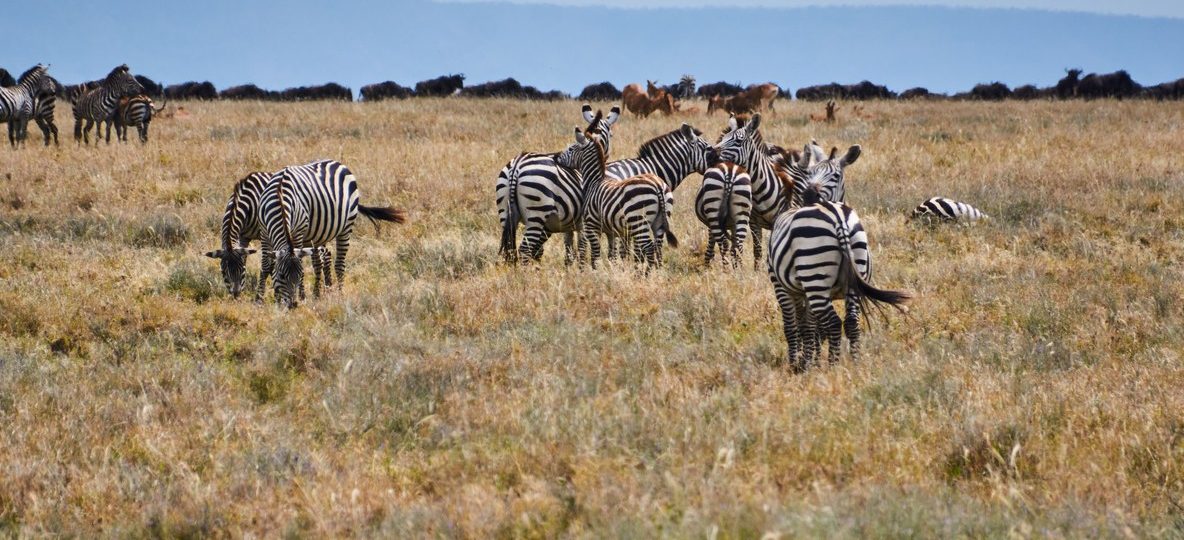
Tanzania holds most of the Serengeti ecosystem, but the drama everyone pictures, wildebeest plunging into a crocodile-filled river, happens on the Kenyan side. The Mara River crossings run from roughly July through October, concentrated in a reserve less than a tenth the size of the Serengeti. That density means shorter game drives between sightings and more time actually watching wildlife instead of driving toward it.
Camps positioned along the river, such as those near the Mara Triangle and the Talek River confluence, can reach a fresh crossing in twenty minutes rather than the ninety-minute transfers common in larger, more spread-out ecosystems. For a traveler with a five-day window, that difference decides whether you see one crossing or three.
2. More Big Five Habitat Packed Into Shorter Drives
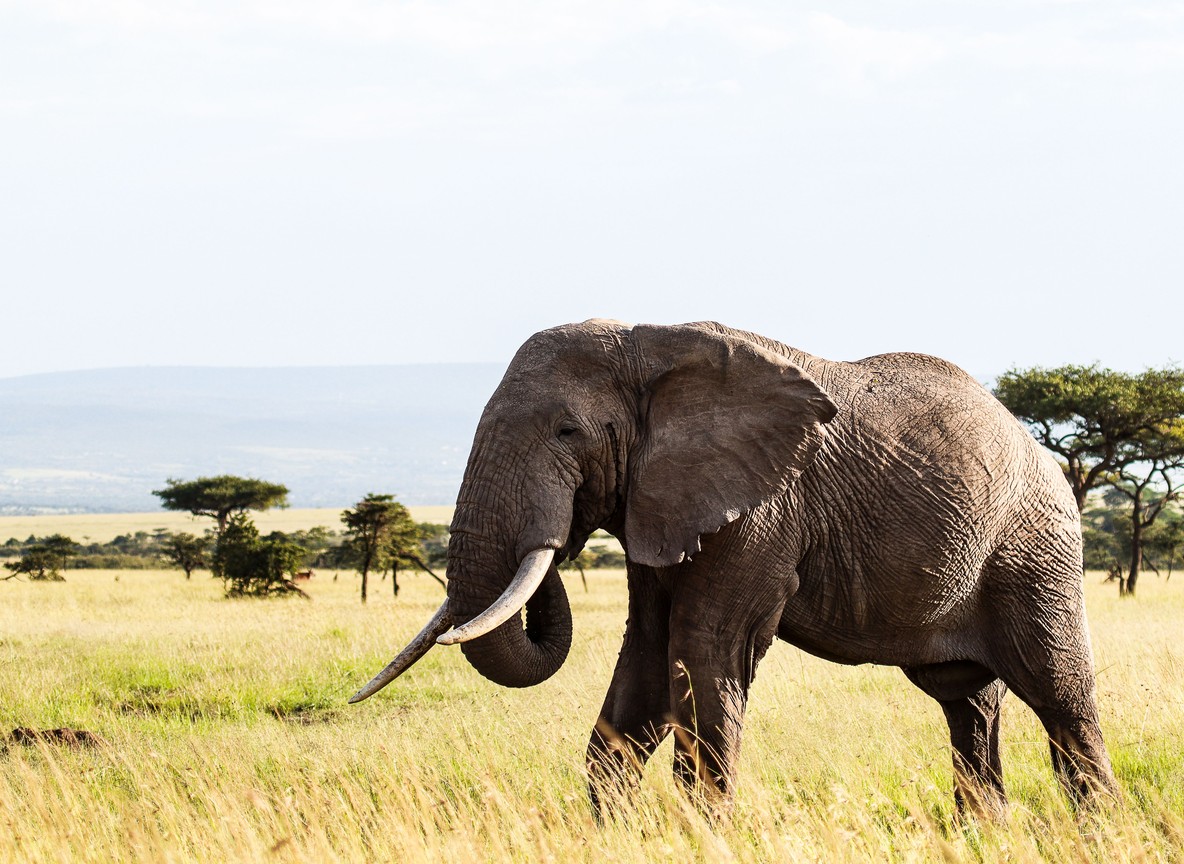
Because Kenya’s major parks sit closer together than Tanzania’s or South Africa’s, a two-week itinerary can realistically combine the Masai Mara, Amboseli and Samburu without days lost to transfers. Amboseli alone delivers some of the most photographed elephant-and-Kilimanjaro backdrops in the world, and it sits under five hours from Nairobi by road.
Tsavo East, at roughly 13,747 km², is Kenya’s largest park and home to the red-dust elephant herds that get their color from the park’s iron-rich soil. Pairing a compact reserve like the Mara with a vast wilderness like Tsavo East in one trip is far easier in Kenya than trying to combine two parks of that size difference almost anywhere else on the continent.
3. Community Conservancies Change What “Safari” Means
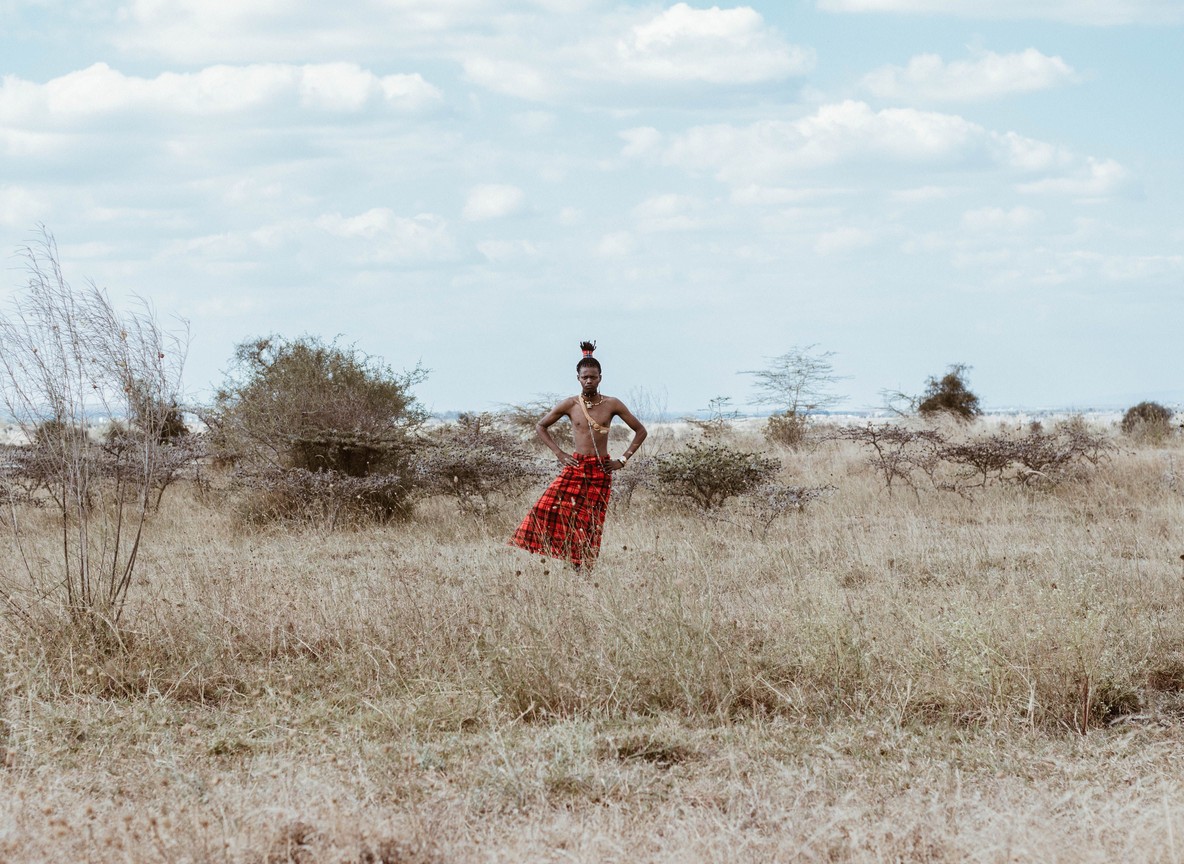
Kenya pioneered the private and community conservancy model at scale. Naboisho, Mara North and Il Ngwesi are owned or co-owned by Maasai and Samburu landholders, with strict vehicle limits per sighting and off-road access that national reserves do not allow. Travelers who want an exclusive, low-impact experience away from crowded viewpoints get it here, and a share of conservancy fees goes directly to the communities that host the wildlife.
Il Ngwesi, on the edge of Laikipia, was one of the first community-owned lodges of its kind in Africa and still returns its profits to the surrounding group ranch rather than an outside investor. That funding model, replicated across dozens of conservancies since, is a large part of why Kenya’s wildlife numbers outside national parks have held steadier than in countries where community land has no direct stake in tourism revenue.
4. Year-Round Wildlife Viewing Near the Equator
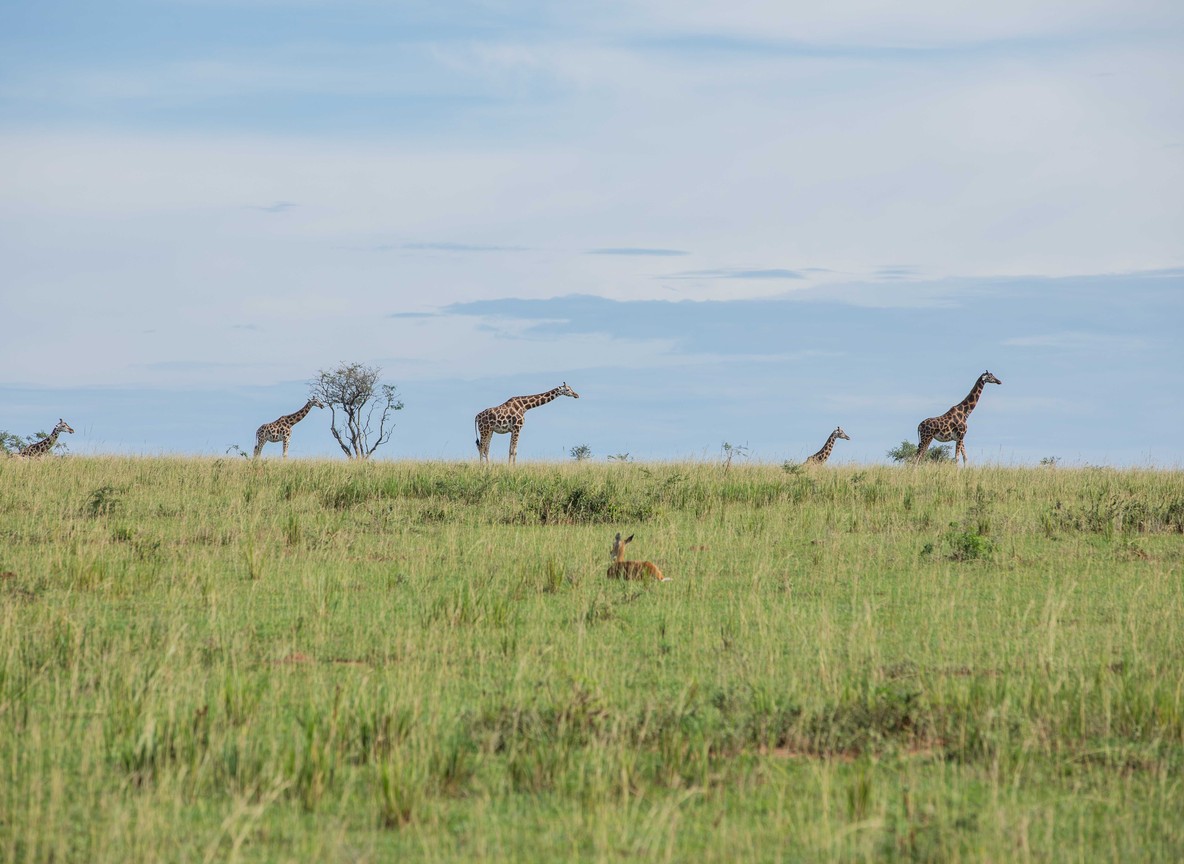
Kenya’s proximity to the equator means every park has resident wildlife twelve months a year, migration season or not. Amboseli’s elephants, Samburu’s Special Five (Grevy’s zebra, reticulated giraffe, Somali ostrich, gerenuk and Beisa oryx) and Ol Pejeta‘s rhinos do not depend on a single migratory window. That gives Kenya safari destinations a flexibility that migration-only itineraries in other countries cannot match.
5. Real Conservation Wins, Not Just Marketing Copy
Ol Pejeta Conservancy protects the world’s last two northern white rhinos and runs one of Africa’s most successful black rhino breeding programs. Laikipia’s rhino sanctuary network has helped grow Kenya’s black rhino population steadily over the past decade after near-collapse in the 1980s. These are measurable outcomes, not slogans, and they matter to travelers who want their trip to fund conservation rather than just observe it.
6. Accessibility Beats the Competition
Kenya’s safari infrastructure is built for short connections. Wilson Airport in Nairobi runs dozens of daily light-aircraft flights to Mara, Amboseli, Samburu and Laikipia airstrips, most under an hour. Compare that to the longer road transfers or costlier charter networks needed to reach the deeper Serengeti or the Okavango Delta, and Kenya wins on time spent viewing wildlife versus time spent in transit.
7. Value Across Every Budget Tier
Because Kenya’s parks and conservancies are close together, a single trip can mix a public-reserve budget day with a splurge night in a private conservancy, something harder to engineer in countries where flagship parks sit hundreds of kilometers apart. Kenya vs Tanzania safari comparisons usually come down to this: Tanzania’s parks are larger and more remote, Kenya’s are denser, more accessible and easier to combine on one trip.
Kenya vs Tanzania vs South Africa: Which Fits Your Trip?
| If You Want. | Best Choice | Why |
|---|---|---|
| The river crossing spectacle | Kenya (Masai Mara) | Crossings concentrate in a compact reserve |
| The largest single wilderness | Tanzania (Serengeti) | Nearly ten times the Mara’s size |
| Self-drive and lower park fees | South Africa (Kruger) | Paved roads, budget-friendly conservation fee |
| Water-based, boat-and-vehicle safaris | Botswana (Okavango Delta) | Seasonal flooding creates a unique ecosystem |
| Short flights between diverse ecosystems | Kenya | Mara, Amboseli and Samburu all under 1 hour apart by air |
Questions Travelers Ask Before Booking Kenya
Is Kenya safe for a first safari? Kenya’s main safari circuit, Masai Mara, Amboseli, Samburu and Laikipia, sees hundreds of thousands of visitors a year with dedicated tourist police units at park gates and airstrips. Camps and lodges in these areas operate to international safety standards, and licensed guides handle every game drive.
What is the best month to see the migration? The Mara River crossings peak between late July and September, though herds are often present in the reserve from July through October depending on rainfall patterns that year. Booking six to nine months ahead secures the best camps for this window.
Do I need a visa? Most nationalities can apply for Kenya’s eVisa online before arrival, and East Africa Tourist Visa options exist for travelers combining Kenya with Tanzania and Uganda in one trip. Confirm current requirements for your passport before booking flights.
The Trunktrails Advantage
Trunktrails Safaris is a Kenyan-owned operator, and that matters when you are deciding why Kenya is best safari country for your own trip. Our guides grew up in the communities bordering these parks and conservancies, which means route knowledge that goes beyond what a printed itinerary can offer. We build tours and safaris around the specific wildlife windows above, not generic templates, so a July booking gets routed toward the Mara crossings while a January trip gets steered toward Amboseli’s dry-season elephant concentrations.
We also work directly with the community conservancies mentioned in this guide, so your conservancy fees reach the Maasai and Samburu landholders who protect this wildlife. Every Trunktrails Safaris itinerary is built by people who live where you are visiting, not assembled from a database. That is the difference between a safari that looks right on paper and tours and safaris that actually deliver the moments you came for. ✨
Ready to See It Yourself?
The numbers above answer why Kenya is best safari country on paper. The rest only makes sense from a Land Cruiser at sunrise on the Mara plains. Tell us your travel month and we will map it against the migration timing, elephant seasons and conservancy access described here.
Further reading
More safari planning resources
- Wildebeest migration route map from Valley Safaris
- Mara River crossing guide on Touring Insights
- Big Five safari collection on FindMySafari
- Great Migration safari collection on FindMySafari
Message Trunktrails Safaris on WhatsApp at +254 113 208888, email info@trunktrailssafaris.com, or visit trunktrailssafaris.com to start building your 2026 Kenya itinerary today.

