
Kalama Community Conservancy: Samburu’s Most Expansive Community-Powered Safari 🌍
Most safari travelers picture a national reserve when they think of Samburu. Kalama Community Conservancy is a different kind of land altogether. It covers roughly 245,000 acres, community owned, and managed by the Samburu families who have lived on this ground for generations. At Trunktrails Safaris, we treat a stay inside Kalama Conservancy as one of the most meaningful tours and safaris experiences in northern Kenya, because every game drive fee and every bed night here funds local wildlife scouts, schools, and grazing management, not a distant concession holder.
This guide lays out the real numbers behind Kalama Community Conservancy: its size, its location, its fees, and how it compares to the public reserves and other conservancies nearby. Plan your trip on facts, not brochure language.
Kalama Community Conservancy at a Glance: The Facts
Kalama Community Conservancy sits immediately north and east of Samburu National Reserve, in Samburu County. It is one of the founding member conservancies of the Northern Rangelands Trust (NRT), a network that now covers millions of acres across northern and coastal Kenya. Kalama was registered in the early 2000s as local Samburu communities set aside grazing and wildlife zones under a formal conservancy structure, governed by an elected board drawn from the member villages.
The conservancy is large enough that it borders several other protected areas in the wider Ewaso ecosystem, giving wildlife room to move between Samburu National Reserve, Buffalo Springs National Reserve, and neighboring community conservancies such as Namunyak and Meibae without hitting a fence line.
| Kalama Community Conservancy fact | Detail |
|---|---|
| Size | About 245,000 acres (roughly 990 km2) |
| Location | Samburu County, bordering Samburu National Reserve to the south |
| Governance | Community owned, Samburu-elected board, member of Northern Rangelands Trust |
| Founded | Early 2000s, one of NRT’s founding conservancies |
| Distance from Nairobi | About 340 to 360 km, 6 to 7 hours by road |
| Nearest airstrip | Kalama Airstrip, about 60 minutes by charter from Wilson Airport |
| Neighboring reserves | Samburu National Reserve (165 km2), Buffalo Springs (108 km2) |
| Neighboring conservancies | Namunyak, Meibae, West Gate |
| Signature lodge | Saruni Samburu, hilltop villas inside the conservancy |
| Conservancy conservation fee (indicative) | Around 50 to 70 USD per person, per night |
Always confirm current conservancy and Kenya Wildlife Service rates before you travel, since conservation fees are reviewed periodically. The figures above are indicative planning ranges, not fixed quotes.
Why a Community Conservancy Is Different from a National Reserve
A national reserve like Samburu is managed by the county government, with entry fees flowing into public reserve budgets. A community conservancy works differently. Kalama Community Conservancy is owned by the Samburu families whose homesteads sit on or near the land. Grazing zones, wildlife zones, and settlement areas are mapped out together by the community, and a locally elected board decides how conservation fees get spent.
That structure means the money a traveler pays to visit Kalama funds Samburu-run wildlife scouts, bursaries for local students, and de-snaring patrols, rather than being routed through a distant authority. It also means guiding jobs on the ground mostly go to Samburu men and women from the surrounding villages, many trained through NRT’s ranger and guide programs. When you book tours and safaris through Trunktrails Safaris into Kalama, you are putting your safari budget directly into the community that protects the wildlife you came to see.
Wildlife You Can See Inside Kalama Community Conservancy
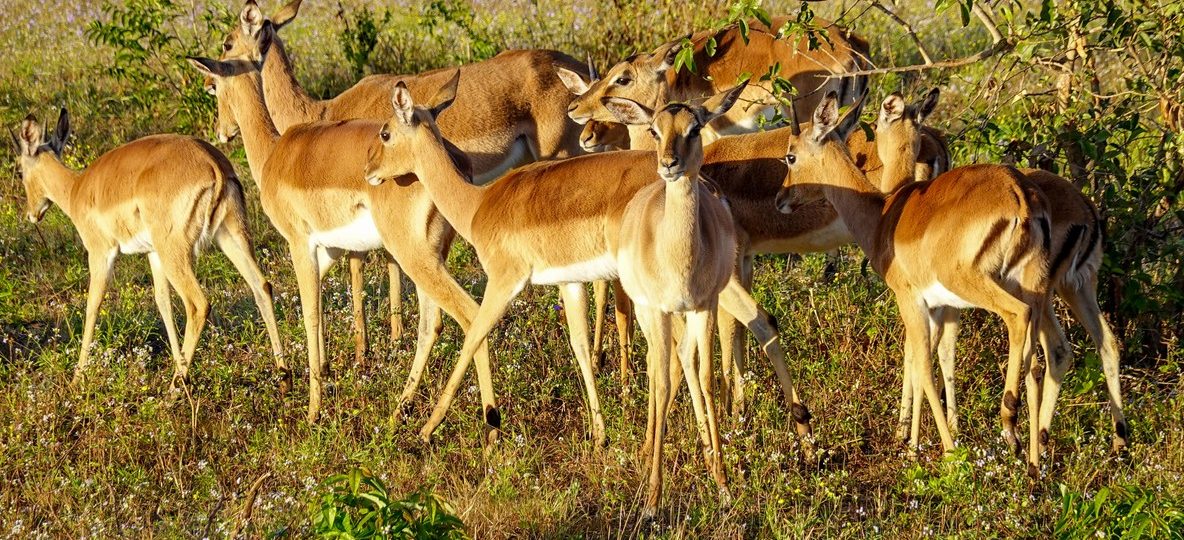
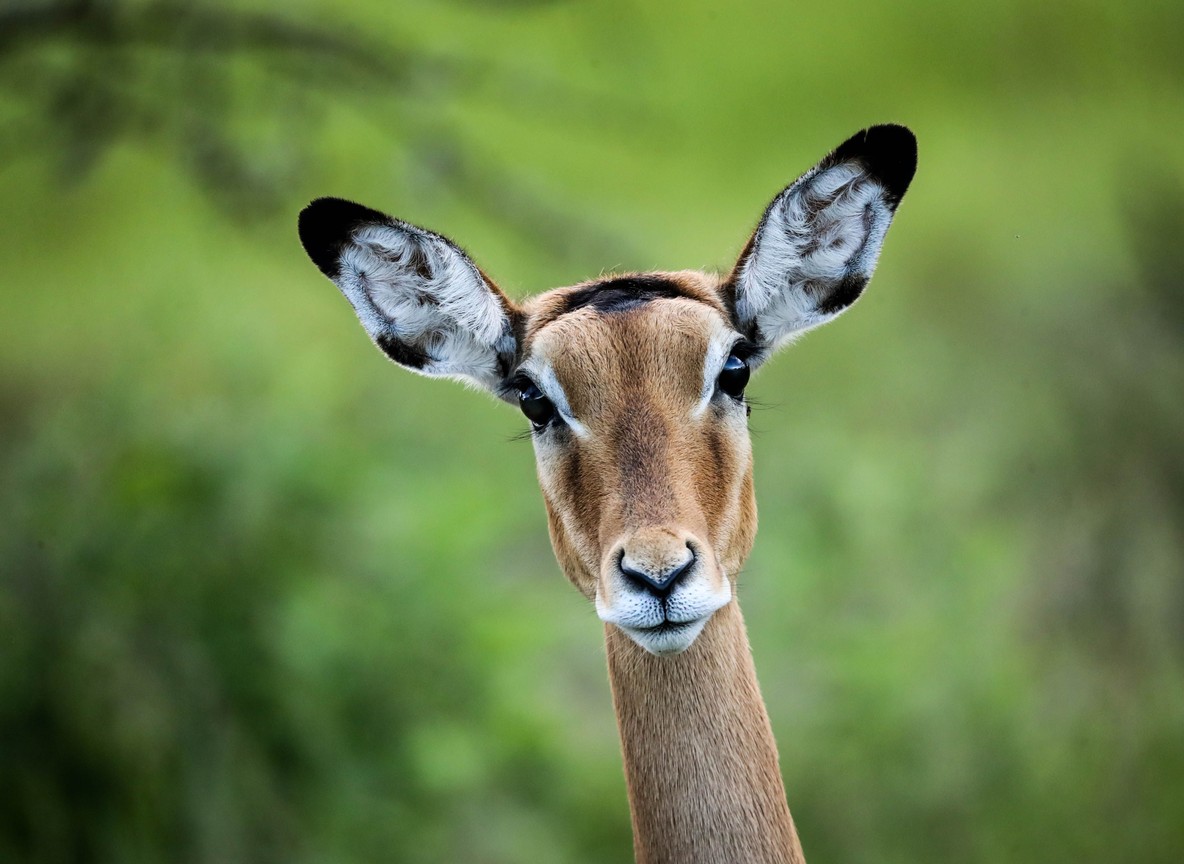
Kalama sits inside the same dry-country ecosystem as Samburu National Reserve, so it holds the same standout species travelers come north to see, plus the space to track predators over longer distances than a crowded reserve allows.
| Species | Why It Is Special | Where to Look |
|---|---|---|
| Elephant | Large herds move between Kalama and the Ewaso Nyiro River system | Riverine corridors and seasonal water points |
| Grevy’s zebra | World’s largest zebra species; fewer than 3,000 remain globally | Open plains across the conservancy |
| Reticulated giraffe | Sharp geometric coat pattern; tallest giraffe subspecies | Acacia woodland near community grazing zones |
| Gerenuk | Stands on hind legs to browse; restricted to arid zones | Thornbush scrub throughout Kalama |
| Leopard | Reliable sightings on night drives, which conservancies allow but reserves do not | Rocky outcrops and riverine forest edges |
Because Kalama is a conservancy rather than a public reserve, camps here can run night game drives and guided walking safaris, both of which are restricted or banned inside Samburu National Reserve itself. That single difference changes what a Trunktrails Safaris itinerary can offer here compared to a standard reserve-only trip.
Meeting Samburu Warriors as Your Guides
One of the defining features of a Kalama safari is the role of Samburu morans, the traditional warrior age-set, as walking guides and cultural hosts. Many of the men who track wildlife on foot inside the conservancy grew up herding cattle across this exact ground, which gives them a reading of animal movement and bush signs that a conventional vehicle-based guide cannot match.
Guests staying at camps inside Kalama, including Saruni Samburu on its hilltop site, can typically arrange a guided walk led by a moran, a visit to a nearby Samburu homestead (manyatta), or an evening around the fire hearing oral history about the conservancy’s founding. This is not a staged cultural show. It is daily life on land the Samburu still graze and manage, opened to visitors on the community’s own terms.
Best Time to Visit Kalama Community Conservancy
Kalama shares Samburu’s semi-arid climate, so it stays productive for wildlife viewing across most of the year rather than having one tight peak season.
| Period | Season | What to Expect |
|---|---|---|
| June to October | Dry season | Wildlife concentrates near permanent water; strongest overall viewing |
| December to February | Short dry spell | Hot clear days, active predators, good visibility |
| March to May | Long rains | Green landscape, fewer visitors, lower rates |
| November | Short rains | Fresh growth, strong birdlife, occasional afternoon showers |
June through October generally delivers the most reliable game viewing, since seasonal water sources shrink and animals gather where the conservancy’s boreholes and river access points still hold water.
How Kalama Compares to Other Samburu-Area Conservancies
Kalama is one of several community conservancies bordering Samburu National Reserve. Here is how it stacks up against two well-known neighbors.
| Feature | Kalama Community Conservancy | Namunyak Conservancy | West Gate Conservancy |
|---|---|---|---|
| Size | About 245,000 acres | About 850,000 acres | About 44,000 acres |
| Signature lodge | Saruni Samburu | Sarara Camp | Sasaab Camp |
| Terrain | Open plains and hilltop ridges | Rugged Mathews Range foothills | Ridge above the Ewaso Nyiro |
| Distinctive feature | Direct border with Samburu National Reserve | Reteti Elephant Sanctuary | Riverside setting with pool suites |
| Best for | Balanced wildlife plus reserve access | Remote wilderness, elephant orphan visits | Design-led luxury with river views |
| Indicative all-inclusive rate (per person/night) | From ~$600 to $900 | From ~$750 | From ~$750 |
All rates are indicative and subject to seasonal variation. Contact Trunktrails Safaris for current verified pricing and availability.
How Do You Get to Kalama Community Conservancy?
By air (recommended): Fly from Nairobi Wilson Airport to Kalama Airstrip on a scheduled daily service. Flight time runs approximately 60 minutes. Camp vehicles handle the short transfer from the airstrip into the conservancy.
By road: Drive north from Nairobi via Nanyuki on the A2 Highway, continuing through Isiolo toward Archer’s Post before turning into Samburu County. Total journey time runs 6 to 7 hours. The final stretch is unpaved community land, so a 4WD vehicle is strongly recommended.
Most guests booking tours and safaris through Trunktrails Safaris fly in to save time, then combine a Kalama stay with a Samburu National Reserve game drive or a Laikipia extension.
The Trunktrails Advantage
At Trunktrails Safaris, we book Kalama Community Conservancy as a direct partnership with the people who own it, not as a generic add-on line item. As a Kenyan-owned operator, we understand the difference between a reserve visit and a conservancy stay where your fees fund Samburu wildlife scouts and local schools by design. Our guides coordinate directly with conservancy rangers to time night drives and walking safaris around the hours when wildlife activity runs highest.
Every Trunktrails Safaris itinerary that includes Kalama pairs it with proper coverage of Samburu National Reserve next door, so guests get both the reserve’s classic game drives and the conservancy’s walking safaris and cultural access. We handle every logistic that trips up independent travelers, from Wilson Airport charter timing to the final unpaved stretch into the conservancy, in dependable 4×4 vehicles. When you book tours and safaris with Trunktrails Safaris, you get a partner who understands how community conservancy tourism actually works on the ground. ✨
Walk This Land with the People Who Own It
Kalama Community Conservancy offers something few safari destinations can claim: a chance to put your travel budget directly into the hands of the Samburu families who protect the wildlife and land you have come to see. At roughly 245,000 acres, it gives you room for night drives, walking safaris, and cultural visits that a national reserve simply cannot offer.
Further reading
More safari planning resources
- Map of Samburu from Valley Safaris
- Samburu National Reserve guide on Touring Insights
- Samburu destination guide on FindMySafari
- Kenya national parks map from Valley Safaris
Picture walking beside a Samburu moran at dawn as he reads fresh leopard tracks in the sand, then hearing the story of how his grandfather’s generation set this conservancy aside. Message Trunktrails Safaris on WhatsApp at +254 113 208888, email info@trunktrailssafaris.com, or visit trunktrailssafaris.com to start planning your Kalama Community Conservancy safari. Tell us how much walking, wildlife, and cultural time you want built into your itinerary. We will design the route around it. 📸