
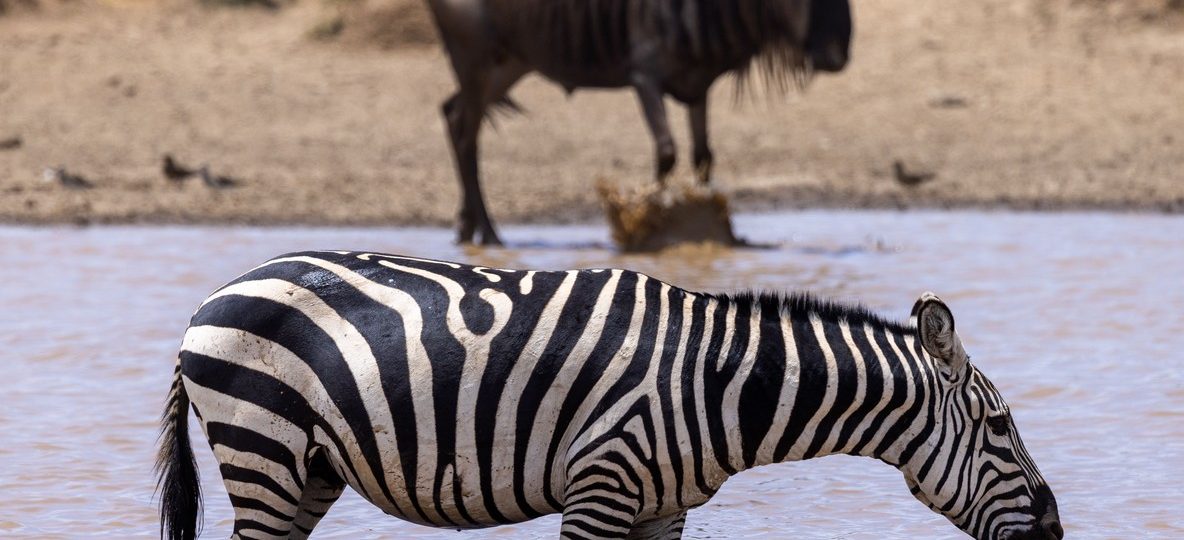
Best Masai Mara Camp for River Crossings: Front-Row Positions Compared
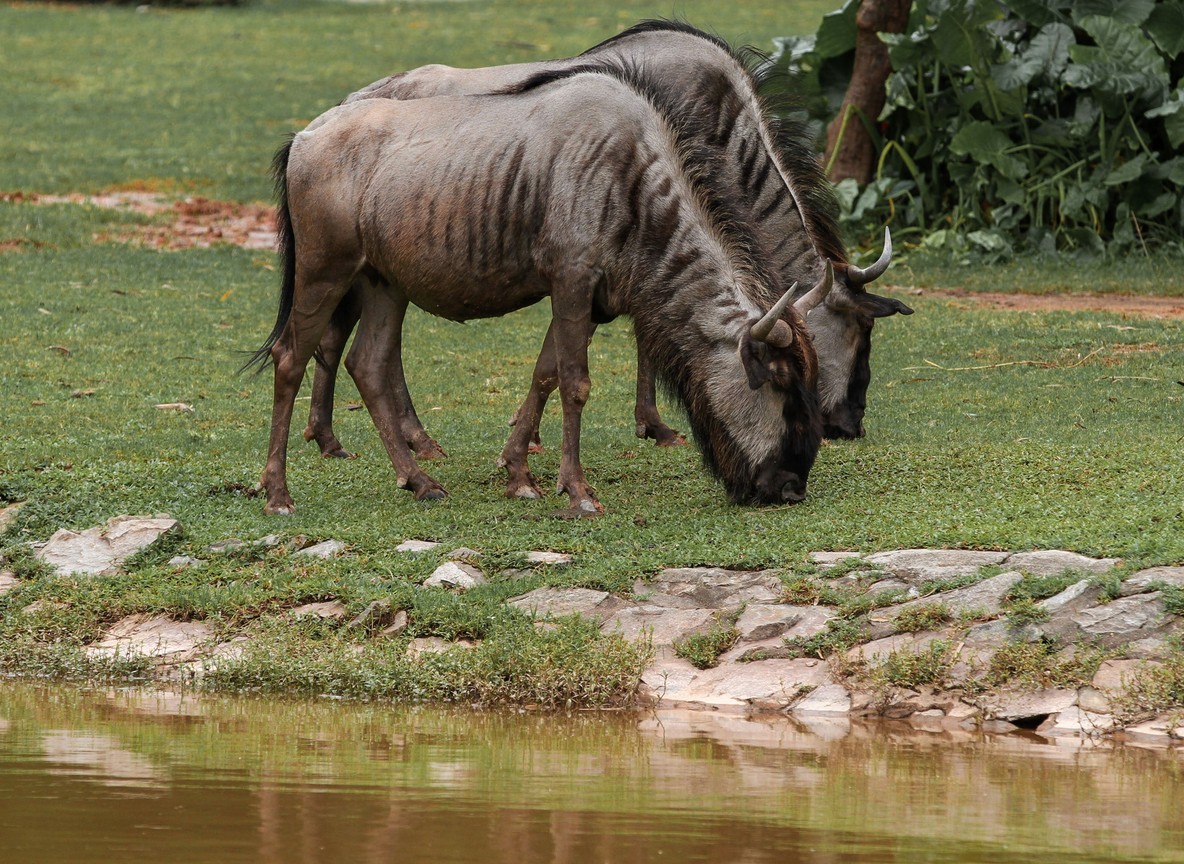
Every year, thousands of visitors watch a wildebeest crossing from a vehicle parked half an hour away, arriving just as the last stragglers scramble up the far bank. The difference between that view and a genuine front-row seat almost always comes down to one decision made months earlier: which camp you booked. 🐘
The Mara River does not move, but the crossing points along it shift by the week depending on herd pressure and water levels. A camp positioned close to the current hot zone puts you at the bank in fifteen minutes. A camp positioned for scenery or seclusion can mean an hour-plus drive each way, twice a day, for the entire stay. This guide breaks down which named camps in the Masai Mara actually deliver on crossing proximity, what that access costs, and where the trade-offs sit.
Masai Mara at a Glance: The Numbers That Matter
| Fact | Figure |
|---|---|
| Masai Mara National Reserve size | 1,510 km² |
| Mara Triangle (Mara Conservancy managed sector) | 510 km² |
| Mara North Conservancy size | 320 km² |
| Nairobi to Masai Mara by road | 270 km, 5-6 hour drive |
| Nairobi (Wilson Airport) to Mara airstrips by air | 45 minutes |
| Main Mara airstrips | Musiara, Keekorok, Ol Kiombo, Mara Serena |
| Reserve entry conservation fee (non-resident, indicative) | USD 80-100 per person per day |
| Conservancy conservation fee (indicative, often bundled into camp rate) | USD 60-100 per person per night |
| Peak crossing season | Late July through September |
These figures set the frame. A camp inside the 510 km² Mara Triangle is working a much smaller, denser patch of river frontage than a camp on the far eastern edge of the 1,510 km² main Reserve. That difference in scale is the entire story behind front-row camp positioning.
Why Camp Position Decides Your Crossing Odds
The Mara River enters the ecosystem from the Mau Escarpment in the northwest and runs south through the Mara Triangle before bending east past the Mara Serena hill and down toward the Tanzania border near the Sand River. Wildebeest herds do not cross evenly along this length. They concentrate at a handful of natural funnel points where the bank gradient and water depth make crossing possible.
A camp’s real value for a river-crossing safari is not its star rating. It is how many minutes separate the camp gate from the current concentration of crossing activity, and whether the camp’s guides have radio access to the wider Mara guiding network that tracks herd movement hour by hour. Trunktrails Safaris builds every migration itinerary around this single variable first, then layers comfort and budget on top.
The Mara River Crossing Points You Are Actually Racing To
Guides refer to a rotating set of named crossing points rather than one fixed spot:
- Paradise Plain and Fig Tree crossing, central Mara River, inside the main Reserve near the Talek confluence
- Lookout Hill crossing, central-west Mara River, on the boundary between the Reserve and the Mara Triangle
- Mara Serena crossing, below the Mara Serena hill in the Mara Triangle
- Cul-de-Sac crossing, a tight river bend in the Mara Triangle that produces some of the most dramatic pile-ups
- Sand River crossing, southern Mara near the Tanzania border, active later in the season
A camp that sits within a short drive of two or three of these points, rather than just one, gives your guide options when the herd changes its mind on the morning of your game drive.
Front-Row Camps Compared
| Camp | Location / Zone | Drive Time to Nearest Crossing (indicative) | Off-Road Access | Price Range (indicative, pppn all-inclusive) |
|---|---|---|---|---|
| Governors’ Camp (Original) | Musiara Marsh, Reserve/Triangle border | 10-15 minutes | Reserve rules apply, limited | USD 600-900 |
| Rekero Camp | Talek and Mara River confluence | 5-15 minutes | Reserve rules apply, limited | USD 700-1,000 |
| Mara Serena Safari Lodge | Hilltop, Mara Triangle | 15-20 minutes | Off-road permitted in Triangle | USD 350-550 |
| Kicheche Mara Camp | Mara North Conservancy | 40-50 minutes | Off-road and night drives permitted | USD 500-750 |
| Angama Mara | Oloololo Escarpment, above Mara Triangle | 45-60 minutes (down the escarpment) | Off-road permitted once at river level | USD 900-1,400 |
| Cottars 1920s Camp | Olderikesi Conservancy, southeast Mara | 90+ minutes | Off-road and night drives permitted | USD 800-1,200 |
Prices are indicative ranges only and shift by season and room category. Always confirm current rates directly.
Governors’ Camp and Rekero Camp: The True Front-Row Seats
If proximity to the crossing points is the single deciding factor, Governors’ Camp and Rekero Camp are the two names that come up first among Mara guides. Governors’ Camp sits directly on the Mara River at Musiara Marsh, close enough that hippo and crocodile activity is visible from the camp itself. Rekero Camp sits at the confluence of the Talek and Mara Rivers, a location historically associated with some of the highest crossing frequency in the ecosystem.
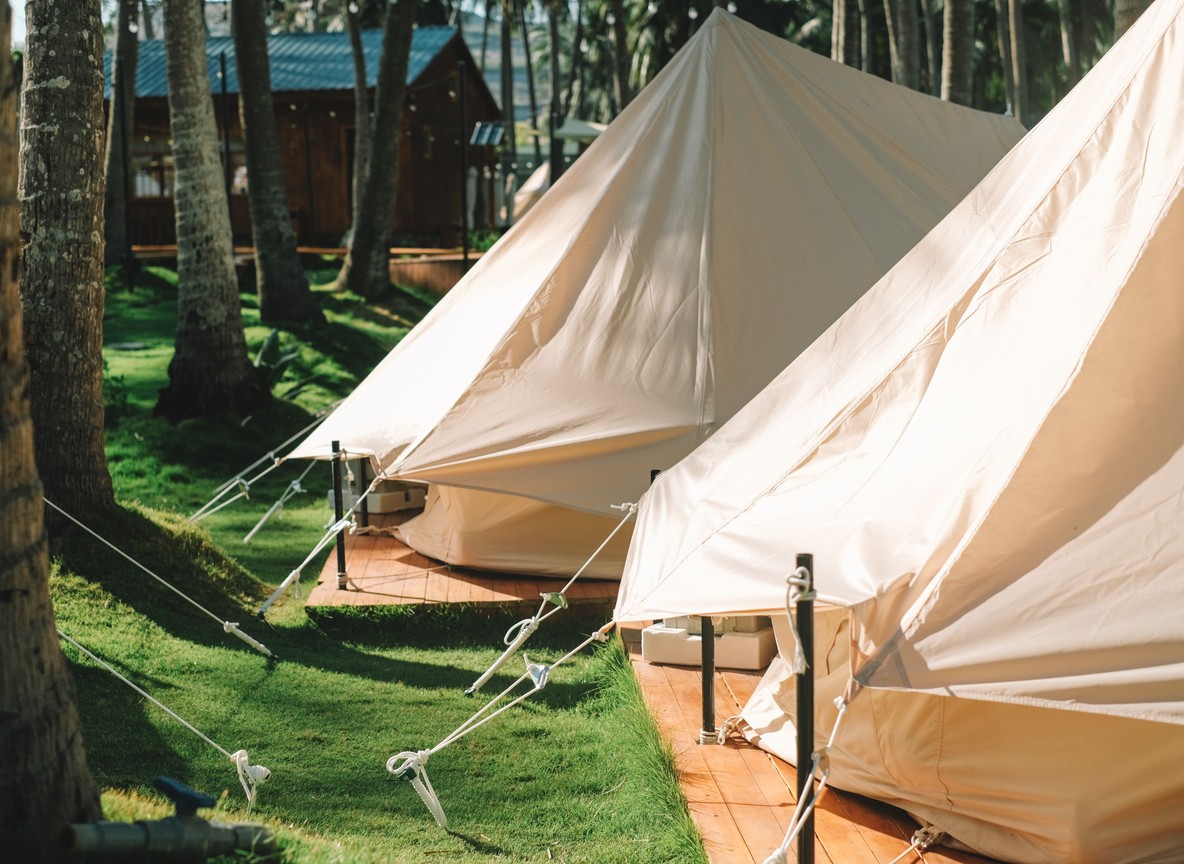
Both camps operate inside or on the border of the main Reserve, which means off-road driving is restricted and night drives are not permitted. The trade-off is proximity for flexibility. Guests get to the bank fast but rely on the guide’s track knowledge rather than the ability to cut cross-country toward a sighting.
Mara Serena Safari Lodge: Hilltop Access With Reserve Rules
Mara Serena sits on a hill inside the Mara Triangle, the 510 km² western sector managed separately by the Mara Conservancy. This sector has a strong anti-poaching record and consistently good grass cover on the west bank, which draws herds reliably through the season. Off-road driving is permitted here, giving guides more flexibility to reposition once a crossing starts building.
At an indicative USD 350-550 per person per night, Mara Serena is the most accessible price point on this list for guests who still want genuine crossing proximity rather than a distant reserve camp.
Kicheche Mara and Mara North Conservancy: The Trade for Space
Kicheche Mara Camp sits inside Mara North Conservancy, north of the main Reserve. The conservancy model caps camp density and permits off-road driving, bush breakfasts, and night drives, none of which are allowed inside the National Reserve itself. The Mara River runs along the conservancy’s southern boundary, so crossing access exists, but the drive to the active crossing points typically runs 40 to 50 minutes rather than the 10 to 15 minutes from Governors’ or Rekero.
Guests trade a slightly longer drive for a private vehicle, a quieter vehicle count at sightings, and access to night drives that Reserve-based camps cannot offer at all.
Angama Mara: The View Comes First, the River Second
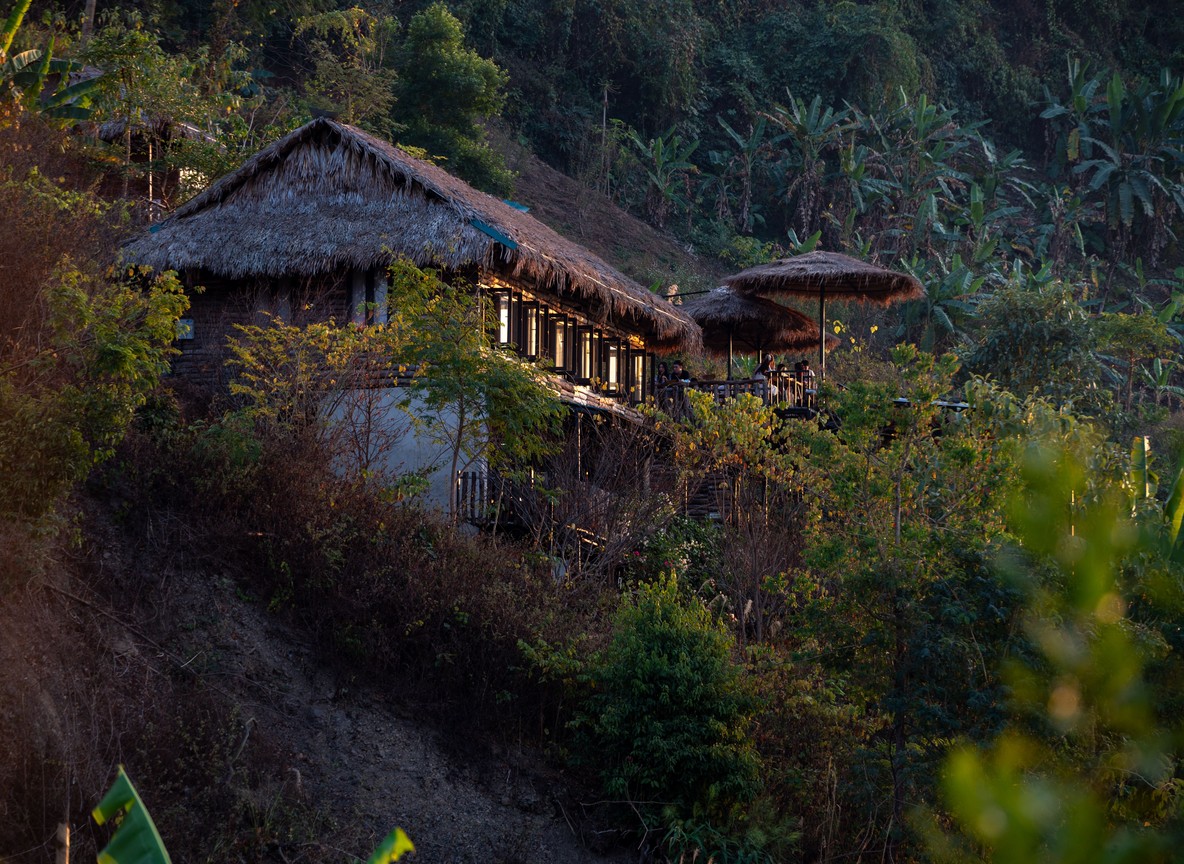
Angama Mara sits atop the Oloololo Escarpment, roughly 600 metres above the Mara Triangle floor. The view across the plains is one of the most photographed vistas in East Africa, but it is a view, not a front-row seat. Reaching the river requires a 45 to 60 minute descent down the escarpment road each way. For a guest whose priority is the crossing itself, Angama is not the fastest option on this list. For a guest who wants a spectacular base with the option of a river excursion, it remains one of the best rooms in the Mara.
The pattern across this comparison is consistent. Camps inside or bordering the main Reserve near Musiara and the Talek confluence, such as Governors’ Camp and Rekero, deliver the shortest drive times but the most restricted driving rules. Mara Triangle lodges like Mara Serena add off-road flexibility at a lower price point. Conservancy camps like Kicheche Mara trade a longer drive for private vehicles and night drives. Escarpment and southern properties like Angama and Cottars trade crossing proximity for scenery or exclusivity. There is no universally correct answer, only the correct one for your travel dates, budget, and what you actually want the safari to deliver.
The Trunktrails Advantage
Choosing a camp from a list is not the same as choosing the right camp for your specific migration window. Trunktrails Safaris tracks herd position through the guiding network across the Mara Triangle, Mara North, and the main Reserve, and matches that real-time picture against camp availability before we recommend anything.
As a specialist in Kenya tours and safaris, we do not send a generic shortlist. We confirm which crossing points are active for your travel dates, which named camp gives you the shortest realistic drive to that activity, and whether the trade-off between Reserve proximity and conservancy flexibility fits your priorities. Our tours and safaris packages across the Masai Mara are built around this positioning logic first, comfort and budget second. Trunktrails Safaris has placed guests at Governors’ Camp, Rekero, Mara Serena, and camps across Mara North and Naboisho, and we know which ones are delivering the best crossing access this season. 🌍
Book Your Front-Row Migration Safari
The crossing points move. Camp availability at the best-positioned properties fills months ahead of peak season. Waiting to decide usually means settling for whichever camp still has rooms rather than the one closest to the action.
Contact Trunktrails Safaris now to lock in the right camp for your 2026 migration dates:
Further reading
More safari planning resources
- Nairobi to Maasai Mara route guide from Valley Safaris
- Mara River crossing guide on Touring Insights
- Great Migration safari collection on FindMySafari
- Wildebeest migration route map from Valley Safaris
- WhatsApp: +254 113 208888
- Email: info@trunktrailssafaris.com
- Website: trunktrailssafaris.com
Trunktrails Safaris is a Kenyan-owned tours and safaris operator based in Nairobi. Let us put you at the front row. 📸