
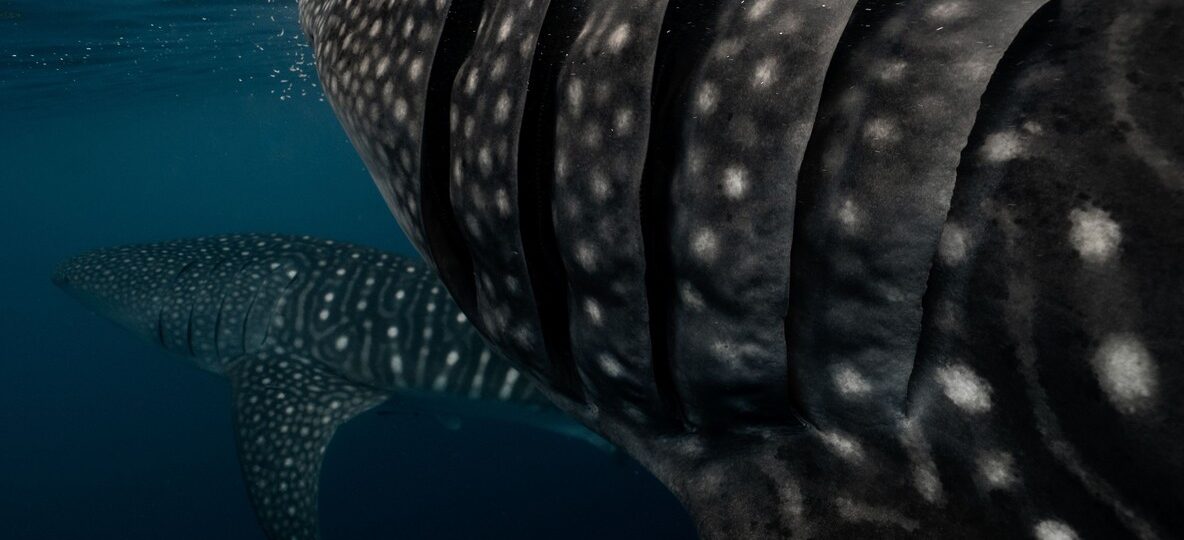
Whale Sharks at Watamu: Kenya’s Greatest Ocean Safari 🌍
Every October, something extraordinary arrives in the warm Indian Ocean waters off Kenya’s northern coast. Whale sharks, the largest fish on Earth, gather near Watamu to feed on tuna spawn and zooplankton blooms. At up to 12 metres long, these gentle giants dwarf every diver in the water. Yet they are harmless, slow-moving, and entirely indifferent to the awestruck humans swimming alongside them.
Whale shark watamu kenya encounters have become one of East Africa’s most exhilarating wildlife experiences. Trunktrails Safaris has been guiding clients to these waters for years, and we can tell you this much: the right season makes all the difference. This guide gives you the exact months, the logistics, the honest costs, and what to actually expect when you slip into the blue.
What Are Whale Sharks and Why Does Watamu Have So Many?
Whale sharks (Rhincodon typus) are filter feeders, not hunters. They cruise through the water with their enormous mouths open, sieving out plankton, fish eggs, and tiny crustaceans. Despite their size, they pose zero threat to swimmers.
Watamu sits at a biological sweet spot. Each year from October onward, yellowfin tuna gather in the warm shallows offshore to spawn. The tuna release clouds of eggs. Whale sharks follow the eggs. The Watamu Marine National Park, established in 1968 and covering 10 km² of protected reef and open water, provides clean, undisturbed feeding grounds that these animals return to year after year.
The wider Watamu Marine National Reserve adds another 32 km² of buffer zone. Together they form one of the most productive marine ecosystems on the East African coast, home to over 600 species of fish, hawksbill and green sea turtles, and regular sightings of manta rays and dolphins alongside the whale sharks.
When Is the Best Time to See Whale Sharks in Watamu?
The whale shark season at Watamu runs from October to March, aligning with the short rains and the annual tuna spawning. Peak sightings concentrate between November and February, when ocean visibility reaches 15 to 25 metres and water temperature sits at a comfortable 26 to 29°C.
Here is the month-by-month breakdown:
| Month | Whale Shark Presence | Ocean Visibility | Notes |
|---|---|---|---|
| October | Arrivals begin | 10-18m | Early season, fewer boats |
| November | Peak | 18-25m | Best combination of sightings + conditions |
| December | Peak | 18-25m | Holiday crowds; book ahead |
| January | Peak | 15-22m | Excellent; fewer tourists than December |
| February | High | 12-20m | Strong sightings continue |
| March | Tailing off | 8-15m | Long rains approaching; patchy sightings |
| April-September | Rare / absent | Variable | Not recommended for whale sharks |
The single strongest window is late November through January. Come then and your odds of a water-level encounter are very high. Come in October and you might get lucky early. Come in April expecting whale sharks and you will be disappointed.
For the best possible trip, pair your whale shark tour with a traditional Kenyan safari. Our Kenya safari and beach combination guide walks you through how to combine a Masai Mara game drive with a Watamu ocean safari in one seamless itinerary.
Where Exactly Do You Find Whale Sharks Near Watamu?
The main aggregation sites are the offshore reefs and open-water channels between 2 and 12 kilometres from Watamu beach. Local KWS-licensed boat operators use spotter networks: fishermen and other skippers radio in when they sight a dorsal fin.
Once a shark is located, your boat stops at a respectful distance. Snorkellers enter the water quietly and the shark passes by on its own terms. There is no chasing, no touching, and no feeding. Kenya Wildlife Service (KWS) regulations inside the marine park are strict on this.
Most encounters happen in water between 5 and 20 metres deep, close enough to the surface that basic snorkel gear works perfectly. You do not need a dive certificate to swim with whale sharks at Watamu. That is what makes it so accessible.
For a broader picture of what this stretch of reef offers, read our Watamu snorkeling guide, which covers the coral gardens, fish diversity, and what to expect below the surface beyond the whale sharks.
How Do You Get to Watamu from Nairobi?
Watamu sits on the Kenyan coast in Kilifi County, about 120 km north of Mombasa and 15 km south of Malindi. Here are your practical options:
By air (fastest): Fly Nairobi Wilson Airport to Malindi Airport. Jambojet, Fly540, and SafariLink all operate this route. Flight time is approximately 45 minutes. From Malindi, a taxi or tuk-tuk to Watamu takes 20 minutes and costs around $8 to $15 (indicative).
By road from Nairobi: The drive is approximately 550 km via the A109 Mombasa highway. Allow 6.5 to 7.5 hours including breaks. Trunktrails Safaris can arrange a private transfer with a professional driver, making the coastal scenery a feature rather than a chore.
Via Mombasa: Fly Nairobi to Mombasa (45 minutes), then take the coastal road north. Mombasa to Watamu is 120 km and takes about 2 hours by road.
For the whale shark season, we recommend flying to Malindi. It saves hours, and the aerial view of the reef as you approach the coast is worth the price of the ticket on its own.
What Should You Expect on a Whale Shark Encounter? 📸
Boat trips typically depart at 6am to 7am. The early start makes use of the calmest sea conditions and the best light for photography. Trips last between 3 and 6 hours depending on how quickly sharks are located.
A typical sequence:
- Brief safety and etiquette talk at the dock from your guide
- 20 to 40-minute boat ride to the search area
- Spotter network confirms a sighting; boat approaches slowly
- Snorkellers enter the water in a quiet line
- The whale shark passes within 1 to 5 metres, often for 5 to 30 minutes
- Rinse, repeat: most trips produce 2 to 4 encounters
- Return to shore by late morning
Average encounter time across a full trip is 20 to 90 minutes of in-water contact with whale sharks. On peak-season days in November and December, some clients spend over 90 minutes in the water across multiple sightings.
KWS marine park entry fees apply. The indicative non-resident adult fee is approximately $22 per person (verify current rates on KWS eCitizen before booking, as fees are updated periodically). Most licensed tour operators include this in their package price. Snorkeling tour prices range from approximately $50 to $100 per person (indicative) depending on group size, vessel quality, and whether equipment is included.
What Other Ocean Wildlife Can You See in Watamu?
The whale sharks are the headline act, but Watamu’s ocean offers far more. The marine park is a nesting site for sea turtles in Watamu, including hawksbill, green, and leatherback species. Watamu Turtle Watch runs a conservation program that allows visitors to observe nesting and hatching under responsible conditions.
Other regular sightings in peak season include:
- Manta rays: Often spotted at cleaning stations on the outer reef
- Spinner dolphins: Common in the open water around Watamu point
- Reef sharks: Whitetip and blacktip species cruise the reef edges
- Giant moray eels, lionfish, pufferfish, and parrotfish on the coral gardens
- Humpback whales: Occasional sightings June to October during their migration south
Watamu is also excellent for deep-sea fishing (sailfish, marlin, barracuda), dhow snorkeling trips to the famous Malindi Marine Park, and sunset kayaking through the mangrove channels at Mida Creek, one of the largest mangrove forests on the East African coast. ✨
If you are considering extending your Kenyan coast stay, Diani Beach offers another 30 km of white sand south of Mombasa, with its own reef and water sports options.
Where Should You Stay in Watamu?
Watamu has accommodation across all budget brackets. The town is small and village-like, which is part of its charm.
| Property | Type | Indicative Price/Night (2026) | Best For |
|---|---|---|---|
| Hemingways Watamu | Luxury resort | $280-$500+ | Special occasions, honeymooners |
| Turtle Bay Beach Club | Mid-range all-inclusive | $120-$220 | Divers and families |
| Aqua Watamu Resort | Mid-range | $90-$160 | Comfortable, reef-access focus |
| Local guesthouses | Budget | $40-$80 | Independent travellers, long stays |
All prices are indicative and subject to seasonal variation. Booking through Trunktrails Safaris means we pre-vet your accommodation and can negotiate rates through our operator relationships.
For a particularly memorable trip, our Watamu honeymoon guide pairs luxury stays with private whale shark tours and sunset dhow cruises.
What Is the Trunktrails Advantage for a Watamu Ocean Safari?
Trunktrails Safaris is a native Kenyan-owned operator. We do not sell Watamu through a brochure. Our team has made this crossing, swum with these sharks, and knows which boat captain calls in the best sightings before anyone else does.
Here is what you get when you book Kenya ocean tours and safaris through us:
- Local operator relationships: We work with KWS-licensed skippers who know the aggregation zones and have the spotter networks that matter in season
- Tailor-made itineraries: A whale shark trip on its own is brilliant; paired with a Masai Mara fly-in safari, it becomes a complete Kenya wildlife adventure covering land and sea
- All-budget options: Our Watamu packages start from mid-range and scale to full luxury without middlemen marking up the price
- Conservation commitment: 5% of every Trunktrails Safaris booking funds wildlife and marine conservation work in Kenya
- 24/7 direct support: You call us, a Kenyan picks up. No call centres. No agents. Just a team that knows these waters from years of guiding tours and safaris here
We can also arrange multi-day Watamu packages that include whale shark snorkeling, sea turtle conservation visits, and day trips to Gede Ruins or the Arabuko-Sokoke Forest Reserve.
Ready to Swim with Whale Sharks in Watamu?
The whale shark season at Watamu opens in October and peaks through November, December, and January. 🌅 If you have been waiting for a reason to add the Kenya coast to your safari itinerary, this is it. There is nothing quite like drifting beside the world’s largest fish in warm, clear Indian Ocean water while the reef hums below you.
At Trunktrails Safaris, we design all our Kenya coast tours and safaris around your dates, travel style, and the wildlife you most want to see. Whether you want a pure three-day Watamu whale shark experience or a combined land-and-sea Kenya adventure, we build it around you. No generic packages. No guesswork on the ocean.
Further reading
More safari planning resources
- Best time to visit Kenya month-by-month map from Valley Safaris
- Best time to visit Kenya on Touring Insights
- Diani Beach guide on FindMySafari
- Kenya tour packages from Valley Safaris
📞 WhatsApp: +254 113 208888 📧 Email: info@trunktrailssafaris.com 🌐 Website: https://trunktrailssafaris.com