
Watamu Turtle Nesting Season: When and Where to See Sea Turtles on the Kenya Coast
Just after dark on a warm October night, a female green turtle drags herself up a quiet stretch of Watamu beach, digs a chamber with her back flippers, and lays close to a hundred eggs before returning to the sea before sunrise. This scene repeats itself hundreds of times between October and March along Kenya’s north coast, and it is the single best reason to time a coastal trip around the calendar rather than around convenience. Trunktrails Safaris built this guide to answer the two questions every visitor asks first: when does watamu turtle nesting season kenya actually run, and exactly where do you stand to see it happen.
Watamu Turtle Nesting Season Kenya: The Core Dates
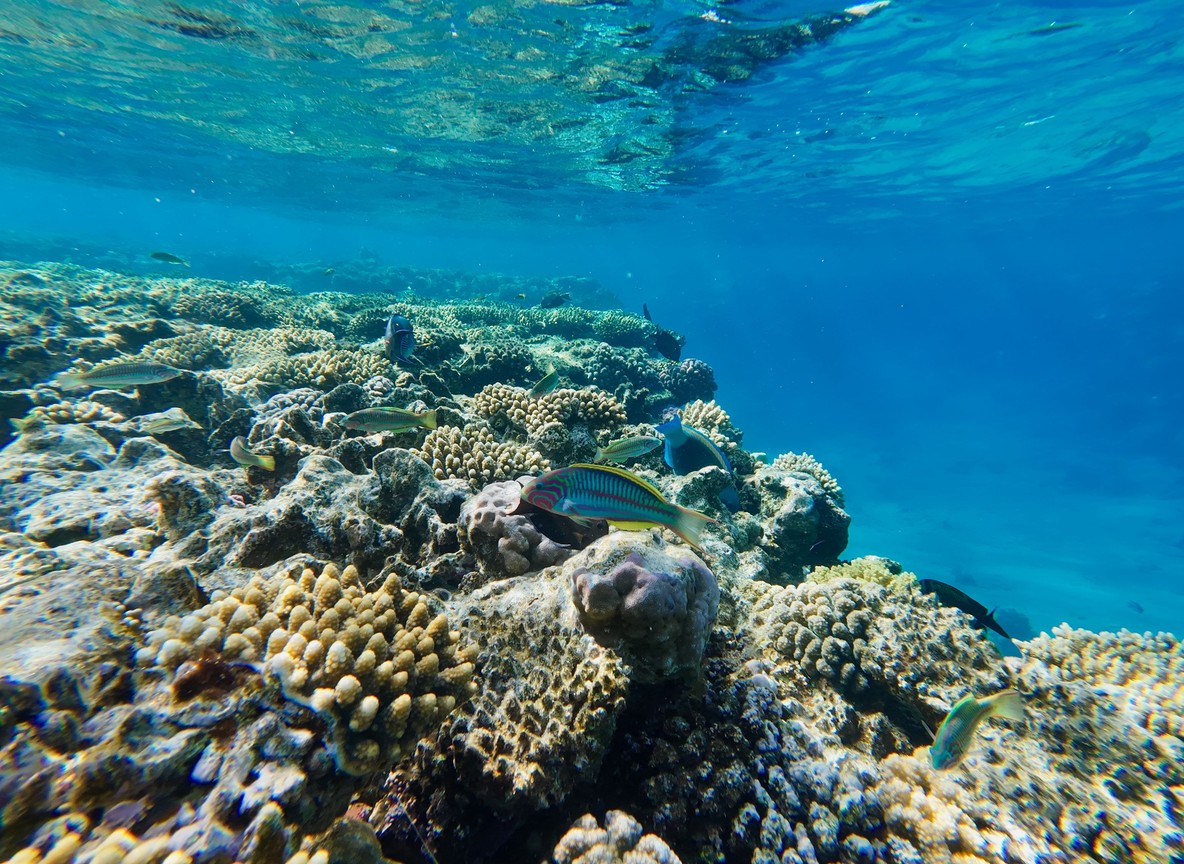
Nesting season at Watamu runs from October through March, with the heaviest nesting activity in November, December, and January. Hatchlings emerge 50 to 70 days after laying, which pushes the hatching window into January through May, with peak hatchling releases in February and March. Outside these months, turtles remain in Watamu’s waters year-round to feed, so snorkeling and boat-based sightings stay strong even when the beaches are quiet.
| Period | What Happens | Best Activity |
|---|---|---|
| Oct – Mar | Nesting season, females come ashore at night | Beach patrols, nest monitoring |
| Nov – Jan | Peak nesting, highest nightly nest counts | Guided night patrol with rangers |
| Jan – May | Hatching season, 50-70 day incubation | Hatchling release watching |
| Feb – Mar | Peak hatching, largest hatchling groups | Dawn hatchling release |
| Apr – Sep | Non-nesting months, turtles still feeding offshore | Snorkeling, glass-bottom boat |
Where the Nests Actually Are on Watamu’s Coast
Nesting does not happen everywhere. Kenya’s turtles favour specific stretches of undisturbed, gently sloping sand above the high tide line, and Watamu concentrates several of the best in one short coastline.
Watamu Beach (north of the jetty): The primary nesting stretch monitored by Local Ocean Conservation, running roughly 5 km along the town’s main shoreline. Rangers walk this section nightly during peak season.
Turtle Bay: The horseshoe lagoon inside Watamu Marine National Park is better known for daytime feeding sightings than nesting, since the reef keeps the inner water calm, but adjoining beach sections still see nests each season.
Mida Creek fringe beaches: Roughly 3 km south of Watamu town, the sandbanks near the creek mouth see lower nest density but attract fewer people at night, which some rangers say makes them attractive to shyer nesting females.
Che Shale, north toward Kilifi: A quieter beach roughly 30 km south of Watamu with occasional green turtle nests, mostly monitored informally by lodge staff rather than a dedicated patrol team.
How Watamu Compares to Other Kenya Coast Nesting Sites
Watamu is Kenya’s most concentrated and best-organised nesting site, but it is not the only one. If your travel dates do not line up with Watamu’s peak window, these are the real alternatives.
| Site | Distance from Mombasa | Nesting Season | Species Recorded | Monitoring |
|---|---|---|---|---|
| Watamu | 105 km (1.5 hrs) | Oct – Mar | Green, Hawksbill, occasional Loggerhead | Local Ocean Conservation, nightly patrols |
| Diani Beach (South Coast) | 30 km (40 min) | Oct – Feb | Green, Hawksbill | Diani Turtle Watch, volunteer network |
| Kiunga Marine Reserve (Lamu) | 340 km (fly to Lamu, ~1 hr) | Nov – Feb | Green, Hawksbill, Olive Ridley | Kenya Wildlife Service, limited access |
| Tana Delta | 220 km (4-5 hrs by road) | Nov – Jan | Green, occasional Olive Ridley | Informal, minimal tourism infrastructure |
Watamu wins on three counts: it has the most consistent nest numbers, the only full-time dedicated ranger and hatchery program on the coast, and it sits 20 km from Malindi Airport, making it the easiest of these four sites to reach on a short trip.
Joining a Nesting Patrol or Hatchling Release
Local Ocean Conservation, headquartered in Watamu village since 1997, runs the coast’s only structured nest-monitoring program. Visitors can join in two ways.
Night patrols (October to March): Rangers walk the beach after dark looking for fresh tracks and nesting females. Bookings are made 24 hours ahead through your lodge or directly with Local Ocean Conservation, and a small donation supports ranger wages and nest protection equipment. Patrols typically run two to three hours starting around 9 PM, timed to the tide.
Hatchling releases (January to May): When a monitored nest is due to hatch, staff invite visitors to watch dozens of hatchlings make their run to the water at dawn or dusk, whichever the tide and temperature favour that day. This is the single most reliable wildlife moment on the entire Kenyan coast, since staff know roughly which morning a nest will hatch after tracking its incubation period.
Both experiences depend on active nests being present, so patrol success is highest in December and January, and hatchling releases are most reliable in February and March.
Threats to Nests and Why Timing Your Visit Helps
Kenya’s turtle nests face pressure from several directions: ghost fishing gear that traps adult females before they can nest, beachfront lighting that disorients hatchlings and pulls them inland instead of toward the surf, sand erosion from coastal construction, and predation from monitor lizards and feral dogs on unmonitored beaches. Local Ocean Conservation’s nest relocation program moves at-risk clutches to a protected hatchery enclosure when a nest sits too close to the tideline or an eroding section, a step that has measurably improved hatch success rates over the past decade.
Visitor presence during the right season directly funds this work. Patrol donations and lodge partnership fees are one of the largest funding sources keeping rangers on the beach every night of the season, not just when tourists happen to be present.
Planning a Trip Around Nesting Season
Getting there: Fly into Malindi Airport (MYD), 20 km and roughly 25 minutes from Watamu by road, or drive from Mombasa (105 km, about 1.5 hours via the B8 Coastal Highway). Direct flights from Nairobi to Malindi take about an hour, with indicative one-way fares from USD 80 to 150 depending on season.
Where to stay: Hemingways Watamu and Turtle Bay Beach Club both sit directly on the main nesting stretch and can arrange patrol bookings on short notice. Budget guesthouses in Watamu town run from an indicative USD 30 to 60 per night, while beachfront properties like Hemingways range from an indicative USD 400 to 700 per night for a superior room, subject to season and availability.
How long to stay: Two nights gives you one patrol attempt and one snorkeling session. Three nights is the safer window if a hatchling release is your priority, since incubation timing is never exact to the day.
Park fees: Watamu Marine National Park entry costs USD 15 per non-resident adult and USD 8 per child, with lower resident rates applying to Kenyan citizens.
What to Bring and Turtle-Watching Etiquette
A night patrol is not a photo safari, and the rules exist because a single mistake can send a nesting female back to the water without laying. Bring a red-filtered torch if you own one; white light and camera flash both disturb nesting turtles and disoriented hatchlings. Wear closed shoes for the walk but be ready to remove them near the nest site, since rangers ask visitors to stay quiet and still once a turtle is in position. Mosquito repellent and a light long-sleeve layer help for the two to three hours outdoors after dark.
For hatchling releases, keep a low crouch rather than standing over the nest, and let the hatchlings crawl their own path to the surf. Rangers sometimes create a short corridor with soft light to guide hatchlings away from beachfront hotel lighting that would otherwise pull them the wrong direction. Never pick up a hatchling for a photograph. The crawl itself imprints the beach location in the turtle’s memory, a process believed to guide females back to the same nesting site decades later.
Local Ocean Conservation caps patrol group sizes to limit disturbance, so book ahead in December and January when demand is highest. Trunktrails Safaris confirms your slot in advance as part of any Watamu itinerary, which removes the risk of arriving on a night when the group is already full.
The Trunktrails Advantage 🌍
Trunktrails Safaris is a Kenyan-owned operator that builds coastal itineraries around real nesting data, not guesswork. When you book tours and safaris with us for a Watamu turtle trip, we check incubation timelines with our contacts at Local Ocean Conservation before confirming your dates, so you are not guessing whether a hatching event will land during your stay.
We pair every Watamu turtle nesting itinerary with a same-trip visit to Arabuko-Sokoke Forest and Mida Creek, so a coast add-on delivers more than one wildlife encounter. Our tours and safaris team vets every lodge partner for turtle-friendly amber lighting compliance, because unshielded white lighting near nesting beaches is one of the biggest threats to hatchling survival. Trunktrails Safaris also builds combined itineraries that link a Watamu coast extension with a Masai Mara or Amboseli safari, giving you two of Kenya’s defining wildlife seasons in a single trip. Every booking channels a direct contribution toward Local Ocean Conservation’s ranger fund, separate from your package cost, because tours and safaris should leave a place better than they found it.
Time Your Trip to the Nests, Not the Other Way Around 🐢
Watamu turtle nesting season kenya runs October through March, hatching runs January through May, and the difference between seeing a nesting female and seeing an empty beach usually comes down to a two-week booking window. Trunktrails Safaris can check current nest activity with our Watamu contacts before you commit to dates.
Contact Trunktrails Safaris:
Further reading
More safari planning resources
- Best time to visit Kenya month-by-month map from Valley Safaris
- Best time to visit Kenya on Touring Insights
- Diani Beach guide on FindMySafari
- Kenya tour packages from Valley Safaris
WhatsApp: +254 113 208888 Email: info@trunktrailssafaris.com Website: trunktrailssafaris.com
Tell us your travel month and we will tell you honestly whether it favours nesting patrols, hatchling releases, or the calmer snorkeling months, then build the Watamu itinerary around the answer.