
Kenya Safari in the Rainy Season: How Much You Can Save in November 🌍
If you are chasing a Kenya safari rainy season discount, November is the single best month on the calendar to book. The short rains arrive, the crowds thin out, and camp rates drop across nearly every major park. At Trunktrails Safaris, November is one of our busiest planning months precisely because the savings are real and easy to explain with numbers, not vague promises.
This guide breaks down what you actually save in November, using real park fees, indicative camp rates, and travel distances for Kenya’s top safari destinations. You will see exactly where the discounts show up and where they do not, so you can plan a Kenya tours and safaris trip that fits your budget without giving up good wildlife viewing.
Why November Is Kenya’s Short Rains Shoulder Season
Kenya has two rainy seasons. The long rains fall from roughly March through May, and the short rains arrive from November into early December. The short rains are lighter and less disruptive. Storms tend to arrive as short afternoon downpours rather than all-day washouts, which means game drives usually continue as planned.
November also sits right after the Great Migration’s peak crossing season in the Masai Mara. Most of the migration herds have already moved back into the Serengeti by late November, so camps that charge premium rates for crossing season drop back to shoulder pricing. Combine lighter rain with fewer visitors, and you get one of the best value windows of the year for a Kenya safari.
How Much You Actually Save: Peak Season vs November
The clearest way to see the discount is to compare peak August and September rates against November rates at the same camps. These are indicative planning ranges only. Trunktrails Safaris always confirms exact rates at the time of booking, since they shift by camp and by season.
| Destination | Peak Season Rate (per person/night, indicative) | November Rate (per person/night, indicative) | Approximate Savings |
|---|---|---|---|
| Masai Mara (mid-range tented camp) | USD 450 to 650 | USD 280 to 400 | 30 to 40 percent |
| Amboseli (mid-range lodge) | USD 350 to 500 | USD 220 to 320 | 30 to 35 percent |
| Tsavo East / Tsavo West (mid-range camp) | USD 280 to 400 | USD 180 to 250 | 30 percent |
| Samburu (mid-range tented camp) | USD 320 to 450 | USD 200 to 290 | 30 to 35 percent |
Park and reserve entry fees generally stay the same year-round, since those are set by the county or park authority rather than the camps. The savings in November come almost entirely from accommodation rates and lower demand for flights and vehicles, not from cheaper conservation fees.
What the Short Rains Actually Look Like on the Ground
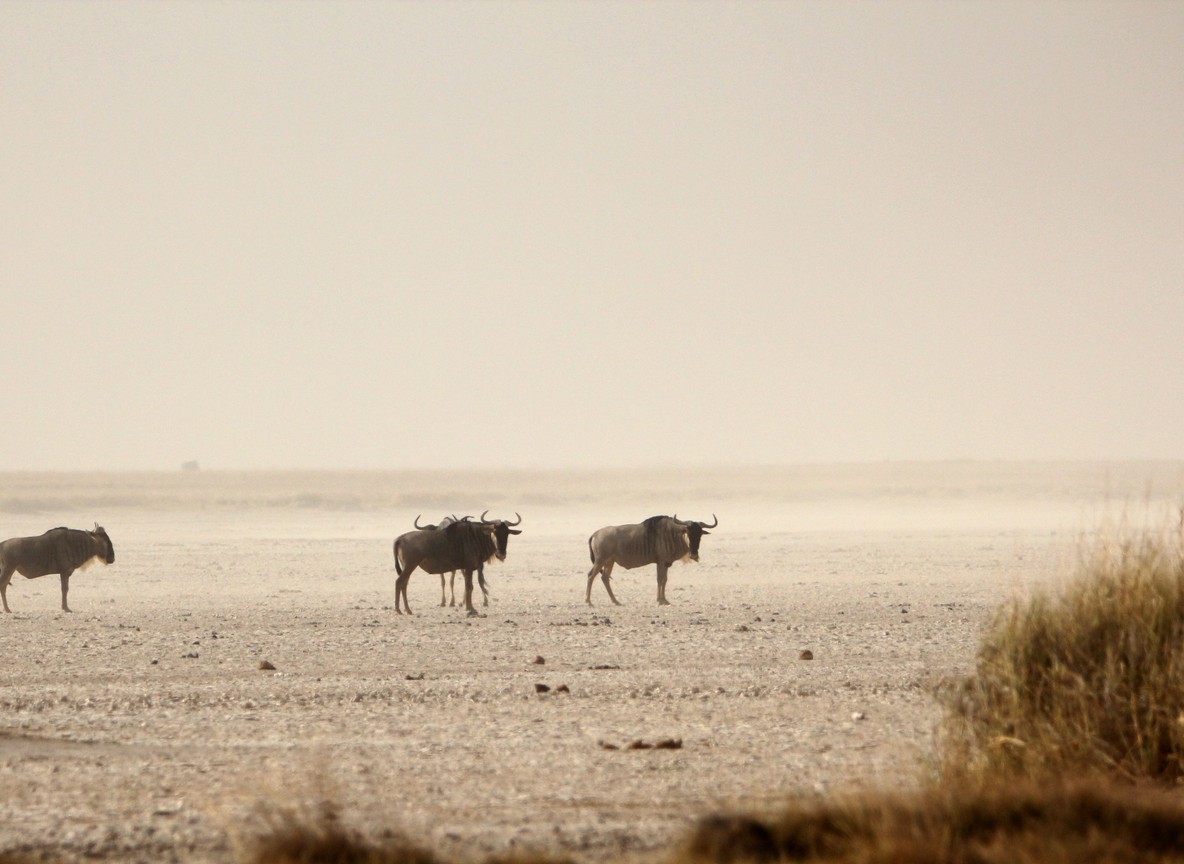
Travelers new to Kenya sometimes picture the short rains as a washout month. In practice, most November days bring several hours of sun, with rain arriving in shorter bursts during the late afternoon or evening. Roads inside parks can get muddy in low-lying areas, so a 4×4 safari vehicle is standard practice, which Trunktrails Safaris uses on every itinerary regardless of season.
The upside of the rain is dramatic. Grass turns green within days, dust disappears, and photography light improves noticeably compared to the dry, hazy conditions of peak season. Birdlife also picks up, since November brings migratory species into parks like Amboseli and Lake Nakuru. For travelers who do not mind the occasional shower, November trades a small amount of certainty for a much better rate and a quieter park.
Access Points, Distances, and Fees for a November Safari
Here is what the logistics look like for Kenya’s most popular November destinations, with real distances and indicative costs from Nairobi.
| Destination | Route from Nairobi | Drive Time | Flight Time (Wilson Airport) | Park Fee (indicative, per person/day) | Park Size |
|---|---|---|---|---|---|
| Masai Mara National Reserve (Sekenani Gate) | Approximately 270 km via Narok | 5 to 6 hours | Approximately 45 minutes | USD 80 to 100 | Approximately 1,510 km2 |
| Amboseli National Park (Meshanani Gate) | Approximately 240 km via Namanga road | 4 to 4.5 hours | Approximately 30 to 40 minutes | USD 60 to 70 | Approximately 392 km2 |
| Tsavo East National Park (Voi Gate) | Approximately 330 km via Mombasa Road | 4.5 to 5 hours | Approximately 45 minutes | USD 40 to 52 | Approximately 13,747 km2 |
| Tsavo West National Park (Mtito Andei Gate) | Approximately 240 km via Mombasa Road | 3.5 to 4 hours | Approximately 45 minutes | USD 40 to 52 | Approximately 9,065 km2 |
| Samburu National Reserve (Archer’s Post Gate) | Approximately 325 km via Nanyuki | 5.5 to 6 hours | Approximately 50 minutes | USD 45 to 70 | Approximately 165 km2 |
All fees above are indicative planning figures. Park authorities and county governments adjust rates periodically, and Trunktrails Safaris always verifies the current fee schedule before finalizing your itinerary, so there are no surprises on arrival.
Best Parks to Combine for a November Rainy Season Safari
November’s shorter rains make road travel between parks easier than during the long rains, which opens up multi-park itineraries that would feel rushed or muddy in April or May. A popular Trunktrails Safaris route pairs Amboseli with Tsavo West, since the drive between the two is under three hours and both parks offer strong November discounts with Mount Kilimanjaro views still visible on clear mornings.
Travelers who want the Masai Mara without peak-season pricing often combine three nights in the Mara with two nights in Lake Nakuru National Park, since Nakuru’s flamingo populations and rhino sanctuary stay active through the short rains. For a longer northern circuit, Samburu pairs well with Buffalo Springs National Reserve, which sits directly across the Ewaso Nyiro River from Samburu and shares the same entry gate area.
What to Pack and Expect
A November Kenya safari calls for a light rain jacket, quick-dry clothing, and closed shoes rather than sandals, since paths can get muddy at camp. Binoculars still matter, since green season foliage means animals sometimes sit further back from the road. Mornings and evenings can feel cooler than the dry season, so a warm layer for early game drives is worth packing.
Most camps keep full operations through November, though it is worth confirming ahead of time, since a small number of properties close briefly for annual maintenance during the quieter months. Trunktrails Safaris tracks which camps stay open each November and builds itineraries only around properties running full service.
The Trunktrails Advantage
Trunktrails Safaris is a Kenyan-owned operator, and we plan November trips with the same attention to detail as peak-season safaris, not a stripped-down version. Our team tracks which camps genuinely discount in November versus which simply advertise a lower headline rate with hidden extras added back in. We build every Kenya tours and safaris itinerary around real rain patterns for each park, so you get a route that avoids the muddiest roads while still capturing the November light and greenery. Every quote from Trunktrails Safaris includes transparent, indicative pricing broken down by camp, vehicle, and park fee, so you know exactly where your savings come from. We also confirm gate and reserve fees directly with park authorities before booking, since rates can shift with little notice. Trunktrails Safaris exists to make a Kenya safari accessible without cutting corners on guiding, vehicles, or camp quality, and November is one of the best months to prove that value in real numbers.
Kenya Safari November Discounts: Quick Facts
| Fact | Detail |
|---|---|
| Short rains window | Roughly November into early December |
| Typical camp rate savings vs peak season | Approximately 30 to 40 percent |
| Masai Mara reserve size | Approximately 1,510 km2 |
| Amboseli park size | Approximately 392 km2 |
| Nairobi to Masai Mara flight time | Approximately 45 minutes from Wilson Airport |
| Nairobi to Amboseli drive time | Approximately 4 to 4.5 hours |
Frequently Asked Questions
Does the rain ruin a November safari? Not usually. Short rains tend to fall in brief afternoon or evening bursts rather than all-day storms. Most game drives happen in dry conditions, and the green scenery often improves photography compared to dusty peak-season parks.
Which park offers the biggest November discount? The Masai Mara typically shows the largest gap between peak and November rates, since August and September crossing season pricing runs highest. Camps there often drop 30 to 40 percent for November stays.
Do park entry fees also drop in November? No. Park and reserve entry fees are set by park authorities and county governments and generally stay flat year-round. The savings come from lower camp, vehicle, and flight demand, not reduced conservation fees.
Is November a good month for a first-time Kenya safari? Yes. Parks are quieter, rates are lower, and wildlife viewing stays strong across Amboseli, Tsavo, and Samburu. The main trade-off is a chance of short rain showers, which rarely disrupts a full day’s game drive.
Ready to Book Your November Safari?
Further reading
More safari planning resources
- Best time to visit Kenya month-by-month map from Valley Safaris
- Best time to visit Kenya on Touring Insights
- Masai Mara destination guide on FindMySafari
- Kenya national parks map from Valley Safaris
November delivers some of the best value on the Kenya safari calendar, and the savings shown above are real numbers, not a marketing estimate. Trunktrails Safaris can build a November itinerary around the parks, camps, and budget that fit you best, with every rate confirmed before you travel. Message us on WhatsApp at +254 113 208888 or email info@trunktrailssafaris.com today, and let our team turn this year’s short rains into your best-value Kenya tours and safaris trip yet. 🐘