
Masai Mara vs Rift Valley: Which Kenya Safari Region Should You Visit First?
Planning your first Kenya safari and stuck comparing masai mara vs rift valley? Here is the detail most guides skip: these are not two rival parks. The Masai Mara is a single wildlife reserve. Meanwhile, the Great Rift Valley is a vast geological trench that runs through Kenya. It contains several parks of its own, including Lake Nakuru, Hell’s Gate and Lake Naivasha. Choosing between them means picking one concentrated predator-viewing destination or a multi-stop circuit of lakes, flamingos and rhino sanctuaries. 🌍
At Trunktrails Safaris, we build itineraries around this exact decision every week. This guide lays out the real numbers, the named camps and gates, and the honest trade-offs so you can decide with confidence before you book.
Masai Mara vs Rift Valley: What Are You Actually Comparing?
The Masai Mara National Reserve sits in Narok County, southwest Kenya, bordering Tanzania’s Serengeti National Park. It covers roughly 1,510 square kilometres of open grassland. Management is split between the Narok County Government and the Mara Conservancy in the Mara Triangle.
The Great Rift Valley is not a single destination. It is a geological trench stretching more than 6,000 kilometres from Lebanon down through East Africa to Mozambique. The Kenyan section cuts straight through the country. It holds several standalone parks: Lake Nakuru National Park, Hell’s Gate National Park, Lake Naivasha, Lake Bogoria National Reserve and Lake Elementaita. When people ask about a “Rift Valley safari,” they usually mean a circuit through two or three of these in a single trip.
Masai Mara National Reserve at a Glance
| Detail | Figure |
|---|---|
| Location | Narok County, southwest Kenya, borders the Serengeti |
| Size | Approximately 1,510 km² |
| Distance from Nairobi | Approximately 270 km via the Narok-Sekenani road |
| Drive time from Nairobi | 5 to 6 hours |
| Flight time from Wilson Airport | Approximately 45 minutes |
| Main gates | Sekenani Gate, Oloolaimutia Gate, Talek Gate, Musiara Gate |
| Airstrips | Keekorok, Musiara, Ol Kiombo, Mara Serena |
| Migration season | July to October (Mara River crossings) |
| Indicative park fee (non-resident adult, per day) | USD 80 to 100 |
Named camps inside and around the reserve include Governors’ Camp, Mara Serena Safari Lodge, Little Governors’ Camp and Ol Seki Mara Camp. The Mara River is the setting for the wildebeest crossings that make the reserve famous worldwide.
The Great Rift Valley Circuit at a Glance
| Stop | Distance from Nairobi | Drive time | Size | Indicative park fee (non-resident adult, per day) |
|---|---|---|---|---|
| Lake Naivasha | Approximately 90 km | 1.5 to 2 hours | Freshwater lake, no gate fee for boat rides | Boat rides priced separately, not a KWS park |
| Hell’s Gate National Park | Approximately 90 km | 1.5 to 2 hours | Approximately 68 km² | USD 30 to 35 |
| Lake Nakuru National Park | Approximately 160 km | 2.5 to 3 hours | Approximately 188 km² | USD 50 to 60 |
| Lake Bogoria National Reserve | Approximately 280 km | 4 hours | Hot springs and flamingo lake | USD 20 to 25 |
Named lodges in the Rift Valley circuit include Lake Naivasha Sopa Resort, Sarova Lion Hill Game Lodge at Lake Nakuru, and Elsamere Conservation Centre on the shores of Naivasha, once home to naturalist Joy Adamson.
Distance and Access: Which Is Easier to Reach?
If travel time is your deciding factor, the Rift Valley wins by a wide margin. Lake Naivasha and Hell’s Gate are both under two hours from Nairobi by road. That makes them realistic for a single overnight trip or even a long day excursion. Lake Nakuru adds another hour but is still comfortably a half-day drive.
The Masai Mara asks for more commitment. A road transfer takes 5 to 6 hours each way on the Narok route. Much of it runs through hilly terrain that can be slow after rain. Most visitors on tighter timelines fly instead, landing at one of the reserve’s airstrips in under an hour from Wilson Airport. That convenience comes at a higher cost than the drive.
Wildlife Comparison: Predators vs Flamingos and Rhino
| Wildlife Priority | Masai Mara | Rift Valley (Nakuru/Naivasha/Hell’s Gate) |
|---|---|---|
| Lion sightings | Excellent, daily | Good at Lake Nakuru, rare elsewhere |
| Leopard sightings | Very good | Occasional |
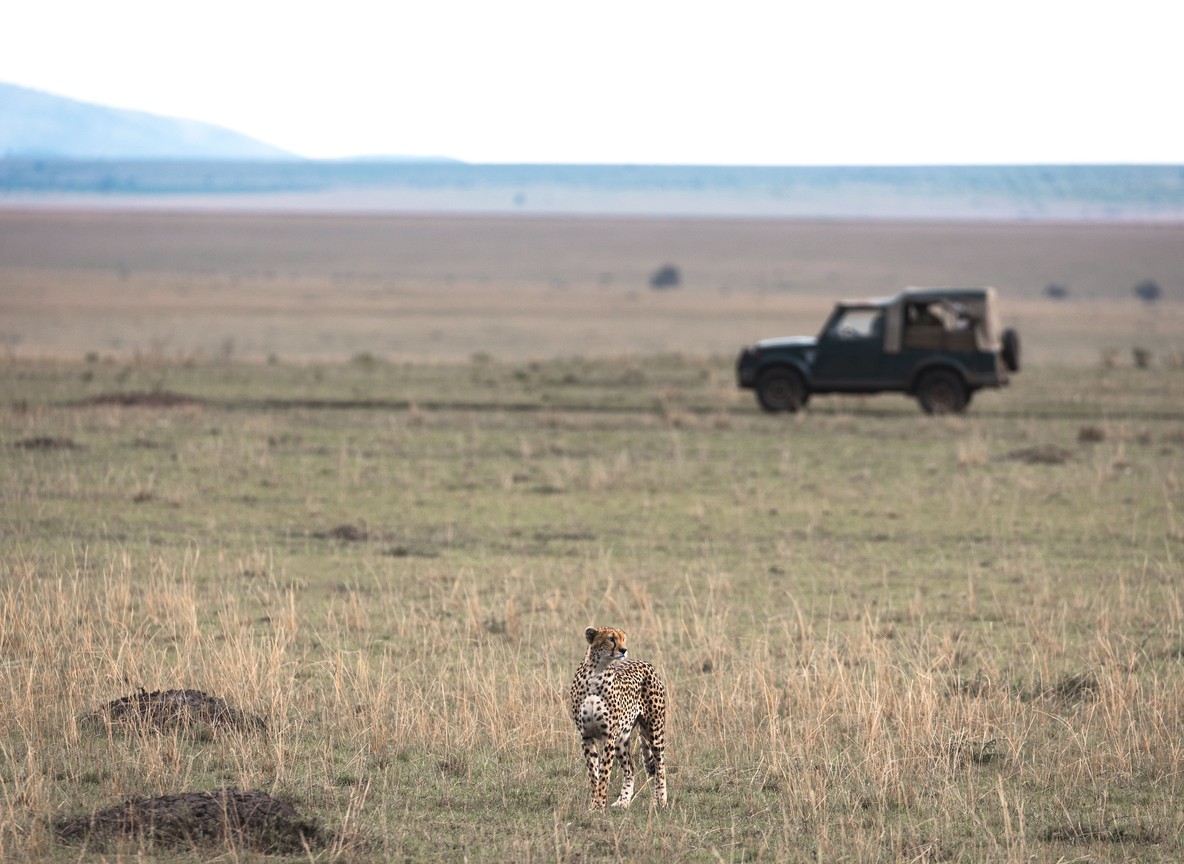
| Cheetah sightings | Excellent | Rare |
| Rhino (black and white) | Present but not guaranteed | Outstanding at Lake Nakuru sanctuary |
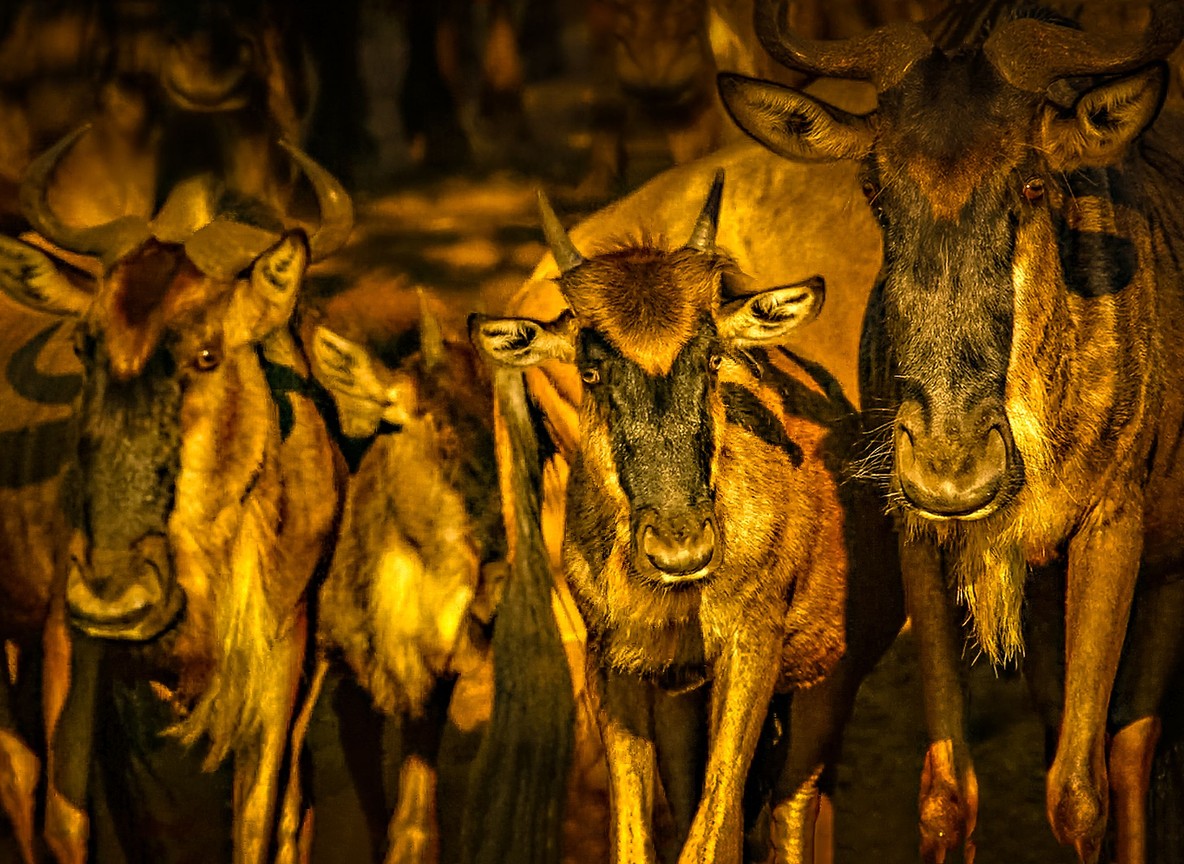
| Wildebeest migration | World-class, July to October | Not present |
| Flamingos | Not a feature | Seasonal at Lake Bogoria and Lake Elementaita |
| Hippo and crocodile | Yes, Mara River | Yes, Lake Naivasha |
| Walking and cycling safaris | Not permitted (predator density) | Yes, at Hell’s Gate (no dangerous predators) |
| Big Five potential | Yes | Partial (rhino at Nakuru, others limited) |
Hell’s Gate deserves a special mention here. It is one of the only parks in Kenya where you can walk or cycle freely among wildlife because it has no resident lions. That makes it a completely different kind of experience from the Mara’s vehicle-based predator drives.
Cost Comparison: Fees and Indicative Safari Pricing
Park fees alone tell part of the story. The Masai Mara’s conservation fees run roughly USD 80 to 100 per adult per day in high season. That reflects its status as Kenya’s flagship reserve. Lake Nakuru sits meaningfully lower at an indicative USD 50 to 60, and Hell’s Gate lower still at USD 30 to 35. These are indicative ranges only. Always confirm current rates before booking, since gate fees change periodically.
Beyond gate fees, accommodation and logistics widen the gap further. Mara camps close to the action carry premium nightly rates because of limited bed capacity and exclusivity rules, especially inside conservancies. Rift Valley lodges around Naivasha and Nakuru are generally more accessible on price. Supply is less constrained there, and the drive-in market keeps competition higher.
Best Time to Visit Each Region
The Masai Mara has one unmissable calendar event: the wildebeest migration, when herds cross the Mara River between July and October. Outside that window, predator viewing remains strong year-round because the reserve holds resident lion prides and leopard territories that do not depend on the migration.
The Rift Valley lakes are less seasonal for wildlife but more seasonal for scenery. Flamingo numbers at Lake Bogoria and Lake Elementaita shift with water chemistry and can vary year to year. The dry months from June to October and January to February generally offer the clearest skies. Photographers favour these windows for Lake Naivasha’s Crescent Island and the Nakuru rhino sanctuary.
Which Should First-Time Visitors Choose?
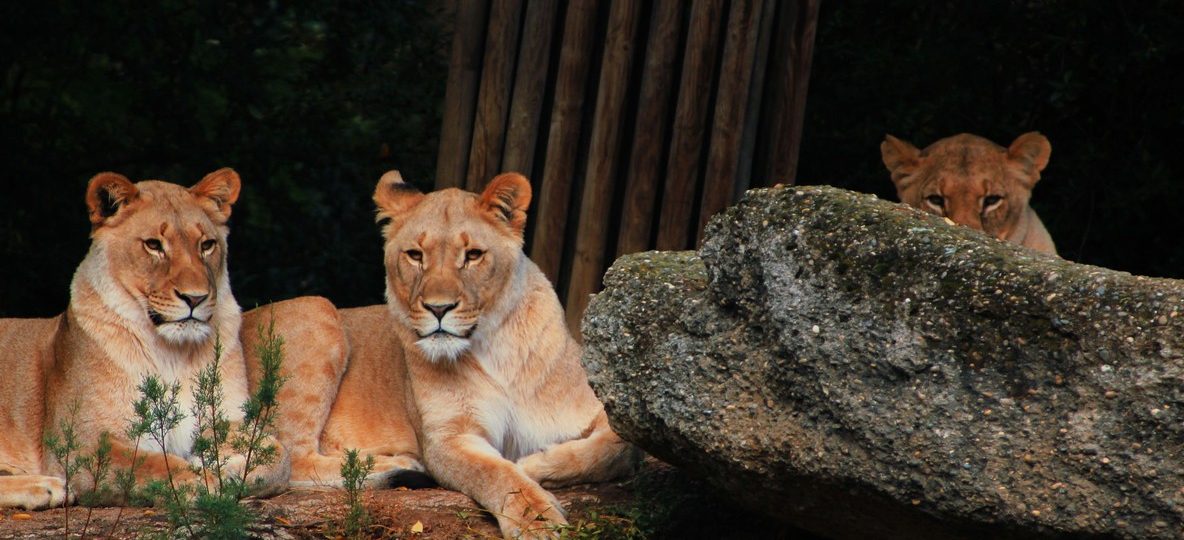
If this is your one and only Kenya safari and predator sightings are the priority, choose the Masai Mara first. It delivers the highest density of lions, leopards and cheetahs anywhere in Kenya, and the open plains make every sighting easier to follow.
If your travel window is short or your budget is tighter, start with the Rift Valley circuit instead. It also suits travellers who want a gentler introduction with walking safaris and flamingo lakes. Naivasha and Nakuru can be done comfortably in two to three days, without the long transfer times the Mara demands.
Can You Combine Both in One Kenya Safari Itinerary?
Yes, and many of our clients do. A common route runs Nairobi to Lake Naivasha (1.5 to 2 hours), then on to Lake Nakuru National Park (roughly 2 hours further). From there, travellers continue overland or fly to the Masai Mara for the main safari days. This structure spreads the driving across two shorter legs instead of one long transfer. It also pairs the Rift Valley’s rhino and flamingo scenery with the Mara’s predator action in a single trip.
The Trunktrails Advantage
Choosing between Masai Mara and Rift Valley destinations is exactly the kind of decision Trunktrails Safaris exists to simplify. As a Kenyan-owned operator, our guides grew up navigating the Narok road, the Naivasha turnoff and the airstrips at Keekorok and Musiara. We build every itinerary around real drive times, not brochure estimates.
Trunktrails Safaris designs both single-region safaris and combined Rift Valley plus Masai Mara routes, matched to your budget, travel dates and physical pace. Every trip we plan for tours and safaris in Kenya starts with an honest conversation. We ask what you actually want to see, not what fills the most days. Whether you are chasing the wildebeest migration or the flamingo flocks at Lake Bogoria, our tours and safaris team handles the logistics. Gate fees, airstrip transfers and lodge bookings are all covered.
We know both regions from the ground up. That local knowledge keeps our tours and safaris running smoothly, even when roads or weather change plans at short notice. 🦁
Ready to Decide? Talk to Trunktrails Safaris
You do not have to choose between Masai Mara and Rift Valley alone. Send our team your travel dates and priorities. Trunktrails Safaris will map out the itinerary that fits, whether that is a Mara-only migration safari, a Rift Valley lakes circuit, or both combined into one seamless trip.
Further reading
More safari planning resources
- Rift Valley lakes map from Valley Safaris
- Maasai Mara National Reserve guide on Touring Insights
- Masai Mara destination guide on FindMySafari
- Interactive Maasai Mara map from Valley Safaris
Message us on WhatsApp at +254 113 208888, email info@trunktrailssafaris.com, or visit trunktrailssafaris.com to start planning your Kenya safari with Trunktrails Safaris today. ✨

