
Tsavo’s 2026 Drought Crisis: What It Means for Wildlife and Why Water Projects Matter
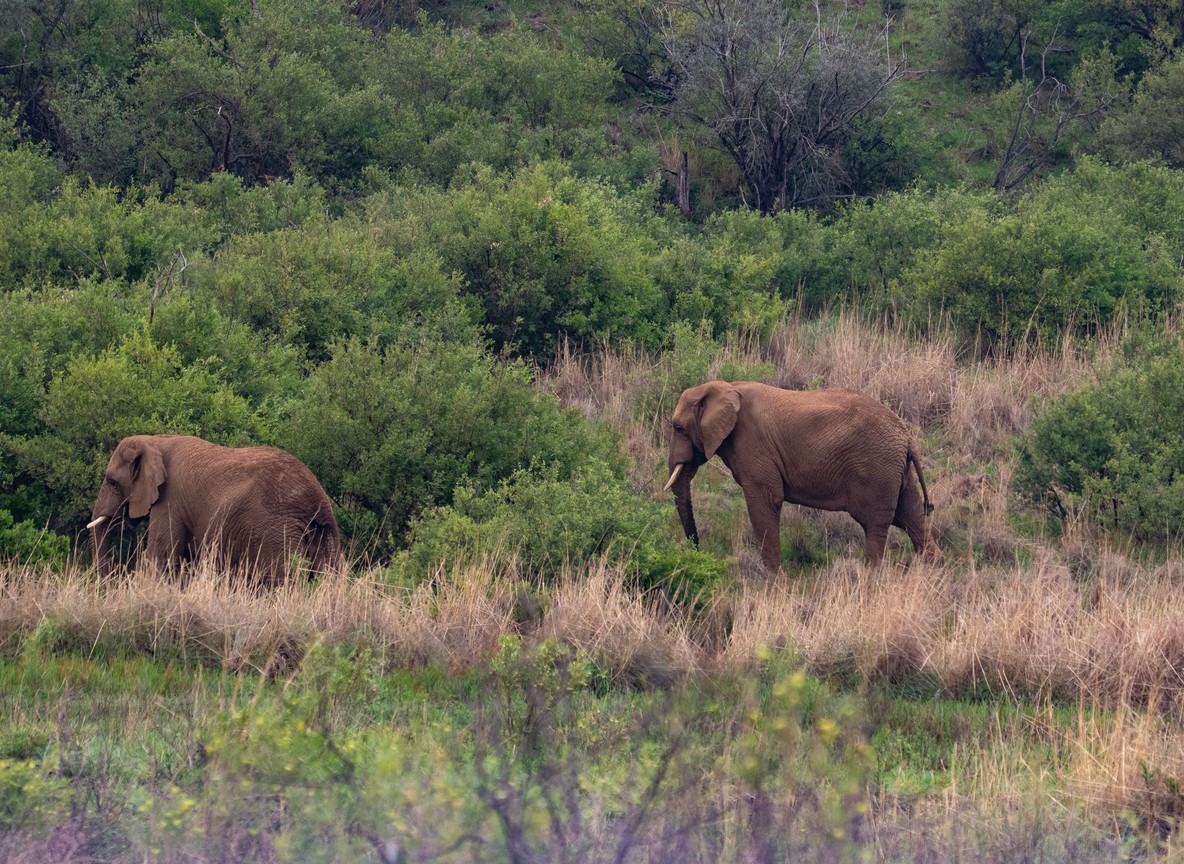
🐘 An elephant matriarch leads her family across cracked red earth toward a shrinking waterhole, the calves struggling to keep pace in the heat. This scene plays out across Tsavo every dry season, and in drought years it becomes a matter of survival. Understanding tsavo drought wildlife 2026 conditions matters for anyone planning a safari, because the water infrastructure protecting these animals is funded partly by visitor fees and conservation partnerships that responsible tourism supports.
Tsavo holds Kenya’s largest elephant population and some of its harshest terrain. When the rains fail, the consequences ripple through every species in the ecosystem. At Trunktrails Safaris, we track these conditions closely because they shape when and how we recommend travelling through this region, and because our tours and safaris contribute directly to the conservation partners doing the water work on the ground.
Why Tsavo Is Kenya’s Frontline for Drought
Tsavo East National Park and Tsavo West National Park together form the Tsavo Conservation Area, roughly 42,000 square kilometres when combined with adjoining sanctuaries and ranches. That makes it the largest protected wildlife area in Kenya, far larger than the Masai Mara ecosystem. Size brings scale, but it also brings vulnerability. Much of Tsavo East sits on semi-arid plains with few permanent water sources, so when Kenya’s short rains (October to December) or long rains (March to May) underperform, the effect on wildlife is immediate and severe.
Kenya endured its worst drought in four decades between 2020 and 2023, when five consecutive rainy seasons failed. The Kenya Wildlife Service reported in 2022 that the national drought had killed 205 elephants, 512 wildebeest, 381 common zebras, 51 buffalo, and 49 endangered Grevy’s zebra across the country, with Tsavo and Amboseli among the hardest-hit ecosystems. That precedent is why conservationists continue to monitor rainfall performance in Tsavo closely through 2026: the underlying vulnerability of the ecosystem has not changed, and any run of poor rains can quickly become a repeat crisis.
What Happens to Wildlife When Water Runs Out
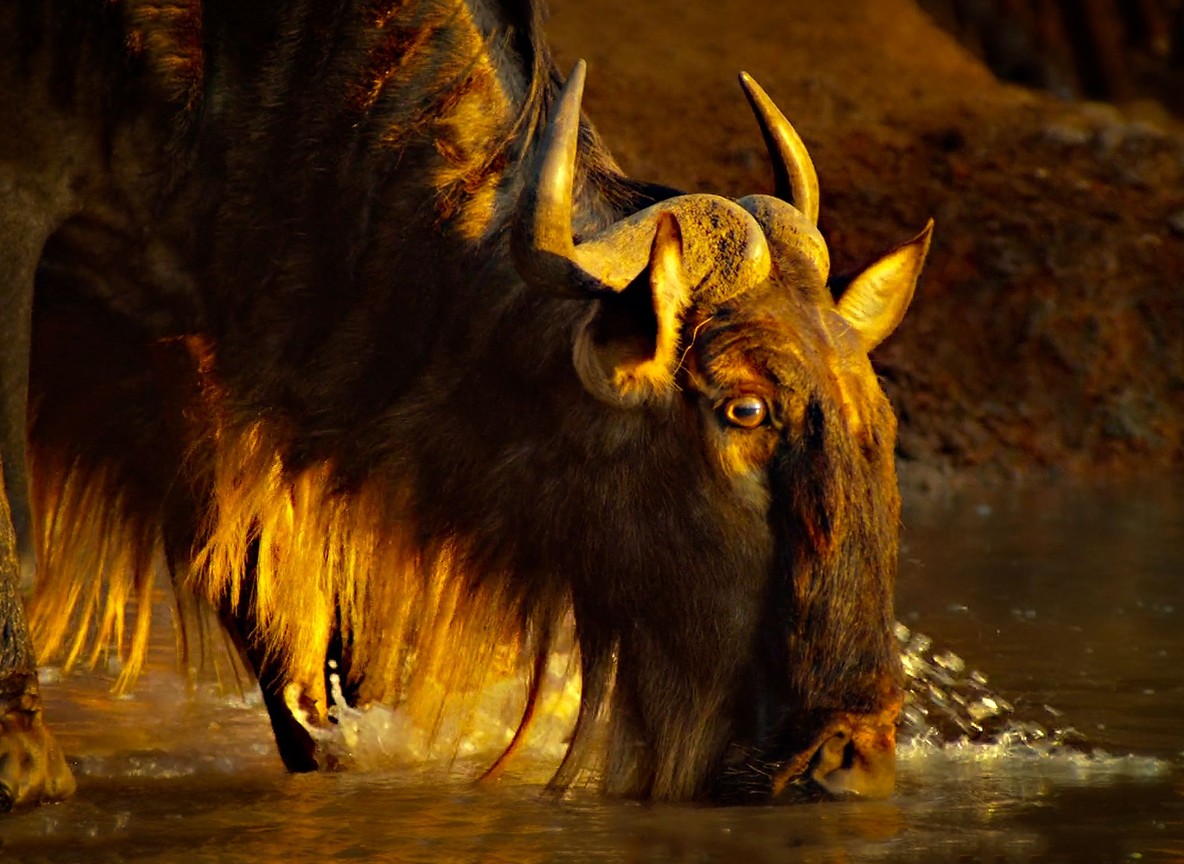
Elephants need up to 200 litres of water a day and cannot travel far from a reliable source, especially with young calves. When natural waterholes and rivers dry up, herds concentrate around the few remaining sources, which increases competition, stress, and disease transmission. Buffalo and hippos, both highly water-dependent, are often the first species to show visible drought stress. Browsers like giraffe and gerenuk fare better initially because they draw more moisture from vegetation, but prolonged drought eventually strips even that food source.
The knock-on effects extend beyond individual animal welfare. Weakened elephants are more likely to raid community farms at the park boundary in search of water and forage, which increases human-wildlife conflict. Predator populations shift their territories to follow prey concentrated at remaining water points, changing game-viewing patterns across the whole park. This is one reason drought years actually see some of the most concentrated, dramatic wildlife sightings around a handful of water sources, alongside the hardship.
Calves and juveniles carry the heaviest burden in any drought. A young elephant separated from its mother’s milk supply for even a short stretch can decline quickly, and orphaned calves found wandering alone near dried-up waterholes are the clearest visible signal that a drought has crossed from serious to critical. This is precisely why rescue and reintegration programmes based in Tsavo exist year-round rather than only during headline crisis years, since the underlying vulnerability never fully disappears between rainy seasons.
Best Time to Visit Tsavo During Drought-Sensitive Months
Timing your safari around Tsavo’s rainfall calendar reduces both wildlife stress and your own discomfort. The long rains typically fall March to May and the short rains October to December. The driest, hottest stretches, January to March and June to October, are exactly when drought conditions bite hardest and when water-point game viewing becomes most rewarding. Dust rises off the red volcanic soil, temperatures climb past 30 degrees Celsius by midday, and animals abandon wide roaming in favour of staying close to the Galana River, Mzima Springs, or Aruba Dam. Visiting during these months means fewer but far more concentrated sightings, since thirsty elephants, buffalo, and predators following them gather predictably at known water sources. If a rainy season underperforms, as happened repeatedly between 2020 and 2023, that concentration effect intensifies further into the following dry season. We track seasonal forecasts and recent rainfall data before finalising any Tsavo itinerary so guests know whether to expect a mild dry season or drought-level conditions.
The Rivers and Springs That Keep Tsavo Alive
Tsavo’s water security depends on a small number of critical natural features, which is exactly why they are the focus of conservation investment.
| Water source / feature | Location | Key fact |
|---|---|---|
| Galana River | Tsavo East | Longest permanent river in the park; year-round flow even in drought years |
| Mzima Springs | Tsavo West | Spring-fed by Chyulu Hills aquifer; supplies part of Mombasa’s piped water supply |
| Voi River | Tsavo East, near Voi Gate | Seasonal river feeding Aruba Dam reservoir |
| Aruba Dam | Tsavo East | Man-made reservoir on the Voi River; a key dry-season wildlife magnet |
| Lugard Falls | Tsavo East, on the Galana River | Rock-narrowed rapids; landmark stop on game drives |
Real Distances and Costs for a Tsavo Safari
Planning around drought conditions also means planning the logistics correctly. Here are the figures that matter for your itinerary.
| Detail | Tsavo East | Tsavo West |
|---|---|---|
| Park size | ~13,747 km2 | ~9,065 km2 |
| Main gate | Voi Gate | Mtito Andei Gate |
| Distance from Nairobi | ~330 km (about 5 hours by road) | ~240 km (about 4 hours by road) |
| Distance from Mombasa | ~160 km (about 2 hours by road) | ~330 km (about 4.5 hours by road) |
| Non-resident park fee (indicative) | USD 45 to 60 per adult per day | USD 45 to 60 per adult per day |
| Notable lodges | Voi Safari Lodge, Ashnil Aruba Camp, Satao Camp | Kilaguni Serena Safari Lodge, Ngulia Safari Lodge, Finch Hattons Luxury Camp |
Fees are indicative and change with Kenya Wildlife Service policy, so always confirm current rates before booking. Both gates are reachable in a single day from Nairobi or Mombasa, which is why Tsavo pairs well with a coastal extension.
Water Projects Making a Difference
The good news is that Tsavo is not without a response. The Sheldrick Wildlife Trust, founded by Daphne Sheldrick and active in Tsavo since the 1990s, runs an elephant orphan rescue and reintegration programme from its Voi and Kaluku units, and it maintains water bowsers and boreholes that supplement natural sources during dry spells. Tsavo Trust, a conservation partner working alongside Kenya Wildlife Service, conducts aerial monitoring of the park’s famous “big tusker” elephants and helps coordinate emergency water provision to areas where natural sources have failed. Kenya Wildlife Service itself maintains solar-powered boreholes and water pans across both Tsavo East and Tsavo West, prioritising areas with the highest concentrations of elephants and buffalo during drought months.
These projects depend on funding that comes only partly from government budgets. Park entrance fees, camp conservation levies, and direct donations from safari operators make up a meaningful share of the money that keeps boreholes pumping when rivers run low. This is the practical link between booking a safari and protecting the wildlife you go to see.
How Your Safari Directly Funds Water Security
Every Trunktrails Safaris booking into Tsavo includes park fees that flow to Kenya Wildlife Service conservation budgets, and we prioritise camps that contribute to local water and anti-poaching initiatives. When you travel with us, you are not a passive observer of the drought story, you are part of the funding structure that keeps Tsavo’s elephants alive through the dry months. We brief every guest on current water conditions before departure so expectations match reality on the ground, whether that means concentrated game viewing at Aruba Dam or a quieter circuit further from stressed areas.
The Trunktrails Advantage
Trunktrails Safaris is a Kenyan-owned operator, and that matters most in a landscape under drought pressure. Our guides live near Tsavo and read the land daily, not from a seasonal forecast but from what the rivers, dust, and animal movement are telling them right now. We route our tours and safaris away from areas experiencing acute wildlife stress and toward locations where sightings are strong and animals are not under unnecessary pressure from vehicle traffic. We also maintain direct relationships with Sheldrick Wildlife Trust and Tsavo Trust field teams, so our guests get accurate, current information rather than outdated guidebook claims. Choosing Trunktrails Safaris means your safari fee supports Kenyan conservation infrastructure directly, not a distant intermediary.
Plan Your Tsavo Safari With Purpose
Further reading
More safari planning resources
- Map of Tsavo from Valley Safaris
- Tsavo complete guide on Touring Insights
- Tsavo destination guide on FindMySafari
- Best time to visit Kenya month-by-month map from Valley Safaris
Tsavo’s drought cycles will keep testing its wildlife, but informed travel makes a real difference to the water projects fighting back. If you want to see the Galana River, stand at Mzima Springs, and watch elephants gather at Aruba Dam while supporting the teams keeping those water sources flowing, Trunktrails Safaris can build that itinerary around current ground conditions. Message us on WhatsApp at +254 113 208888, email info@trunktrailssafaris.com, or visit trunktrailssafaris.com to start planning your Tsavo departure with a Kenyan-owned team that knows this landscape firsthand.