
Tassia Lodge: Kenya’s Community-Owned Hideaway on the Mukogodo Escarpment 🌍
Most safari lodges rent land from a conservancy or a private ranch. Tassia Lodge is different. It sits on the edge of the Mukogodo Escarpment in Laikipia, built on land owned outright by the Lekurruki community, and every guest night helps fund the conservancy it looks out over. At Trunktrails Safaris, we get asked more often each year about lodges where the tourism money genuinely reaches the people living alongside the wildlife, and Tassia Lodge is one of the clearest answers we can give.
This review covers exactly what Tassia Lodge offers, how the community ownership model actually works, what getting there involves, and how it compares to nearby lodges built on a similar model. No inflated claims, no invented awards. Just what a traveler booking tours and safaris in Laikipia needs before committing to a stay this far off the beaten track.
What Is Tassia Lodge and Where Is It Located?
Tassia Lodge is a small, six-cottage lodge built into the rock of the Mukogodo Escarpment inside the Lekurruki Community Conservancy in Laikipia County. The escarpment drops away toward the Ngare Ndare valley, and on a clear day the view stretches to Mount Kenya on the eastern horizon. The land belongs to the Lekurruki community, and the lodge operates under a lease and revenue-sharing arrangement with them, which means bed-night fees flow directly into community and conservancy income rather than a distant landowner.
This puts Tassia Lodge in a small bracket of genuinely community-owned properties in northern Kenya, alongside its better-known neighbor Il Ngwesi Lodge on the adjoining Il Ngwesi Community Conservancy. Both sit in the wider Laikipia-Samburu landscape that connects to Lewa Wildlife Conservancy and Borana Conservancy, one of the most important corridors for black rhino and elephant movement in the country.
Getting to Tassia Lodge from Nairobi:
- By road: Approximately 290 to 320 km via Nyeri and Nanyuki, then a rough track climbing into the Mukogodo Forest and up the escarpment. Allow 6 to 7 hours total, and a 4WD vehicle for the final stretch, especially after rain.
- By air: Wilson Airport to Nanyuki Airstrip is roughly 40 minutes flying time. From Nanyuki, a road transfer of around 2.5 to 3 hours covers the remaining distance into the conservancy (indicative, confirm exact transfer time at booking, as the final approach road is seasonal-condition dependent).
An Honest Take: What Tassia Lodge Actually Offers
Tassia Lodge is not a polished five-star property, and it does not try to be. What it offers instead is something harder to manufacture: genuine isolation, a working relationship with the community that owns the land, and a setting few other lodges in Kenya can match. Each of the six cottages is built from local stone and thatch, set into the escarpment with a private veranda facing the valley below.
What you get at Tassia Lodge typically includes:
- Six individually built stone cottages, each with an open-air or semi-open bathroom
- Home-cooked meals served communally, sourced where possible from the local area
- Solar power and rainwater harvesting rather than grid electricity
- Guided walking safaris led by Maasai trackers from the Lekurruki community
- Access to the Mukogodo Forest, one of Kenya’s last dry indigenous forests and ancestral home of the Yaaku people
What you should not expect: infinity pools, spa treatments, or a large guest count. Tassia Lodge caps at a small number of guests at a time by design, which is part of what makes it appealing to travelers seeking a low-traffic, non-touristy experience rather than a criticism of the property.
How Community Ownership Actually Works at Tassia Lodge
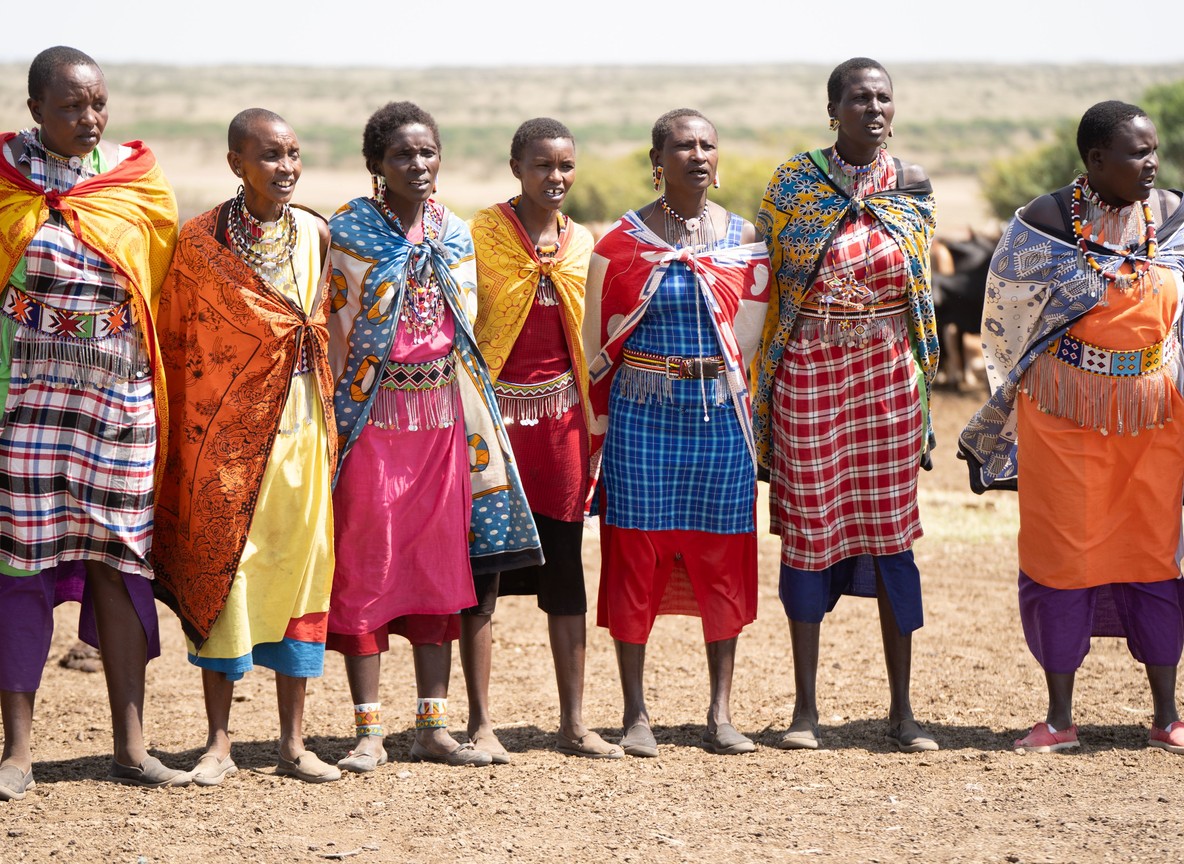
The detail that separates Tassia Lodge from most safari accommodation is structural, not decorative. The Lekurruki Community Conservancy owns the land the lodge sits on. Under the lease arrangement, a share of lodge revenue and a bed-night conservation fee are paid directly to the community trust, which funds conservancy rangers, local infrastructure, and conservation activities across Lekurruki land.
This matters for two practical reasons. First, the rangers and guides you meet at Tassia Lodge are drawn from the same community that owns the ground beneath the lodge, so the cultural and wildlife knowledge on a guided walk is lived experience, not a script. Second, wildlife corridors on community land like Lekurruki and neighboring Il Ngwesi form a critical link between Lewa Wildlife Conservancy, Borana Conservancy, and the wider Samburu ecosystem. Booking a stay here contributes directly to keeping that corridor intact for elephant and black rhino movement.
Trunktrails Safaris flags this distinction clearly for guests who care where their money actually goes, because “community-based tourism” gets used loosely across the industry and Tassia Lodge is one of the properties where the claim genuinely holds up.
Wildlife, Walking Safaris, and the Mukogodo Forest
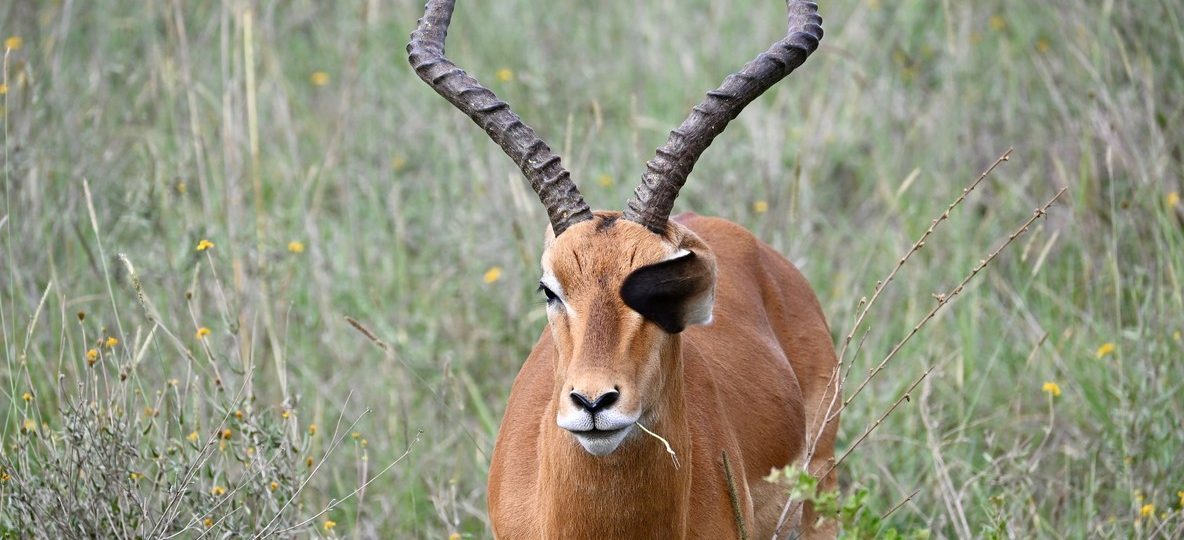
Game drives at Tassia Lodge are secondary to what the property is really built around: walking. Guided walks and night drives with Lekurruki trackers cover terrain most vehicle-based safaris never reach, including forest trails through Mukogodo Forest, home to leopard, elephant, and over 130 recorded bird species. 🐘
The Mukogodo Forest itself is a destination within the destination. It is one of the last surviving strongholds of the Yaaku people, an indigenous forest-dwelling community with one of Kenya’s oldest and most endangered languages. A guided visit here, arranged through the lodge, adds a cultural layer that most Laikipia lodges cannot offer because they simply do not sit on this land.
Beyond walking, activities commonly available include camel trekking, horse riding safaris for confident riders, and mountain biking along conservancy tracks, all guided given the terrain and resident wildlife. Big cat and elephant sightings happen on Lekurruki land, though density is lower than in a formal national reserve, which is the trade-off for the exclusivity and quiet the escarpment location provides. 🦒
Quick Facts: Tassia Lodge at a Glance
| Detail | Figure |
|---|---|
| Tassia Lodge cottage count | 6 stone-and-thatch cottages |
| Distance from Nairobi | Approx. 290 to 320 km via Nanyuki |
| Drive time Nairobi to Tassia Lodge | Approx. 6 to 7 hours (4WD required, final stretch) |
| Nearest airstrip | Nanyuki Airstrip |
| Flight time Wilson Airport to Nanyuki | Approx. 40 minutes |
| Road transfer Nanyuki to Tassia Lodge | Approx. 2.5 to 3 hours (indicative, condition-dependent) |
| Lewa Wildlife Conservancy size | Approx. 250 km² (62,000 acres) |
| Conservancy bed-night / conservation fee (indicative) | Approx. $30 to $50 per person, per night |
| Tassia Lodge indicative rate | Approx. $350 to $550 per person, per night, full board and activities |
Rates and fees above are indicative ranges for budget planning only, not published prices. Trunktrails Safaris confirms current rates and conservation fees directly with the lodge and the Lekurruki Community Trust before booking.
How Does Tassia Lodge Compare to Other Community-Owned Laikipia Lodges?
Community and conservancy-linked lodges across Laikipia and Samburu vary widely in scale, ownership structure, and price. Here is how Tassia Lodge stacks up against named alternatives operating on a similar model:
| Lodge | Location | Ownership Model | Indicative Rate (pp/night, full board) |
|---|---|---|---|
| Tassia Lodge | Mukogodo Escarpment, Lekurruki Conservancy | Community-owned land, leased operation | $350-$550 |
| Il Ngwesi Lodge | Il Ngwesi Community Conservancy (adjoining Lekurruki) | Fully community-owned and community-run | $400-$600 |
| Sarara Camp | Namunyak Wildlife Conservancy, Samburu | Community-owned land, leased operation | $600-$900 |
| Borana Lodge | Borana Conservancy | Privately owned conservancy | $700-$1,000 |
Rates and ownership details are indicative for comparison purposes and are not confirmed live prices. Trunktrails Safaris verifies exact figures and current ownership arrangements at the time of booking.
Tassia Lodge and Il Ngwesi Lodge sit closest together in both geography and model, sharing the same escarpment system and a similar commitment to community revenue share. Sarara Camp follows a comparable structure further north in Namunyak but at a higher price point, while Borana Lodge, though an excellent property, is privately rather than community owned, which is worth knowing if that distinction matters to your booking decision.
Who Should (and Shouldn’t) Book Tassia Lodge
Tassia Lodge suits travelers who want a remote, low-traffic experience with a genuine conservation and cultural story behind it. It is a strong fit for:
- Solo travelers or couples seeking an exclusive, non-touristy escarpment retreat
- Wildlife and conservation-minded travelers who want to see community-based conservancy management up close
- Guests who enjoy walking safaris and cultural encounters over vehicle-based game drives
- Travelers combining Laikipia with a Lewa Wildlife Conservancy or Samburu itinerary
It is not the right fit for travelers who want high-volume big cat sightings, a swimming pool, or a fully paved access road. Trunktrails Safaris will say so plainly rather than overselling the wildlife density a remote community conservancy cannot match against a flagship national reserve.
What Is the Trunktrails Advantage When Booking Tassia Lodge? ✨
Booking a community-owned lodge like Tassia Lodge deserves the same rigor as booking any premium safari property, and often more, because the access logistics are harder to get wrong. Trunktrails Safaris applies full transparency to every stage of planning a stay here.
You get:
- A Kenyan-owned operator with direct, on-ground relationships across the Lekurruki and Il Ngwesi conservancies
- Confirmed, current 4WD transfer arrangements from Nanyuki, so you are never stranded on the escarpment track
- Full itemized pricing on lodge rates, conservation fees, and transfers before you commit
- Realistic expectations on wildlife density versus the exclusivity trade-off, set honestly in advance
- Itinerary pairing that combines Tassia Lodge with Lewa Wildlife Conservancy or a Samburu extension for a fuller tours and safaris circuit
Trunktrails Safaris does not push every traveler toward the same big-name lodge. We match the property to the traveler, and for guests who want their tours and safaris spending to fund the community they are visiting, Tassia Lodge on the Mukogodo Escarpment is one of the strongest answers in Kenya. Trunktrails Safaris holds TRA Licence No. TRA1/22/C01/92750 as a registered Kenyan tour and safari operator, so every booking through us is backed by a licensed, accountable operator.
Further reading
More safari planning resources
- Kenya national parks map from SafariPure
- Ol Pejeta and Sweetwaters safari package from Valley Safaris
- Samburu National Reserve guide on Touring Insights
- Samburu destination guide on FindMySafari
Ready to Plan a Stay at Tassia Lodge? 📸
If a remote, community-owned escarpment retreat fits your Laikipia plans, Trunktrails Safaris can confirm current rates for Tassia Lodge and build the transfer and itinerary around it, from Nanyuki logistics to a Lewa or Samburu extension.
Reach out with your travel dates and group size, and we will lay out exactly what your stay covers before you commit to anything.
📞 WhatsApp: +254 113 208888 📧 Email: info@trunktrailssafaris.com 🌐 Website: https://trunktrailssafaris.com