
Sheldrick Elephant Orphanage: Visiting Hours, Fostering and What to Expect
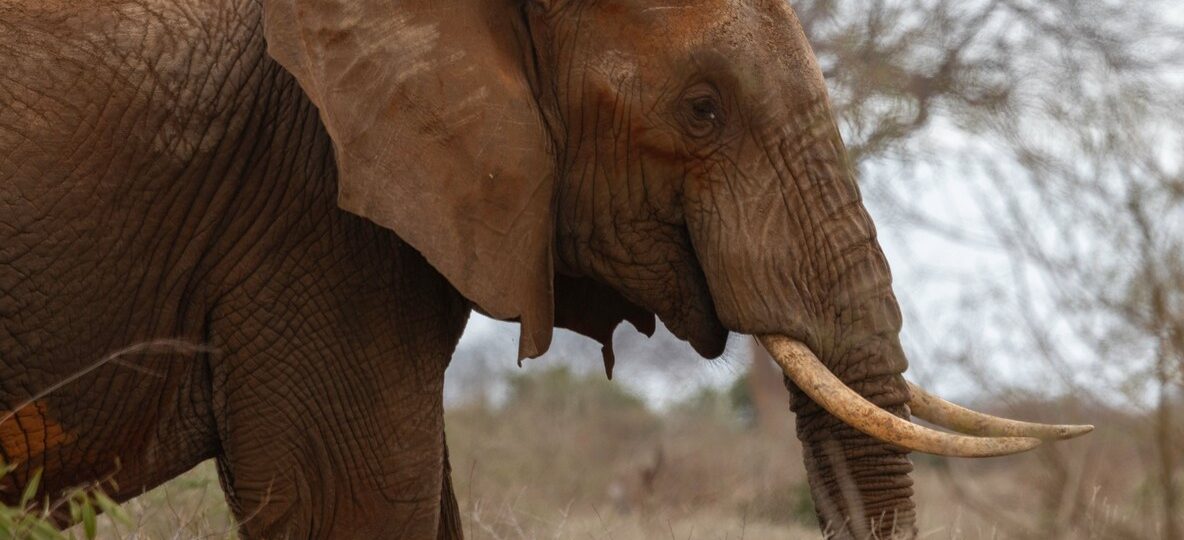
The sight of a six-month-old elephant trotting into a red-soil clearing, ears flapping and trunk swinging, rearranges something inside you. That is what the Sheldrick Elephant Orphanage delivers in its single daily hour of public viewing – a front-row encounter with Kenya’s most urgent wildlife rescue mission. Trunktrails Safaris includes this stop on every Nairobi itinerary, and not because guests expect it. We include it because no one who stands in that clearing ever wants to leave. 🐘
The Sheldrick Wildlife Trust (SWT) – formerly the David Sheldrick Wildlife Trust – is the world’s most successful elephant orphan rescue and rehabilitation programme. Since Dame Daphne Sheldrick founded it in 1977, the trust has rescued and rehabilitated over 260 orphaned elephants, releasing graduates into the wild at reintegration units in Tsavo and Kibwezi Forest. Every calf in the nursery has a story. Knowing that story before you arrive makes the hour exponentially more meaningful.
Where Is the Sheldrick Elephant Orphanage Located in Nairobi?
The nursery sits inside Nairobi National Park, off Magadi Road near the Mbagathi Gate area. From Nairobi’s city centre (CBD), the drive is roughly 9 km and takes 20 to 35 minutes depending on traffic. From Karen and Langata – the leafy suburb nearest to the park – it is closer: about 5 to 7 km, often under 20 minutes.
You do not need to pay Nairobi National Park entry fees to visit the orphanage. The trust operates a separate access gate and entry process. Most visitors arrive by taxi or ride-share. Trunktrails Safaris arranges pickup and drop-off for guests combining the orphanage with a morning game drive in Nairobi National Park – a smart pairing since the park opens at 6am and the orphanage visit starts at 11am.
What Are the Visiting Hours for the Sheldrick Elephant Orphanage?
The public visiting window is 11am to 12pm, daily – including weekends and public holidays. That one hour is the only time general visitors enter the nursery grounds. The routine is timed around the elephants’ feeding and mud-bath schedule, not visitor convenience, which is exactly as it should be.
The restricted window exists for a critical reason. Too much human contact slows a calf’s return to the wild. Keepers manage every interaction carefully. You will see keepers in grey-green coats staying close to each calf throughout the session. These men and women sleep beside the orphans at night, forming the parental bond the calves need to survive.
Arrive five to ten minutes before 11am to collect your tickets at the gate. The orphanage does not hold spots, and arriving late means missing the feeding session at the start of the hour.
How Much Does It Cost to Visit the Sheldrick Elephant Orphanage?
| Visitor Type | Entry Fee (indicative 2026) | Visiting Window |
|---|---|---|
| General public – adults | ~$15 per person | 11am – 12pm daily |
| Children under 5 | Free | 11am – 12pm daily |
| Registered foster parents | Included in fostering fee | 11am – 12pm + afternoon session |
Fees are indicative and may change. Confirm on the official Sheldrick Wildlife Trust website before your visit.
Online booking is strongly recommended during school holidays and from July through October, when Nairobi sees its peak international visitor traffic. The trust accepts online payments and provides confirmation by email.
What Happens During the Daily Elephant Mud Bath?
The 11am session centres on the mud bath – the social highlight of every orphan’s day. Keepers wheel in milk bottles. Calves drink greedily, spilling almost as much as they swallow. Once fed, the younger elephants charge the mud wallow at full trot while older calves supervise with a clear air of seniority.
You stand at a rope line roughly five to eight metres from the action. There is no glass panel or fence between you and the elephants. A keeper or volunteer narrates the session, explaining each orphan’s rescue story: where in Kenya they were found, how old they were, what caused their separation from their herd. Many were rescued from snare injuries, drought areas in northern Kenya, or human-wildlife conflict zones near Tsavo – some of the same landscapes you may visit on an Amboseli safari from Nairobi.
📸 Photography tip: Shoot at the start of the session before the calves get fully coated in red dust. Use a short zoom or phone camera – the elephants come very close.
How Does the Elephant Fostering Programme Work?
Fostering through the Sheldrick Wildlife Trust is one of the most direct ways to support elephant conservation in Kenya. You select a named orphan from the trust’s live database, pay a monthly contribution, and become that animal’s official foster parent.
What individual fostering includes:
- Monthly updates: keeper field notes and progress reports on your elephant
- Personalised adoption certificate and photo of your orphan
- Access to the exclusive afternoon foster visit at the nursery
- Direct impact: your contribution funds the daily care of one specific animal
Individual fostering starts at approximately $50 per month (indicative). The trust also offers premium tiers and corporate fostering packages for organisations wanting a substantive conservation credential. Trunktrails Safaris helps guests set up fostering as part of their Kenya itinerary – a popular choice among guests who want a conservation-focused safari in Kenya that goes beyond game drives.
The trust’s online portal makes it simple to foster before you travel. Registering in advance means you arrive in Nairobi as a foster parent, not just a general visitor, and gain access to the afternoon session below.
When Can Foster Parents Visit Their Adopted Elephant?
Registered foster parents receive access to a separate afternoon visit at the nursery, outside public hours. This session is far more intimate – fewer visitors, quieter atmosphere, and more time with the keepers and your specific orphan.
The afternoon visit typically runs between 3pm and 5pm, subject to the keeper schedule that day. Exact timing is confirmed when you register as a foster parent. The session includes time in the elephant stables as calves settle for the evening, which offers a very different view of their behaviour compared to the busy mud-bath hour.
If you plan to visit Nairobi, registering online before your trip is straightforward and takes under ten minutes on the trust’s website.
What Should You Bring and How Should You Dress for Your Visit?
The nursery grounds are dusty red laterite soil in the dry season and soft mud in the wet season. Pack for both conditions.
Bring with you:
- Closed-toe shoes or trainers (red soil stains sandals permanently and the ground is uneven)
- A light layer for the early part of the morning, which can be cool inside the park
- Sunscreen and a hat – the clearing has limited shade
- A charged phone or small camera
- Water – the session is one hour but the Nairobi sun is strong by midday
Leave behind:
- Bright colours (earth tones, khaki, dark green are best to avoid startling calves)
- Food or snacks (not permitted near the elephants)
- Large backpacks (keep bags small – travel light for this visit)
If you plan to continue to Giraffe Manor Nairobi or the Karen Blixen Museum after the orphanage, your footwear will work for all three. All are within 15 km of each other in the Karen and Langata corridor.
How Do You Combine the Orphanage with Other Nairobi Experiences?
A smart Nairobi day starts with a Nairobi National Park game drive at 6am, arrives at the orphanage at 11am, and continues to the Giraffe Centre or Karen Blixen Museum in the early afternoon. This is the Nairobi half-day that Trunktrails Safaris builds into every stopover itinerary.
| Activity | Distance from Orphanage | Best Time |
|---|---|---|
| Nairobi National Park game drive | Adjacent – inside the same park | 6am – 10am |
| Sheldrick Elephant Orphanage | Magadi Road, NNP Langata end | 11am – 12pm |
| Giraffe Centre, Langata | ~5 km north | 12:30pm – 2pm |
| Karen Blixen Museum | ~6 km west | 2:30pm – 4pm |
| Nairobi CBD / JKIA (airport) | ~9 km / ~15 km | Evening transfer |
A full Nairobi day covering these four stops costs approximately $80 to $150 per person (indicative), including transport, entry fees, and lunch. Trunktrails Safaris tours and safaris can be priced with or without guide – let us know your preference and we will build the itinerary around it.
The Trunktrails Advantage
Trunktrails Safaris is a native Kenyan-owned tours and safaris operator based in Nairobi. We have run Nairobi stopovers and full Kenya safaris for guests from across the world, and we know that the orphanage visit lands differently when it is part of a bigger conservation story.
What makes our Nairobi experience different:
- We connect the nursery to the wild. The elephants in the nursery will eventually be moved to reintegration units: Ithumba in Tsavo East (approximately 310 km from Nairobi), Voi in Tsavo East (approximately 340 km), or Umani Springs in Kibwezi Forest (approximately 220 km). If Tsavo is on your Kenya itinerary, you may see a nursery graduate walking free in the wild.
- Tailored itineraries. No fixed packages. Trunktrails Safaris builds your Nairobi day around your group – families with young children, solo wildlife enthusiasts, honeymooners – each get a different emphasis.
- 5% conservation contribution. Every booking with Trunktrails Safaris includes a direct contribution to wildlife conservation in Kenya.
- Direct operator, no middlemen. You book with the team that runs the safari. 24/7 WhatsApp support from arrival to departure. 🌍
- Tours and safaris at every budget. From a single Nairobi day to a ten-day multi-park Kenya circuit, we build it around what matters to you.
Our tours and safaris make the most of every day in Kenya. A great Nairobi experience is not just about checking boxes – it is about walking away with a story you will tell for years.
Further reading
More safari planning resources
- Kenya tour packages from Valley Safaris
- Tsavo complete guide on Touring Insights
- Big Five safari collection on FindMySafari
- Compare Kenya safari packages on FindMySafari
Ready to Plan Your Nairobi Wildlife Day with Trunktrails Safaris?
The Sheldrick Elephant Orphanage visit lasts one hour. Planning it right – pairing it with the right activities, arriving on time, and building it into a full Kenya story – turns 60 minutes into the memory that defines your whole trip. ✨
At Trunktrails Safaris, we design every day in Nairobi around your group, your dates, and what matters most to you. Tell us when you are coming and we will handle the rest.
📞 WhatsApp: +254 113 208888 📧 Email: info@trunktrailssafaris.com 🌐 Website: https://trunktrailssafaris.com

