Saruni Samburu Review: Pioneer Camp of Kenya’s Kalama Conservancy
Few camps earn the word “pioneer” honestly. Saruni Samburu does. It was the first lodge to open inside the 150,000-acre (600 km²) Kalama Community Wildlife Conservancy, a vast stretch of northern Kenya where the Samburu people traded short-term grazing revenue for long-term wildlife income. That decision changed the landscape here. Literally. The camp perches on a high ridge above the Ewaso plains, its six stone villas cantilevered over a drop that frames the Mathews Range by day and the Milky Way by night. 🌅
At Trunktrails Safaris, we specialise in northern Kenya tours and safaris, and Saruni Samburu sits at the top of our recommendation list for travellers who want exclusivity, genuine community impact, and wildlife density that rivals any game area in Africa.
What Makes the Kalama Conservancy Different from Samburu National Reserve?
Most visitors to northern Kenya book the Samburu National Reserve and never look north. Kalama Conservancy changes that calculation.
The reserve is 165 km² of public land, busy near Archers Post and priced accordingly. Kalama is 600 km² of Samburu community land, privately conserved, with a fraction of the visitor numbers. There are no public minibuses, no packed waterholes at lunch. Instead, you share the conservancy with fewer than 20 guests at any one time.
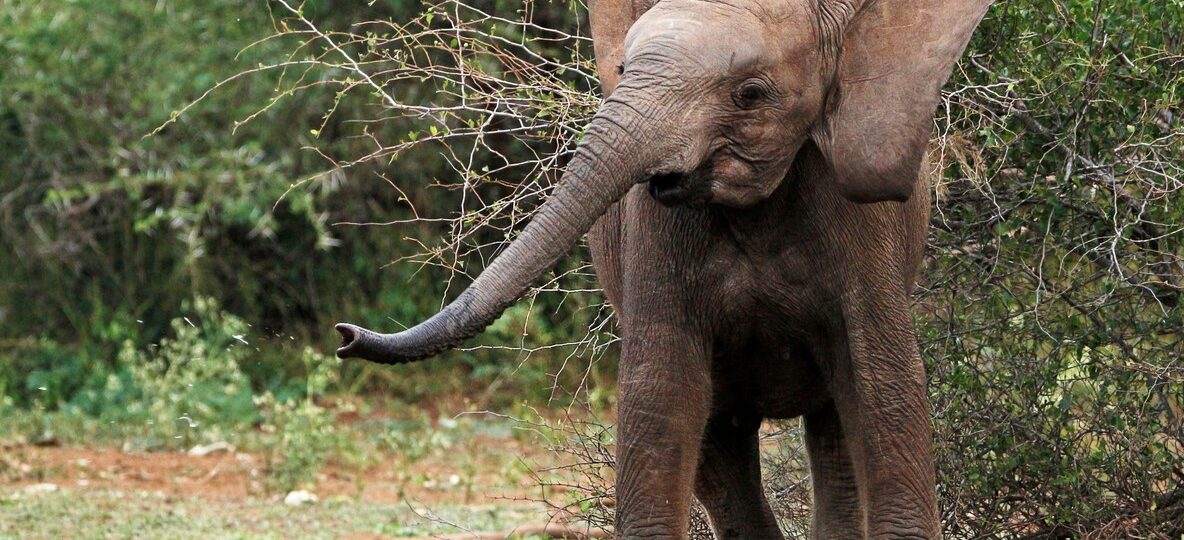
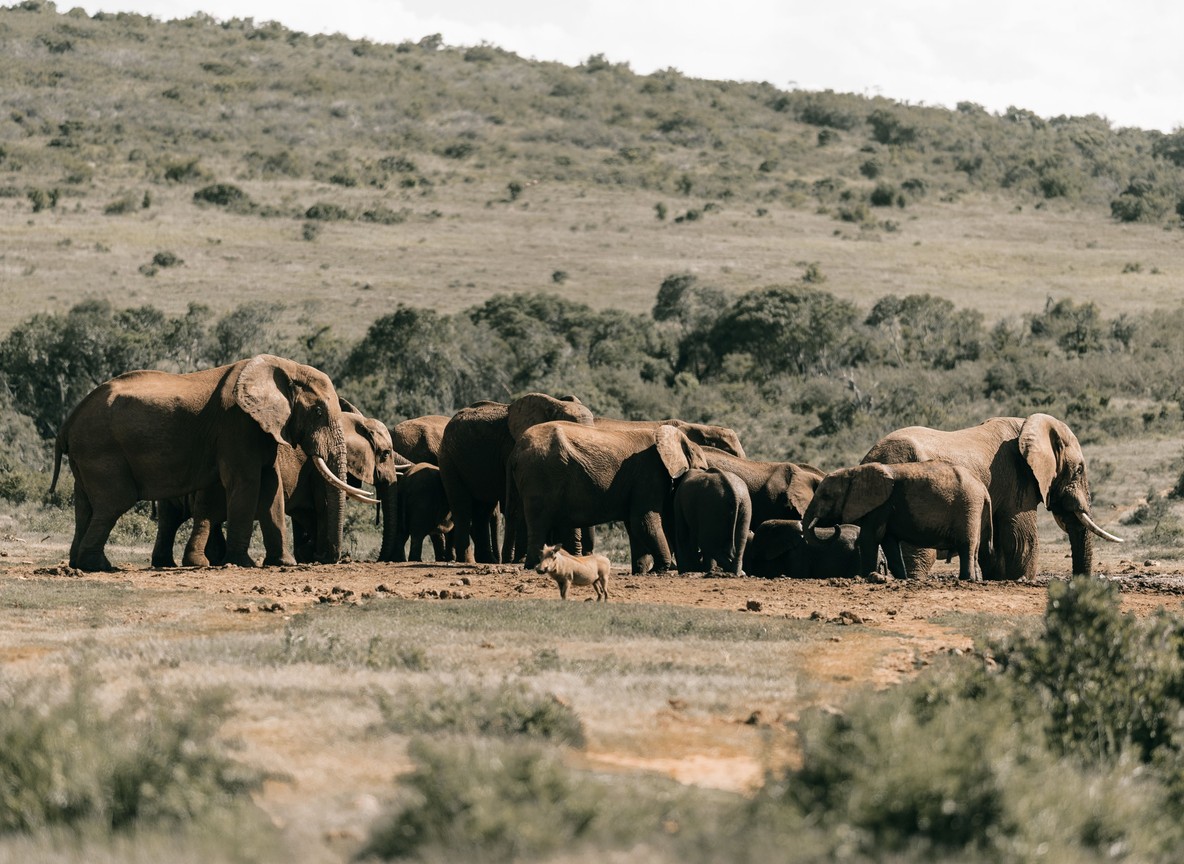
Importantly, the wildlife here does not stop at an invisible fence. Elephants, lions, Grevy’s zebra, and reticulated giraffe move freely between Kalama, the national reserve, and Buffalo Springs to the south. Kalama acts as a crucial corridor, which is why Kenya Wildlife Service actively supports the conservancy’s anti-poaching units.
| Feature | Samburu National Reserve | Kalama Conservancy |
|---|---|---|
| Size | 165 km² | 600 km² |
| Ownership | Public (KWS) | Samburu community |
| Daily entry fee | ~$70/person (non-resident) | Conservancy fee included in lodge rate |
| Night drives | Not permitted | Permitted (exclusive to lodge guests) |
| Walking safaris | Restricted | Permitted with armed Samburu guide |
| Visitor volume | High (year-round) | Very low (max ~20 guests at one time) |
| Camel-led game walks | No | Yes |
Where Is Saruni Samburu and How Do You Get There?
Saruni Samburu lies approximately 350 km north of Nairobi, above the Ewaso Ng’iro River valley. The nearest landmark town is Archers Post on the A2 highway.
By air (recommended): Fly from Wilson Airport, Nairobi to Kalama or Naisikitok airstrip. Flight time is roughly 70 minutes. The camp’s vehicle meets you for the final 30-minute ridge drive. Safarilink and Tropic Air operate regular northern Kenya schedules; charter flights are arranged through the camp for groups.
By road: Allow 5 to 6 hours from Nairobi via Nanyuki and Isiolo on tarmac, then approximately 1.5 hours on graded murram roads through the conservancy. Road access is not recommended June through August when northern Kenya rains soften the tracks.
The ridge location at roughly 1,400 m above sea level keeps the camp 5 to 8°C cooler than the hot Ewaso plains below. That altitude also explains the spectacular long views across three conservancies.
What Wildlife Will You See on a Saruni Samburu Safari?
Northern Kenya is home to the Samburu Special Five, a set of species found nowhere else in Kenya’s main safari circuits. Kalama holds all five in good numbers.
The Samburu Special Five at a Glance
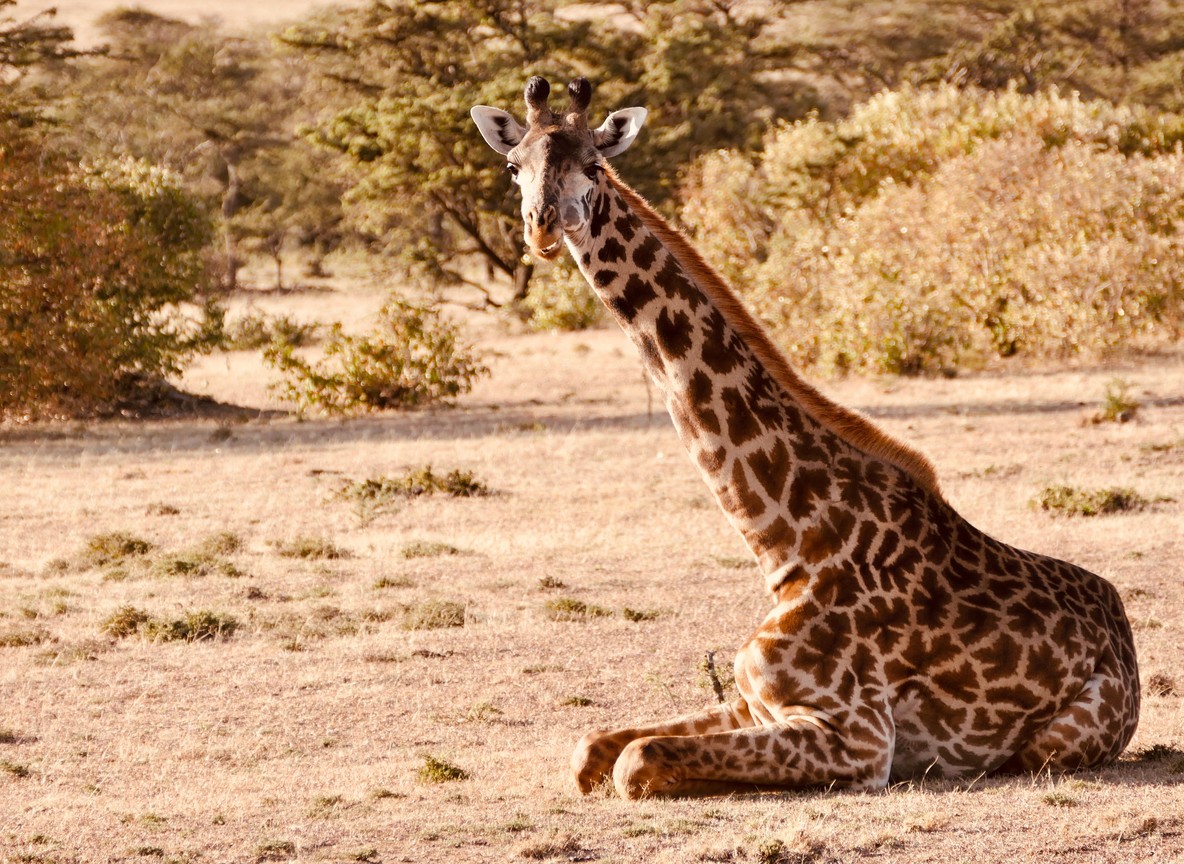
- Reticulated giraffe (Giraffa reticulata): the world’s tallest and arguably most striking giraffe subspecies, with bold chestnut patches separated by bright white lines
- Grevy’s zebra (Equus grevyi): the world’s largest wild equid, endangered globally with only about 3,000 remaining; Kenya holds 90% of the world’s population
- Beisa oryx (Oryx beisa): a straight-horned antelope built for arid conditions
- Somali ostrich (Struthio molybdophanes): the male’s neck turns vivid blue during breeding season
- Gerenuk (Litocranius walleri): also called the giraffe gazelle for its habit of standing upright on hind legs to browse acacia
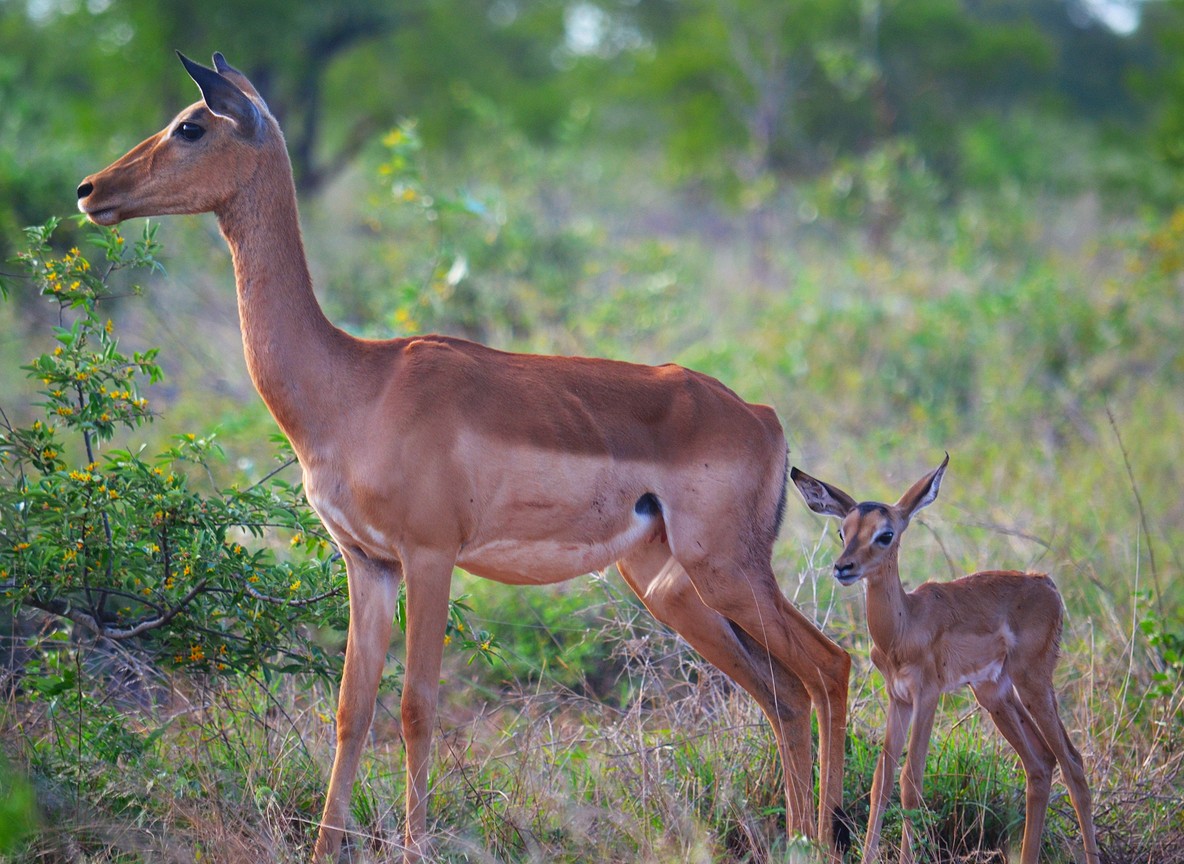
Beyond the Special Five, Kalama hosts resident lion prides, leopard, cheetah, African wild dog packs, large elephant herds, and over 365 recorded bird species. The higher ridge vegetation around the camp attracts klipspringer, grey duiker, and bushbuck that visitors on the plains rarely see.
Night drives are one of Saruni’s most distinctive offerings. Samburu National Reserve does not permit them. Kalama does. The nocturnal hours reveal aardvark, genet, porcupine, civet, and occasionally the elusive caracal.
How Many Rooms Does Saruni Samburu Have and What Are They Like?
The camp has six stone cottages, each built into the rocky ridge using local materials. Six cottages is a deliberate choice: it keeps the guest-to-wildlife ratio low and the service quality high.
Each cottage features:
- A king or twin bed configuration behind glass walls facing the plains
- A private plunge pool cantilevered over the ridge
- An open-air shower open to the sky
- A private verandah where morning coffee and the Mathews Range compete for your attention
Interiors blend Italian design sensibility with Samburu craft: woven beadwork panels, hand-thrown ceramics, carved wooden furniture. The effect is warm rather than austere. Lighting at night is deliberately dim to protect the night sky, which ranks among the clearest in Kenya at this altitude.
Power comes from solar panels. Wi-Fi is available at the main lodge (deliberately not in the cottages). Mobile signal is absent. That absence is the point.
What Activities Does Saruni Samburu Offer?
A standard Trunktrails Safaris stay at Saruni Samburu typically includes:
- Morning and afternoon game drives in a 4WD Land Cruiser with a Samburu guide and a community ranger
- Night drives across the conservancy (unique to Kalama; not available in the national reserve)
- Walking safaris with an armed Samburu guide. Walks focus on tracking, bird identification, and medicinal plant knowledge
- Camel-led game walks with Samburu herders, covering terrain no vehicle can reach
- Cultural visits to Samburu manyatta (villages) inside the conservancy, led by community members (not staged performances)
- Fly-camping on request: overnight under the stars on the ridge with a full camp setup
The camp operates a strict no-vehicle-number policy in the conservancy. Unlike busy national parks, if a lion kill is found, only one vehicle attends at a time. Every vehicle waits its turn. That small rule produces an entirely different quality of experience.
What Are Saruni Samburu Rates and What Is Included?
Saruni Samburu is positioned at the top end of Kenya’s luxury safari market. Rates are full-board and inclusive of most activities.
| Season | Indicative Rate (per person per night, sharing) |
|---|---|
| Low season (Apr-May, Nov) | From $700 indicative |
| Shoulder season (Jan-Mar, Jun) | From $900 indicative |
| High season (Jul-Oct, Dec) | From $1,100 indicative |
Rates are indicative and subject to change. Contact Trunktrails Safaris for current pricing, single supplement, and group rates.
Included in rate:
- All meals (local and international cuisine cooked on site)
- Morning, afternoon, and night game drives
- Walking safaris
- Camel walks
- Conservancy fees
- Laundry
- Local soft drinks, wine, beer, and spirits
- Airport transfers from Kalama/Naisikitok airstrip
Not included: International and regional flights, Kenyan visa, travel insurance, tips, personal purchases.
For context on how Saruni Samburu fits into a wider northern Kenya itinerary, our northern kenya safari cost guide covers the full range from budget to ultra-luxury.
How Does Community Ownership Work at Kalama?
The Kalama Community Wildlife Conservancy was established in 2009 by approximately 7,500 Samburu landowners who agreed to set aside 150,000 acres of their communal grazing land for wildlife. In return, the lodge pays an annual conservancy fee to the community trust. The trust distributes funds to schools, bore-holes, veterinary services, and ranger salaries.
Saruni Samburu was the first commercial lodge to sign that agreement. Without the camp, the conservancy model had no funding. The economics were honest: wildlife had to pay its own way.
Today, more than 200 community rangers patrol Kalama’s boundaries. Poaching incidents have dropped dramatically since the conservancy was established. Elephant numbers have recovered. The lion population, which was functionally zero in 2008 due to retaliatory killing, now sustains three resident prides.
This is what genuine conservation impact looks like. Not a donation page. Not a bronze-plaque sponsorship. A model that changes land use permanently because it makes financial sense for the people who live there.
Our northern kenya safari guide covers how Kalama fits into a wider route through the region alongside Namunyak, Lewa, and the Mathews Range.
How Does Saruni Samburu Compare to Other Samburu Camps?
Choosing where to stay in northern Kenya depends on what you prioritise. Our Samburu camps comparison guide covers the full range, but here is how Saruni stacks up on the deciding factors.
| Camp | Location | Night Drives | Walking Safaris | Rooms | Price Range |
|---|---|---|---|---|---|
| Saruni Samburu | Kalama Conservancy (ridge) | Yes | Yes | 6 villas | $$$$ |
| Elephant Bedroom Camp | Samburu National Reserve | No | Limited | 12 tents | $$$ |
| Samburu Intrepids | Samburu National Reserve | No | No | 30 tents | $$ |
| Saruni Wild | Samburu Reserve buffer | Yes (partial) | Yes | 5 villas | $$$$ |
| Sasaab Lodge | Westgate Conservancy | Yes | Yes | 9 villas | $$$$ |
For guests who want the greatest exclusivity, full activity range, and direct community benefit, Saruni Samburu leads. Couples who want high-end comfort with walking, night drives, and cultural access will find nothing comparable at the same guest-to-land ratio in northern Kenya.
What Is the Best Time to Visit Saruni Samburu?
Northern Kenya is an all-year destination, but conditions vary. Our best time to visit Samburu guide covers month-by-month detail.
In brief:
- January to March: Excellent. Dry, clear skies, predictable wildlife concentration around waterholes. Green vegetation from the short rains adds colour.
- April to May: Long rains. Some tracks muddy; the conservancy is lush and beautiful. Fewer visitors, lower rates.
- June to October: Peak season. The Ewaso Ng’iro River drops, concentrating wildlife on its banks. July to September brings the best elephant gatherings and Grevy’s zebra sightings.
- November: Short rains. Birdlife peaks. Still excellent for general game.
- December: Popular with international visitors; book early.
Temperature at the camp’s ridge elevation stays between 18°C and 28°C year-round, which is far more comfortable than the 35°C+ heat on the valley floor. 🌍
What Is the Trunktrails Advantage for a Saruni Samburu Safari?
Trunktrails Safaris is a Kenyan-owned operator with deep roots in northern Kenya. We do not sell packages off a shelf. We visit the camps, know the guides by name, and build itineraries around your specific dates, interests, and travel style.
Trunktrails Safaris runs tours and safaris across northern Kenya year-round, and Kalama is our flagship recommendation for discerning guests. Here is why guests choose our northern Kenya tours and safaris:
- Direct negotiation: We hold allocations at Saruni Samburu and can confirm rooms faster than international booking portals, often at rates portals cannot access.
- Itinerary integration: Saruni Samburu works best as part of a 7 to 10 day northern Kenya circuit combining Laikipia, Lewa, and the Samburu ecosystem. We design that circuit around your travel dates.
- Conservation alignment: 5% of every booking goes directly to wildlife conservation. Booking with Trunktrails Safaris means your safari dollars work twice: once through the camp’s community fee to Kalama, once through our own conservation commitment.
- 24/7 support: Our team answers on WhatsApp, not a call centre. Direct. Fast. Kenyan.
- No middlemen: You book direct with the operator who knows the camps. No agency mark-ups. No commission chains. ✨
We have arranged Saruni Samburu stays for honeymooners, wildlife photographers, conservation researchers, and families with older teens. Every stay is built from scratch.
Ready to Book Saruni Samburu with Trunktrails Safaris?
Saruni Samburu has just six villas. High season fills months in advance. If you are planning a July to October northern Kenya safari, reach out now and we will confirm availability, build your itinerary, and lock in your conservancy experience before the rooms go.
At Trunktrails Safaris, we design every safari around your dates, budget, and what matters most to you. No cookie-cutter packages. Just a direct line to a team that knows Kenya from the inside out.
Further reading
More safari planning resources
- Map of Samburu from Valley Safaris
- Samburu National Reserve guide on Touring Insights
- Samburu destination guide on FindMySafari
- Best time to visit Kenya month-by-month map from Valley Safaris
📞 WhatsApp: +254 113 208888 📧 Email: info@trunktrailssafaris.com 🌐 Website: https://trunktrailssafaris.com