Samburu National Reserve — Complete Safari Guide
When you think of Kenya’s safari destinations, the Maasai Mara and Amboseli often steal the spotlight. But venture north into the arid landscapes of Samburu County, and you’ll discover a wilderness that feels untouched, raw, and utterly captivating. Samburu National Reserve offers something truly different: rare wildlife species found nowhere else in Kenya, dramatic desert scenery, and an authentic safari experience far from the crowds. Our team at Trunktrails Safaris has been guiding visitors through this remarkable reserve for years, and we’re excited to share everything you need to know about planning your Samburu safari adventure.
Why Samburu National Reserve is Different from Other Kenya Reserves
Samburu National Reserve stands apart from Kenya’s southern parks in almost every way. Located in Isiolo County in northern Kenya, this 165-square-kilometer reserve sits along the banks of the Ewaso Ng’iro River, creating a lifeline of green in an otherwise harsh, semi-arid landscape. The contrast is striking: acacia woodlands and doum palms line the riverbanks while the surrounding terrain stretches into rust-colored plains and rocky outcrops.
What makes Samburu truly special is its unique ecosystem. The reserve lies north of the equator in a region that receives less rainfall than the famous Maasai Mara, creating conditions that support wildlife species adapted to arid environments. This isn’t just another place to see lions and elephants (though you’ll find plenty of both). Samburu is home to rare species that have evolved to thrive in these challenging conditions.
The cultural dimension adds another layer of richness. The Samburu people, close relatives of the Maasai, have lived in harmony with this landscape for centuries. Their traditional villages dot the areas surrounding the reserve, and cultural visits offer genuine insights into a semi-nomadic pastoralist way of life that continues today.
Unlike the Maasai Mara, which can see hundreds of safari vehicles during peak season, Samburu maintains an exclusive, uncrowded atmosphere. Game drives here feel intimate and exploratory. You’re not following a convoy to the latest lion sighting; you’re discovering wildlife on your own terms.
The Samburu Special Five: Wildlife You Won’t See Anywhere Else
Forget the Big Five for a moment. In Samburu, we talk about the “Samburu Special Five” – a collection of rare and beautiful species that are endemic to northern Kenya and the Horn of Africa. Spotting all five is a highlight of any Samburu safari.
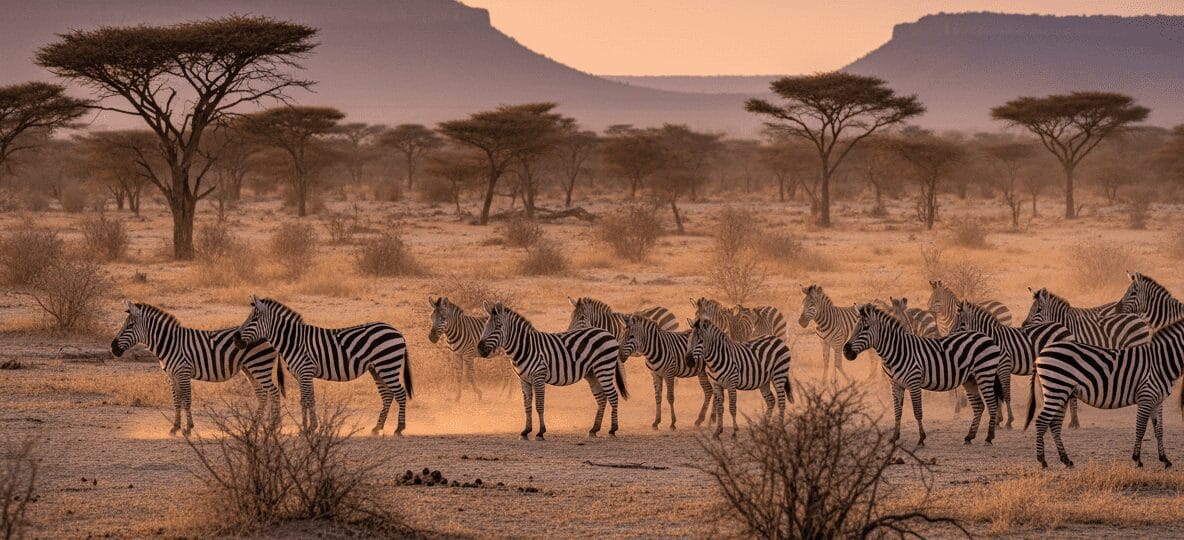
Grevy’s Zebra: Larger and more elegant than the common plains zebra, Grevy’s zebras have narrower stripes, white bellies, and rounded ears. They’re the largest wild equid in the world and critically endangered, with Samburu being one of their most important strongholds.
Reticulated Giraffe: These stunning giraffes display a distinctive coat pattern of sharp-edged, chestnut-colored polygons separated by bright white lines. The pattern is so precise it looks almost geometric. They’re taller and more striking than the Maasai giraffe found in southern Kenya.
Somali Ostrich: Distinguished from the common ostrich by the male’s blue-grey neck and legs (rather than pink), the Somali ostrich was only recognized as a separate species in 2014. The females are harder to tell apart, but once you know what to look for, the differences are clear.
Gerenuk: Perhaps the most unusual of the Special Five, the gerenuk is a long-necked antelope that stands on its hind legs to browse on high branches. Its name means “giraffe-necked” in Somali, and watching one stretch up to reach acacia leaves is an unforgettable sight.
Beisa Oryx: This large antelope with long, straight horns and striking facial markings is perfectly adapted to arid conditions. They can go for long periods without water, getting moisture from the plants they eat. Their horns can grow up to 75 centimeters long.
Beyond the Special Five, Samburu hosts healthy populations of elephants, lions, leopards, cheetahs, and over 450 bird species. The reserve is particularly famous for its elephant research, with the Save the Elephants organization headquartered here.
Best Time to Visit Samburu National Reserve
Samburu’s climate differs significantly from southern Kenya’s parks, and timing your visit right can enhance your experience dramatically.
Dry Season (June to October, January to February): These months offer the best game viewing. As water sources dry up across the landscape, wildlife concentrates around the Ewaso Ng’iro River, making animals easier to spot. The vegetation is thinner, visibility is excellent, and river crossings by elephants and other animals become daily spectacles. Temperatures are hot during the day (often exceeding 30°C) but pleasant in the early mornings and evenings.
Wet Season (March to May, November to December): The landscape transforms during the rains, turning green and lush. While game viewing can be more challenging as animals disperse across the reserve, this is the best time for bird watching, with migratory species arriving from Europe and North Africa. The scenery is more photogenic, and you’ll often have the reserve almost to yourself. Rates at lodges and camps are typically lower during these months.
Our Recommendation: For first-time visitors focused on wildlife, we recommend July through October. The dry conditions concentrate game viewing, and you’ll have the best chance of seeing all the Samburu Special Five in a single visit. For photographers and return visitors, the green season offers dramatic skies, fewer vehicles, and unique opportunities.
Top Wildlife Experiences in Samburu
A Samburu safari offers experiences you simply can’t replicate elsewhere in Kenya. Here are the highlights our guests consistently rave about:
Morning and Evening Game Drives: The golden hours deliver the best wildlife activity and the most beautiful light. We typically head out at 6:30 AM and return for a late breakfast, then venture out again around 4:00 PM until sunset. The cooler temperatures bring predators out to hunt and herbivores to the river to drink.
Elephant Watching Along the Ewaso Ng’iro: The river is the heart of Samburu’s ecosystem. Watching elephant herds cross the river, with calves splashing and playing while adults drink deeply, is mesmerizing. The elephants here are well-studied, and your guide can often identify individual animals by name.
Leopard Spotting: Samburu has one of the highest leopard densities in Kenya. These elusive cats often rest in the doum palms and acacia trees along the river during the heat of the day. Patient observation and an experienced guide significantly increase your chances of a sighting.
Bird Watching: With over 450 recorded species, Samburu is a birder’s paradise. Look for the vulturine guineafowl (Kenya’s most beautiful gamebird), martial eagles, pygmy falcons, and during the wet season, dozens of migratory species.
Cultural Visits: Visiting a traditional Samburu village provides context for the landscape you’re exploring. Learn about traditional beadwork, warrior culture, and how the Samburu people have coexisted with wildlife for generations. We arrange these visits through community partnerships that ensure your visit benefits local families directly.
Night Game Drives: Some camps offer night drives in the conservancies adjacent to the reserve, where you might spot nocturnal species like aardvarks, porcupines, genets, and hunting predators.
Best Lodges and Camps in Samburu
Accommodation in Samburu ranges from luxury tented camps to comfortable lodges, all offering excellent access to the reserve. Here are our top recommendations:
Luxury Options: Sasabu Camp and Elephant Bedroom Camp offer intimate, high-end experiences with spacious tents, private verandas overlooking the river, and exceptional service. These camps typically host fewer than 20 guests, ensuring personalized attention and exclusive game drives.
Mid-Range Lodges: Samburu Sopa Lodge and Samburu Simba Lodge provide comfortable rooms, swimming pools, and good food at more accessible price points. They’re excellent choices for families and first-time safari-goers.
Conservancy Camps: Properties like Saruni Samburu sit in private conservancies bordering the reserve, offering the advantage of walking safaris and night drives (not permitted inside the national reserve itself). The conservancy model also directly benefits local Samburu communities.
Budget-Friendly: Samburu Public Campsite offers basic facilities for self-drive visitors and budget travelers. You’ll need to be fully self-sufficient, but the location inside the reserve is unbeatable.
All our Samburu safari packages include carefully selected accommodation matched to your budget and preferences. We work directly with lodge and camp management to ensure our clients receive the best possible experience.
How to Get to Samburu National Reserve
Samburu is located approximately 350 kilometers north of Nairobi. You have two main options for reaching the reserve:
By Road: The drive from Nairobi takes 5-6 hours via the Isiolo route. The road is paved all the way to Isiolo town, then it’s about 40 kilometers on a good murram road to the reserve gates. This option works well if you’re combining Samburu with other northern destinations like Laikipia or Meru. We offer road transfers in comfortable 4×4 safari vehicles with pop-up roofs for game viewing.
By Air: Several daily scheduled flights connect Nairobi’s Wilson Airport to Samburu’s airstrips (Samburu Oryx and Kalama). Flight time is approximately one hour. This is the most comfortable option and maximizes your time in the reserve rather than on the road. Most of our multi-day Samburu packages include flights.
From Other Destinations: Samburu combines beautifully with Laikipia Plateau (2 hours by road), Meru National Park (2.5 hours), or even the northern shores of Lake Turkana for adventurous travelers. We can arrange multi-destination itineraries that showcase northern Kenya’s diversity.
Samburu Safari Packages with Trunktrails Safaris
At Trunktrails Safaris, we specialize in creating authentic Kenya safari experiences. As a native Kenyan-owned operator, we handle every detail of your Samburu adventure with professionalism and care.
Our Samburu Safari Packages Include:
- All park fees and conservancy fees
- Accommodation in your choice of lodge or camp
- Three meals daily (breakfast, lunch, dinner)
- Two game drives per day with experienced guides
- Airport/hotel transfers
- Flying Doctor emergency evacuation cover
- All government taxes
Popular Samburu Itineraries:
- 3-Day Samburu Explorer: Perfect for first-time visitors, focusing on the Special Five and core wildlife experiences
- 5-Day Samburu & Laikipia: Combines Samburu with the private conservancies of Laikipia for diverse landscapes and wildlife
- 7-Day Northern Kenya Circuit: Samburu, Meru, and Laikipia – the ultimate northern Kenya safari
- Custom Private Safaris: Tailored to your specific interests, timeline, and budget
We keep our group sizes small (maximum 6 guests per vehicle) to ensure everyone gets window seats and personalized attention. Our guides are trained naturalists with years of experience in Samburu’s unique ecosystem.
Ready to start planning your Samburu adventure? Contact our team today for a personalized quote and expert advice on the best time to visit based on your interests.
Planning Your Samburu Safari: Practical Tips
What to Pack: Samburu is hot and dry, so bring lightweight, breathable clothing in neutral colors (khaki, olive, brown). Long sleeves and pants protect against sun and insects. Don’t forget a wide-brimmed hat, high-SPF sunscreen, quality sunglasses, and binoculars. A good camera with a telephoto lens (at least 200mm) is essential for wildlife photography.
Health Considerations: Samburu is in a malaria zone, so antimalarial medication is recommended. Consult your doctor at least 4-6 weeks before travel. Stay hydrated in the dry heat – lodges and camps provide bottled water throughout your stay.
Conservation Fees: Park fees for Samburu National Reserve are set by the Kenya Wildlife Service (KWS). As of 2026, international visitors pay $70 per adult per day. These fees directly support conservation efforts and community development. Learn more about KWS conservation programs at kws.go.ke.
Responsible Tourism: We’re committed to sustainable safari practices. This means respecting wildlife viewing distances, supporting community-owned conservancies, and minimizing our environmental impact. When you safari with Trunktrails, you’re contributing to conservation and community development in Samburu.
Frequently Asked Questions About Samburu Safaris
Q: How many days should I spend in Samburu National Reserve?
A: We recommend a minimum of 3 days and 2 nights to fully appreciate Samburu. This gives you time for 4-5 game drives, increasing your chances of seeing all the Samburu Special Five and experiencing the reserve’s different habitats. Five days is ideal if you want to combine Samburu with nearby Laikipia conservancies or add cultural experiences.
Q: Is Samburu suitable for families with children?
A: Absolutely. Samburu is an excellent family safari destination. The wildlife is abundant and relatively easy to spot, keeping children engaged. Many lodges offer family rooms or tents, and some have swimming pools for downtime. The Samburu Special Five are fascinating for kids learning about wildlife. Most lodges accept children of all ages, though some luxury camps have minimum age restrictions (typically 6 or 8 years).
Q: What’s the difference between Samburu National Reserve, Buffalo Springs, and Shaba?
A: These three protected areas form a continuous ecosystem separated by the Ewaso Ng’iro River. Samburu National Reserve is north of the river and is the most visited. Buffalo Springs National Reserve is south of the river, named for an oasis that attracts wildlife. Shaba National Reserve is east of Buffalo Springs and is more remote. A single park fee covers all three areas, and wildlife moves freely between them.
Q: Can I see the Big Five in Samburu?
A: You can see four of the Big Five in Samburu: lions, leopards, elephants, and buffalo. Rhinos are not present in Samburu (though you can see them at nearby Lewa Wildlife Conservancy). However, the Samburu Special Five more than make up for this, offering rare species you won’t encounter in southern Kenya parks.
Q: How does Samburu compare to the Maasai Mara for a safari?
A: They’re very different experiences. The Maasai Mara offers the Great Migration (July-October), vast savanna landscapes, and high concentrations of predators. Samburu offers rare endemic species, dramatic arid landscapes, fewer tourists, and a more exclusive feel. The Maasai Mara is better for first-time safari-goers wanting classic African savanna scenes. Samburu is perfect for return visitors seeking something different or anyone interested in unique wildlife and authentic cultural experiences. Many of our clients combine both destinations for a comprehensive Kenya safari.
Start Your Samburu Adventure Today
Samburu National Reserve represents Kenya safari at its most authentic and unspoiled. From the elegant Grevy’s zebras grazing along the riverbanks to the gerenuk standing on hind legs to browse acacia trees, every moment in Samburu offers something special. The dramatic landscapes, rare wildlife, and rich Samburu culture create an experience that stays with you long after you’ve returned home.
Our team at Trunktrails Safaris has the local knowledge, professional guides, and attention to detail that transform a good safari into an unforgettable adventure. We handle all the logistics – park fees, accommodation, meals, transfers, and expert guiding – so you can focus entirely on the experience.
Whether you’re planning your first Kenya safari or you’re a seasoned Africa traveler looking for new horizons, Samburu delivers. The question isn’t whether you should visit Samburu, but when.
Ready to explore Samburu National Reserve? Get in touch with us for personalized safari packages, current availability, and expert planning advice. Call us at, contact us, or visit trunktrailssafaris.com to start planning your northern Kenya adventure.
Further reading
More safari planning resources
- Map of Samburu from Valley Safaris
- Samburu National Reserve guide on Touring Insights
- Samburu destination guide on FindMySafari
- Kenya national parks map from Valley Safaris
Contact Trunktrails Safaris
WhatsApp: +254 113 208888 Email: info@trunktrailssafaris.com Website: https://trunktrailssafaris.com