Rhino Conservation in Kenya: How Private and Community Landowners Are Leading the Way 🌍
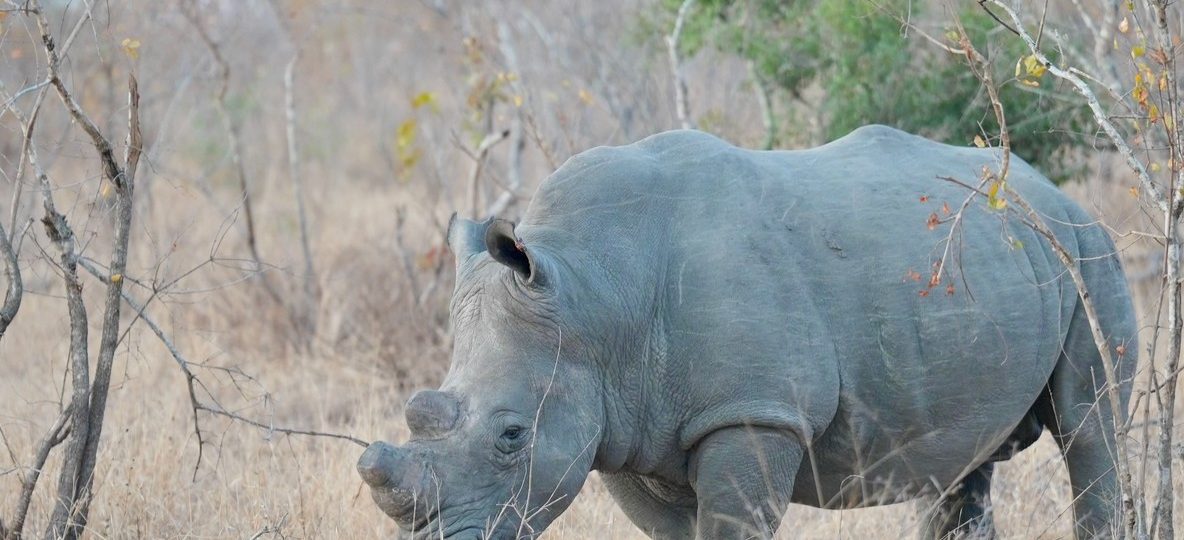
Rhino conservation in Kenya is no longer a story told only inside national parks. Today, the sharpest gains happen on private ranches and community-owned land, where landowners turned cattle country into some of the most closely guarded rhino sanctuaries on earth. Kenya’s black rhino population fell to under 400 animals by the late 1980s. Today it has climbed back above 1,000, and most of that recovery traces to conservancies built and run by private owners and local communities, not government parks alone. For travelers who book tours and safaris to see rhino up close, this shift also changed where the best sightings happen.
At Trunktrails Safaris, we route a growing share of our tours and safaris through these landowner-led conservancies, because that is where rhino numbers are actually growing. Here is how private and community ownership rebuilt Kenya’s rhino population, and where you can see the results for yourself.
Kenya’s Rhino Comeback, By the Numbers
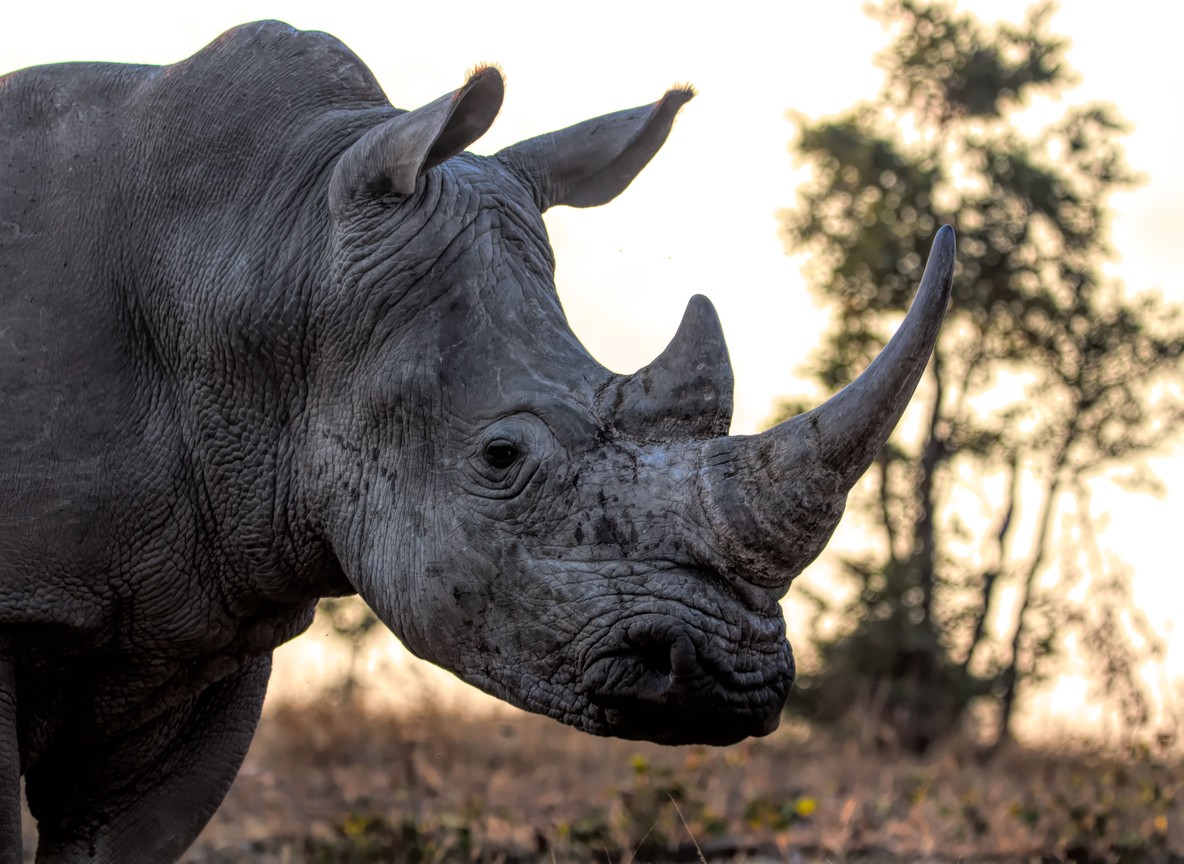
The scale of the recovery is easier to grasp with real figures. Kenya Wildlife Service census data puts the national black rhino population at roughly 1,004 animals as of 2023, up from a low point of around 380 in 1989. White rhino numbers sit near 1,081, including Najin and Fatu, the last two northern white rhinos left on the planet, guarded around the clock at Ol Pejeta Conservancy. Combined, Kenya now holds over 2,000 rhinos across both species, and more than 60 percent of that population lives on private or community land rather than inside gazetted national parks.
| Site | Ownership Model | Size | Rhino Role |
|---|---|---|---|
| Ol Pejeta Conservancy | Private, not-for-profit | 90,000 acres (about 364 km2) | Largest black rhino sanctuary in East Africa, 160+ black rhino |
| Lewa Wildlife Conservancy | Private, not-for-profit trust | 62,000 acres (about 250 km2) | UNESCO World Heritage Site, rhino sanctuary since 1983 |
| Borana Conservancy | Private ranch turned conservancy | 32,000 acres (about 130 km2) | Fence dropped with Lewa in 2013, joint rhino landscape |
| Solio Ranch | Private ranch | 17,500 acres (about 70 km2) | Rhino breeding sanctuary since 1970, among the highest densities worldwide |
| Il Ngwesi Conservancy | Community-owned (Maasai) | 16,000 acres (about 65 km2) | First community-run rhino sanctuary in Kenya, Sangare sanctuary since 1995 |
Indicative conservancy entry fees run roughly USD 90 to 100 per adult per day at Ol Pejeta and USD 100 to 135 per person per night at Lewa and Borana, often bundled into lodge rates. These figures move with season and lodge package, so always confirm current rates before booking.
Ol Pejeta Conservancy: Home to the Last Northern White Rhinos
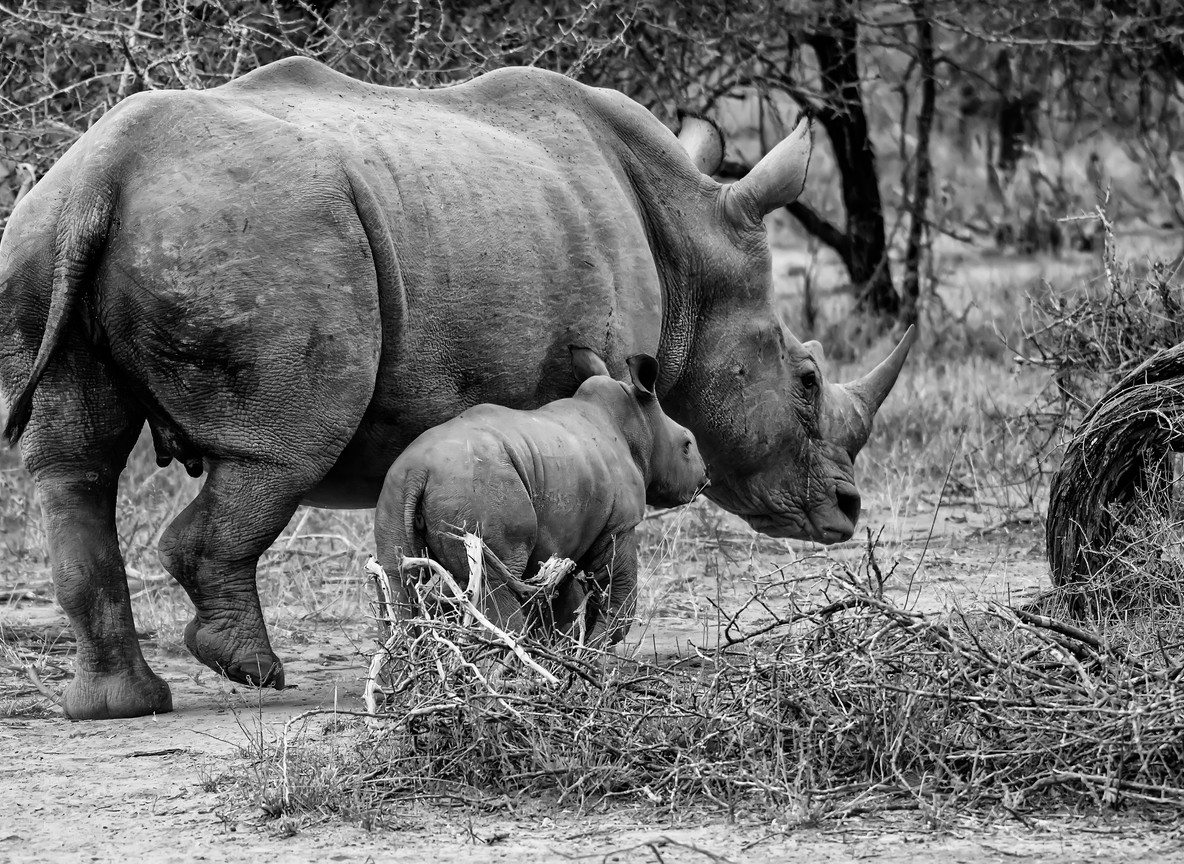
Ol Pejeta sits about 200 km north of Nairobi, roughly a 3.5 to 4 hour drive via Nanyuki, or a 25 minute flight into Nanyuki Airport. What was once cattle ranchland is now a 90,000 acre private conservancy that holds East Africa’s largest black rhino population and the world’s only two remaining northern white rhinos. Ol Pejeta funds anti-poaching operations, veterinary care and community programs entirely from tourism and livestock revenue, proving that a working ranch can double as a serious conservation operation. Guides here track individual rhinos by ear notches and horn shape, and rangers patrol in shifts around Najin and Fatu’s enclosure every hour of the day.
Lewa Wildlife Conservancy and Borana: A Fenceless Rhino Landscape
Lewa began in 1983 as the 5,000 acre Ngare Sergoi Rhino Sanctuary on a family ranch and grew into the 62,000 acre Lewa Wildlife Conservancy, a UNESCO World Heritage Site about 250 km from Nairobi (4 to 5 hours by road, or 45 minutes by air to the Lewa Downs airstrip). In 2013, Lewa and its neighbor Borana Conservancy tore down the fence between them, creating a combined 93,000 acre rhino landscape where animals move freely across two privately owned properties. Lewa alone is credited with holding a meaningful share of Kenya’s national black rhino population, and its security model, foot patrols, tracker dogs and radio-collared rhinos, has been copied by conservancies across the region.
Solio Ranch: Africa’s Rhino Breeding Powerhouse
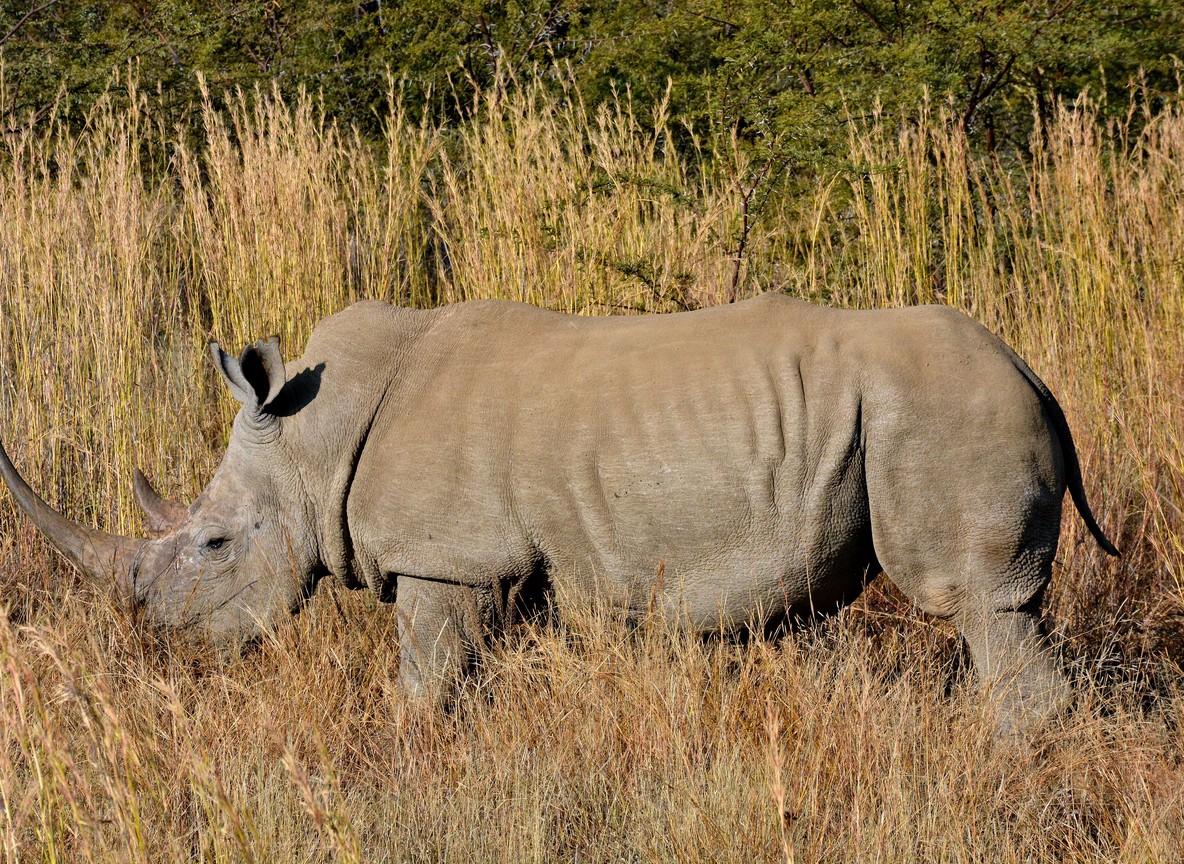
Solio Ranch, about 170 km from Nairobi and roughly a 3 hour drive via Nyeri, has operated as a private rhino sanctuary since 1970, making it one of the oldest dedicated rhino breeding grounds in Africa. Its 17,500 acres regularly produce some of the highest rhino sighting rates on the continent, and Solio has supplied founder rhino populations to other Kenyan conservancies, including early stock for Lewa and Ol Pejeta. It remains a working cattle and wildlife ranch, run privately with tourism revenue reinvested directly into security and land management.
Il Ngwesi and the Rise of Community-Owned Conservation
Not every rhino success story sits on private ranchland. Il Ngwesi Community Conservancy, about 300 km from Nairobi (5 to 6 hours by road, or roughly 45 minutes by air through Lewa Downs), is owned and managed entirely by the local Maasai community. Its Sangare rhino sanctuary, established in 1995, made Il Ngwesi the first community-run rhino sanctuary in Kenya. Conservancy fees and lodge income go directly to the community that owns the land, funding schools, water projects and ranger salaries. Il Ngwesi belongs to the Northern Rangelands Trust, an umbrella body linking 43 community conservancies across roughly 63,000 km2 of northern Kenya, proof that community conservancy Kenya models can rival private ones for rhino protection outcomes.
Private Conservancy vs Community Conservancy: How the Models Compare
| Factor | Private Conservancy (Ol Pejeta, Lewa, Solio) | Community Conservancy (Il Ngwesi, NRT network) |
|---|---|---|
| Land ownership | Held by a trust, family or company | Held collectively by the local community |
| Funding source | Tourism revenue, donor grants, livestock | Tourism revenue, NRT support, donor grants |
| Revenue destination | Reinvested into conservation and local jobs | Split between conservation and direct community payouts |
| Typical size | 17,000 to 90,000 acres | 15,000 to 20,000 acres per conservancy, larger as a network |
| Ranger recruitment | Professional rangers, often ex-military trained | Local community members trained as scouts and rangers |
| Rhino security model | Fencing, tracker dogs, 24-hour monitoring | Foot patrols, community intelligence networks |
Both models now feed into Kenya Wildlife Service’s national rhino strategy, and both prioritize keeping rhino numbers growing on the ground rather than only on paper.
Why Landowner-Led Conservation Works
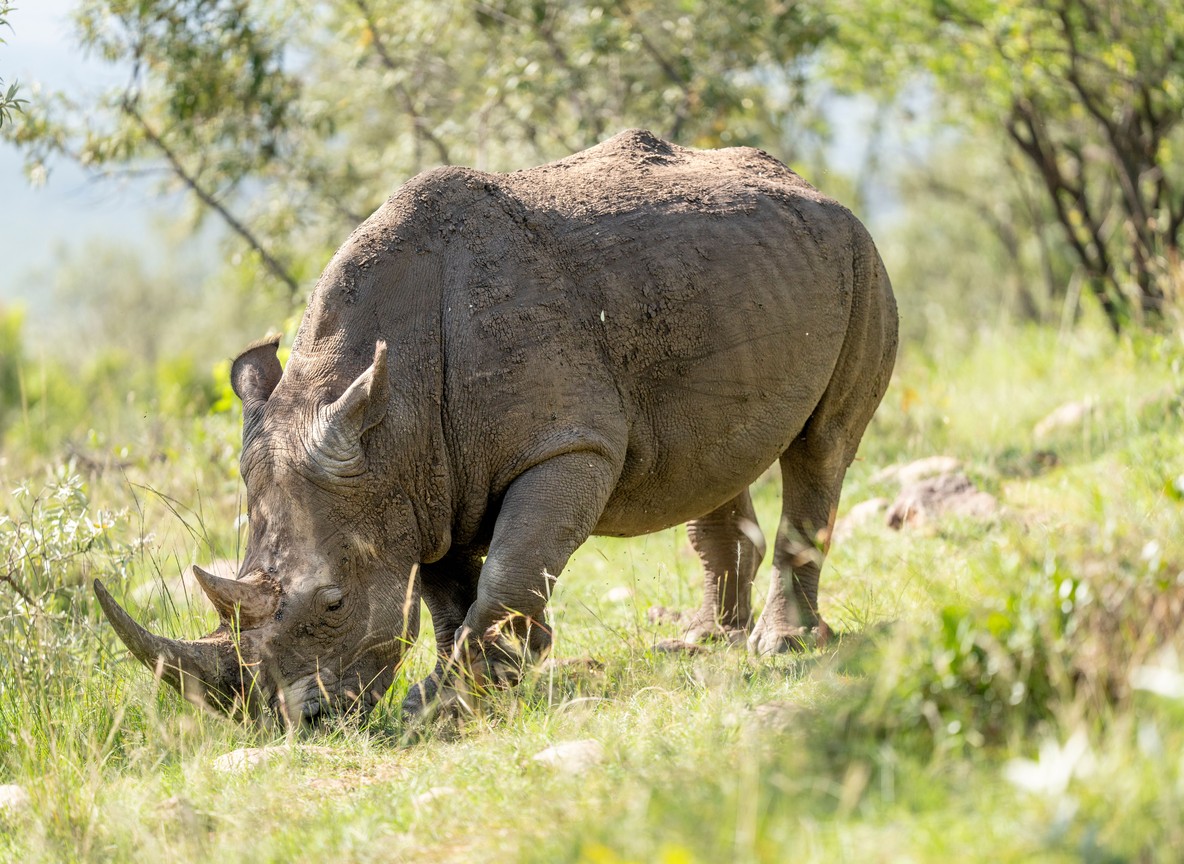
Private and community conservancies succeed where pure government protection has struggled, because the people managing the land also depend on it economically. A rancher or a community that earns steady income from tours and safaris has a direct stake in keeping rhinos alive and visible. That incentive shows up in the numbers: conservancy land in Laikipia and northern Kenya now holds the fastest-growing rhino populations in the country, while security costs are covered largely by visitor fees rather than the national budget. It is a practical model, built on land tenure and shared income, that has quietly become the backbone of rhino conservation in Kenya.
The Trunktrails Advantage
Trunktrails Safaris is a Kenyan-owned operator, and we build our rhino-focused tours and safaris around the conservancies doing the real conservation work. Our guides know the difference between Ol Pejeta’s fenced sanctuary zones and Lewa and Borana’s open rhino landscape, and we brief every guest on which conservancy fees go straight back into ranger salaries and community projects. When you book rhino tours and safaris with Trunktrails Safaris, part of your conservancy fee supports the same rangers, trackers and community scouts featured in this guide. We keep our vehicle groups small, our guides trained on rhino behavior and tracking signs, and our itineraries flexible enough to add Solio or Il Ngwesi alongside the bigger-name conservancies.
Plan Your Rhino Conservation Safari
Further reading
More safari planning resources
- Ol Pejeta and Sweetwaters safari package from Valley Safaris
- Is Kenya safe to visit? on Touring Insights
- Big Five safari collection on FindMySafari
- Kenya tour packages from Valley Safaris
Kenya’s rhino recovery is not finished, and every visit to Ol Pejeta, Lewa, Borana, Solio or Il Ngwesi puts real money behind the rangers and communities keeping that recovery going. If you want to see northern white rhinos, black rhino calves, or a community-run sanctuary firsthand, Trunktrails Safaris can build a rhino-focused itinerary around your dates and budget. Message us on WhatsApp at +254 113 208888, email info@trunktrailssafaris.com, or visit trunktrailssafaris.com to start planning your rhino conservation safari with Trunktrails Safaris today. 🐘✨