Best Camera Lens for a Kenya Safari: A Buyer’s Guide 📸
Picking the best camera lens for safari matters more than picking the camera body itself. A cheap camera with the right telephoto glass will out-shoot an expensive camera with the wrong lens. That gap shows up fast when you are 80 meters from a resting leopard. Kenya’s parks put real distance between you and most wildlife. Vehicles must stay on track and keep a respectful gap from predators. Reach and speed decide whether your photos look like a magazine cover or a distant smudge. This guide breaks down real focal lengths, real weights and indicative prices. Use it to pack the right glass for tours and safaris across the Masai Mara, Amboseli and Samburu.
Quick Facts: Where You Will Actually Use the Lens
| Park or Reserve | Distance from Nairobi | Drive Time | Park Fee (non-resident, indicative) | Park Size |
|---|---|---|---|---|
| Masai Mara National Reserve | 270 km via Sekenani Gate | 5-6 hrs | Indicative range $80-$100/day | 1,510 km² |
| Amboseli National Park | 240 km via Meshanani Gate | 4-5 hrs | Indicative range $60-$75/day | 392 km² |
| Samburu National Reserve | 325 km via Archer’s Post Gate | 5-6 hrs | Indicative range $65-$80/day | 165 km² |
| Nairobi National Park | 10 km from Nairobi CBD via Langata Gate | 20-30 mins | Indicative range $40-$52/day | 117 km² |
These figures are indicative ranges only. Park fees change without notice, so confirm current rates with your operator before you travel.
Why Reach Matters More Than Megapixels
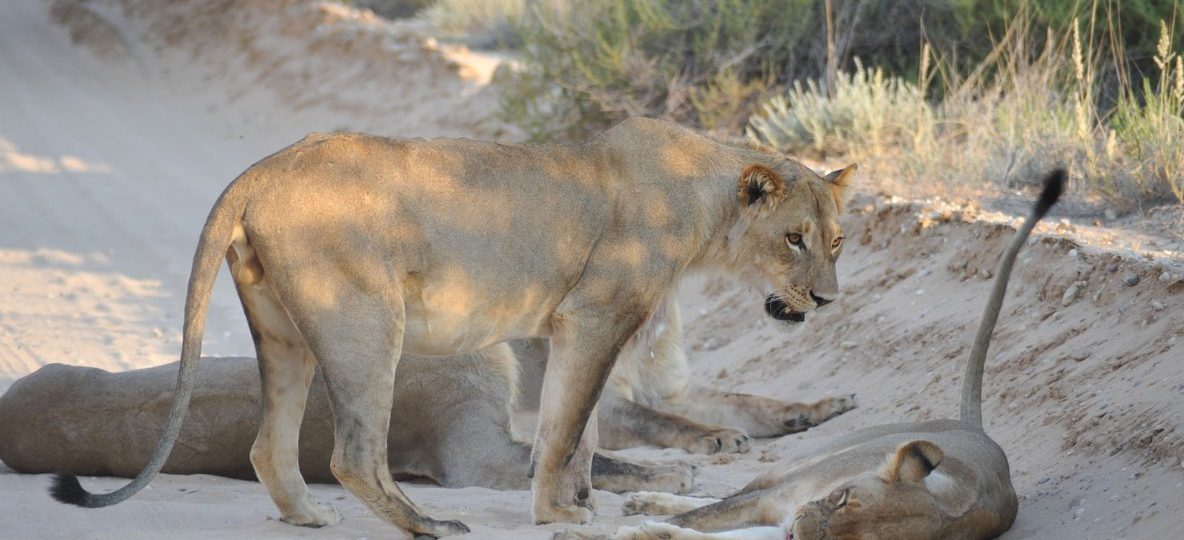
Most first-time safari photographers over-invest in camera bodies and under-invest in glass. On a typical Masai Mara game drive, vehicles hold position 20 to 60 meters from a pride of lions or a cheetah on a termite mound. Rangers enforce that distance for the animal’s safety and yours. A kit lens that tops out at 200mm leaves you cropping a tiny animal out of a huge frame. Reaching 400mm or beyond fills the frame properly without disturbing the sighting. Sharpness and autofocus speed matter too. A lion can go from resting to sprinting in under two seconds. None of that speed helps if your focal length cannot reach the subject in the first place.
Focal Length by Park: What You Actually Need
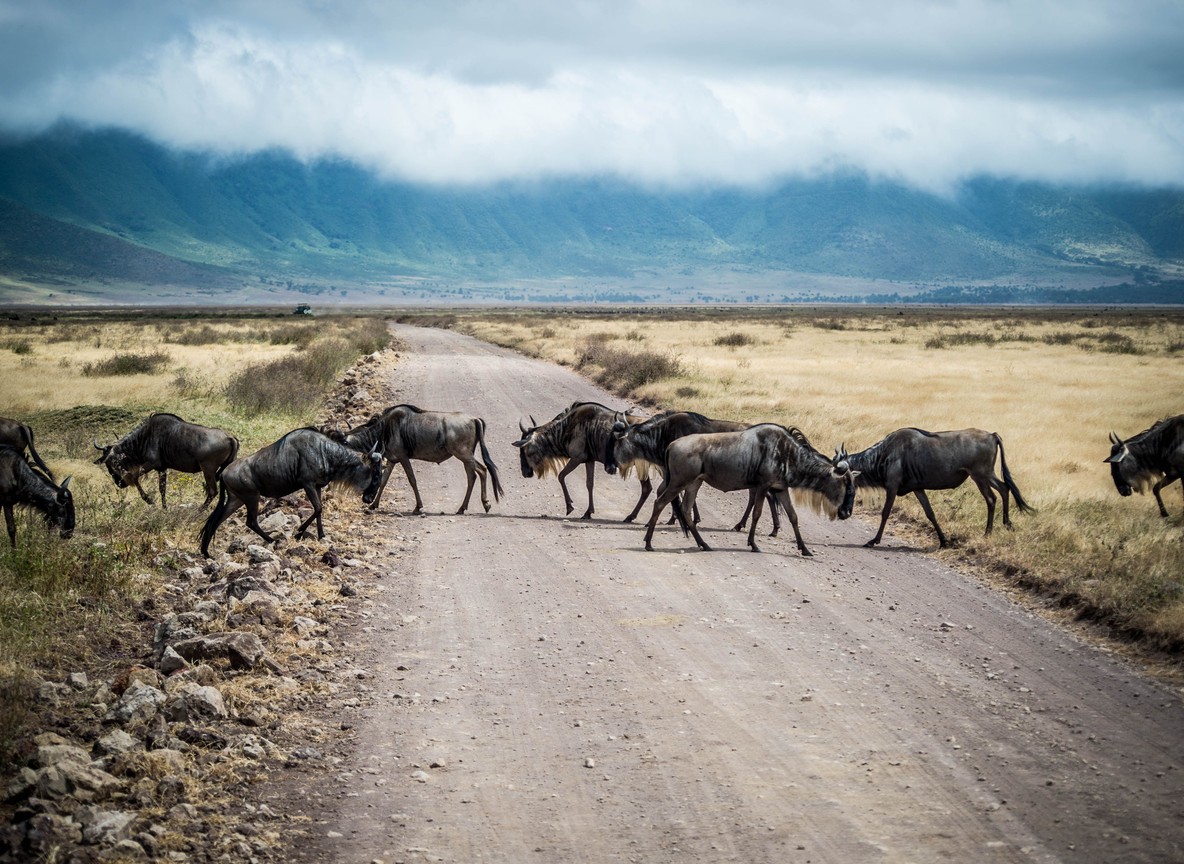
The Masai Mara rewards long reach. Predator sightings often happen across open plains where vehicles cannot always drive close, so 400mm to 600mm is the sweet spot for lions, cheetahs and the Mara River crossings between July and October. Amboseli is more forgiving. Elephant herds regularly move within 30 to 50 meters of the track, so a 100-400mm range captures both tight portraits and wider herd shots with Mount Kilimanjaro in the background. Samburu’s dry riverbed terrain concentrates the “Samburu Special Five” (Grevy’s zebra, reticulated giraffe, Somali ostrich, gerenuk and beisa oryx) along the Ewaso Ng’iro River. A mid-range 200-500mm zoom covers most sightings there without a second lens change. If your itinerary covers more than one park, a single flexible zoom beats carrying three fixed primes.
Comparison: Best Camera Lenses for a Kenya Safari
| Lens | Focal Range | Weight | Indicative Price (new) | Best For |
|---|---|---|---|---|
| Sigma 150-600mm Contemporary | 150-600mm | 2.1 kg | Indicative range $900-$1,100 | Budget-conscious buyers who still want real reach |
| Tamron 150-500mm | 150-500mm | 1.7 kg | Indicative range $1,300-$1,500 | Handheld shooting without a bean bag or monopod |
| Sony FE 200-600mm | 200-600mm | 2.1 kg | Indicative range $2,000-$2,100 | Mara predator action and distant birds |
| Canon RF 100-500mm L | 100-500mm | 1.4 kg | Indicative range $2,600-$2,900 | Fast autofocus for cheetah chases and flight shots |
| Nikon Z 100-400mm | 100-400mm | 1.4 kg | Indicative range $2,600-$2,900 | Amboseli and Samburu, lighter carry for long drives |
| Kit zoom, 55-250mm or 70-300mm | 55-300mm | 0.7-1 kg | Indicative range $150-$600 | First-time safari-goers on a tight budget |
Indicative prices only. Prices vary by retailer, region and whether the lens is bought new, used or rented.
Prime vs Zoom: Which Wins on a Safari Vehicle
A fixed prime lens, such as a 400mm or 600mm, delivers slightly sharper images and a wider maximum aperture. That extra speed helps most during low-light dawn and dusk game drives, when predator activity peaks. The tradeoff is weight and inflexibility. A 600mm prime can weigh over 3 kg and locks you into one framing. That is a problem when an elephant walks from 40 meters to 8 meters in under a minute. A zoom lens in the 150-600mm or 100-500mm range trades a small amount of sharpness and low-light speed for the ability to reframe instantly as the scene changes. That flexibility matters far more in the unpredictable pace of tours and safaris than lab-test sharpness charts ever will.
Renting vs Buying Camera Gear in Nairobi
Buying a professional telephoto lens for a single trip rarely makes financial sense. This is especially true for travelers who will not shoot wildlife again for years. Nairobi has a small but functional camera rental market near the CBD and Westlands. A Sigma or Tamron 150-600mm typically rents for an indicative $30-$60 per day, compared to the $900 or more it costs to buy outright. Renting also means you skip checked-baggage weight limits on regional flights. Most light-aircraft transfers between Nairobi, the Mara and Samburu cap passenger baggage at 15 kg including camera gear. If you are flying into a Mara airstrip such as Ol Kiombo or Keekorok rather than driving in, confirm your operator’s baggage allowance before you pack a heavy lens.
Protecting Your Lens on Kenya’s Roads
Kenya’s park roads range from graded murram to genuinely rough dirt track. Dust and vibration are the two biggest threats to camera gear on any safari. A bean bag draped over the vehicle window frame is still the single best stabilizer for a heavy lens, beating a tripod in a moving or idling vehicle almost every time. Add a rain cover or dry bag to protect the lens from dust during the Mara’s dry-season game drives and from sudden downpours in the November short rains. Pack silica gel packets in your camera bag to control humidity. Coastal extensions to Diani or Mombasa after a Tsavo safari introduce moisture that inland gear is not built for.
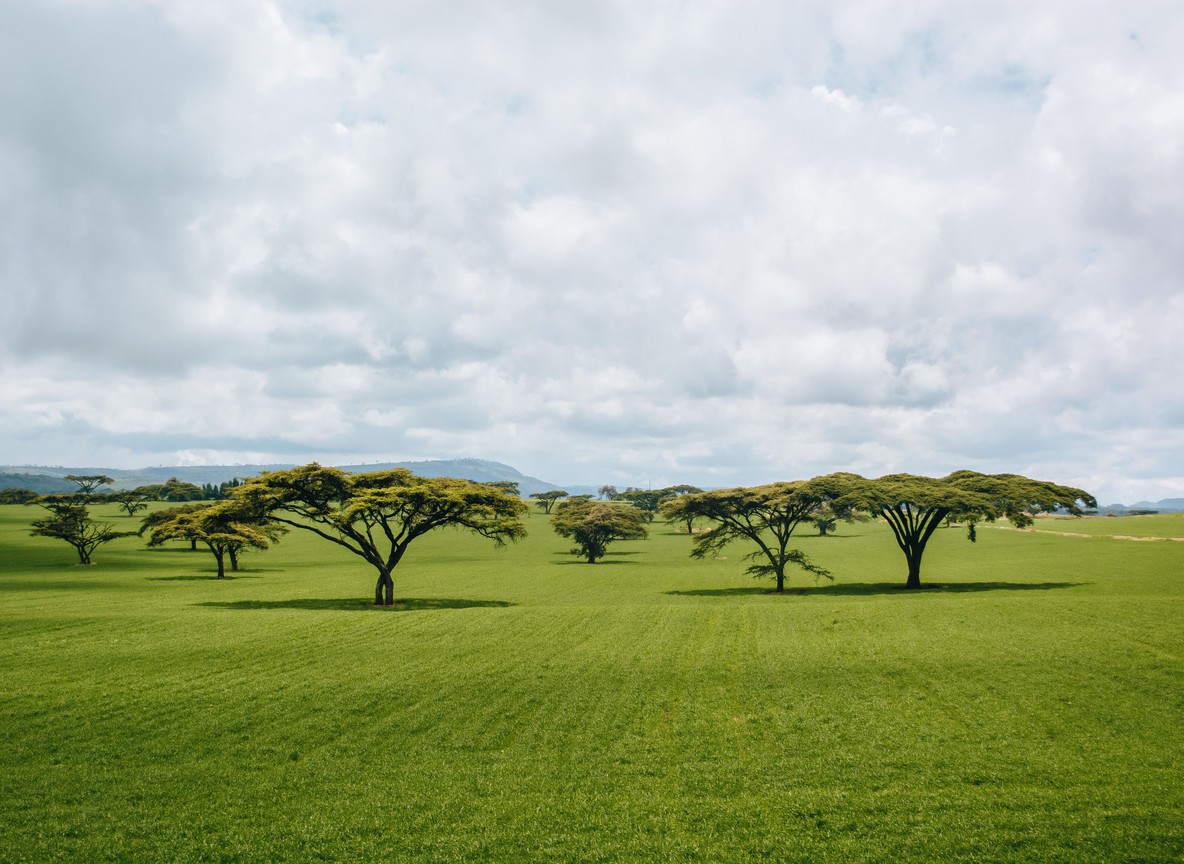
When to Shoot: Light, Timing and the Migration Window
The first and last hour of daylight, roughly 6:30 to 7:30 AM and 5:30 to 6:30 PM in Kenya, gives the softest light and the most active wildlife. That is why most camps schedule game drives around those windows rather than midday. The Mara River crossings during the wildebeest migration, typically late July through October, draw the heaviest photography traffic of the year. A fast-focusing zoom in the 400-600mm range is essential for freezing a leaping wildebeest mid-crossing. Outside migration season, Amboseli’s dawn light against Kilimanjaro and Samburu’s golden late-afternoon riverbed scenes offer calmer, less crowded photography with the same lens kit.
Frequently Asked Questions
Do I need a full-frame camera to use these lenses well? No. Crop-sensor cameras actually extend your effective reach. A 150-600mm lens on a crop body behaves closer to 225-900mm, which is a real advantage for distant Mara sightings.
Is a 300mm lens enough for a Kenya safari? It can work in Amboseli where elephants approach closely, but it will limit you in the Masai Mara, where predators are often much farther from the track. A 400mm minimum is a safer baseline for a first safari.
Should I bring two lenses or just one? One flexible zoom in the 150-600mm or 100-500mm range covers most situations. A second wide-angle lens is worth adding only if you also want landscape and camp photography, not for wildlife itself.
The Trunktrails Advantage
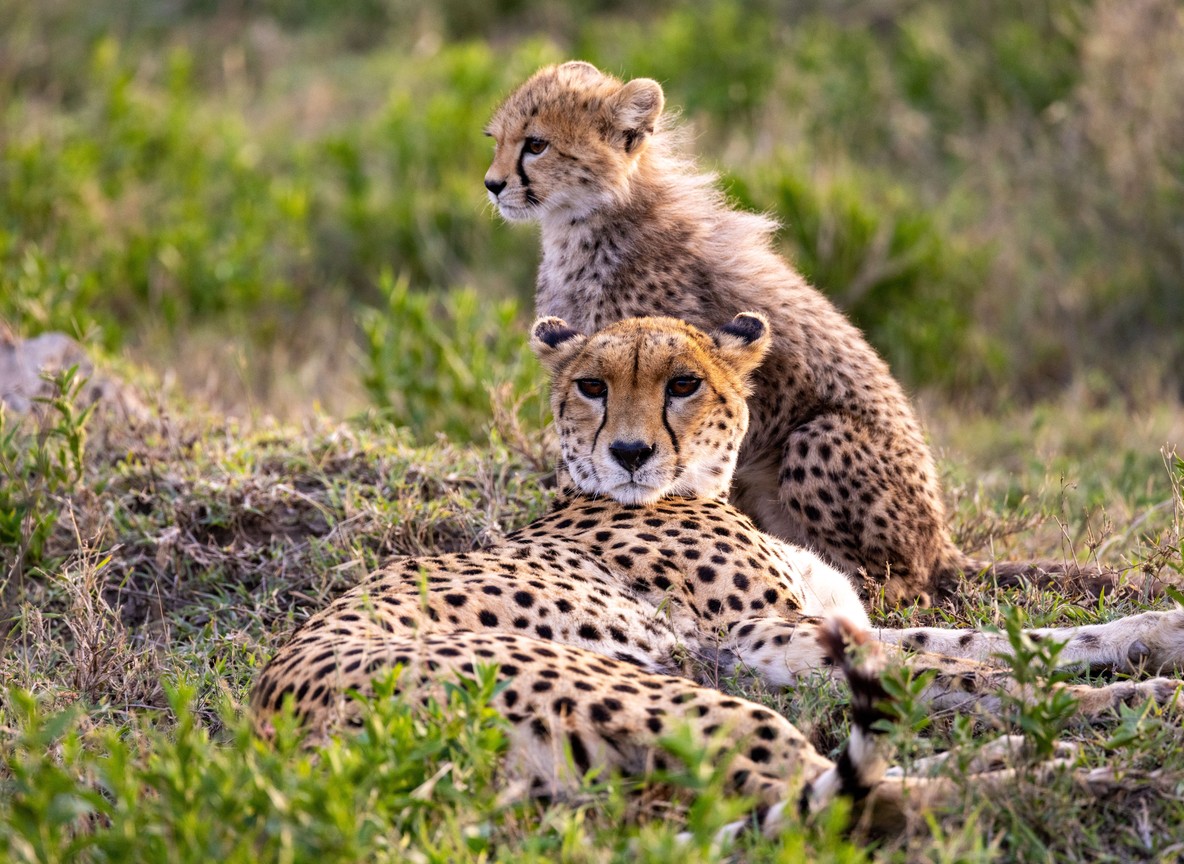
Trunktrails Safaris plans every game drive route with photography in mind, positioning vehicles for light and angle rather than just ticking off sightings. Our guides know exactly where the Mara’s cheetahs favor termite mounds at sunrise. They know where Amboseli’s elephant herds cross for the cleanest Kilimanjaro backdrop, and where Samburu’s Special Five gather along the Ewaso Ng’iro River in late afternoon light. As a Kenyan-owned operator, Trunktrails Safaris works directly with trusted Nairobi camera rental partners. Clients who do not want to fly with a heavy lens can arrange rental gear before their first game drive. When you book tours and safaris with Trunktrails Safaris, your guide already knows how to read a scene for a photographer, not just a spectator.
Ready to Pack the Right Lens for Your Safari?
The best camera lens for safari is the one that matches your parks, your budget and your patience for carrying weight through a long game drive day. Trunktrails Safaris can build your itinerary around the sightings and light that matter most to your photography goals, whether that means chasing the Mara River crossing or a quieter week in Samburu. 🦁
Further reading
More safari planning resources
- Map of Samburu from Valley Safaris
- Samburu National Reserve guide on Touring Insights
- Samburu destination guide on FindMySafari
- Map of Amboseli from Valley Safaris
Message us on WhatsApp at +254 113 208888 or email info@trunktrailssafaris.com to talk through your gear list and route before you book. Visit trunktrailssafaris.com to see current departure dates and start planning your Kenya safari with the right glass in your bag.