Ol Pejeta Wildlife Conservancy: Home to the World’s Last Northern White Rhinos
If you want to come face to face with the last two northern white rhinos on the planet, there is only one address that will get you there. Ol Pejeta Wildlife Conservancy sits on the equator in Laikipia County, and it is the single most important piece of ground in the fight to save this subspecies from disappearing forever. Trunktrails Safaris builds trips here because Ol Pejeta pairs rare, headline conservation with the kind of dense, reliable game viewing that Kenya’s tours and safaris are known for around the world.
This guide covers exactly where the conservancy sits, how far it is from Nairobi, what it costs to get in, who you will meet inside its fences, and where to sleep. Every number below is a real, checkable figure, not a rounded guess, so you can plan with confidence before you call Trunktrails Safaris to lock in dates.
Where Is Ol Pejeta Wildlife Conservancy?
Ol Pejeta Wildlife Conservancy sits in Laikipia County, in the shadow of Mount Kenya and a short hop north of the Aberdare range. It is not-for-profit land, run as a working wildlife conservancy that also funds itself through cattle ranching and tourism. The Ewaso Nyiro River forms part of its northern boundary, which is why elephants, buffalo, and predators move through so freely.
Unlike a national park, Ol Pejeta is privately protected, which means it can run tighter security around its rhinos and offer activities you will not find in Kenya’s public parks, including guided walks and night drives.
Meet Najin and Fatu: The Last Northern White Rhinos on Earth
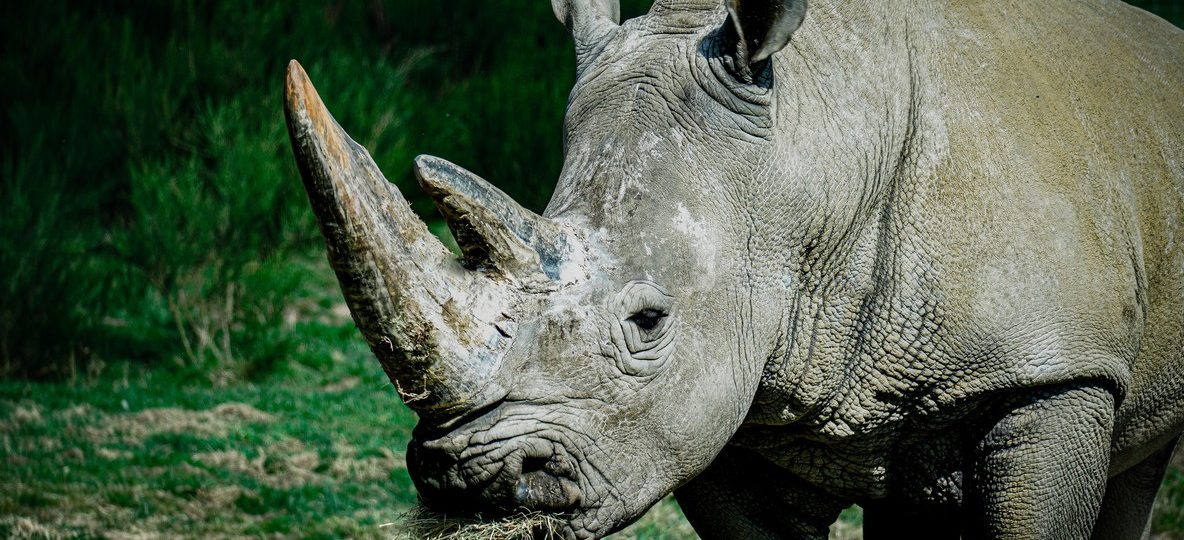
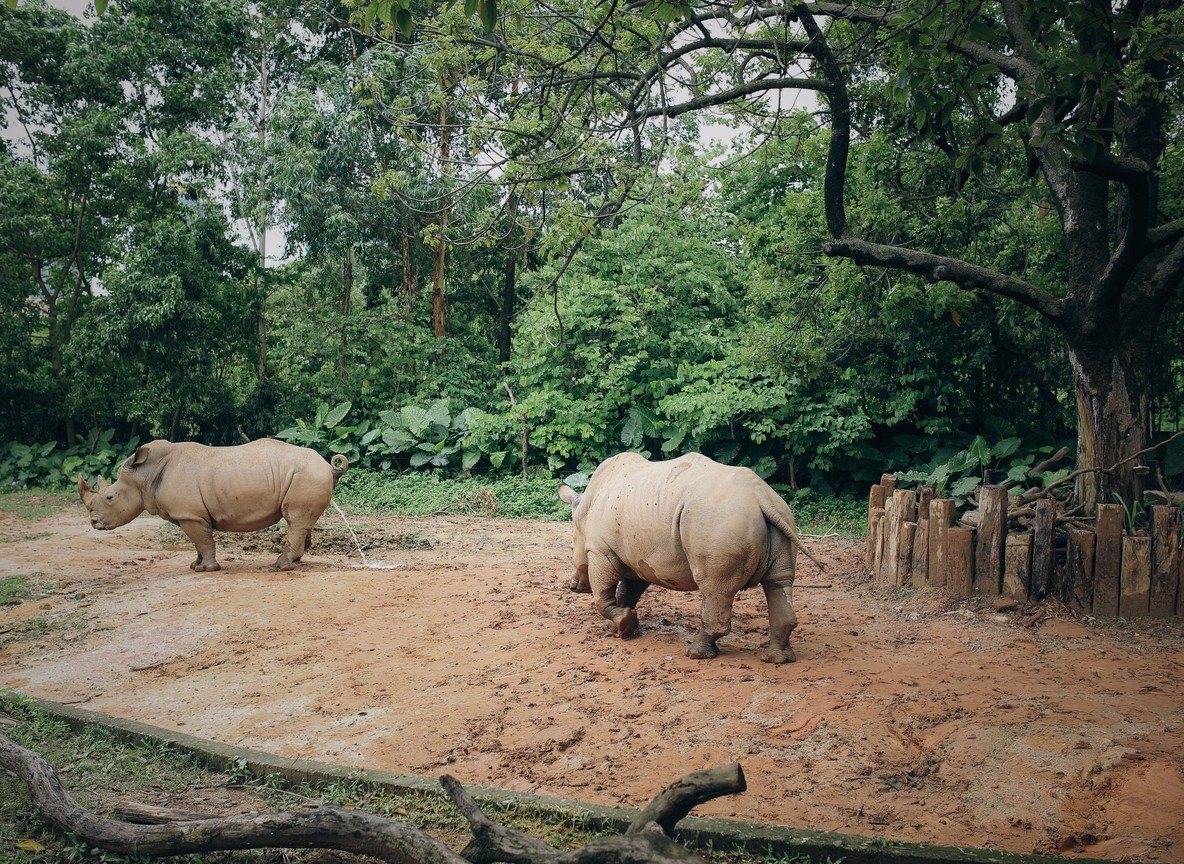
Najin and Fatu are mother and daughter, and they are the only two northern white rhinos left alive anywhere. Their male companion, Sudan, lived out his final years at Ol Pejeta under 24-hour armed guard before he died in March 2018, taking the subspecies’ last natural breeding hope with him. Today scientists work with Ol Pejeta and international partners on advanced reproductive science, using stored genetic material to try to keep the line from ending completely.
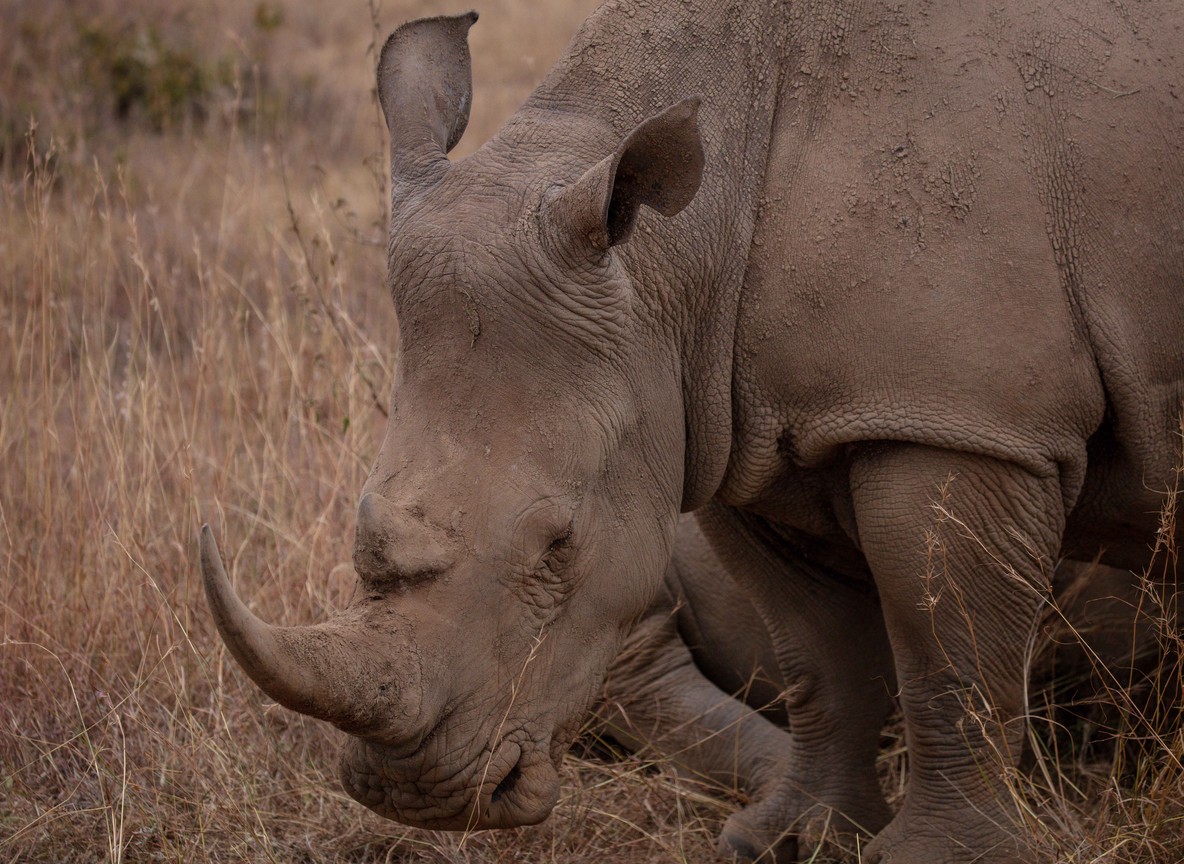
Visiting Najin and Fatu is one of the few wildlife experiences left where guests witness a living piece of conservation history, guarded around the clock by rangers who know both rhinos individually. Ol Pejeta also runs the largest black rhino sanctuary in East Africa, so the northern white rhino story sits inside a much bigger population of southern black and southern white rhinos thriving under the same protection.
Guides generally allow guests to view Najin and Fatu from a safe, ranger-controlled distance rather than up close, since both animals remain under strict protection. Trunktrails Safaris briefs every guest on the current viewing protocol before the visit, since rules can shift depending on the rhinos’ health and the research team’s schedule that day.
How Big Is Ol Pejeta Wildlife Conservancy?
Ol Pejeta covers 364 square kilometers, roughly 90,000 acres, of savanna, riverine forest, and open plains between Nanyuki and Nyeri. The table below lays out the core facts travelers ask for before booking.
| Fact | Detail |
|---|---|
| Size | 364 km² (about 90,000 acres) |
| County | Laikipia |
| Founded as wildlife conservancy | 1988 (ranch), converted to conservancy status through the 1990s |
| Northern boundary | Ewaso Nyiro River |
| Nearest town | Nanyuki (about 25 km) |
| Main gate | Rongai Gate |
| Chimpanzee sanctuary | Sweetwaters Chimpanzee Sanctuary, opened 1993 |
| Entry fee (non-resident, indicative) | USD 90 to 100 per adult per 24 hours; USD 45 to 50 per child (confirm current rate with Trunktrails Safaris before travel) |
Because these are working conservancy fees that change with conservation levy adjustments, always treat the figures above as an indicative range and confirm the live rate when you book your tours and safaris with Trunktrails Safaris.
Getting to Ol Pejeta Wildlife Conservancy From Nairobi
Nairobi to Ol Pejeta Conservancy covers roughly 200 kilometers, and most guests choose one of two routes.
| Route | Distance / Duration | Notes |
|---|---|---|
| Road via Nyeri and Nanyuki | About 200 km, 3.5 to 4 hours drive | Tarmac most of the way, scenic Mount Kenya views |
| Flight, Nairobi Wilson Airport to Nanyuki | About 45 minutes air time | Followed by a 45-60 minute road transfer to camp |
| Combined with Aberdare National Park | About 85 km, under 2 hours | Popular pairing for a Laikipia-Aberdare loop |
Most Trunktrails Safaris itineraries route guests by road from Nairobi, stopping to view Mount Kenya, then continue into the conservancy through Rongai Gate in time for an afternoon game drive.
What Else Lives at Ol Pejeta?
Ol Pejeta is a Big Five destination in its own right. Lion, leopard, elephant, buffalo, and both black and white rhino all move across the same open plains, which makes it one of the most complete single-conservancy game viewing experiences in Kenya. The conservancy also protects Grevy’s zebra, a species with a global population found mostly in northern Kenya, along with reticulated giraffe, cheetah, and African wild dog.
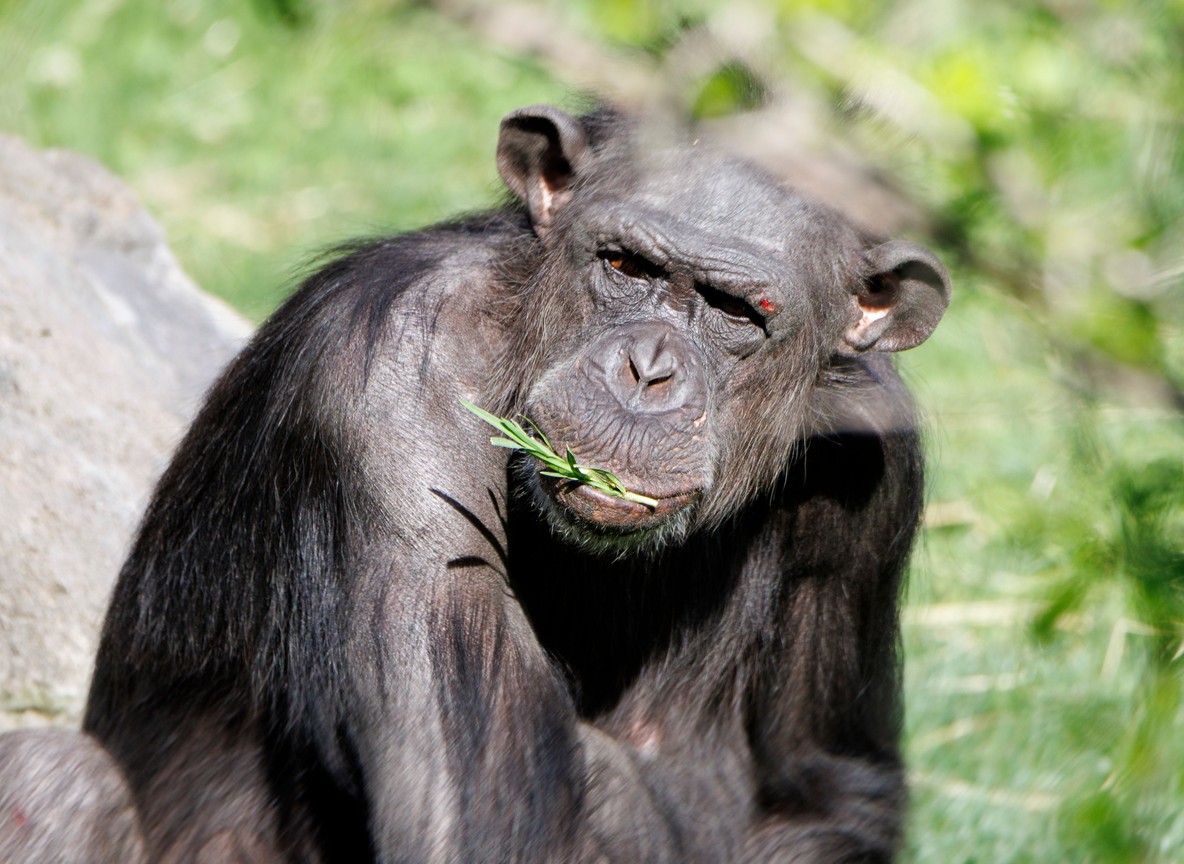
The Sweetwaters Chimpanzee Sanctuary, run in partnership with the Jane Goodall Institute, gives Ol Pejeta a species you will not see on a normal Kenyan game drive. It shelters chimpanzees rescued from conflict zones and the illegal pet trade, and it remains one of only two chimpanzee sanctuaries in Kenya.
What to Do Inside the Conservancy
Ol Pejeta offers activities that most Kenyan national parks simply cannot, because it operates as a private conservancy rather than a government-run park. Rhino tracking on foot, alongside armed rangers and a rhino monitor, puts guests within safe walking distance of black rhino in thick bush. Night game drives run after the parks close their gates, giving a real chance at spotting African wild dog, aardvark, or a hunting leopard.
A visit to the Sweetwaters Chimpanzee Sanctuary usually takes about an hour and includes a talk from the keepers about each chimpanzee’s rescue story. Guests who want a slower pace can add a guided bush walk, a visit to the Endangered Species Enclosure to see both black and white rhino up close, or a stop at the Ol Pejeta bee fence, part of a conservation project that uses beehives to keep elephants away from community farmland.
Best Time to Visit Ol Pejeta Wildlife Conservancy
Ol Pejeta rewards visitors year-round because rhinos, unlike migratory herds, stay resident within the conservancy. The dry months from June to October and January to February give the clearest game viewing, with thinner vegetation and animals gathering near permanent water. Daytime temperatures during the dry season sit around 24 to 27 degrees Celsius, with cool mornings on account of the conservancy’s elevation near 1,800 meters above sea level.
The rainy season from March to May, and the shorter rains in November, bring green scenery and fewer visitors, which some guests prefer for photography and a quieter camp experience. Roads can turn muddy after heavy rain, so Trunktrails Safaris builds in extra transfer time for wet-season itineraries.
Where to Stay: Ol Pejeta Camps and Lodges
Accommodation inside and around Ol Pejeta spans budget-tented camps to high-end lodges, so it suits several traveler types at once.
| Camp / Lodge | Style | Best For |
|---|---|---|
| Sweetwaters Serena Camp | Mid-range tented camp beside a waterhole | Families and first-time safari guests |
| Kicheche Laikipia Camp | Small luxury tented camp, six tents | Photography-focused travelers and couples |
| Porini Rhino Camp | Eco-camp, seasonal, low-impact | Conservation-minded solo and small-group travelers |
| Ol Pejeta Bush Camp | Owner-run tented camp | Budget-conscious travelers wanting a guided feel |
| The Sanctuary at Ol Pejeta | Exclusive-use luxury villa | Honeymooners and private groups |
Trunktrails Safaris matches camp choice to travel style, since a family with teenagers has very different needs from a couple booking a honeymoon week.
The Trunktrails Advantage
Trunktrails Safaris is a Kenyan-owned tour operator, licensed under TRA Licence No. TRA1/22/C01/92750, and our guides know Ol Pejeta’s rangers, rhino monitors, and camp managers personally. That relationship means our guests get the rhino tracking slots, chimpanzee sanctuary tours, and night drive permits that get booked out fast in peak season.
We build every Ol Pejeta itinerary around real logistics: verified drive times, current conservancy fees, and camps we have personally vetted, not recycled marketing copy. When you travel with Trunktrails Safaris, you are supporting a Kenyan-owned operator that reinvests in the same conservancy landscapes our tours and safaris depend on.
Ready to See the Last Northern White Rhinos?
Najin and Fatu will not be at Ol Pejeta forever, and neither will this exact window in conservation history. If you want to stand beside them, walk with armed rangers on foot safari, and see the largest black rhino sanctuary in East Africa in one trip, talk to Trunktrails Safaris now.
Further reading
More safari planning resources
- Kenya national parks map from SafariPure
- Ol Pejeta and Sweetwaters safari package from Valley Safaris
- Big Five safari parks guide on Touring Insights
- Big Five safari collection on FindMySafari
Message us on WhatsApp at +254 113 208888, email info@trunktrailssafaris.com, or visit trunktrailssafaris.com to build your Ol Pejeta itinerary this week. Spaces at rhino tracking and Sweetwaters Chimpanzee Sanctuary tours are limited daily, so early booking secures your slot. 🦏🌍