Masai Mara Conservancy vs Reserve: What’s the Real Difference?
Every traveller planning a Kenya safari eventually hits the same question: should you stay inside the Masai Mara National Reserve, or in one of the private conservancies on its border? Both put you in the same ecosystem, on the same open grassland, with the same lions and wildebeest. But the rules that govern your game drives, the number of vehicles you share a sighting with, and the price you pay are genuinely different. 🦁
At Trunktrails Safaris, this is one of the most common planning questions we get. Guests assume “Masai Mara” means one park with one set of rules, and it does not. This guide breaks down the real difference, with real numbers, so you can pick the option that matches your safari before you book your tours and safaris with us.
Neither option is wrong. They are simply built for different priorities, and Trunktrails Safaris designs both types of tours and safaris. Once you understand what separates them, the decision gets a lot easier.
What Is the Masai Mara National Reserve?
The Masai Mara National Reserve covers approximately 1,510 square kilometres in southwestern Kenya, bordering Tanzania’s Serengeti. It is split into two management zones: the Mara Triangle (roughly 510 sq km, managed by the nonprofit Mara Conservancy) in the west, and the main reserve (managed by Narok County Government) covering the rest.
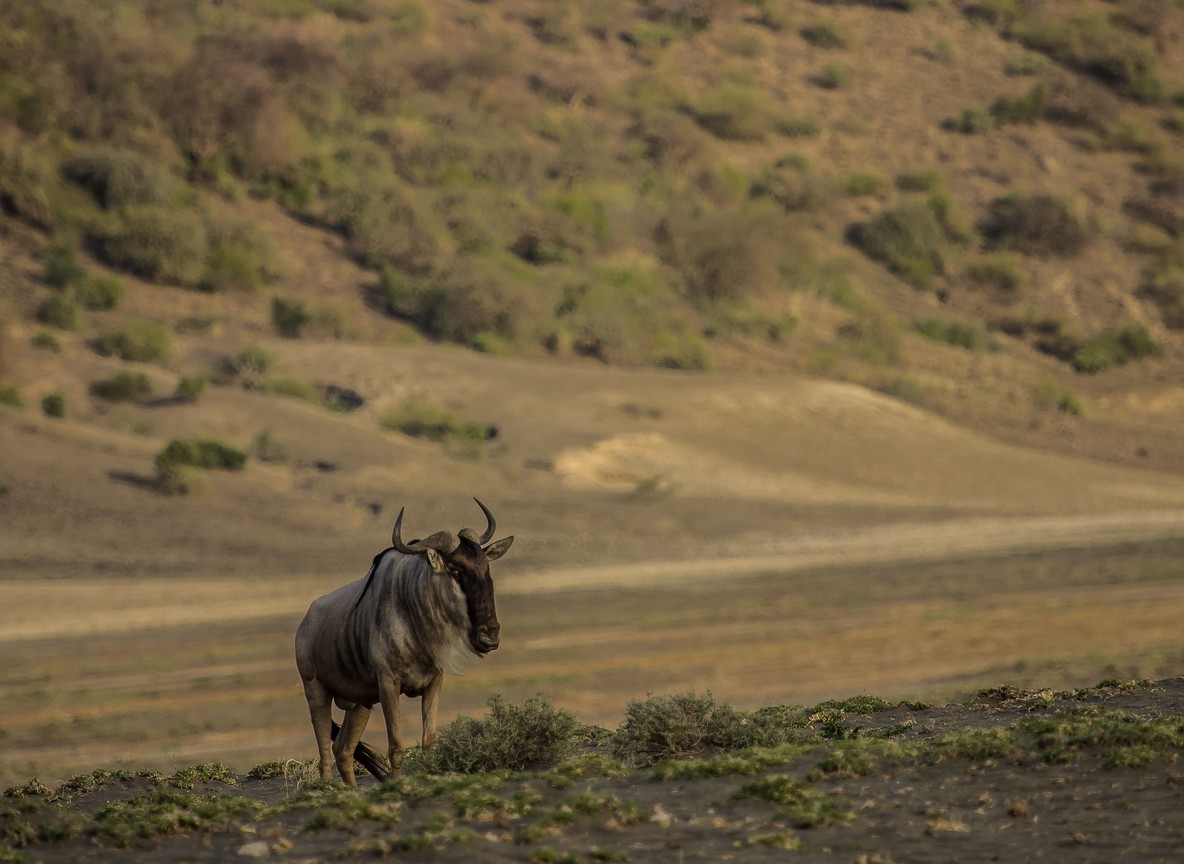
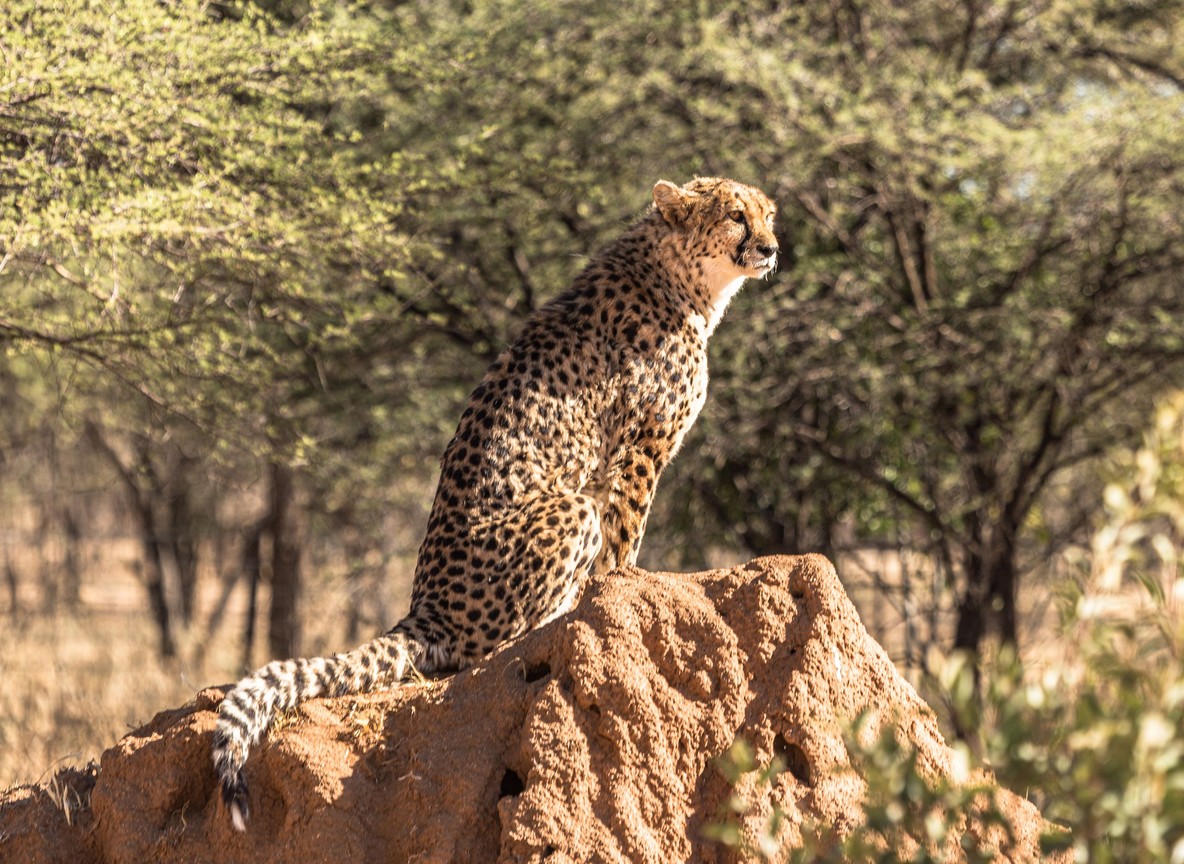
This is the Mara that shows up in every wildlife documentary. The Mara River cuts through it, and between July and October it is the stage for the Great Migration’s river crossings, where wildebeest and zebra funnel through crocodile-filled water at points like Lookout Hill and near Purungat Bridge. Big cat density here is exceptional, with prides around Musiara Marsh and the Talek River filmed for decades.
Access is through public gates including Sekenani Gate, Talek Gate, Oloolaimutia Gate, Sand River Gate, and Musiara Gate. Because entry is open to any licensed tour vehicle, the reserve draws the highest visitor volume of any single wildlife area in Kenya. During peak migration months, a good sighting can attract fifteen to twenty vehicles at once.
What Is a Masai Mara Private Conservancy?
A private conservancy is land bordering the reserve that is leased directly from Maasai landowners by camp operators, then managed under strict, low-density rules. There are roughly 14 registered conservancies around the Mara, together covering an estimated 350,000 acres (about 1,416 sq km), which is nearly as much land as the reserve itself.
The best known include Mara Naboisho Conservancy, Olare Motorogi Conservancy, Mara North Conservancy, Ol Kinyei Conservancy, and Lemek Conservancy. Each is run by a trust of Maasai landowners and a small number of partner camps, which caps the number of beds and vehicles allowed on the land.
Access is restricted to guests staying at partner camps, so conservancies feel far less crowded than the reserve, even during the migration. Wildlife density stays just as high, since animals move freely across the unfenced border between conservancy and reserve land. ✨
Masai Mara Conservancy vs Reserve: The Facts Block
| Factor | Masai Mara National Reserve | Private Conservancy (average) |
|---|---|---|
| Total area | ~1,510 sq km (Mara Triangle ~510 sq km + main reserve) | ~1,416 sq km combined across ~14 conservancies |
| Management | Narok County Government / Mara Conservancy (Triangle) | Landowner trust + partner camp operators |
| Access | Open to any licensed vehicle via public gates | Restricted to guests of partner camps only |
| Entry/conservation fee (non-resident, indicative) | ~$80-$100 per adult/day | ~$70-$100 per adult/night, often bundled into camp rate |
| Max vehicles per sighting | Not strictly enforced; can reach 15-20+ in peak season | Typically capped at 5 vehicles |
| Off-road driving | Not permitted | Permitted, guide-led |
| Night game drives | Not permitted | Permitted at most conservancies |
| Walking safaris | Not permitted | Permitted at select conservancies (e.g. Ol Kinyei) |
| Bush dinners / sundowners | Restricted | Widely offered |
| Distance from Nairobi (road) | ~270 km / 5-6 hrs to Sekenani Gate | ~270-290 km / 5-6.5 hrs, gate depends on conservancy |
| Flight from Wilson Airport | ~45 min to Keekorok, Musiara, or Ol Kiombo airstrip | ~45-50 min to conservancy-specific airstrips |
| Budget camp (per person/night, indicative) | From $150 | From $250 (conservancy fee usually included) |
| Mid-to-upper lodge (per person/night, indicative) | $300-$600 | $450-$900+ |
Fees and rates are indicative ranges only. Conservancy and reserve fees change periodically. Always confirm current rates with Trunktrails Safaris before booking.
Wildlife Viewing Rules: Why They Matter More Than You’d Think
The rule differences above are not bureaucratic detail. They shape what your actual game drive looks like.
Inside the reserve, vehicles must stay on marked tracks and drives typically run 6:30am to 6:30pm. A leopard resting 50 metres off the road stays a distant sighting through binoculars, no matter how good your guide is. During the July to October river-crossing season, popular viewpoints along the Mara River can feel congested, with radio chatter directing dozens of vehicles toward the same crossing point.
In a conservancy, guides can leave the track to close the distance on a sighting, subject to a strict five-vehicle cap most trusts enforce by radio. Night drives open up animals rarely seen in daylight: genets, aardvarks, bush babies, and hunting leopards. Walking safaris, available at conservancies like Ol Kinyei and Naboisho, put you on foot with an armed guide, reading tracks instead of watching from a vehicle window.
Where to Stay: Reserve Camps vs Conservancy Camps
Inside the Masai Mara National Reserve
- Governors’ Camp: classic tented camp on the Mara River, prime for migration crossings
- Mara Serena Safari Lodge: elevated position with wide plains views, inside the Mara Triangle
- Keekorok Lodge: one of the Mara’s original lodges, central location near Talek
- Sarova Mara Game Camp: family-friendly, near the Oloolaimutia area
In the Private Conservancies
- Mahali Mzuri (Olare Motorogi Conservancy): upmarket, low-density, owned by Richard Branson’s Virgin Limited Edition
- Kicheche Mara Camp (Olare Motorogi Conservancy): small tented camp, strong guiding reputation
- Naboisho Camp (Mara Naboisho Conservancy): family-run, walking safaris available
- Porini Mara Camp (Ol Kinyei Conservancy): eco-camp, night drives and bush walks included
- Elephant Pepper Camp (Mara North Conservancy): classic tented style, exclusive traversing rights
Cost Comparison: Is a Conservancy Worth the Premium?
Conservancy stays generally cost more per night than reserve camps of a comparable standard, largely because the nightly rate absorbs the conservancy fee and funds the low-bed-density model that keeps vehicle numbers down. A budget-conscious traveller chasing the migration crossings on a tighter timeline often does better inside the reserve, where camps start from roughly $150 per person per night with direct access to the river points.
Travellers prioritising privacy, uncrowded photography, or activities like walking safaris and night drives tend to find the conservancy premium worthwhile. Many conservancies also let camps set up mobile fly-camps for a night, something the reserve does not permit.
Which Should You Choose?
- Choose the Reserve if witnessing a Mara River crossing is your top priority, your budget is tighter, or your trip window is short and you want maximum wildlife density guaranteed.
- Choose a Conservancy if you want off-road access, night drives, walking safaris, and a quieter, more exclusive feel, and you can accommodate a higher nightly rate.
- Choose both if your trip is 5+ nights. Many conservancies border the reserve directly, so camps arrange day trips into the reserve for crossing season while you sleep in the quieter conservancy at night.
Honeymooners and solo luxury travellers usually lean toward a conservancy for the privacy. Families and first-time safari-goers on a fixed budget often do well starting in the reserve, where the classic Mara scenery and wildlife volume are guaranteed.
Combining Reserve and Conservancy on One Trip
A growing number of our travellers do not pick one over the other. They ask Trunktrails Safaris to build an itinerary that covers both.
A sample combined routing:
- Day 1-3: Stay in a conservancy such as Mara Naboisho, with night drives and a walking safari
- Day 4: Guided day trip into the reserve for river-crossing viewing during migration season (July-October)
- Day 5-6: Move into a reserve-based camp near Talek or the Mara Triangle for two more nights focused on crossing points
This structure lets you experience the low-density conservancy lifestyle and the reserve’s headline wildlife drama on the same trip.
The Trunktrails Advantage
Choosing between the reserve and a conservancy is only half the decision. Choosing the right camp, gate, and season within that choice is what actually determines whether your safari delivers.
Trunktrails Safaris is a native Kenyan-owned operator based in Nairobi, and we do not subcontract our vehicles or guides. Our team has personally stayed in and vetted camps across both the reserve and the leading conservancies, so our recommendations come from direct experience, not a listing site.
Here is what that means for you:
- Rule-aware itinerary planning. We know exactly which activities (night drives, walking safaris, off-road viewing) are available at each conservancy, and we build your days around them.
- Migration-timed routing. If crossings are your priority, we schedule your reserve days against real-time crossing patterns, not guesswork.
- Fair, transparent conservancy fees. We confirm current rates before booking so there are no surprise costs on arrival.
- Direct WhatsApp access to our Nairobi team, 24/7. No call centre, no third-party booking platform in between.
Our tours and safaris cover the Masai Mara National Reserve, the Mara Triangle, and every major conservancy, including Naboisho, Olare Motorogi, Mara North, and Ol Kinyei. If you are still weighing reserve versus conservancy, message us. We will give you a clear, honest recommendation within the hour.
Further reading
More safari planning resources
- Interactive Maasai Mara map from Valley Safaris
- Maasai Mara National Reserve guide on Touring Insights
- Masai Mara destination guide on FindMySafari
- Wildebeest migration route map from Valley Safaris
Ready to Plan Your Masai Mara Safari?
You now know what actually separates a stay inside the Masai Mara National Reserve from a stay in one of its private conservancies: access rules, vehicle density, night activities, and price. The next step is matching that to your travel dates and priorities.
WhatsApp Trunktrails Safaris with your travel dates and group size. We will build a Masai Mara itinerary around the reserve, a conservancy, or both. 🌍
WhatsApp: +254 113 208888 Email: info@trunktrailssafaris.com Website: https://trunktrailssafaris.com