Masai Mara Conservancy Horseback Tour: Riding Where the Vehicles Cannot Go
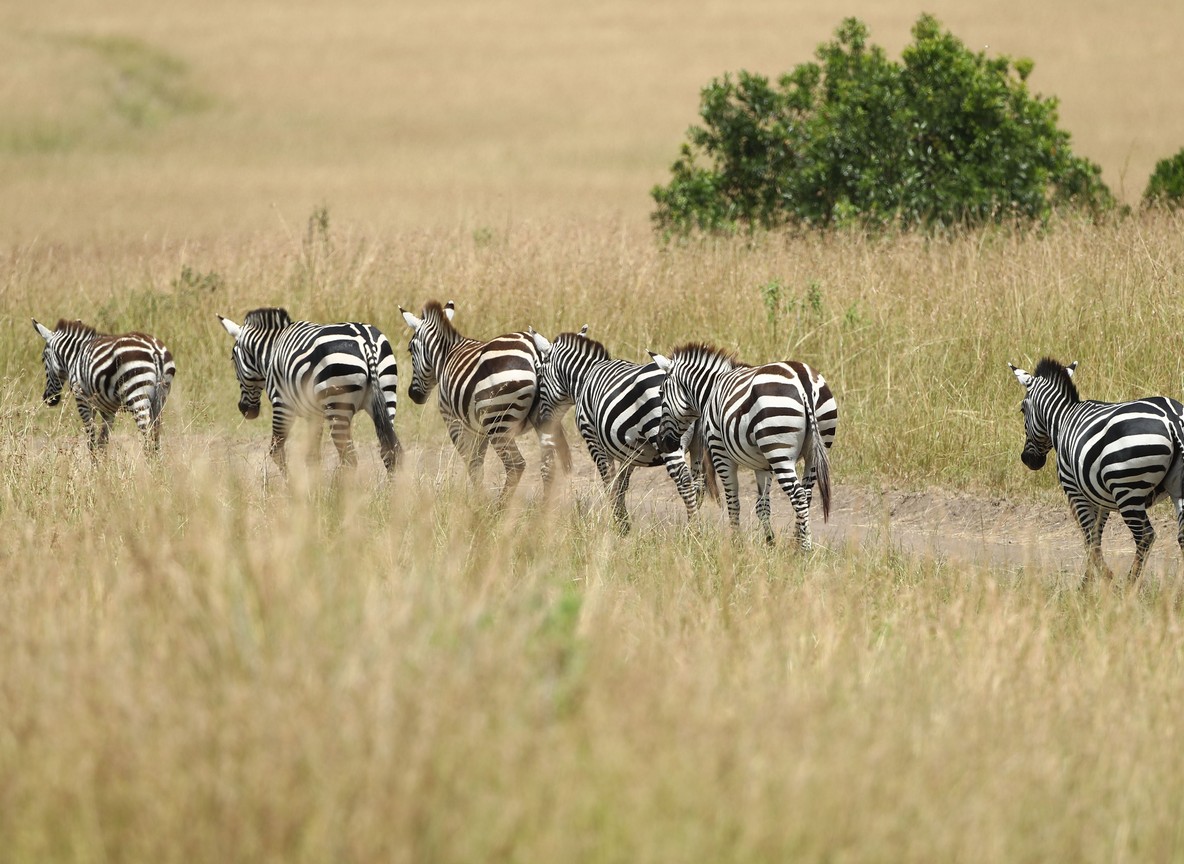
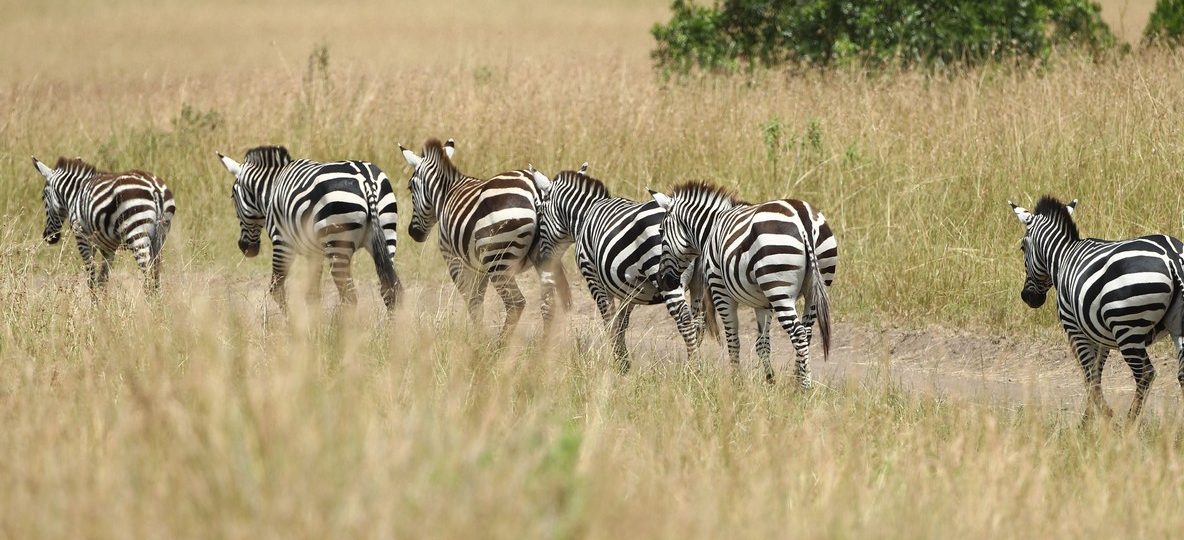
A masai mara conservancy horseback tour puts you at eye level with zebra and giraffe. You are not watching them through a vehicle window. It is one of the few ways left to experience the Mara the way early travelers did, on foot and on horseback. Trunktrails Safaris arranges riding safaris through the private conservancies that ring the Masai Mara National Reserve. These conservancies allow horses and walking. The reserve itself does not. This guide covers the real conservancies, the real fees, and what a day in the saddle involves. Use it to plan your tours and safaris with confidence. 🌍
The Key Facts First
| Conservancy | Size | Conservancy fee (indicative, per person/day) | Known for |
|---|---|---|---|
| Mara North Conservancy | 294 km2 (73,000 acres) | USD 80-100 | Low vehicle density, walking and riding safaris permitted |
| Ol Kinyei Conservancy | 72 km2 (18,000 acres) | USD 70-90 | One of the Mara’s original conservancies; recently reported to hold the highest lion density in the ecosystem |
| Naboisho Conservancy | 200 km2 (50,000 acres) | USD 80-100 | One of the largest single conservancies; strong predator sightings |
| Olare Motorogi Conservancy | 85 km2 (21,000 acres) | USD 100-130 | Premium tented camps, high leopard density |
| Enonkishu Conservancy | 24 km2 (6,000 acres) | USD 60-80 | Community grazing model, long-standing base for riding safaris |
These fees are indicative ranges. Each conservancy trust sets its own rate, and rates change without notice. Always confirm current fees before booking. For comparison, the Masai Mara National Reserve charges a non-resident park fee of roughly USD 200 per person per day. Horses are not permitted inside the reserve at all. That single rule is why every horseback safari in the Mara ecosystem happens in a conservancy.
Why Conservancies, Not the Reserve, for Horseback Safaris
The Masai Mara National Reserve is managed by Narok County. It follows Kenya Wildlife Service style rules: game drive vehicles only. Walking is banned. So is riding. Off-road driving is limited to a few permitted zones. The private conservancies work differently. Mara North, Ol Kinyei, Naboisho, Olare Motorogi, and Enonkishu are run by partnerships between landowning Maasai communities and safari operators. Each conservancy sets its own activity rules. Most allow walking safaris, night drives, and horseback riding. That is exactly why this region has become the center of riding safaris in Kenya.
Getting to the conservancies takes the same route as reaching the reserve. From Nairobi, it is roughly 270 km by road, a 5 to 6 hour drive. Or take a 45-minute scheduled flight from Wilson Airport into a conservancy airstrip such as Mara North, Ol Kiombo, or Naboisho. Trunktrails Safaris books both routes, depending on your schedule and budget.
What a Masai Mara Conservancy Horseback Tour Actually Involves
A riding safari in the Mara conservancies is not a short pony walk around a lodge. Riders typically cover 10 to 25 km per day, moving at a mix of walk, trot, and canter. Routes cross open plains, acacia woodland, and river valleys where vehicles rarely go. A professional guide leads each ride on horseback. Often, a second guide rides at the rear. Behind them, a support vehicle carries water and a first aid kit, staying in radio contact throughout.
Riders need to be competent at walk, trot, and canter in open country. A horse that cannot keep pace with the group near wildlife becomes a safety risk for everyone. Most operators require a written experience form before booking. Some ask for a short assessment ride on arrival. Multi-day riding safaris typically move camp every two to three nights, in classic mobile safari style. A fly-camp or permanent tented camp waits at each stop.
Wildlife on Horseback: What Changes and What Does Not
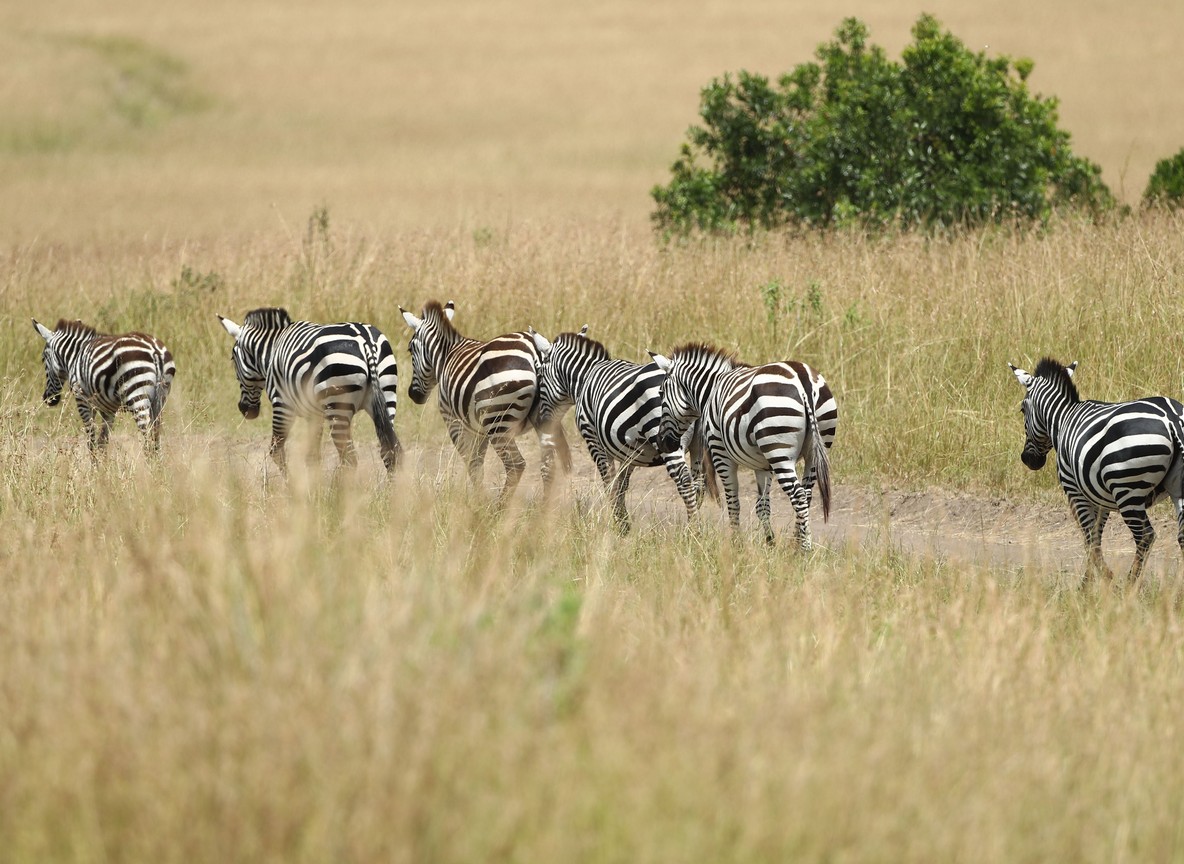
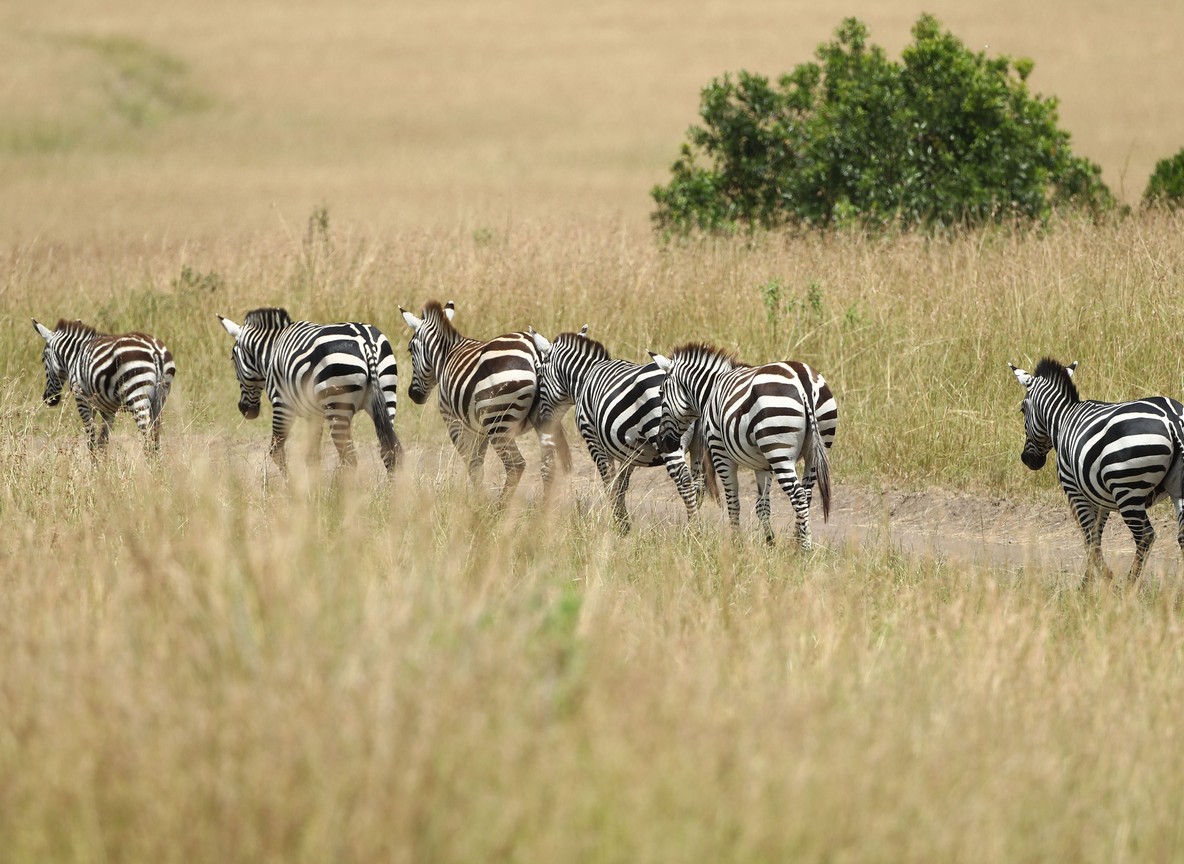
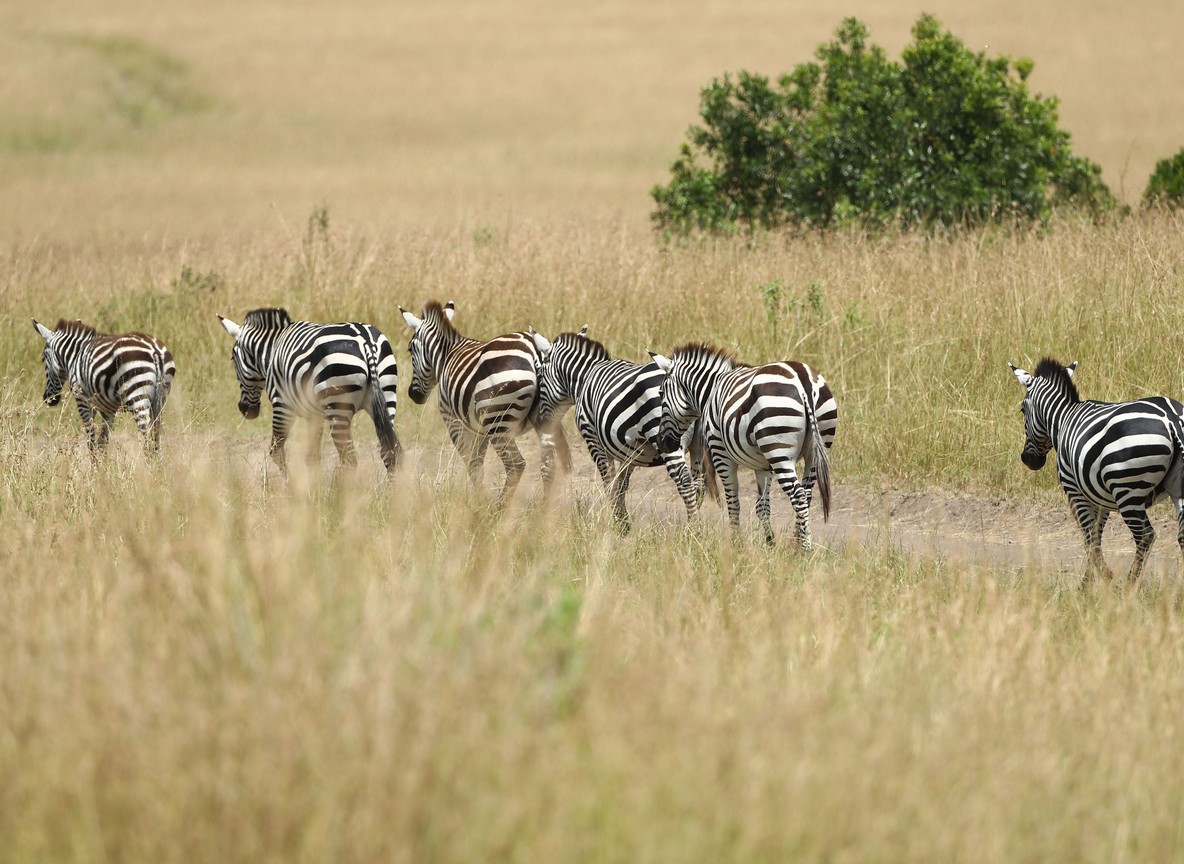
Horses read the landscape differently than vehicles do. Wild animals often respond to a horse’s silhouette the way they would to another herbivore. That can allow closer approach before the animal moves off. Guides still keep a wide, non-threatening distance from predators at all times. No operator rides directly toward lion, hyena, or buffalo. Zebra, giraffe, eland, topi, and impala are the most common close encounters. These species share grazing space with horses and do not treat them as a threat.
Ol Kinyei Conservancy has drawn attention recently for holding among the highest lion densities in the Mara ecosystem, according to conservancy monitoring reports. That makes guide judgment and sighting distance even more important there than in lower-density areas. Expect your guide to route around known pride locations rather than approach them.
Horseback Safari vs Traditional Game Drive Safari
| Factor | Horseback safari | Game drive safari |
|---|---|---|
| Vantage point | Eye level with plains game, ground-level view | Elevated seat in an open vehicle |
| Typical daily distance | 10-25 km | 40-80 km |
| Access | Conservancies only, reserve prohibits riding | Reserve and conservancies |
| Fitness required | Intermediate to advanced riding ability | None |
| Predator viewing | Wide berth maintained for safety | Close approach possible from vehicle |
| Indicative cost per day | USD 150-250 (inclusive of horse hire) | USD 400-700 (inclusive of conservancy fee and accommodation) |
| Best for | and travelers seeking an active, immersive experience | First-time safari travelers and families |
You can combine both formats on one trip. A common itinerary pairs three or four days of riding in Mara North or Enonkishu with a final game drive day in Naboisho or the reserve. That gives you the immersive riding experience plus a wider spread of sightings before you leave.
What to Pack for a Conservancy Riding Safari
Conservancy horseback tours run in the same dust and sun as any Mara game drive. Pack accordingly. Long trousers protect against thorn scrub and stirrup rub. Closed hard-soled boots with a small heel are safer than trainers if you need to dismount fast. A wide-brimmed hat, long-sleeved sun shirt, and high-SPF sunscreen matter more on horseback than in a vehicle, since there is no roof or shade for hours at a stretch. Most conservancy operators supply riding helmets. Trunktrails Safaris confirms helmet and tack availability with each camp before your tours and safaris are finalized, so nothing is left to guesswork on arrival.
Best Time for a Masai Mara Conservancy Horseback Tour
The dry seasons run from late June through October, and again from January through February. These months offer the firmest ground and the clearest visibility across the conservancies, which makes for easier riding and better long-distance sightings. The wet season runs from March through May. Black cotton soil in parts of Mara North and Naboisho gets heavy going for horses during this period. Most operators reduce riding distances or pause multi-day trips during the heaviest rains. Trunktrails Safaris recommends booking dry season dates four to six months ahead. Conservancy horse strings are small, and multi-day riding safaris fill quickly.
The Trunktrails Advantage
Trunktrails Safaris is a Kenyan-owned operator. We build every riding safari around the conservancy that matches your ability and your interests, rather than pushing one fixed itinerary. Our team confirms current conservancy fees, horse fitness requirements, and camp movement schedules directly with partner operators before you book. That means the numbers on your quote match what you pay on the ground. We pair riding days with vehicle-based game drives when clients want both formats. Every logistics detail is handled too, from Wilson Airport transfers to conservancy permits. Book your tours and safaris with Trunktrails Safaris and you get a Kenyan team that knows these conservancies from the ground, not a call center reading from a brochure. 🦒
Ready to Ride the Mara Conservancies?
Further reading
More safari planning resources
- Interactive Maasai Mara map from Valley Safaris
- Maasai Mara National Reserve guide on Touring Insights
- Masai Mara destination guide on FindMySafari
- Kenya tour packages from Valley Safaris
A masai mara conservancy horseback tour is not a bucket list add-on. It is a genuinely different way to experience this ecosystem. The conservancies around Mara North, Ol Kinyei, Naboisho, and Enonkishu exist specifically to make that possible. If you already ride and want a Kenya trip that puts you in the saddle instead of a vehicle seat, message Trunktrails Safaris on WhatsApp at +254 113 208888 or email info@trunktrailssafaris.com. Tell our team your dates and your riding experience. We will match you to the right conservancy and camp, and send back a route built around both. 🐘