Lewa Safari Camp Kenya: Inside Elewana’s Newly Redesigned Camp in Lewa Wildlife Conservancy
Imagine waking to the profile of Mount Kenya on one side and open plains rolling toward the northern deserts on the other. A black rhino grazes in the middle distance, a herd of Grevy’s zebra crosses the grass, and the only sound is birdsong. This is the view that greets guests at Lewa Safari Camp Kenya, the recently redesigned camp run by the Elewana Collection inside one of Africa’s most respected wildlife strongholds. 🦁
Lewa Safari Camp Kenya sits on land that helped write the modern story of Kenyan conservation. This is not a lodge that happens to have animals nearby. It is a working camp on a UNESCO World Heritage conservancy where the survival of rhino, elephant, and rare northern species is the whole point. For travelers who want luxury and meaning in the same trip, few addresses in Kenya carry this much weight.
Where Is Lewa Safari Camp Kenya?
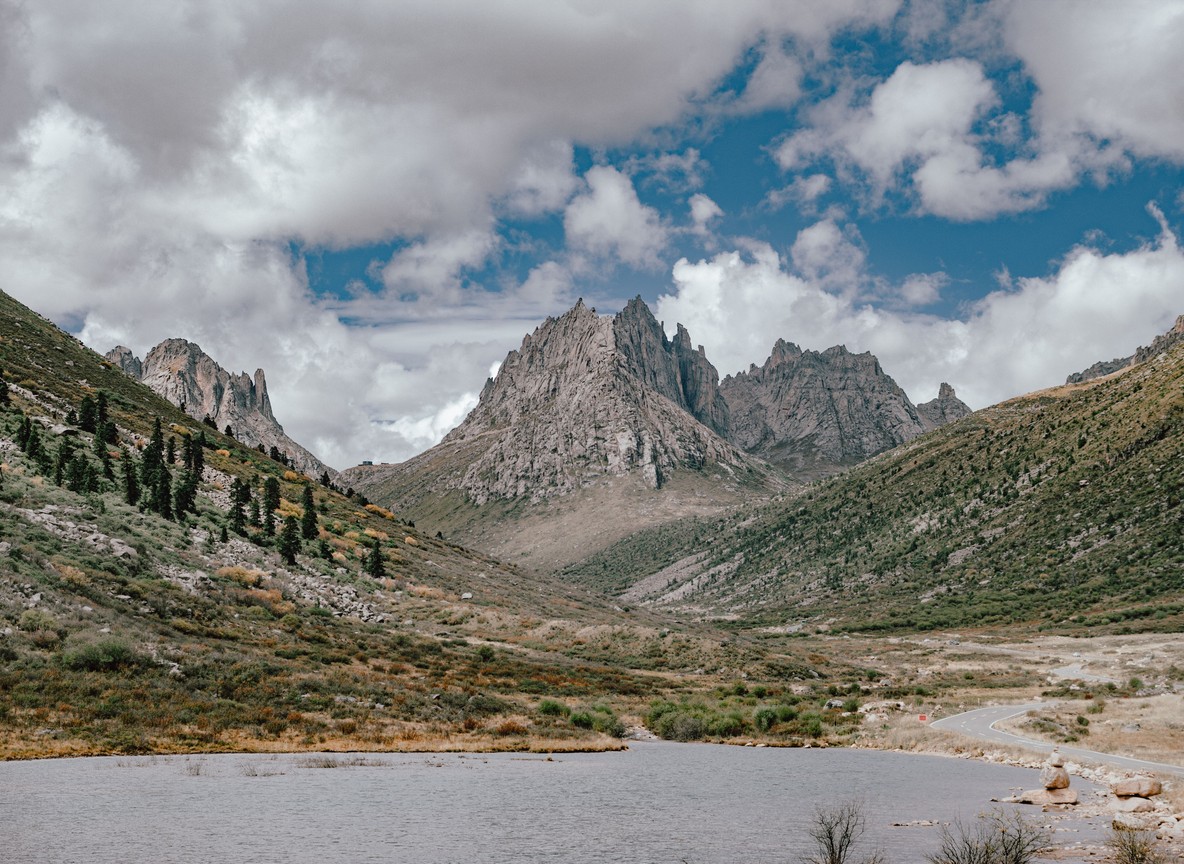
Lewa Safari Camp Kenya is located inside the Lewa Wildlife Conservancy, on the northern foothills of Mount Kenya in Meru County. The conservancy spreads across roughly 62,000 acres, which is about 250 square kilometres of plains, hills, and swamp. It borders the Ngare Ndare Forest and connects, through a wildlife corridor and underpass beneath the main road, to the greater Mount Kenya ecosystem. That corridor lets elephant walk between the forest and the plains, a rare piece of joined-up conservation planning.
The camp itself is small and unhurried. After its redesign, Elewana Lewa Safari Camp holds a set of spacious tented cottages set in green gardens, each with a private veranda facing the wild. The refresh kept the classic canvas-and-thatch feel while updating interiors, lighting, and shaded outdoor space, so the camp reads as contemporary without losing the old safari character.
Getting there is straightforward by Kenyan standards. Most guests fly. The facts below set out the practical numbers you will plan around.
| Feature | Lewa Safari Camp Kenya |
|---|---|
| Location | Lewa Wildlife Conservancy, foothills of Mount Kenya, Meru County |
| Operator | Elewana Collection |
| Conservancy size | Approx. 62,000 acres (about 250 km2) |
| Status | Part of the Mount Kenya UNESCO World Heritage Site (listed 2013) |
| Nearest airstrip | Lewa Downs airstrip (on the conservancy) |
| Flight from Wilson Airport, Nairobi | Approx. 45 min to 1 hr |
| Road from Nairobi | Approx. 285 km / 5 to 6 hrs via Nanyuki |
| Signature wildlife | Black and white rhino, Grevy’s zebra, reticulated giraffe, elephant |
| Best months | Jun to Oct and Dec to Mar |
| Indicative rate (per person, per night, full board with game drives) | Approx. USD 550 to 900 |
Always confirm current rates, conservancy fees, and inclusions with our tours and safaris team before you book, because seasonal pricing shifts through the year.
Lewa Wildlife Conservancy: The Land Behind the Camp
A stay at Lewa Safari Camp Kenya is really a stay inside the Lewa Wildlife Conservancy, so the land is where the story starts. Lewa began as a cattle ranch and turned into a rhino sanctuary in 1983. Over the following decades it grew into a full conservancy and, in 2013, gained UNESCO World Heritage status as part of the Mount Kenya region. It was also the birthplace of the Northern Rangelands Trust, the community conservation network that now anchors wildlife protection across northern Kenya.
Those credentials are not just history. Lewa is a genuine rhino stronghold, home to a large and growing population of both black and white rhino protected by a well-trained ranger and anti-poaching team. Because the conservancy is private and carefully managed, the animals are relaxed and the density is high, which means you often see in one morning what a busy park might spread across several days.
Lewa is also one of the best places on earth to see the endangered Grevy’s zebra, the largest and rarest of the zebra species. The conservancy protects a significant share of the world’s remaining Grevy’s population. Add reticulated giraffe, elephant, lion, leopard, cheetah, and the sitatunga antelope hiding in the swamps, and the wildlife list rewards slow, repeated drives.
Elewana Lewa Safari Camp: The Redesigned Stay
The redesign is what puts Elewana Lewa Safari Camp back in the conversation for 2026. The Elewana Collection refreshed the tented cottages, softened the interiors with natural textures and warm neutral tones, and improved the private verandas so each tent frames the plains and Mount Kenya beyond. Shared spaces around the pool, dining area, and firepit were reworked for easy, sociable evenings after the day’s drives.
What the redesign did not change is the scale. This remains an intimate camp rather than a large hotel, which keeps game drives private and mealtimes personal. The food leans toward fresh, garden-driven menus, and the guiding team is drawn from the region, so your driver-guide knows the terrain, the rhino ranging patterns, and the best light for photography. 📸
The rhythm here suits travelers who want comfort without a resort feel. Mornings and late afternoons are for game drives across the conservancy. The middle of the day is for the pool, the veranda, and the view. Because Lewa is private land, the activity menu stretches well beyond the standard drive, which is where the redesigned camp really earns its place.
Rhino Safari Kenya: Why Lewa Leads
For a rhino safari Kenya travelers can trust, Lewa is close to the top of the list. The conservancy has protected rhino continuously since 1983, and its security model has become a template copied across the continent. The result is a place where seeing rhino is the expectation, not the lucky exception.
On a typical stay you can hope to encounter both black rhino, which are shy browsers of the thicket, and white rhino, the larger grazers of the open grass. Guides read the movement of individual animals day to day, so a morning drive is planned around real, current information rather than guesswork. Meeting a ranger team on the conservancy also turns the abstract idea of anti-poaching into something you see working in front of you.
That protection carries a cost, and it is paid partly by the conservancy fees folded into your stay. This is the honest trade of a Lewa trip: you pay a premium, and that premium keeps rangers in the field and rhino on the plains. For the conservation-minded traveler, that is the point rather than the drawback.
Grevy’s Zebra Lewa and the Wider Wildlife
Beyond rhino, the standout species is the Grevy’s zebra. Lewa is a core refuge for this endangered animal, taller and narrower-striped than the common plains zebra, with large rounded ears and a white belly. Watching a Grevy’s zebra Lewa herd move across the grass below Mount Kenya is one of the quiet privileges of a stay here, and the conservancy runs long-term monitoring to keep the population stable.
The supporting cast is strong. Reticulated giraffe stalk the acacia with their sharp geometric coats. Elephant move through the corridor between Lewa and the Ngare Ndare Forest. Lion, leopard, and cheetah all hunt across the plains, and the Lewa swamps hold the elusive sitatunga plus a rich birdlife that pushes the conservancy list well past 400 species. 🦒
Mount Kenya Safari: Things To Do at Lewa
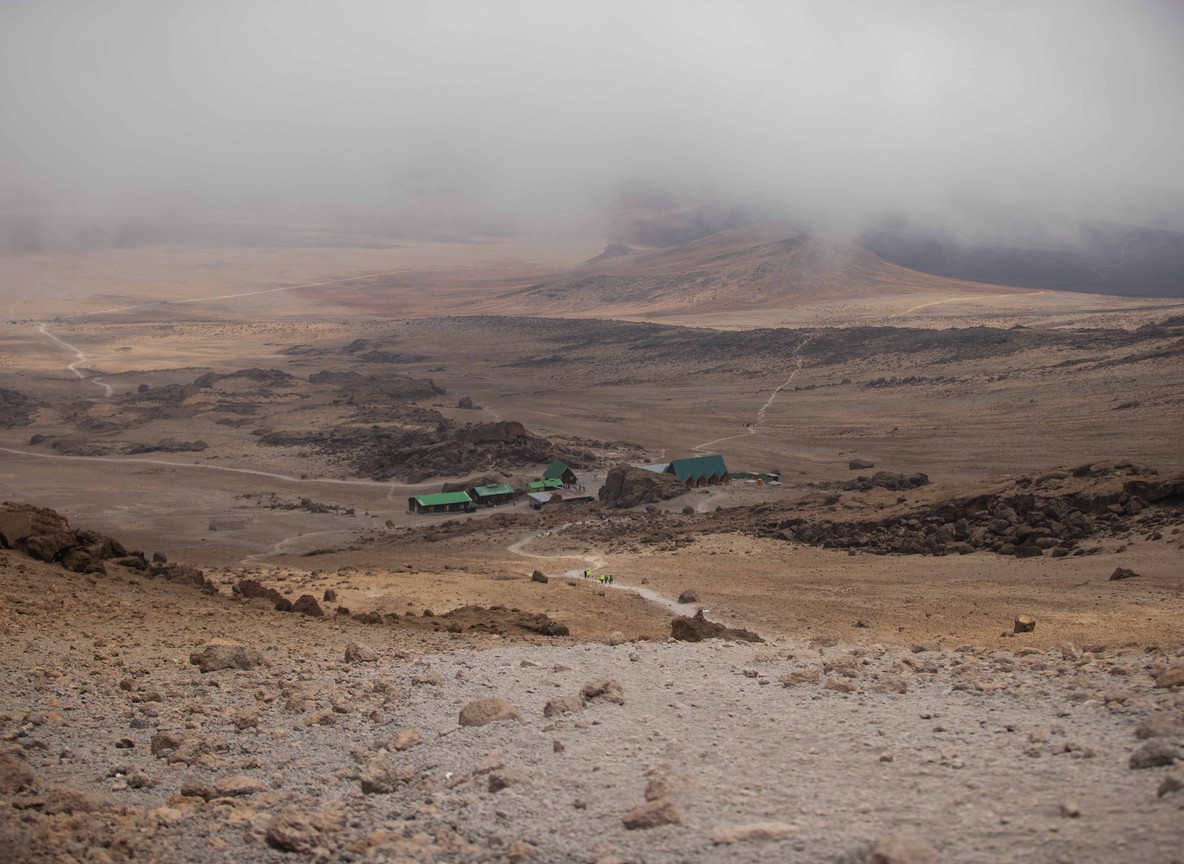
A Mount Kenya safari built around Lewa is not a drive-only trip. Because this is private conservancy land, the activities reach beyond the vehicle, and most guests find the extras become the highlight.
- Game drives. Morning and afternoon drives with off-road access to sightings that busy national parks do not allow.
- Guided bush walks. Walk the plains with an armed guide who turns tracks, dung, and birdsong into the main event.
- Horseback and camel safaris. Ride across the conservancy for a slower, quieter approach that lets you get close to plains game.
- Ranger and anti-poaching visits. Meet the teams and the tracker dogs who keep the rhino safe, a rare behind-the-scenes conservation story.
- Ngare Ndare Forest. Visit the neighbouring indigenous forest with its blue pools and canopy walkway, linked to Lewa by the elephant corridor.
- Cultural visits. Spend time with the surrounding communities whose partnership makes the conservancy model work.
- Night drives. Search for leopard, aardvark, and other nocturnal species after dark, something parks rarely permit.
The Lewa Safari Marathon, run on the conservancy each June, is another draw for travelers who want to combine sport with wildlife and conservation fundraising.
Lewa Safari Camp Kenya vs a Classic Park Lodge
To place Lewa Safari Camp Kenya in context, it helps to set it beside a standard national park lodge such as those inside Amboseli or the Masai Mara. The table uses typical, indicative figures. Confirm current numbers with us before booking.
| Factor | Lewa Safari Camp Kenya | Classic National Park Lodge |
|---|---|---|
| Land type | Private UNESCO-listed conservancy | Government national park |
| Off-road driving | Yes, permitted | Usually prohibited |
| Walking safaris | Yes, guided | Rarely permitted |
| Night drives | Yes | Usually prohibited |
| Horse and camel safaris | Yes | No |
| Rhino sightings | Very high, both species | Variable, often low |
| Grevy’s zebra | Yes, core refuge | Rare or absent |
| Vehicle density at sightings | Low | Can be high in peak season |
| Access | Fly-in approx. 1 hr from Wilson, or 5 to 6 hrs road | Road or short flight |
| Indicative rate (per person, per night, full board with drives) | Approx. USD 550 to 900 | Approx. USD 250 to 600 |
The higher indicative rate at a conservancy camp like Lewa buys exclusivity, off-vehicle activity, and a real conservation outcome, not just a room. On a classic park safari you pay separate park entry fees, and walking, night drives, and horseback are largely off the table.
The Trunktrails Advantage at Lewa
Trunktrails Safaris is a native Kenyan-owned operator, and the country around Mount Kenya and the northern conservancies is ground we know first-hand. We understand the flight schedules into Lewa Downs airstrip, how the conservancy fees are structured, and how a redesigned camp like Elewana Lewa Safari Camp fits into a wider route. That local knowledge is the difference between a booking and a trip that actually flows. 🐘
We build Lewa Safari Camp Kenya into itineraries that make geographic sense. A common pairing sends travelers to the Masai Mara or Amboseli for classic big-game plains, then north to Lewa for rhino, Grevy’s zebra, and the Mount Kenya backdrop. Another links Lewa with Samburu National Reserve along the Ewaso Nyiro or with the nearby Ngare Ndare Forest for a fuller northern loop. We match the camp to your group, whether that is a honeymoon couple, an active retiree, or a family drawn to the ranger and forest experiences.
Trunktrails Safaris handles the full chain: charter or scheduled flights from Wilson Airport, conservancy bed-night levies, the walking and horseback bookings, and the ground transfers that tie it together. Our tours and safaris team plans around the seasons that shape what you see, so your walks land on firm ground and your drives fall in the best light. Because we live and work here, our tours and safaris planning is built on current conditions, not a brochure printed last year. 🌍
When to Visit Lewa Safari Camp Kenya
Lewa sits at altitude on the flank of Mount Kenya, so it stays comfortable most of the year, with warm days and cool nights. There are two main dry windows. June to October brings reliable wildlife viewing, firm ground for walking and riding, and clear Mount Kenya views on good mornings. December to March is the shorter dry season, warm and green after the short rains, with strong birdlife and wildlife spread across the plains.
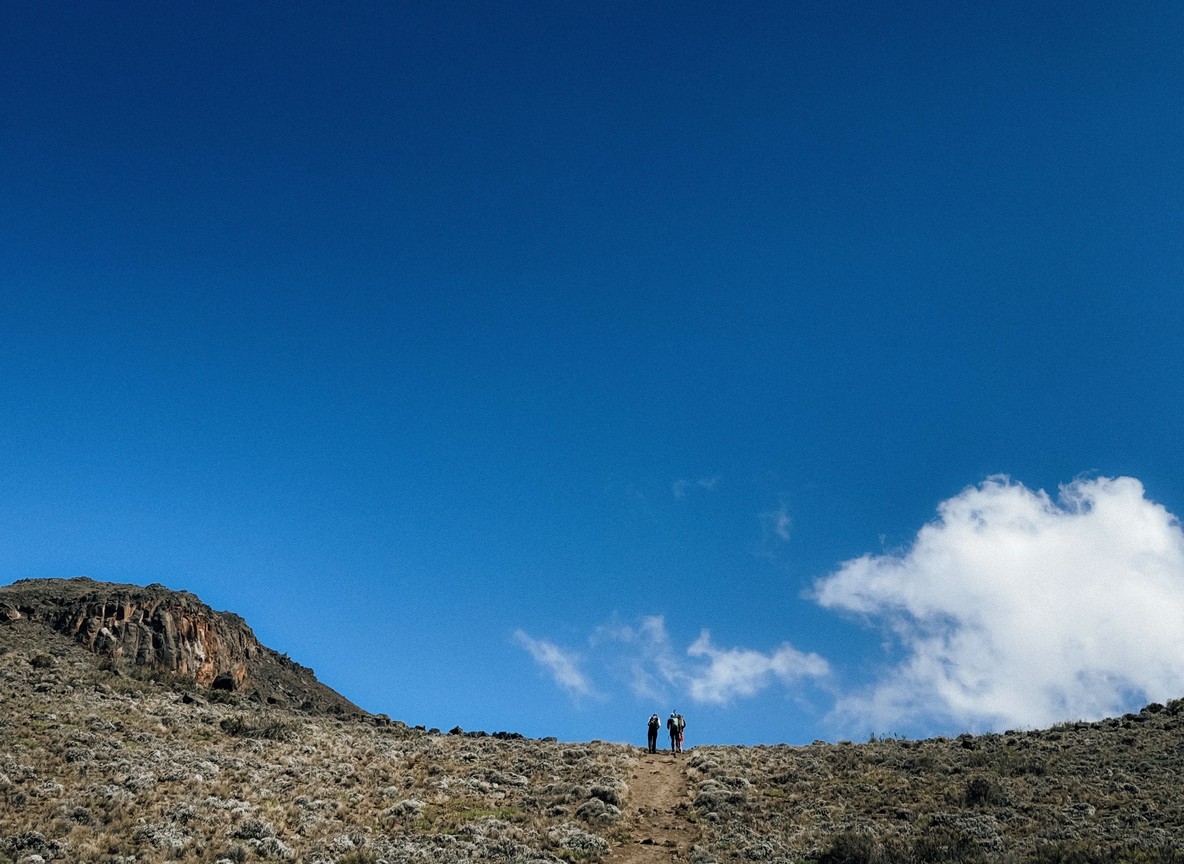
The long rains of April and May can make some tracks soft and a few activities weather-dependent, though the landscape turns lush and rates often ease. If walking, riding, and the clearest mountain views matter most to you, aim for the dry windows. If you want green scenery, newborn plains game, and lower rates, the shoulder months reward the flexible traveler.
Plan Your Lewa Safari With Trunktrails Safaris
Lewa Safari Camp Kenya is an intimate, redesigned camp on a conservancy with genuinely limited beds, so peak months fill early and the fly-in logistics reward planning ahead. The rhino tracking, the horseback rides, and the ranger visits that make Lewa special all work best when they are booked in advance.
Trunktrails Safaris is ready to help you plan a Lewa trip built around your group and your travel dates. Reach us through any channel below to start mapping your northern Kenya days, the right pairings, and current availability:
Further reading
More safari planning resources
- Best time to visit Kenya month-by-month map from Valley Safaris
- Big Five safari parks guide on Touring Insights
- Big Five safari collection on FindMySafari
- Nairobi to Maasai Mara route guide from Valley Safaris
WhatsApp: +254 113 208888 Email: info@trunktrailssafaris.com Website: https://trunktrailssafaris.com
Our tours and safaris team responds to every inquiry within 24 hours, and WhatsApp is the fastest way to reach a planner. Tell us who is travelling and what pulls you to Lewa, and we will send you a plan built around the rhino, the mountain, and the redesigned camp beneath it. ✨