
Lake Naivasha Kenya: Kenya’s Rift Valley Escape for Giraffes, Wine, and Water
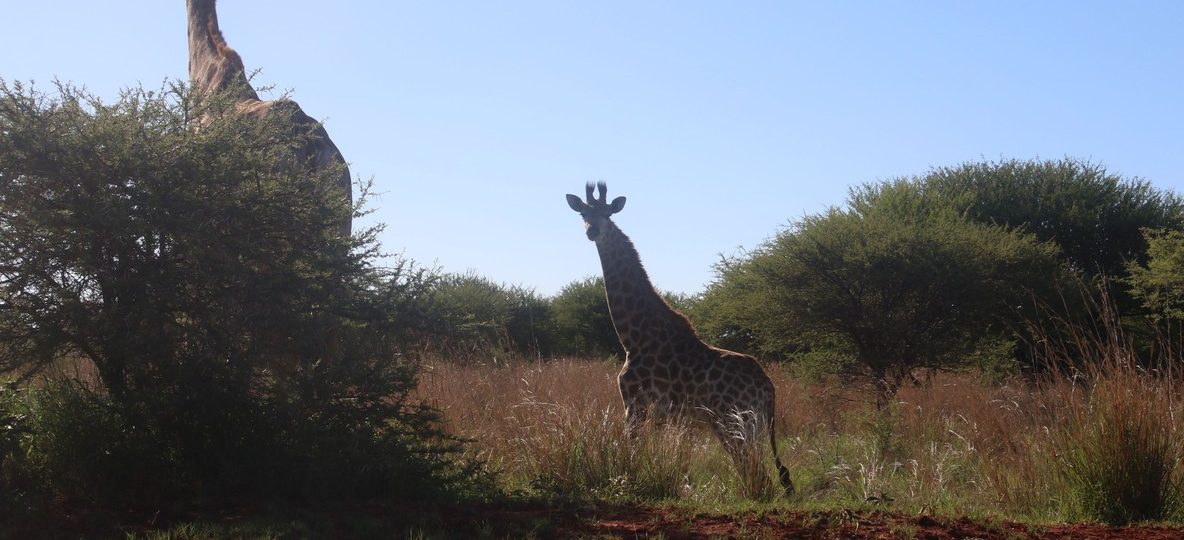
Most travelers picture a Kenya safari as dust, thorn trees, and a long game drive. Lake Naivasha Kenya breaks that picture. This freshwater lake sits inside the Great Rift Valley, close enough to Nairobi for a weekend, yet quiet enough to feel like a private escape. You can walk among giraffes on foot, glide past hippos by boat, and finish the day with a glass of Kenyan-grown wine while the sun drops behind the Mau Escarpment.
At Trunktrails Safaris, we route Lake Naivasha into itineraries for guests who want something gentler than the Masai Mara crush, without losing any of the wildlife. This guide gives you the real distances, the real fees, and the named places worth booking.
Why Lake Naivasha Deserves More Than a Drive-Through
Lake Naivasha sits at roughly 1,884 meters above sea level, which gives it a cool, comfortable climate that few other Kenyan safari destinations can match. Mornings are crisp, afternoons are warm, and evenings rarely need more than a light sweater. That elevation also means the lake escapes the mosquito-heavy heat of lower parks, making it an easy add-on for families and older travelers.
The lake itself covers around 139 square kilometers, though its shoreline shifts with the rains. Papyrus beds line the water, fever trees rise from the shallows, and more than 400 bird species pass through across the year. Unlike the fenced reserves further west, Naivasha lets you get close to wildlife on foot, by bicycle, and by boat, not only from behind a vehicle window.
Trunktrails Safaris built this guide because too many tours and safaris treat Naivasha as a lunch stop between Nairobi and the Masai Mara. It deserves at least one full night, ideally two.
Getting to Lake Naivasha from Nairobi
Lake Naivasha sits about 90 kilometers northwest of Nairobi along the A104 highway, the same road that continues on to Nakuru and Eldoret. The drive takes roughly 1.5 to 2 hours by private vehicle, depending on traffic through Limuru and the descent into the Rift Valley escarpment. There is no commercial airstrip serving general tourism at the lake, so road transfer is the standard route for tours and safaris starting from Nairobi.
Many guests stop partway at the Rift Valley viewpoints near Escarpment town, where the road drops more than 600 meters in a few kilometers and opens onto a wide view of the valley floor, Mount Longonot, and the lake itself.
Things to Do Around Lake Naivasha
Crescent Island: A Walking Safari Without a Vehicle
Crescent Island Game Sanctuary sits on the eastern shore of the lake and is the reason most travelers come to Naivasha in the first place. Because there are no predators on the island, visitors can walk freely among giraffes, zebras, waterbuck, and wildebeest. Entry runs an indicative USD 30 to 40 per non-resident adult, and boat transfer to the island is usually arranged through your camp or a local boat operator at the jetty.
Hell’s Gate National Park: Cycling and Cliffs
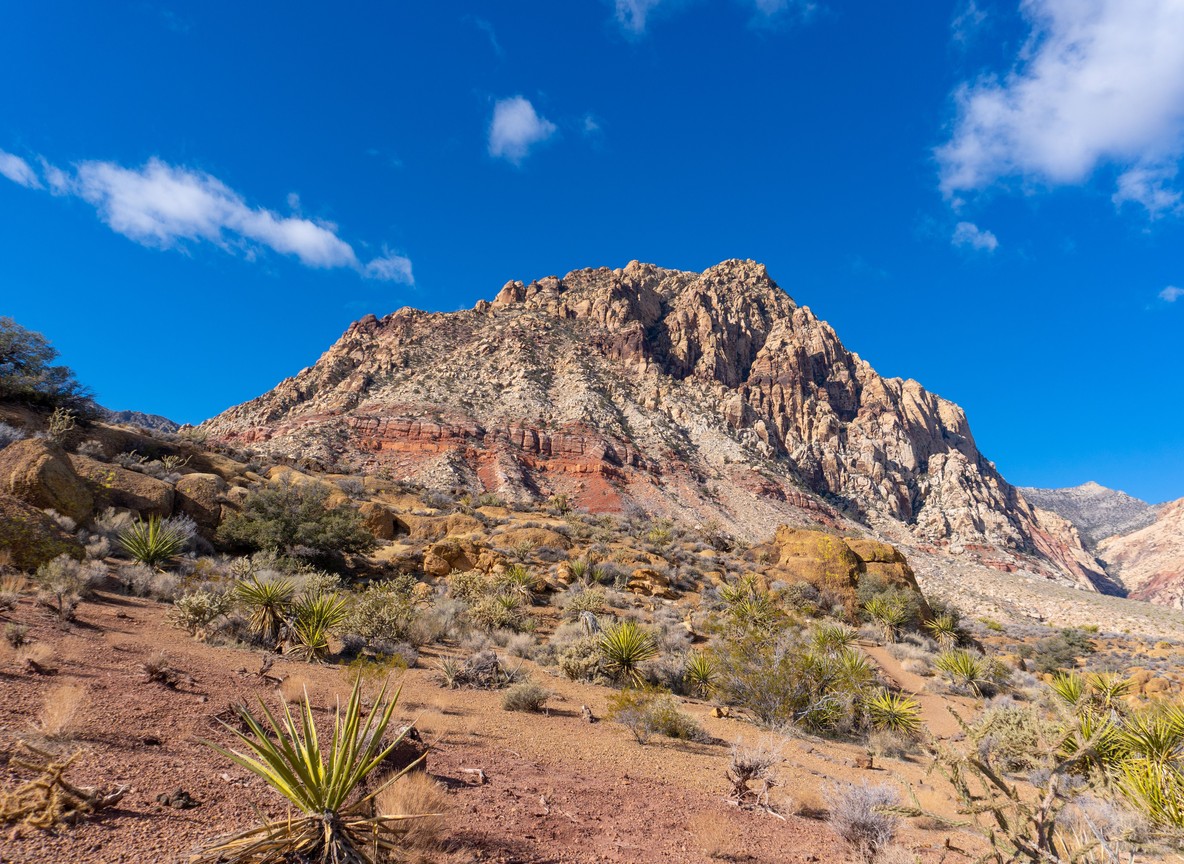
Ten kilometers south of Naivasha town, Hell’s Gate National Park covers about 68 square kilometers of red cliffs, geothermal steam vents, and the narrow Ol Njorowa Gorge. It is one of the few Kenyan parks where you can cycle or walk without a ranger escort in the main section, since it holds no lions. Entry through the Elsa Gate runs an indicative USD 30 per non-resident adult per day, with bike rental available near the gate for around USD 10 to 15. Fischer’s Tower, a volcanic plug popular with rock climbers, sits close to the main entrance.
Boat Safaris on the Lake
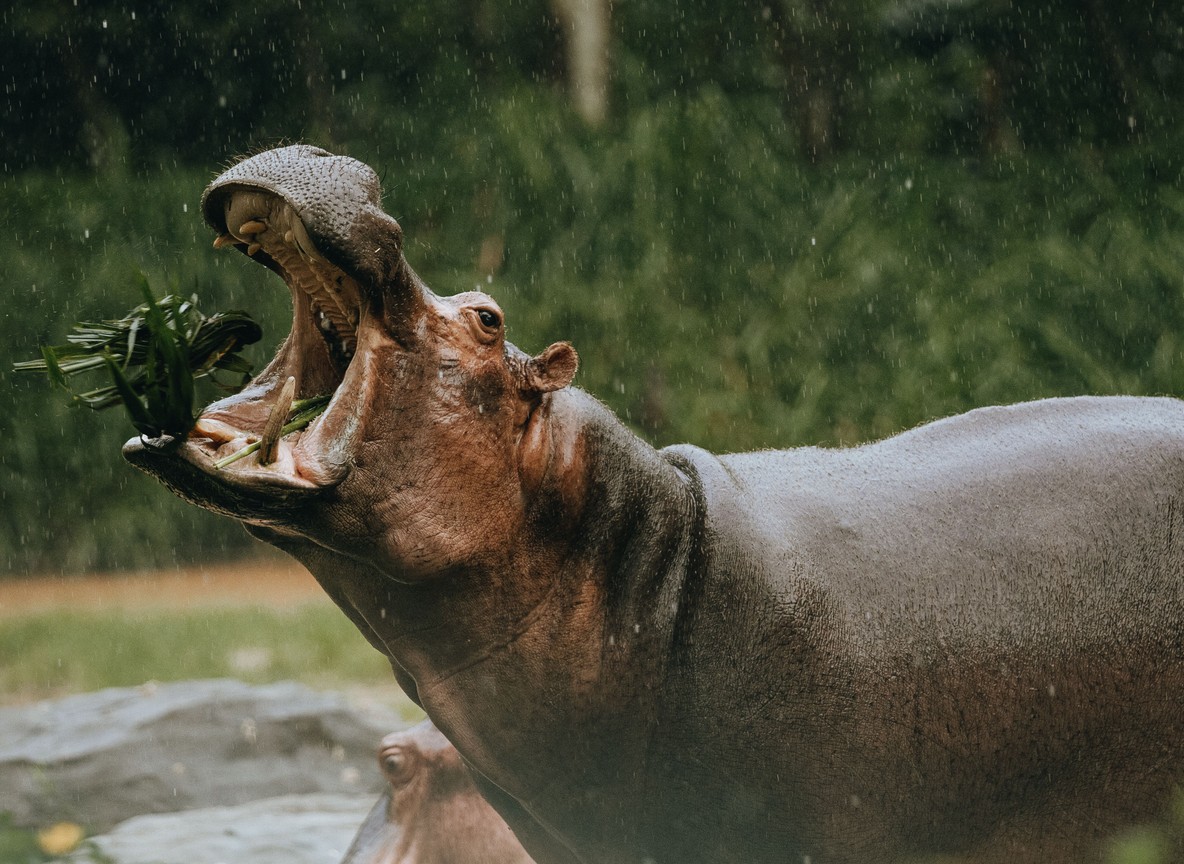
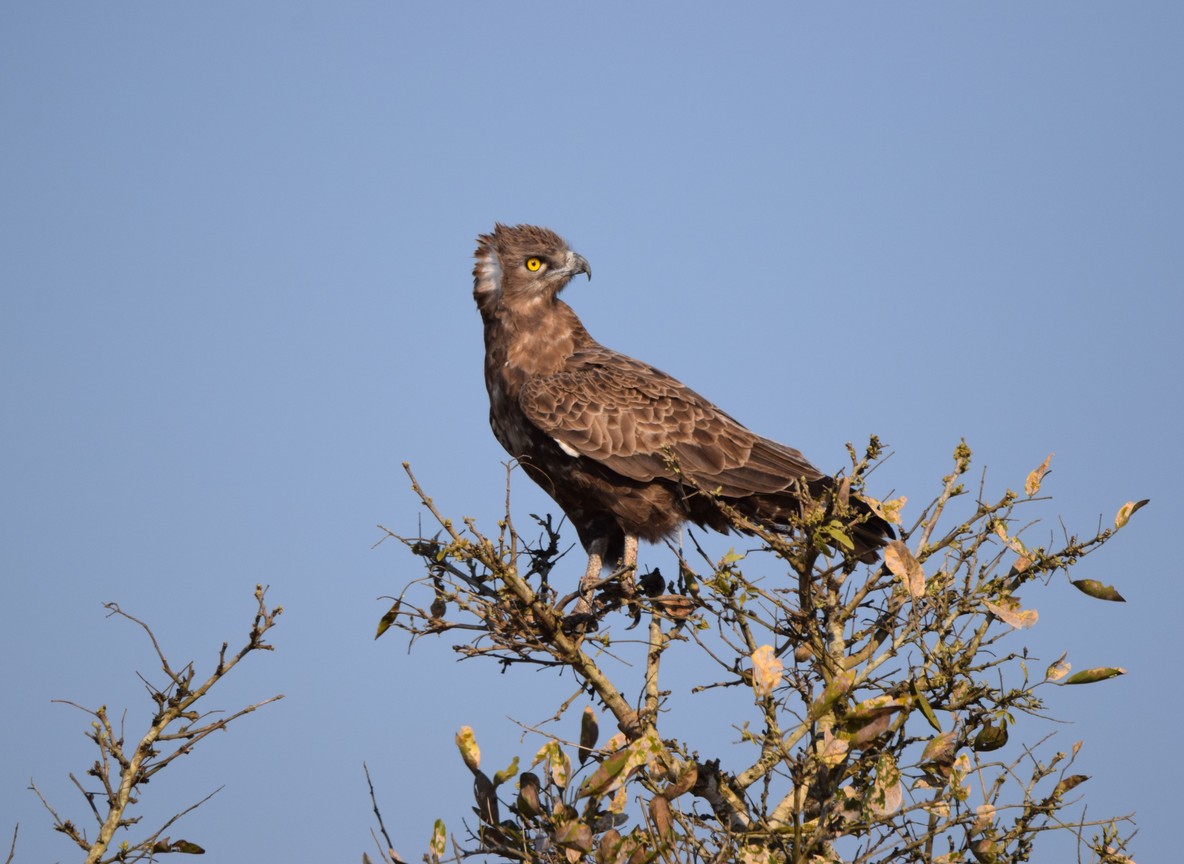
Boat trips leave from jetties near Fisherman’s Camp and several lakeside lodges, running roughly one hour and bringing you within meters of hippo pods and fish eagles. Indicative pricing runs USD 20 to 30 per person, and early morning departures give the calmest water and the best bird activity.
Elsamere and the Rift Valley Wine Trail
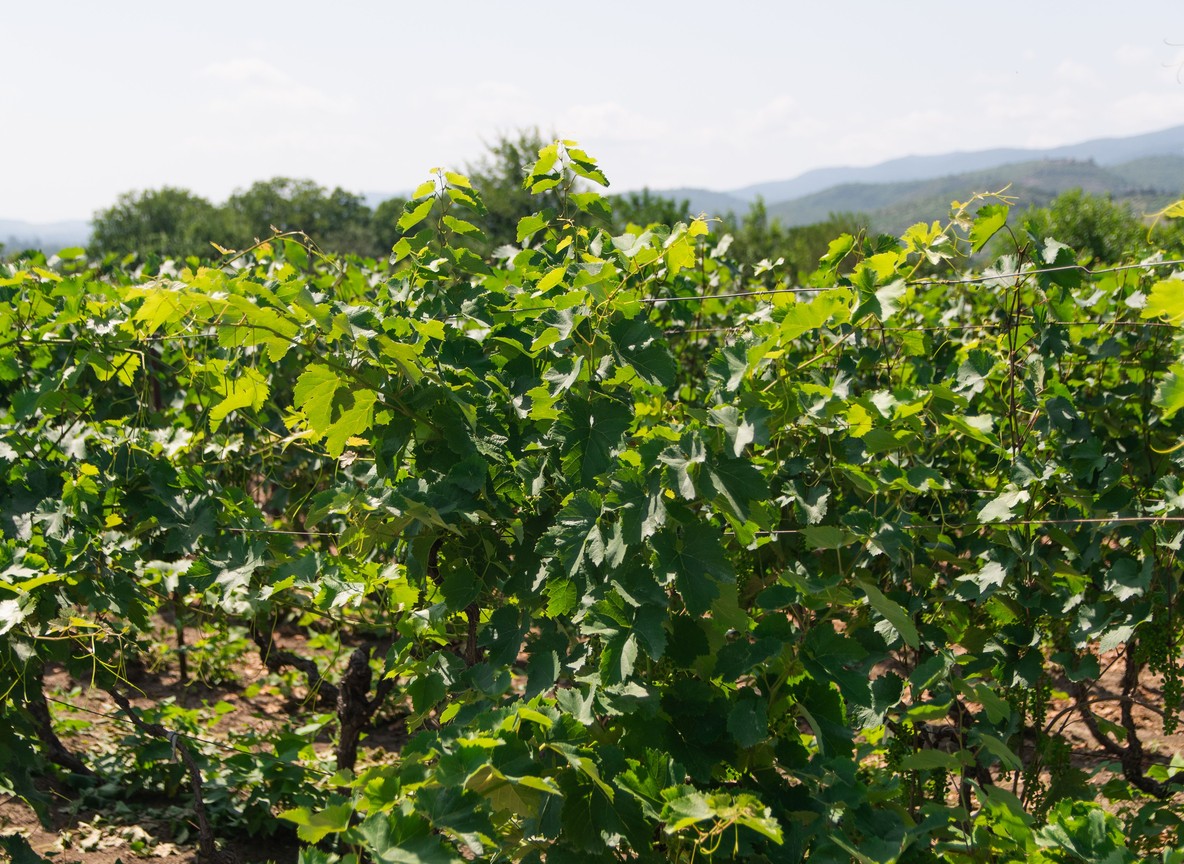
Elsamere Conservation Centre, the former home of conservationist Joy Adamson, sits on the lake’s southern shore and offers a small museum plus an afternoon tea sitting for an indicative USD 15 to 20. Nearby, a small but growing cluster of Rift Valley vineyards, including growers supplying Kenya’s own Leleshwa wine label, use the volcanic soil and cool nights around Naivasha to produce sauvignon blanc and rosé grown at altitude rather than imported in bottle. A tasting stop pairs naturally with a lakeside lunch.
Best Time to Visit Lake Naivasha
Lake Naivasha is a year-round destination because its altitude keeps temperatures mild in every season, but a few windows stand out. The dry months of June through September bring the clearest skies for photography and the calmest water for boat safaris, since strong winds are less common. December through March is warm and dry again, popular with travelers combining Naivasha with a Masai Mara migration trip earlier in the year.
The long rains fall from March through May, and the short rains arrive in November. Both bring lush green scenery and lower rates at most camps, though boat departures can shift to later in the morning once the wind picks up. Bird numbers peak just after the rains, when migratory species join the resident population along the papyrus edges.
Early morning is the best time of day for every activity here. Boat operators recommend a 7:00 or 7:30 departure for hippo viewing, before the wind builds on the open water, and Crescent Island’s walking guides note that giraffes and zebras are most active in the first two hours after sunrise.
What to Pack for a Naivasha Stop
Because Lake Naivasha sits higher and cooler than most Kenyan safari destinations, packing differs slightly from a Masai Mara or Amboseli trip. A light jacket or fleece covers cool mornings and evenings, even in the dry season. Closed shoes matter more here than at most lake destinations, since both Hell’s Gate cycling and Crescent Island walking cover uneven volcanic ground.
Binoculars earn their weight given the bird count, and a zoom lens helps on the boat, where hippos and fish eagles often sit further from the hull than expected. Sunscreen and a hat remain essential even with the cooler air, since the equatorial sun at this altitude burns quickly. A reusable water bottle is worth packing too, since several camps have moved away from single-use plastic.
Lake Naivasha at a Glance
| Detail | Figure |
|---|---|
| Distance from Nairobi | ~90 km via A104, 1.5-2 hr drive |
| Lake surface area | ~139 km² (fluctuates with rainfall) |
| Elevation | ~1,884 m above sea level |
| Crescent Island entry (non-resident adult) | Indicative USD 30-40 |
| Hell’s Gate National Park entry (non-resident adult) | Indicative USD 30/day |
| Hell’s Gate park size | ~68 km² |
| Boat safari (per person, ~1 hr) | Indicative USD 20-30 |
| Elsamere Conservation Centre + tea | Indicative USD 15-20 |
| Distance onward to Lake Nakuru | ~75 km |
All fees are indicative 2026 non-resident rates. Confirm current pricing at the gate, since KWS and private conservancy tariffs change periodically.
Where to Stay Near Lake Naivasha
Lakeside options range from tented camps to full resorts. Chester’s Safari Camp and Fisherman’s Camp sit directly on the water and suit travelers who want easy boat access. Lake Naivasha Sopa Resort and Enashipai Resort & Spa offer more structured comfort, with pools and spa facilities for a slower pace. Great Rift Valley Lodge sits above the lake on the crater rim of Mount Eburru, trading lakeside access for sweeping views. Trunktrails Safaris matches the camp to your pace, whether that is an active two-day cycling and boating stop or a full rest day between bigger parks.
Lake Naivasha vs Lake Nakuru: Which Fits Your Trip
| Factor | Lake Naivasha | Lake Nakuru |
|---|---|---|
| Distance from Nairobi | ~90 km | ~160 km |
| Signature activity | Walking safari, cycling, boat trips | Game drives, rhino sanctuary |
| Water type | Freshwater | Alkaline soda lake |
| Best for | Active travelers, short breaks, wine stops | Rhino sightings, flamingo photography |
| Typical stay length | 1-2 nights | 1 night |
Many Trunktrails Safaris itineraries combine both, since the drive between them takes under two hours.
The Trunktrails Advantage
Planning tours and safaris around Lake Naivasha takes local knowledge that guidebooks rarely cover, from which jetty has the calmest morning water to which vineyard tasting fits between a cycling stop and sunset. Trunktrails Safaris is Kenyan-owned and built by guides who know these roads personally, not from a spreadsheet. We handle the boat bookings, the Hell’s Gate cycling logistics, and the timing between Naivasha and your next stop, so your Rift Valley escape runs smoothly from the moment you leave Nairobi. Every itinerary we build for Lake Naivasha and beyond is designed around real pacing, not a rushed checklist.
Ready to Add Lake Naivasha to Your Kenya Trip?
A weekend among giraffes, hippos, and Rift Valley vineyards is closer than most travelers realize, just 90 kilometers and less than two hours from Nairobi. Trunktrails Safaris can build a Lake Naivasha stop into a longer Kenya itinerary or design it as its own short escape.
Further reading
More safari planning resources
- Rift Valley lakes map from Valley Safaris
- Maasai Mara National Reserve guide on Touring Insights
- Masai Mara destination guide on FindMySafari
- Nairobi to Maasai Mara route guide from Valley Safaris
Message us on WhatsApp at +254 113 208888 or email info@trunktrailssafaris.com to start planning your Lake Naivasha Kenya trip today. 🦒🌍

