Nairobi Safari City Guide: What to Do With a Day to Spare
Most travelers treat Nairobi as a place to sleep off jet lag before the “real” safari starts. That is a mistake. A nairobi safari does not have to wait for a bush flight or a game drive gate. Nairobi itself holds rhinos, giraffes, baby elephants, a 1,041-acre forest, and one of East Africa’s best museums. All of it sits within a short drive of Jomo Kenyatta International Airport (JKIA).
At Trunktrails Safaris, we build a Nairobi day into most of our Kenya itineraries. Guests who skip it usually regret it once they see what they missed. This guide covers exactly what to do with a spare day in Nairobi. It includes real distances, real fees, and named places you can actually book.
Why a Nairobi Day Matters Before Your Safari
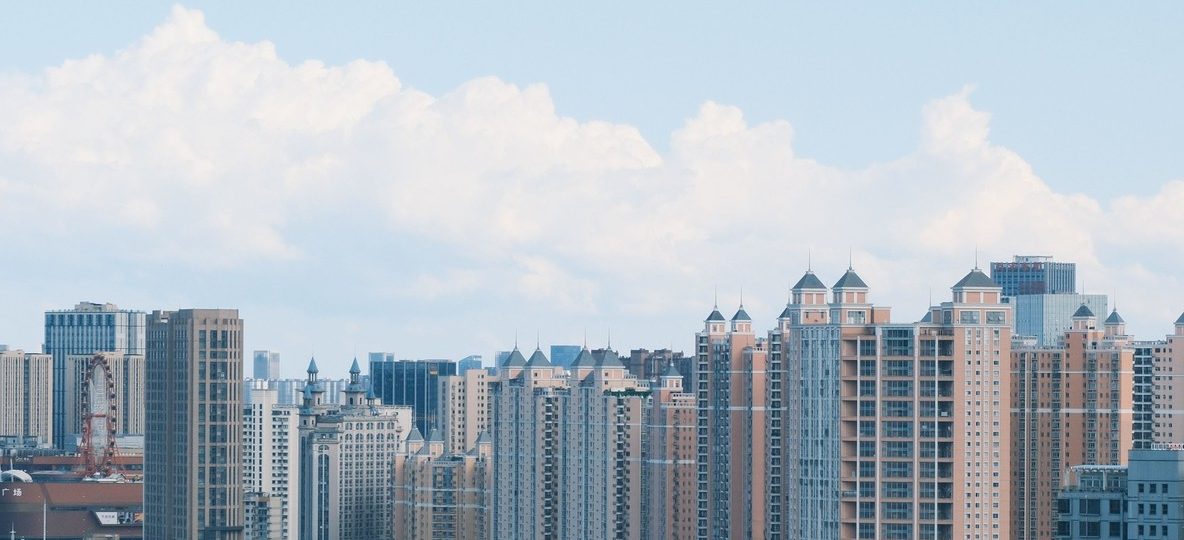
Nairobi is the only capital city in the world with a national park on its edge. That single fact changes what “one day in Nairobi” can mean. Instead of a hotel lobby and an early flight, you can watch lions hunt with the skyline in the background. An hour later, you can eat lunch in a leafy suburb.
Guests who arrive at JKIA in the morning often have six to ten free hours before an onward flight to the Masai Mara or Amboseli. Most assume that time is wasted. It is not. Trunktrails Safaris routes Kenya tours and safaris so that layover time becomes a wildlife day, not a waiting room.
Nairobi in One Day: Itinerary Options by Time Available
How much you can fit depends on your available time and Nairobi’s traffic. Traffic runs heaviest from 07:30 to 09:00 and 17:00 to 19:30. The table below uses real distances from JKIA and indicative non-resident fees, so you can plan realistically.
| Time Available | Recommended Stops | Distance from JKIA | Indicative Cost (USD, non-resident adult) |
|---|---|---|---|
| 3-4 hours (tight layover) | Giraffe Centre + David Sheldrick Wildlife Trust | ~22-25 km, 40-70 min drive | $10-15 (Giraffe Centre) + $10 donation minimum (Sheldrick Trust) |
| Half day (5-6 hours) | Nairobi National Park game drive + Giraffe Centre | ~20-25 km, 40-60 min drive | $80 (KWS park gate) + $10-15 (Giraffe Centre) |
| Full day (8+ hours) | Nairobi National Park, Nairobi National Museum, Maasai Market, Karura Forest sunset walk | 15-25 km between stops | $80 + $8-12 (Museum) + $5-10 (Karura Forest) |
All fees are indicative 2026 non-resident rates. Confirm the current rate at the gate, since KWS tariffs remain under periodic review.
Morning in the Wild: Nairobi National Park and David Sheldrick Wildlife Trust
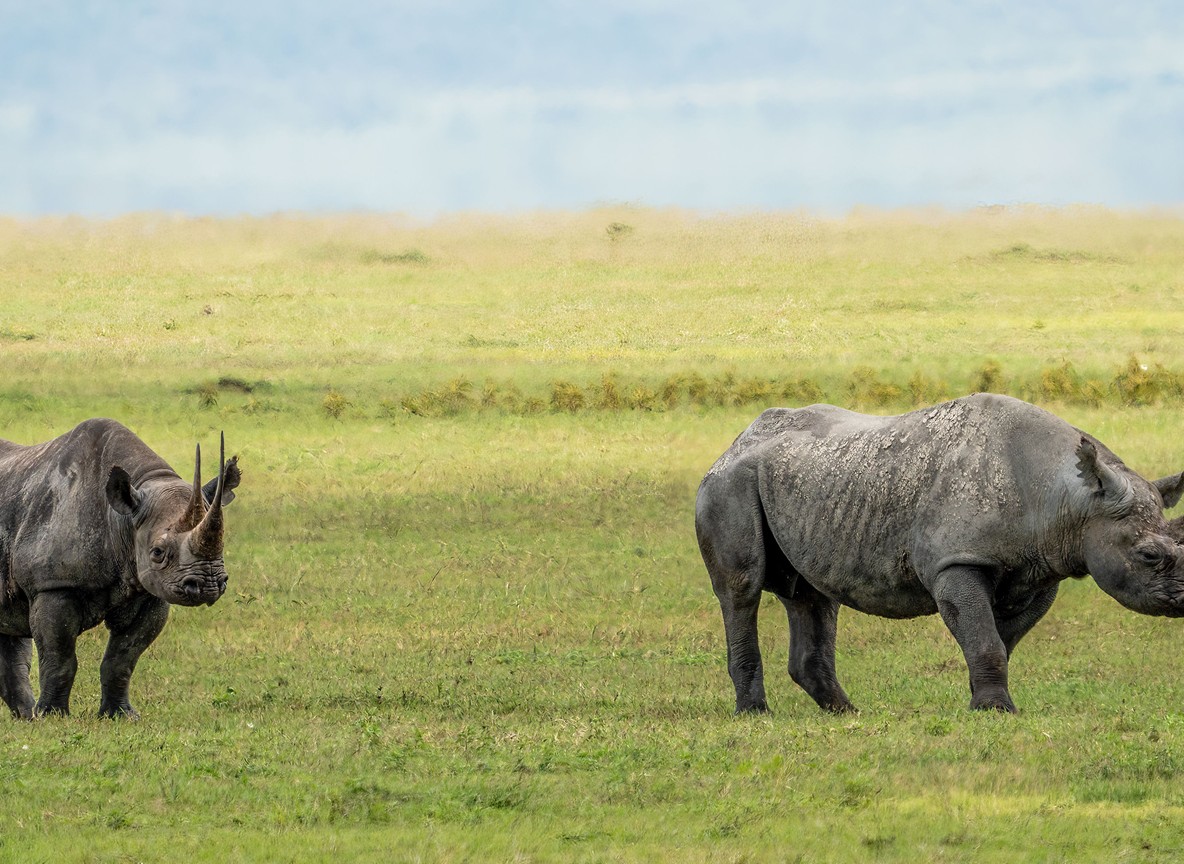
Nairobi National Park covers 117 square kilometers of open plains, acacia grassland, and riverine forest. It sits just 12 kilometers from the city center, in the Langata suburb. The park is unfenced on its southern side, which lets wildlife move in and out with the seasons. Lion, leopard, buffalo, giraffe, zebra, and one of Kenya’s most secure black rhino populations all live inside its boundary.
Right next to the main gate sits the David Sheldrick Wildlife Trust. This elephant and rhino orphanage is famous for its daily public visiting hour. Baby elephants, some just weeks old, are bottle-fed and named in front of visitors between 11:00 and 12:00 each day. Paired with a dawn game drive, this combination makes for one of the best starts to any Kenya safari.
Giraffe Centre and Giraffe Manor: A Slower Kind of Wildlife Encounter
The Giraffe Centre in the Karen suburb protects the endangered Rothschild’s giraffe through a breeding and release program. Visitors climb a raised wooden platform and feed giraffes eye to eye. The photo often ends up in guests’ travel albums. The centre sits 10 kilometers from the city center, next door to Giraffe Manor. At this boutique lodge, giraffes famously put their heads through the breakfast room windows.
Giraffe Manor itself is usually booked out months ahead. The Giraffe Centre next door welcomes day visitors without any lodge reservation. Guests short on time often pair it with the Elephant Orphanage, since the two sit five minutes apart by road.
Culture and Craft: Nairobi National Museum and the Maasai Market
The Nairobi National Museum sits on Museum Hill Road, roughly 3 kilometers from the CBD. It holds Kenya’s most complete collection of hominid fossils, tribal artifacts, and contemporary East African art. An hour inside gives useful context for the cultures and landscapes a safari covers later. That runs from Maasai beadwork traditions to the Rift Valley’s geological history.
For souvenirs and gifts, the Maasai Market rotates between city venues on different days of the week. Vendors sell beadwork, carvings, textiles, and paintings direct from the maker. Bargaining is expected and normal. A stop here works well slotted between the museum and lunch.
Green Escape: Walking Karura Forest
Karura Forest sits in the Runda and Muthaiga area, about 8 kilometers from the city center. It covers roughly 1,041 acres of indigenous forest inside Nairobi’s boundary. Marked trails lead past a waterfall, a cave once used during Kenya’s independence struggle, and a suspension bridge river crossing. Cyclists, runners, and walkers use the same network, and guided walks are available at the main gates.
Karura works best in the late afternoon. The light through the canopy turns gold once the heat of the day has passed. It is also one of the few Nairobi stops that makes you forget the city around you. Nairobi is home to more than four million people.
Where to Eat Between Stops
Nairobi’s restaurant scene stretches from famous nyama choma grill houses to fine dining. Most sit close to the suburbs where the day’s stops are located.
| Restaurant / Area | Neighborhood | Style | Indicative Price Band |
|---|---|---|---|
| Carnivore Restaurant | Langata | Traditional Kenyan grill, roast meats | $$ |
| The Talisman | Karen | Fusion, garden setting | $$$ |
| Karen Blixen Coffee Garden | Karen | Colonial-era coffee house, light meals | $$ |
| Java House (multiple branches) | City-wide | Casual cafe, quick lunch | $ |
Guests combining Nairobi National Park with the Karen suburb stops usually eat lunch in Karen. It sits between the park gate and the Giraffe Centre, with almost no backtracking required.
Timing Your Day Around Your Safari Flight
Most onward safari flights from Wilson Airport, Nairobi’s dedicated light-aircraft hub, depart in the mid-morning. If your safari starts the next day, that frees an entire afternoon and evening for the city. If you fly out the same day, finish your last Nairobi stop by early afternoon. Allow 45 to 90 minutes to reach Wilson Airport, depending on traffic.
Luggage storage is rarely a problem. Most Nairobi hotels near JKIA and Wilson Airport hold bags for guests fitting in a day of activities. This works before an evening flight or an early departure the next morning. Trunktrails Safaris arranges this as standard for guests booking a Nairobi day as part of a wider Kenya itinerary.
Practical Nairobi Day Information
Currency and payment: Most Nairobi attractions, including the Giraffe Centre and the Nairobi National Museum, now accept card payment. The Nairobi National Park gate fee runs through the KWS digital Fimbo system rather than cash at the gate. Carrying a small amount of Kenyan shillings still helps for the Maasai Market and tipping.
What to wear: Smart-casual clothing works for the museum, Giraffe Centre, and Karura Forest. For the Nairobi National Park game drive, choose safari-neutral colors such as khaki and olive. These photograph better against the bush and attract less insect attention than bright colors or black. Closed shoes are worth packing even for a city day. Karura Forest trails and the park viewing platforms are uneven underfoot.
Connectivity: A local SIM card, available at JKIA arrivals, gives reliable 4G coverage across every stop in this guide. That makes real-time traffic checking and ride coordination straightforward.
Safety: The Nairobi suburbs covered here (Langata, Karen, Runda, Museum Hill) are among the city’s most visited by tourists. All are well used to safari traffic. A private guide and driver removes the guesswork of navigating an unfamiliar city on a tight schedule. Trunktrails Safaris provides both on every Nairobi day.
The Trunktrails Advantage
Trunktrails Safaris is a Kenyan-owned operator based in Nairobi. We design Nairobi days for groups of every size. That ranges from a couple with a four-hour layover to a corporate team arriving for an incentive trip. Planning tours and safaris around a single free day takes local knowledge. Most visitors do not have time to gather that knowledge themselves.
What Trunktrails Safaris handles for you:
- Private vehicle and driver-guide, no shared group transport
- Pre-arranged entry timing so you do not queue at the Giraffe Centre or the Sheldrick Trust visiting hour
- Route planning that avoids Nairobi’s worst traffic windows
- Lunch reservations at the right venue for your group size
- Hotel or airport pickup and drop-off timed to your flight
- Group logistics for corporate and incentive teams, including larger vehicles and staggered timing
Trunktrails Safaris runs these Nairobi days as standalone city experiences. We also build them into the opening or closing chapter of longer Kenya tours and safaris. The combination works best with a guide who already knows exactly when to be where.
Ready to Turn Your Nairobi Layover Into a Wildlife Day?
Picture it now. A rhino grazing with the Nairobi skyline behind it. A baby elephant reaching for a bottle held by a keeper who knows its name. Giraffe breath on your palm as it takes a pellet from your hand. A forest waterfall you did not expect to find inside a capital city. That is what a spare day in Nairobi can hold. Trunktrails Safaris builds every detail of it around your schedule. 🦒🌍
Start planning your Nairobi day with Micah:
Further reading
More safari planning resources
- Kenya national parks map from Valley Safaris
- Big Five safari parks guide on Touring Insights
- Big Five safari collection on FindMySafari
- Nairobi to Maasai Mara route guide from Valley Safaris
📞 WhatsApp: +254 113 208888 📧 Email: info@trunktrailssafaris.com 🌐 Website: https://trunktrailssafaris.com