Kenya Self-Drive Safari Guide: Routes, Permits and What to Know Before You Go 🌍
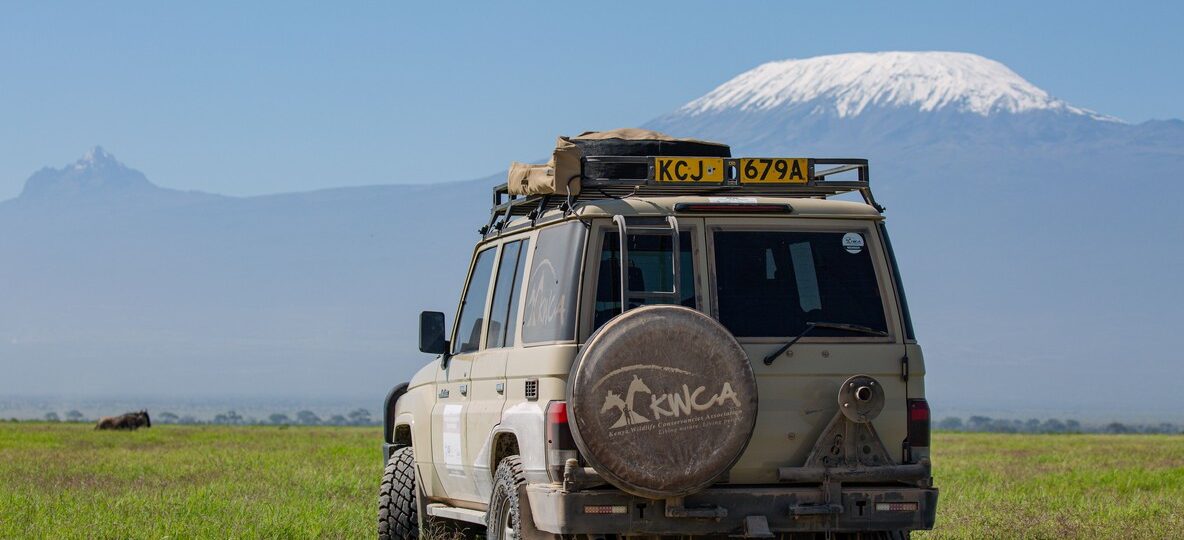
A kenya self drive safari is one of the most debated topics in East Africa travel. Proponents argue it gives you freedom, flexibility, and a fraction of the per-day cost of a guided safari. Critics point to navigation challenges, park regulations, and the reality that an inexperienced driver in a borrowed 4WD on a flooded black-cotton track is a very different animal from someone who has driven these routes a hundred times.
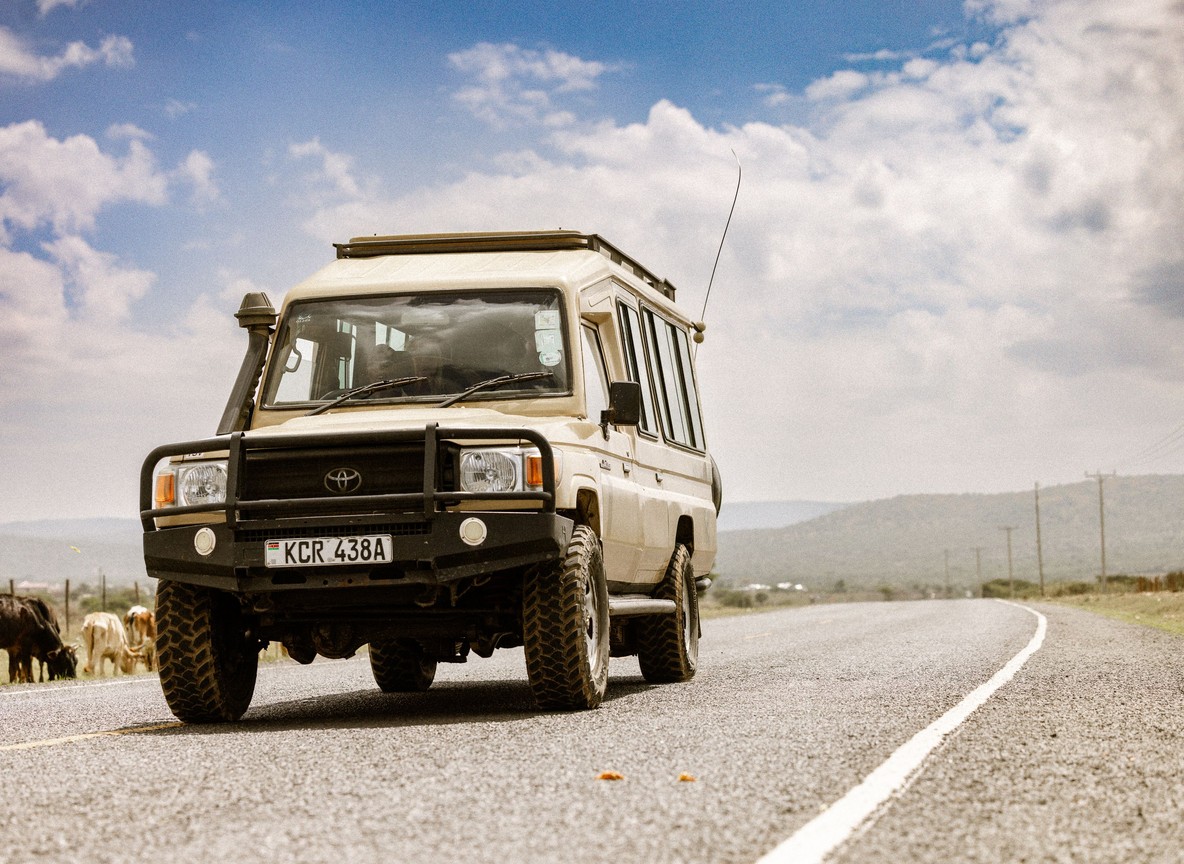
Both camps are right. A self drive safari kenya trip is absolutely achievable — thousands of independent travelers do it every year. It requires more planning, honest self-assessment of your 4WD skills, and acceptance of what you will miss compared to a guided experience. This guide gives you the straight version of all of it.
Is a Kenya Self-Drive Safari the Right Choice for You?
Before getting into routes and permits, work through this checklist:
You are well-suited for self-drive if:
- You have previous experience driving 4WD vehicles off-road
- You are comfortable reading topographic maps or have downloaded offline GPS maps for Kenya
- You travel with a companion who can navigate while you drive
- You have mechanical basics covered (how to change a tyre, how to read a temperature gauge)
- You prefer flexibility over structure and are fine with unpredictable days
- Budget is a genuine constraint and you have time to plan thoroughly
You should probably choose guided if:
- This is your first trip to Kenya
- You are primarily motivated by maximising wildlife sightings
- You have young children or family members with mobility limitations
- You want to understand what you are seeing (guides know species, behaviour, and ecology in detail)
- Your holiday window is short (7 days or less)
There is no shame in the second list. A good guide will find you the cheetah coalition in Naboisho that you would have driven past four times on your own. That is a real cost of self-drive travel.
Kenya National Parks: Self-Drive Entry Rules
Kenya Wildlife Service permits self-drive access to all national parks and reserves with a valid entry permit. You do not need a guide for the national parks. The following applies:
Entry permits: All Kenya national parks use the e-Citizen platform for online permit booking (kws.go.ke). You purchase a daily resident or non-resident rate. Non-resident daily fees in 2026: Masai Mara USD 80/adult, Amboseli USD 60/adult, Tsavo East/West USD 52/adult, Lake Nakuru USD 52/adult.
Vehicle fee: A self-drive vehicle pays a separate vehicle entry fee at the gate. Standard rate for a foreign-registered or hired vehicle is KES 1,500 to 3,000 per day depending on park. Gates accept cash or M-Pesa.
Park hours: Most national parks open gates at 6:00am and close at 6:30pm. You cannot be on roads inside the park after closing time. Night drives are not permitted in national parks (only in private conservancies).
Conservancies: Private conservancies like Naboisho, Mara North, and Olare Motorogi do not permit self-drive. You must stay at a conservancy camp and use their guides and vehicles. This is a firm rule, not a suggestion.
The Best Routes for a Kenya Self-Drive Safari
Route 1: Nairobi — Amboseli — Tsavo West — Tsavo East — Nairobi (6 to 8 days)
This circuit is the most self-drive-friendly in Kenya. Roads are well-maintained between parks, the parks themselves have reasonably clear tracks, and the wildlife density is high enough that even without a guide you will have strong game viewing days.
Day 1: Nairobi to Amboseli (4 hours, tarmac road via Namanga). Enter via Kimana Gate. Days 2-3: Amboseli. Morning drives focusing on elephant herds and Kilimanjaro. Afternoon drives along the swamp edge for birds and buffalo. Day 4: Amboseli to Tsavo West (3.5 hours). Enter Tsavo West via Chyulu Gate. Days 5-6: Tsavo West. Mzima Springs hippo pool (walk permitted with ranger escort to the underwater viewing chamber), Shetani lava flows, Ngulia rhino sanctuary viewpoint. Day 7: Tsavo West to Tsavo East (cross at Mtito Andei Gate). Afternoon Tsavo East drive. Day 8: Full day Tsavo East. Lugards Falls, Kanderi Swamp, the Galana River. Return to Nairobi via Mombasa Road (5 hours).
Road quality: Good on this route. The C103 from Nairobi to Amboseli is tarmac. Tsavo internal tracks are graded gravel, manageable in a standard 4WD.
Route 2: Nairobi — Lake Nakuru — Maasai Mara — Nairobi (7 to 9 days)
The Mara section of this route is the most challenging for self-drive. Tracks inside the reserve flood during rain and the black-cotton soil becomes genuinely impassable. In the dry season (June to October), it is very manageable.
Day 1: Nairobi to Lake Nakuru (2 hours, good tarmac). Enter via Main Gate. Days 2-3: Lake Nakuru. Rhino patrol viewpoints, flamingo lake edge, Makalia Falls. Day 4: Lake Nakuru to Masai Mara (3 hours via B3 road through Narok). Days 5-7: Masai Mara Reserve. Three days is the minimum. Game drives on the Mara Triangle side (west bank) require crossing via the bridge near Mara Serena. Day 8: Mara to Nairobi (5 hours via Narok). Option to stop at Narok town for fuel and lunch.
Road quality: The C12 between Narok and the Mara is partially bad dirt road. Deep dust in dry season, deep mud in wet. A high-clearance 4WD is essential. Do not attempt this in a regular 4×4 hire car after rain.
Route 3: Nairobi — Samburu — Mount Kenya Foothills — Nairobi (5 to 7 days)
The northern circuit is the least-traveled self-drive route and offers the most distinct wildlife. Samburu’s endemic species are not found anywhere else on the southern circuit.
Day 1: Nairobi to Samburu (4.5 hours via Nanyuki). Days 2-4: Samburu National Reserve. Morning drives focusing on Grevy’s zebra, reticulated giraffe, gerenuk, and lion along the Ewaso Nyiro River. Day 5: Samburu to Nanyuki (2.5 hours). Option to visit Ol Pejeta Conservancy (no self-drive — guided entry only). Days 6-7: Nanyuki and Mount Kenya foothills. Aberdares option if time allows.
Self-Drive Car Hire in Kenya: What to Know
Vehicle type: A 4WD with high clearance is required for any serious self-drive safari. Toyota Land Cruiser (110 or 200 series), Nissan Patrol, and Toyota Prado are the standard fleet at reputable hire companies. Avoid standard SUVs or salon cars for any park visit.
Hire companies: Reputable Nairobi-based operators include Avis, Budget, Let’s Go Travel, and several smaller independents with good track records. Budget around USD 100 to 180 per day for a basic Land Cruiser with unlimited mileage and comprehensive insurance.
Insurance: Ensure your hire agreement includes CDW (collision damage waiver) and third-party liability. Read the exclusions — many policies exclude off-road damage. Some hire companies now offer a specific safari insurance add-on for an extra KES 2,000-3,000 per day.
Fuel: Petrol and diesel are available at towns on all the major routes. Carry a 20-litre jerry can as backup for remote stretches (Tsavo interior, Samburu north of the reserve). M-Pesa payment works at most fuel stations.
Self-Drive vs Guided Safari: An Honest Comparison
| Factor | Self-Drive | Guided (Trunktrails Safaris) |
|---|---|---|
| Wildlife sightings | Good but guide-dependent | Significantly better (radio network, experience) |
| Cost (accommodation same) | Lower | Higher (guide/vehicle/expertise) |
| Flexibility | Very high | Moderate (structured itinerary) |
| Ecological interpretation | Limited unless well-read | Deep — guides explain everything you see |
| Access to conservancies | No (guides only) | Yes (walking, night drives, off-road) |
| Emergency support | Self-managed | Trunktrails backup 24/7 |
| Recommended for beginners | No | Yes |
The Trunktrails Advantage: Hybrid Options ✨
Trunktrails Safaris also builds hybrid itineraries for independent-minded travelers who want some self-drive flexibility but not to sacrifice every guided advantage. A common structure: join a guided Mara conservancy experience for three nights (where guiding is mandatory and the experience is dramatically better), then self-drive Amboseli or Lake Nakuru on your return leg with an itinerary brief from us.
Trunktrails Safaris is a tours and safaris operator. We have run this hybrid model for many years and know exactly which sections of which routes are sensible for independent driving and which sections genuinely benefit from a guide’s knowledge.
We can also provide:
- Detailed self-drive route briefings (GPX tracks, fuel stop maps, gate coordinates)
- Pre-arranged park permits booked on your behalf
- Emergency contact coverage for mechanical issues or medical situations
- Accommodation bookings along your route at vetted, fairly-priced properties
These services do not require you to book a full guided tours and safaris package with us. If you are doing a self-drive kenya trip and want professional logistical support, that is something Trunktrails Safaris offers as a standalone service.
Plan Your Kenya Self-Drive Safari 📸
Whether you are planning a fully independent self-drive safari or a hybrid itinerary that combines driving freedom with guided access to the best conservancies, Trunktrails Safaris tours and safaris team can help you make it work.
Contact Micah for self-drive route planning, permit booking, or a hybrid itinerary:
Further reading
More safari planning resources
- Nairobi to Maasai Mara route guide from Valley Safaris
- Tsavo complete guide on Touring Insights
- Tsavo destination guide on FindMySafari
- Map of Tsavo from Valley Safaris
WhatsApp: +254 113 208888 Email: info@trunktrailssafaris.com Website: https://trunktrailssafaris.com
| Kenyan-Owned and Operated
Share your planned dates, route preferences, and group size. We will send you a practical planning guide, permit-booking instructions, and honest advice on which sections of your route we recommend adding guide support.