
Kenya Safari in November: Short Rains, Quiet Parks and Outstanding Wildlife 🌍
Most travelers who have been on a Kenya safari in November come back saying the same thing: “Why doesn’t everyone know about this?” November sits in Kenya’s short rains season, which sounds like a reason to stay home. In reality, it is one of the best-kept secrets in East African travel.
The short rains bring life to the savanna. Grass turns vivid green. Waterholes fill. Resident herds grow fat and photogenic. Meanwhile, the crowds that pack Masai Mara in July and August have long gone home. Lodge rates drop by up to 40 percent. You share game drives with almost no one.
This guide from Trunktrails Safaris covers everything you need to plan a confident, high-value safari this November.
What Is the Weather Like on a Kenya Safari in November?
November sits in Kenya’s short rains season, which runs from October through December. The name is slightly misleading. Rain typically falls in short, heavy bursts, most often in the late afternoon or evening. Mornings are usually clear and perfect for game drives.
Daytime temperatures across most parks sit between 22°C and 28°C. Nights in higher-altitude areas like the Masai Mara can drop to around 14°C, so pack a light fleece. Coastal zones and lower Tsavo stay warmer throughout.
Key weather facts for November:
- Rainfall pattern: 2-3 hours of rain per day, usually afternoon
- Morning conditions: Clear skies, excellent light for photography
- Masai Mara temperature: 22°C to 26°C daytime, 12°C to 16°C at night
- Amboseli temperature: 24°C to 30°C daytime, 15°C to 18°C at night
- Road conditions: Dirt tracks can become muddy after heavy rain; 4WD vehicles are essential and always used on our tours
The short rains create dramatic cloud formations that make for exceptional sunrise and sunset photography. 📸
Which Parks and Reserves Are Best for a Kenya Safari in November?
Not every park performs equally in November. Here is a quick breakdown of the main options.
| Park / Reserve | Size (km²) | Drive from Nairobi | Nov Highlight | Indicative Daily Park Fee (Non-Resident Adult) |
|---|---|---|---|---|
| Masai Mara National Reserve | 1,510 | 5-6 hrs / 45 min by air | Resident big cat density | $80 |
| Masai Mara Conservancies | ~1,300 combined | 5-6 hrs / 45 min by air | Exclusive vehicle-free zones | $80-$120 |
| Amboseli National Park | 392 | 4-5 hrs (240 km) | Elephants vs. Kilimanjaro | $60 |
| Tsavo East National Park | 13,747 | 4-5 hrs (330 km) | Red elephant herds, fewer tourists | $52 |
| Samburu National Reserve | 165 | 5-6 hrs (350 km) | Unique northern species | $52 |
| Lake Nakuru National Park | 188 | 2-3 hrs (160 km) | Flamingos, rhino, waterbuck | $60 |
Park fees are indicative and subject to change; conservancy fees are charged separately by the relevant conservancy. All figures in USD per adult per day.
Top pick for November: The Masai Mara and its surrounding conservancies remain the headline act. Olare Motorogi Conservancy, Mara North Conservancy, and Mara Naboisho Conservancy all offer off-road driving that the national reserve does not permit. In November, a game vehicle might spend four hours exploring open grassland with no other vehicle in sight. That is rare at any price.
Second pick: Amboseli in November offers one of Kenya’s most iconic wildlife scenes: large elephant families crossing the floodplain with the snow-capped peak of Mount Kilimanjaro visible on clear mornings. The short rains green up the vegetation and draw herds out of the surrounding bush.
What Wildlife Can You See on a Kenya Safari in November? 🦁
The wildebeest migration has moved south into Tanzania by early November, but do not let that stop you. Kenya’s resident wildlife is extraordinary on its own.
Masai Mara and conservancies:
- Lions are highly visible. The grass is shorter in November than during the rainy season, which makes big cats easier to spot from a vehicle.
- Cheetahs hunt in open grassland; sightings are excellent in the Mara conservancies where vehicle pressure is low.
- Leopards favour riverine forest along the Mara River and Talek River.
- Resident wildebeest and zebra herds, numbering in the tens of thousands, remain year-round.
Amboseli:
- Amboseli’s elephant population of around 1,400 individuals is one of Africa’s best-studied. November is a strong month for family group sightings near the Enkiama and Longinye swamps.
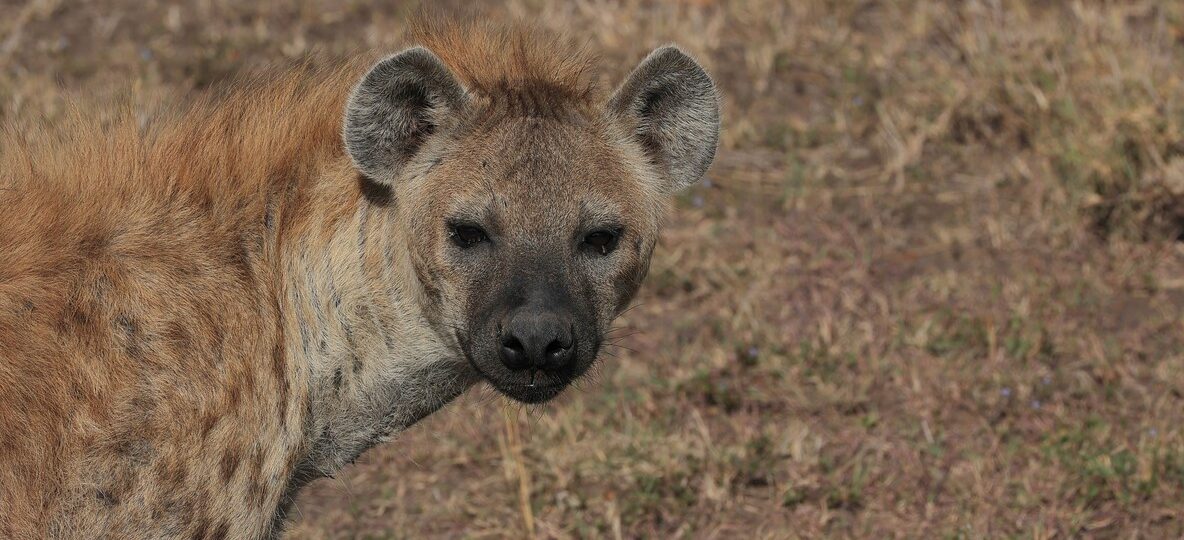
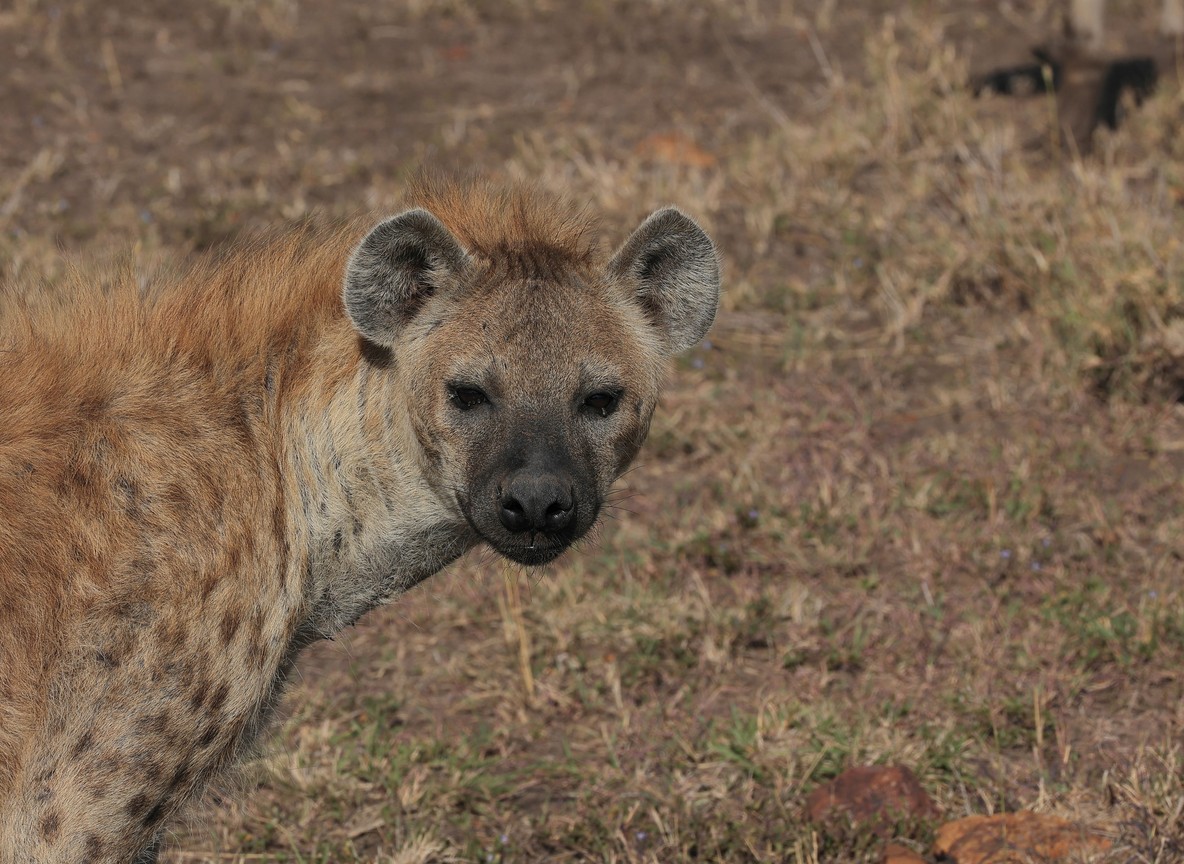
- Lions and spotted hyena are active on the dry lake bed and surrounding plains.
Birdwatching: November is arguably the best month for birds. European and Palearctic migrants arrive, joining Kenya’s 1,100+ resident species. The Masai Mara alone records over 450 bird species. Lilac-breasted rollers, secretary birds, and crowned cranes are common in the open grassland.
How Much Does a Kenya Safari in November Cost?
November falls firmly in the shoulder season, which means genuine savings compared to the peak July-to-October window. Indicative price ranges below are per person per night on a full-board, game-drive-inclusive basis.
| Tier | Example Properties | Nov Indicative Price (per person/night) | Peak Season (Jul-Oct) |
|---|---|---|---|
| Budget tented camps | Mara Simba Lodge, Ashnil Mara Camp | $180 – $280 | $280 – $400 |
| Mid-range lodges | Mara Serena Safari Lodge, Amboseli Serena Safari Lodge | $300 – $550 | $450 – $750 |
| Luxury tented camps | Rekero Tented Camp, Ol Seki Hemingways Mara, Tortilis Camp | $600 – $950 | $900 – $1,500 |
| Ultra-luxury | Angama Mara, Mahali Mzuri | $1,000 – $1,800 | $1,500 – $2,500+ |
All prices indicative only. Rates vary by room type, group size, and booking lead time. Contact Trunktrails Safaris for a confirmed quote tailored to your travel dates.
A typical 7-night November package combining the Masai Mara (4 nights in a private conservancy) with Amboseli (3 nights) can be arranged across all budget tiers. Our tours and safaris team builds the itinerary around your priorities, whether that is big cat sightings, elephant photography, or simply switching off in the quiet of a conservancy where mobile phone signal is minimal.
Is November a Good Time to Visit the Masai Mara?
Yes, and here is the part that surprises most first-time visitors: the Masai Mara in November offers better lion sightings than peak migration season. During July and August, every vehicle converges on the river crossings. In November, your guide can focus on one pride for an hour without interruption.
Named big cat territories to know:
- Rekero Pride: Uses the central Mara around the Talek River
- Paradise Pride: Ranges across Olare Motorogi Conservancy
- Notch Jr. coalition: Male lions known in the Mara Triangle area
The main reason travelers hesitate is the migration. The wildebeest river crossings peak between July and October, then the herds return to the Serengeti. By mid-November, crossing activity is effectively over for the year. If a dramatic river crossing is the primary goal, choose August or September. If outstanding predator sightings, value pricing, and uncrowded game drives are the goal, November wins.
What About Amboseli in November? 🐘
Amboseli National Park is only 392 km² in area, but it punches well above its weight. The park sits at 1,220 metres above sea level on the floor of an ancient lake basin fed by Kilimanjaro’s snowmelt. That underground water system keeps the Enkiama and Longinye swamps green even in dry conditions, which is why Amboseli’s elephants do not leave.
November advantages in Amboseli:
- Clear mornings mean the best chance of seeing Kilimanjaro (its summit sits at 5,895 metres, roughly 270 km away)
- Elephant families congregate in smaller areas as rains encourage movement
- New plant growth attracts buffalo, wildebeest, and zebra onto the open floodplain
- Birdlife increases significantly with migrant arrivals
Drive time from Nairobi: approximately 4 to 5 hours via the Namanga road or 3.5 hours via the Emali route. Airstrip transfers are available via Wilson Airport, with a 40-minute flight.
Camps to consider near Amboseli: Tortilis Camp, Ol Tukai Lodge, Amboseli Serena Safari Lodge, and Satao Elerai Camp. All sit within 10 minutes of the main wildlife corridors.
How Does a Kenya Safari in November Compare to Peak Season? ✨
| Factor | July-October (Peak) | November (Shoulder) |
|---|---|---|
| Wildebeest migration | Active / river crossings | Ended, herds in Tanzania |
| Crowds | High (especially weekends) | Low to moderate |
| Lodge rates | Full price | 20-40% lower |
| Wildlife sightings | Excellent | Excellent (predators especially) |
| Off-road driving (conservancies) | Permitted | Permitted |
| Birdlife | Good | Outstanding (migrants arrived) |
| Landscape | Dry, tawny grass | Fresh green after rains |
| Photography light | Harsh midday possible | Dramatic cloud cover and light |
| Road conditions | Dry and easy | Muddy after rain (4WD essential) |
The honest summary: November gives you most of what peak season offers, minus the migration crossings, minus the crowds, and at better prices. For most travelers on a budget-to-mid-range itinerary, that trade is a clear win.
The Trunktrails Advantage
Trunktrails Safaris is a native Kenyan-owned operator. Our guides grew up in communities that border these parks. That local connection matters in November, when reading the land is everything: knowing which waterhole is freshest after yesterday’s rain, which ridge the cheetah uses in early morning, and which road is still passable after a heavy shower the night before.
What sets our tours and safaris apart in November:
- Conservancy access: We partner directly with Olare Motorogi, Mara North, and Mara Naboisho conservancies, giving our guests off-road tracking rights that national reserve visitors do not have.
- Tailor-made itineraries: November is ideal for combining Masai Mara with Amboseli, Samburu, or a beach finish on the Kenyan coast. We build around your pace, not a fixed group schedule.
- No middlemen: You book direct with us and reach a human immediately via WhatsApp. No third-party agency fees buried in the price.
- Conservation commitment: Five percent of every Trunktrails Safaris booking goes directly to wildlife conservation programs in the parks and conservancies we operate in.
- All budgets welcome: From a comfortable tented camp at $200 a night to an ultra-luxury private conservancy villa, our tours and safaris team matches you to the right experience.
Frequently Asked Questions About Kenya Safari in November
Further reading
More safari planning resources
- Interactive Maasai Mara map from Valley Safaris
- Maasai Mara National Reserve guide on Touring Insights
- Masai Mara destination guide on FindMySafari
- Map of Amboseli from Valley Safaris
Is it safe to visit Kenya in November? Yes. Kenya is a well-established safari destination with good infrastructure and experienced local operators. Trunktrails Safaris can advise on any current conditions closer to your travel date. Reach us on WhatsApp at +254 113 208888.
Does rain ruin a November safari? No. The short rains fall for a few hours a day, typically in the afternoon. Morning game drives, which are the most productive for wildlife sightings, are almost always dry and clear.
Is the wildebeest migration happening in Kenya in November? The main herds leave Kenya for Tanzania between late October and early November. Resident herds of wildebeest and zebra remain in the Masai Mara year-round, but the dramatic Mara River crossings are not happening in November. If crossings are your main goal, plan for August or September.
Which airport do I fly into for a Kenya safari in November? Jomo Kenyatta International Airport (NBO) in Nairobi is the main entry point. Wilson Airport (WIL) in Nairobi handles scheduled light aircraft flights into the Masai Mara and Amboseli. Flight time from Nairobi to the Mara is approximately 45 minutes.
How many days should I spend on a Kenya safari in November? A minimum of 5 nights gives you meaningful time in one park. A 7 to 10 night trip covering two parks (for example, Masai Mara plus Amboseli) is the sweet spot for most travelers. Contact info@trunktrailssafaris.com to build your itinerary.
Can I combine a Kenya safari in November with a beach stay? Yes. The coast at Diani Beach, Watamu, or Lamu is warm and partly sunny in November. A classic combination is 5 nights on safari followed by 3 to 4 nights at the beach. Trunktrails Safaris arranges the full package.
Book Your November Safari Before the Best Dates Fill
November dates in private conservancies sell faster than you might expect. The conservancies limit vehicle numbers strictly, which is exactly what makes them so good, but that cap means limited inventory.
The time to book is now, not two weeks before you travel.
Get in touch with the Trunktrails Safaris team and we will send you a no-obligation November itinerary within 24 hours:
- WhatsApp: +254 113 208888
- Email: info@trunktrailssafaris.com
- Website: https://trunktrailssafaris.com
Trunktrails Safaris: native Kenyan-owned, locally guided, genuinely wild.
Image credits: Photo by Wladimir Kühne on Pexels