Kenya Safari in March: Wildlife, Weather and the Best Parks to Choose
March is the month Kenya’s safari parks belong to those who know where to look. The July Great Migration headlines and January post-holiday bookings draw most of the attention, but a Kenya safari in March offers something both months cannot: calving season predator action, green savanna photography conditions, and significantly lower costs before the long rains arrive. Trunktrails Safaris runs Kenya tours and safaris every month of the year, and our guides consistently report March as one of the most rewarding windows for wildlife: firm roads, manageable crowds, and ecosystem energy that peaks before April’s rain shifts the landscape entirely. This guide covers the parks, the wildlife, the costs, and the timing to help you plan with confidence.
What Is the Weather Like on a Kenya Safari in March?
March sits at the end of Kenya’s short dry season, just before the long rains typically arrive in mid-April. Temperatures across most wildlife zones range from 25°C to 32°C through the day, with crisp, clear mornings that are ideal for early game drives. Humidity builds as the month progresses, particularly in the Masai Mara lowlands, but morning visibility is excellent.
Rainfall in March is light and sporadic. You might experience a brief afternoon shower every few days, which benefits the ecosystem more than it disrupts the safari. Dust settles, grass flushes a vivid green, and animals concentrate near permanent water sources rather than dispersing across drying plains. By late March, some Masai Mara tracks may begin to soften after heavier showers, so confirm road conditions and vehicle type with your operator before booking western Mara circuits.
Bottom line: March mornings offer the clear skies and soft light that photographers and wildlife watchers want. The green flush makes wide-angle landscape shots exceptional. Roads across all major parks remain firm enough for full-day game drives. 🌅
Which Parks Should You Choose for a Kenya Safari in March?
The right park depends on what you want most from your safari. Here is a factual comparison of Kenya’s top options in March:
| Park | Size (km²) | Drive from Nairobi | March Highlight | Non-Resident Entry Fee (indicative) |
|---|---|---|---|---|
| Masai Mara National Reserve | 1,510 | 5-6 hrs / ~45-min flight | Calving season, Big Five density | $100/day (Jan-Jun adult) |
| Amboseli National Park | 392 | 4-5 hrs / ~45-min flight | Elephant herds, Kilimanjaro backdrop | Check KWS eCitizen |
| Tsavo East National Park | 13,747 | 4-5 hrs | Red elephants, vast wilderness | Check KWS eCitizen |
| Tsavo West National Park | 9,065 | 4-5 hrs | Mzima Springs, rhino, diverse terrain | Check KWS eCitizen |
| Samburu National Reserve | 165 | 4-5 hrs / ~40-min flight | Samburu Special Five, Ewaso Ng’iro River | Check county office |
| Lake Nakuru National Park | 188 | 2-3 hrs | Flamingos, black and white rhino | Check KWS eCitizen |
Masai Mara entry fee sourced from MMNR/KWS rate schedule. All other park fees: verify on the KWS eCitizen portal at time of booking, as fees are updated annually.
March is one of the best months to combine two or three parks in a single trip. Lodges carry availability, roads are solid, and you avoid the August crowd pressure that pushes some Mara circuits to 15 vehicles per sighting.
What Wildlife Can You See on a Kenya Safari in March?
March is one of the busiest months in the Kenya wildlife calendar, for two reasons: calving season and migratory birds.
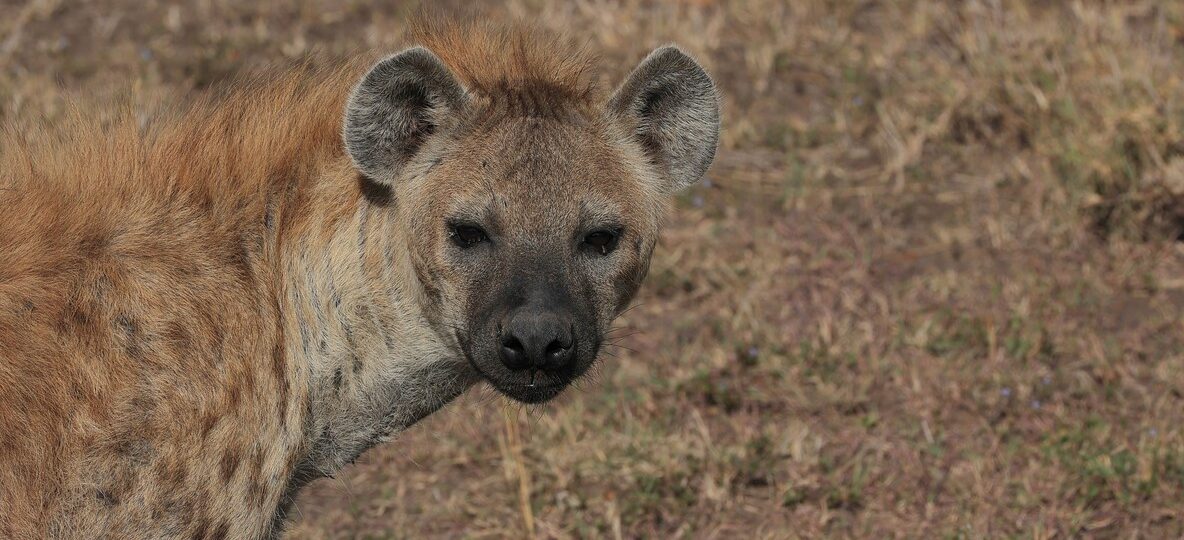
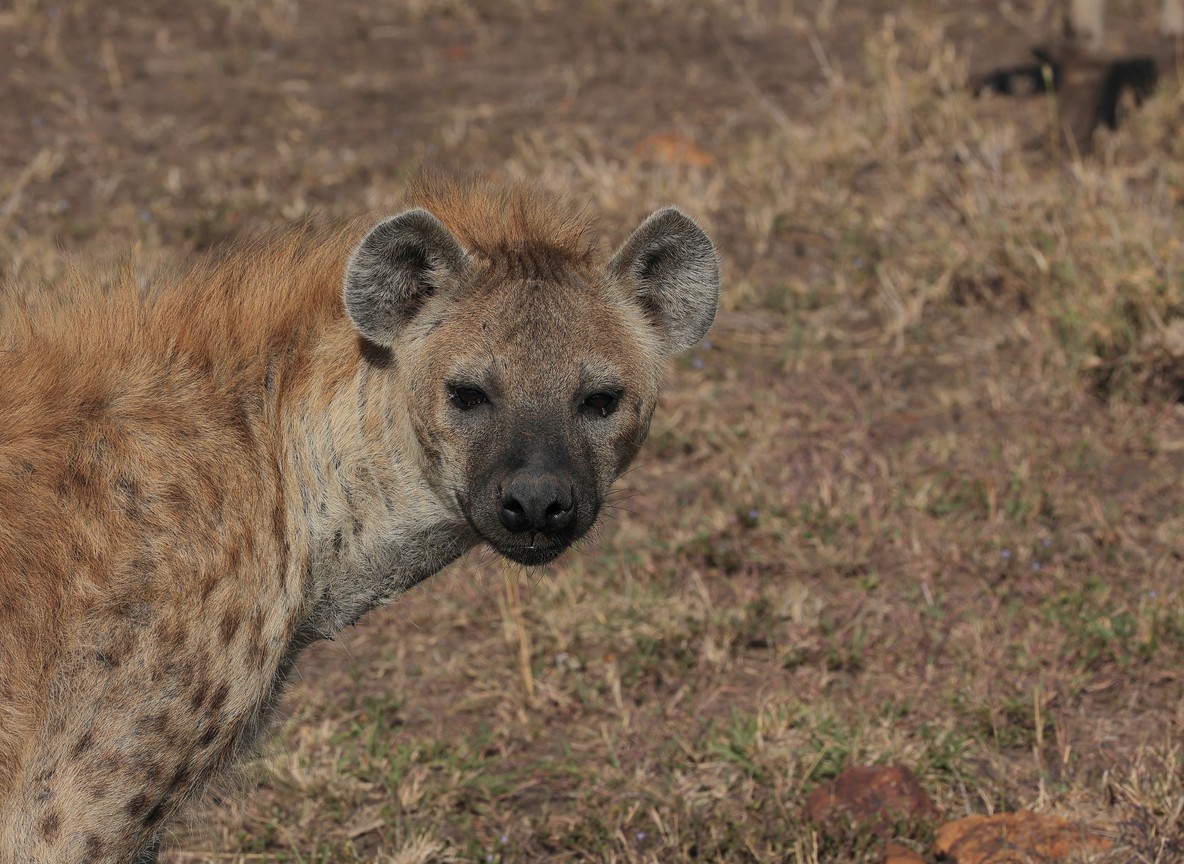
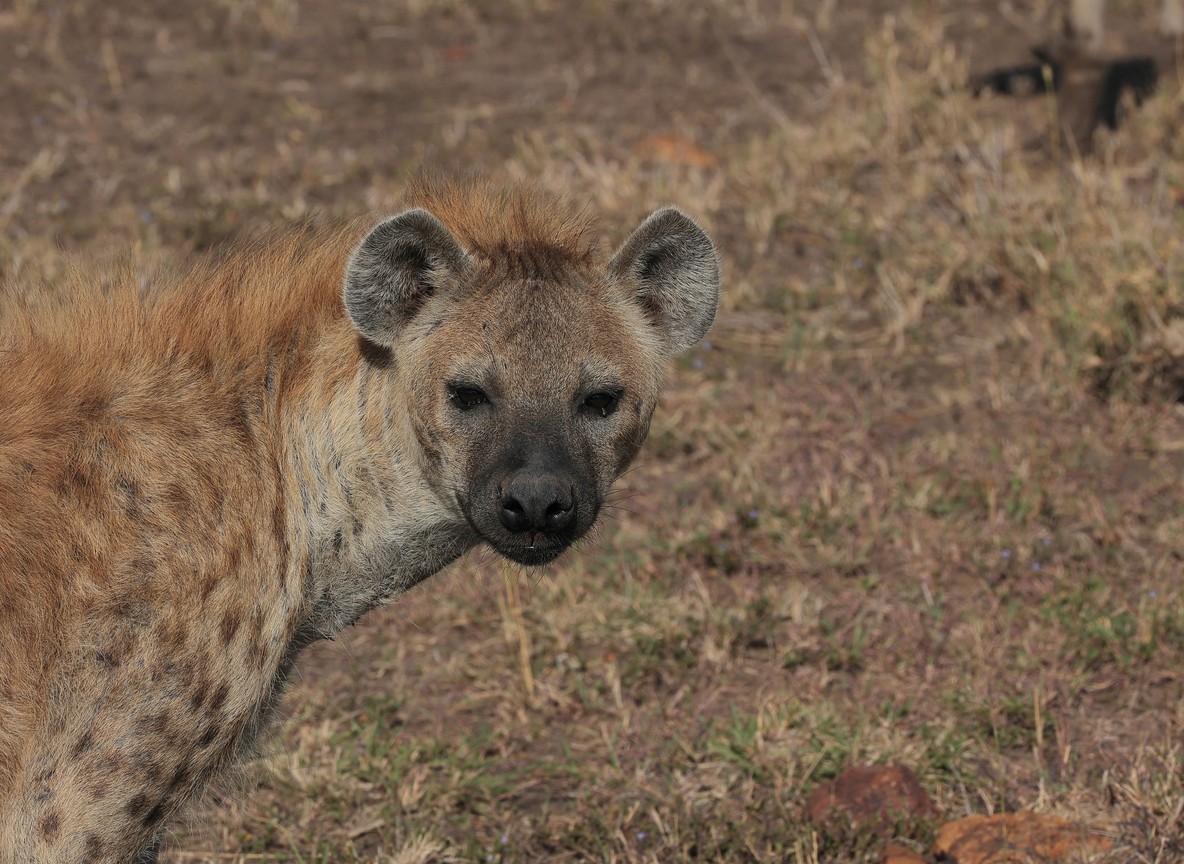
Wildebeest calving in Masai Mara: Calving runs from January through March across the Mara ecosystem. Over 8,000 calves can be born in a single day during peak calving. This concentration of vulnerable young keeps predators active and visible. Lions, cheetahs, and hyenas are well-fed, territorial, and easy to locate. Our Trunktrails Safaris guides position vehicles at respectful distances to observe predator-prey interactions, which create some of the most memorable game-drive moments of the year.
Elephant herds in Amboseli: March is prime Amboseli season. Reliable water levels push up through underground springs into the Enkongo Narok and Longinye swamps, attracting large breeding herds daily. On clear mornings, Kilimanjaro’s 5,895-metre peak rises above the swamp. This classic Amboseli image is most achievable in February and March before cloud builds consistently from April onward.
Birding window: Kenya holds over 1,100 bird species. By March, Palearctic migrants from Europe and Asia remain before heading north in April. Rift valley lakes and montane forests carry exceptional raptor, kingfisher, and wader diversity. If birding is a priority, March is one of Kenya’s strongest months. 📸
Big Five status in March:
- Lion: Excellent in Masai Mara (following calves), strong in Amboseli and Samburu
- Leopard: Good in Mara conservancy riverine zones and Samburu’s acacia woodland
- Elephant: Excellent in Amboseli, Tsavo, and Samburu
- Buffalo: Strong numbers across Masai Mara, Tsavo, and Lake Nakuru
- Rhino: Best at Ol Pejeta Conservancy, Lake Nakuru, and Solio Ranch
Is Masai Mara Worth Visiting in March?
Yes, and the calving season is the reason. The Mara’s resident predator populations are well-fed from January through March, which means lions and cheetahs are active, visible, and often photographable in open ground rather than hiding in dense bush.
Entry fees for non-resident adults run $100 per day from January through June, exactly half the July-to-December peak rate of $200 per day. A family of four spending three days in the park saves $1,200 on fees alone by choosing March over August. That is a real cost difference, not a marginal one.
The surrounding private conservancies, including Mara Naboisho (approximately 145 km²) and Olare Motorogi Conservancy (approximately 33,000-35,000 acres), offer an additional advantage. Private conservancies allow off-road driving and night game drives, which the national reserve does not permit. Trunktrails Safaris works with camps across the conservancy network. Our detailed Masai Mara in March guide covers which circuit to choose based on your camp location and interests.
🦁 Local observation from our guides: cheetah sightings in the open Mara grasslands spike during calving. Cheetah mothers with sub-adult cubs use the presence of vulnerable calves to teach hunting skills. March is one of the most reliable months for extended cheetah behaviour if that is on your wish list.
Why Is Amboseli a Strong Pick for March?
Amboseli at 392 km² is compact by Kenyan standards, which makes every game-drive hour genuinely productive. You are not spending 90 minutes crossing open scrubland before reaching wildlife. The Observation Hill circuit, the Longinye swamp, and the Enkongo Narok area can all be reached within 20 minutes of most camps.
The underground water system that feeds Amboseli’s swamps is most reliable in the months following the short rains (October-November). By March, those water levels are still strong. Large elephant breeding herds move predictably between the swamp edges and surrounding acacia woodland throughout the day.
On clear mornings, Kilimanjaro frames the elephant silhouettes from behind. The cloud window that makes that shot possible closes progressively from late March into April. If Kilimanjaro photography matters to you, March is your best month.
Our Amboseli in March guide covers gate hours, the Kilimanjaro photography window, and how to time your Nairobi departure for morning light. 🐘
What Other Parks Are Good for a March Safari?
Tsavo East and Tsavo West: Combined, Tsavo covers over 22,000 km², making it Kenya’s largest national park system. Tsavo East is remote and wild, with enormous elephant herds dusted red from the laterite soil. In March, the green-red contrast across the landscape is striking. Tsavo West adds Mzima Springs, where hippos and Nile crocodiles share crystal-clear water filtered through ancient lava, making it one of Kenya’s genuinely unusual wildlife experiences. A 5-7 day safari combining both Tsavo parks suits travellers who prefer wilderness over high-traffic game-viewing areas.
Samburu National Reserve: At 165 km², Samburu sits in Kenya’s arid north along the Ewaso Ng’iro River. March keeps the river flowing and the acacia woodland green enough to drive through. The Samburu Special Five (reticulated giraffe, Grevy’s zebra, Beisa oryx, Somali ostrich, and gerenuk) are year-round residents. No other Kenyan park offers all five. Our 7-day northern Kenya itinerary shows how to combine Samburu with Lake Turkana for a genuinely off-the-beaten-track experience.
Lake Nakuru: Two to three hours from Nairobi, Lake Nakuru National Park at 188 km² is an excellent one-night addition. Both Greater and Lesser flamingos are present year-round, and the park supports black and white rhino populations. Nakuru works well as a stopover on a Nairobi-to-Masai Mara drive, or as a standalone day trip.
How Much Does a Kenya Safari in March Cost?
March sits in the low-to-shoulder season across most Kenyan lodges. That translates into real savings on accommodation without a corresponding drop in wildlife quality.
| Budget Tier | Indicative Daily Rate (per person sharing) | Typical Parks |
|---|---|---|
| Budget (camping + budget lodges) | $180-$320 | Masai Mara, Amboseli, Nakuru |
| Mid-range (comfortable tented camps) | $350-$700 | Masai Mara, Amboseli, Tsavo |
| Premium (private conservancy camps) | $750-$1,500+ | Mara Naboisho, Olare Motorogi, Samburu private |
Rates are indicative and vary by camp, meal plan, group size, and whether road or air transfer is used. Contact Trunktrails Safaris for a tailored quote based on your specific dates and group.
A 5-day mid-range trip covering Masai Mara (3 nights) and Amboseli (2 nights) runs approximately $850-$1,500 per person including accommodation, park fees, game drives, and road transfers. Adding a private conservancy night moves the budget up, but the off-road driving access and fewer vehicles per game drive is a meaningful upgrade.
For Kenya tours and safaris priced at the premium end, March conservancy rates often drop 20-30% from peak August pricing. That difference funds an extra night in the bush.
Is March a Good Month for a Kenya Safari Overall?
Here is how March compares to the months around it:
| Month | Wildlife Quality | Crowd Level | Value | Long Rain Risk |
|---|---|---|---|---|
| January | Excellent | Low | High | None |
| February | Excellent | Low | High | None |
| March | Excellent | Low-Medium | High | Low (late month) |
| April | Good-Moderate | Very Low | Highest | High |
| May | Good | Very Low | Highest | High |
March is the last month before Kenya’s long rains change the safari character. Wildlife is concentrated, predators are active, migratory birds are still present, and costs sit well below peak rates. If you are comparing March versus April, read our Kenya safari in April guide for a full green-season trade-off analysis. For background on what the preceding months look like, our Kenya safari in February guide covers the dry-season peak in detail.
The practical caution: plan around late March’s soft tracks. Confirm your camp operates 4WD vehicles and adjusts circuits based on conditions. Trunktrails Safaris does this as standard for all Kenya tours and safaris we manage. Our Nairobi team checks conditions weekly and flags guests before travel.
The Trunktrails Advantage
Trunktrails Safaris is a native Kenyan-owned operator based in Nairobi. We have guided safaris through every month of the Kenya calendar, and we know what March actually delivers versus what brochures claim.
When you book a March safari through Trunktrails Safaris, you get:
- Tailor-made itineraries: no fixed group packages. Your trip is built around your dates, interests, budget, and group size.
- Direct operator access: no agencies, no middlemen. You communicate directly with our Nairobi team, available 24/7 via WhatsApp for the full duration of your trip.
- On-the-ground intelligence: our guides report weather and wildlife conditions weekly. If late-March rains threaten a Mara circuit, we adjust before you land.
- Conservation contribution: 5% of every booking supports Kenya wildlife conservation, including community conservancy programmes in the Mara ecosystem.
- All budget tiers welcome: from comfortable camping to private conservancy suites. We match your experience to your priorities, not what is easiest for us to sell.
The difference between booking through Trunktrails Safaris and an overseas packaged-tour agency is direct local knowledge, genuine flexibility, and a team whose guides live in the parks they recommend. That is what native Kenyan ownership means in practice.
Ready to Book Your Kenya Safari in March with Trunktrails Safaris?
March fills up faster than most travellers expect. Calving season, green season photography, and low-season pricing attract a growing number of repeat safari visitors who have learned not to compete with August crowds. If your dates fall in March, the window to secure quality camps at the best rates is now.
At Trunktrails Safaris, we design every Kenya safari in March around your group, your priorities, and what you want to come home remembering. No generic itineraries. Just direct access to a team that knows Kenya from the inside out.
Further reading
More safari planning resources
- Best time to visit Kenya month-by-month map from Valley Safaris
- Best time to visit Kenya on Touring Insights
- Big Five safari collection on FindMySafari
- Interactive Maasai Mara map from Valley Safaris
📞 WhatsApp: +254 113 208888 📧 Email: info@trunktrailssafaris.com 🌍 Website: https://trunktrailssafaris.com