7 Reasons Kenya Is Still the World’s Best Safari Country in 2026
If you are still asking why Kenya is best safari country for 2026, the short answer is simple. No other country packs this much wildlife, landscape variety and easy access into one trip. From the wildebeest herds of the Masai Mara to the rhino sanctuaries of Laikipia, Kenya delivers a safari experience that is hard to match anywhere else on the continent. At Trunktrails Safaris, we build custom tours and safaris across these exact landscapes every week, and the numbers below explain why travelers keep choosing Kenya over every rival destination.
This guide breaks down seven concrete reasons Kenya holds its title, backed by real distances, fees and named camps rather than vague claims. Whether you are planning your first trip or your fifth, these facts will help you see why Trunktrails Safaris keeps sending guests back to Kenya year after year. 🦁
1. The Great Migration Still Calls the Masai Mara Home
Roughly 1.5 million wildebeest and 250,000 zebra cross from the Serengeti into the Masai Mara National Reserve between July and October each year, drawn north by fresh grass after the short rains. The Mara River crossings, especially near Lookout Hill and Purungat, remain the single most dramatic wildlife spectacle on Earth. The Masai Mara National Reserve covers 1,510 square kilometers, and the surrounding conservancies such as Naboisho, Mara North and Olare Motorogi add another 1,400 square kilometers of low-density, high-quality game viewing.
Camps like Angama Mara, Governors’ Camp and Mara Serena Safari Lodge sit within a short drive of the crossing points, giving guests a genuine shot at witnessing the event rather than just reading about it. Trunktrails Safaris times its Mara tours and safaris around these crossing windows every season, usually recommending late August through mid-September for the highest concentration of crossings at the Mara River itself.
Even outside migration months, the Mara ecosystem holds resident wildebeest, zebra and giraffe herds year-round, so a Trunktrails Safaris itinerary booked in February or May still delivers strong game viewing, just without the river drama.
2. More Wildlife Density Per Square Kilometer
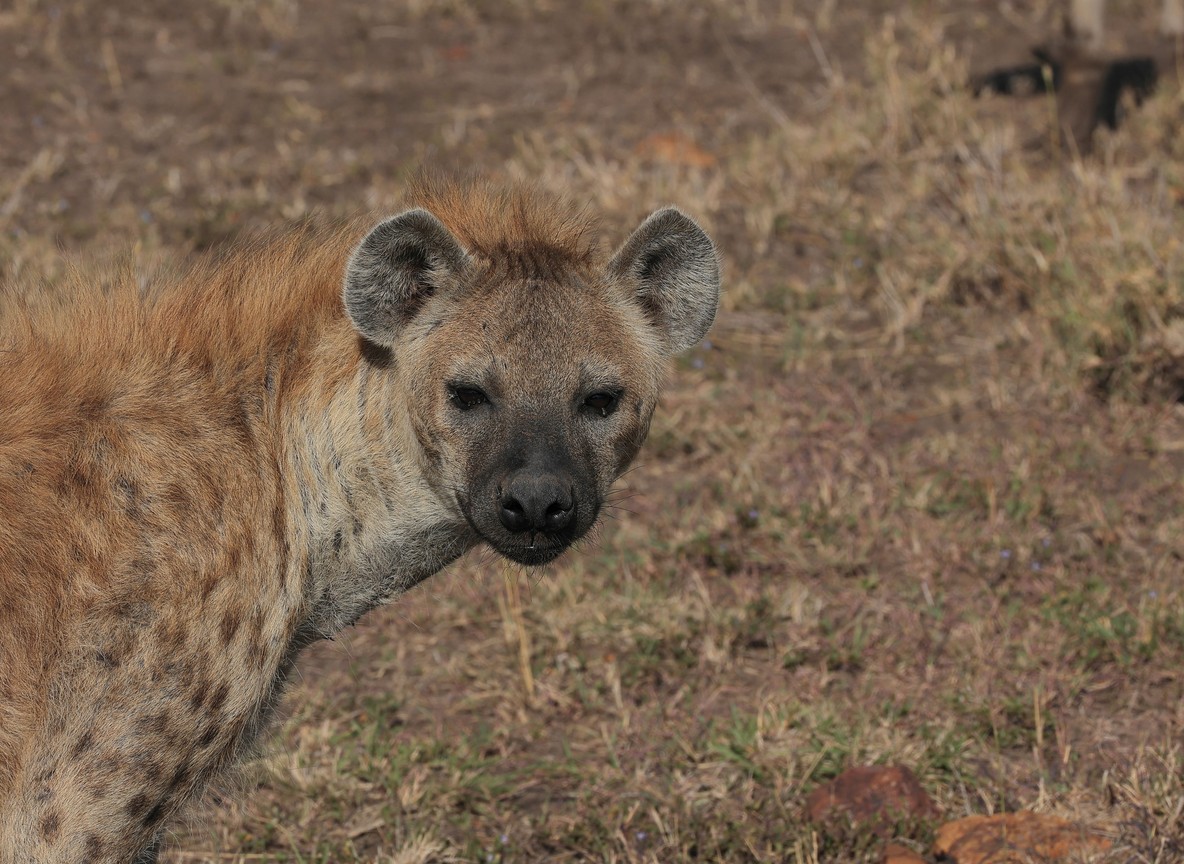
Kenya’s 2023 national wildlife census recorded roughly 36,280 elephants and 36 lion prides monitored across major ecosystems, alongside growing populations of both black and white rhino. Few countries combine this density of the Big Five with such open terrain for viewing. The Masai Mara alone supports an estimated 25 to 30 lion prides, giving visitors a realistic chance of multiple sightings in a single game drive.
This is a core part of why Kenya is best safari country for travelers who want more than a checklist. You are not hoping for one sighting a day. You are often choosing between three or four.
Amboseli National Park adds another layer to this density story. Its swamps hold one of Africa’s most studied elephant populations, with researchers tracking more than 1,600 individually named elephants since the 1970s, giving guides detailed family history on the herds you meet on a single game drive.
3. Easier and Cheaper to Reach Than Rival Destinations
Kenya’s safari circuit is built around Jomo Kenyatta International Airport (NBO) and Wilson Airport, both in Nairobi, with short domestic hops to nearly every reserve. The table below compares real travel times, park fees and distances against the two other major safari nations.
| Factor | Kenya (Masai Mara) | Tanzania (Serengeti) | South Africa (Kruger) |
|---|---|---|---|
| Distance from capital/hub city | 270 km from Nairobi | 335 km from Arusha | 450 km from Johannesburg |
| Drive time | 5 to 6 hours | 6 to 7 hours | 5 to 6 hours |
| Flight time from hub | 45 minutes (Wilson Airport) | 1 hour (Arusha Airport) | 1 hour (OR Tambo) |
| Non-resident park fee (per day) | USD 80 to 200 (Mara Triangle vs Narok County) | USD 70 to 82 (Serengeti) | USD 26 to 36 (Kruger, indicative) |
| Reserve size | 1,510 km2 (reserve only) | 14,750 km2 | 19,485 km2 |
| Peak migration months | July to October | December to July (rotating) | Year-round resident game |
Kenya’s shorter flight connections from Nairobi mean less time lost to transit and more time on game drives, which matters on a 5 to 7 day itinerary. Most nationalities can also apply for a Kenya eTA online in under 3 business days for a fee of USD 30, which is faster than several rival visa processes on the continent.
4. Conservation Success Stories You Can Actually Visit
Kenya is home to some of Africa’s best-documented rhino recovery programs. Ol Pejeta Conservancy in Laikipia spans about 364 square kilometers and protects the last two northern white rhinos on Earth alongside more than 160 black rhinos, the largest black rhino sanctuary in East Africa. Lewa Wildlife Conservancy, a UNESCO World Heritage Site covering roughly 250 square kilometers, has helped grow Kenya’s black rhino population from fewer than 300 animals in the 1980s to more than 1,000 today nationwide.
These are not abstract conservation statistics. Guests on Trunktrails Safaris itineraries can walk the same ground as anti-poaching units and meet the rangers behind these numbers, which is a different kind of safari story than a standard game drive.
5. A Safari for Every Traveler and Budget
Kenya offers everything from budget mobile camping tours and safaris to private-villa luxury stays, often within the same national park boundary. A family can book a mid-range lodge in Amboseli National Park, 392 square kilometers at the base of Mount Kilimanjaro, for roughly USD 250 to 450 per person per night indicative, while a honeymoon couple can book a private plunge-pool suite at a camp like Wilderness Mara Villas for USD 800 plus per night indicative. Both itineraries include the same access to elephant herds against Kilimanjaro’s backdrop.
This range lets Trunktrails Safaris design tours and safaris around real budgets instead of forcing every traveler into one price tier. A typical 6-night, 3-park Kenya circuit combining the Masai Mara, Lake Nakuru and Amboseli runs roughly USD 1,800 to USD 3,500 per person indicative on a mid-range plan, including domestic flights, park fees and full-board accommodation, though exact costs shift with season and camp choice.
6. World-Class Camps and Lodges Across Every Landscape
Kenya’s camps are spread across genuinely different ecosystems rather than one repeated savanna scene. Samburu National Reserve, 165 square kilometers along the Ewaso Nyiro River, offers dry, rust-colored terrain and species found nowhere else in Kenya, including the Grevy’s zebra and reticulated giraffe. Tsavo East and Tsavo West together cover more than 20,000 square kilometers of red-earth wilderness, the largest protected area in the country. Lake Nakuru National Park, 188 square kilometers, is a short 3-hour drive from Nairobi and known for its flamingo-lined shores and rhino sanctuary.
No single trip needs to repeat the same view twice, which keeps repeat travelers coming back to book new tours and safaris with Trunktrails Safaris almost every year. 🌍
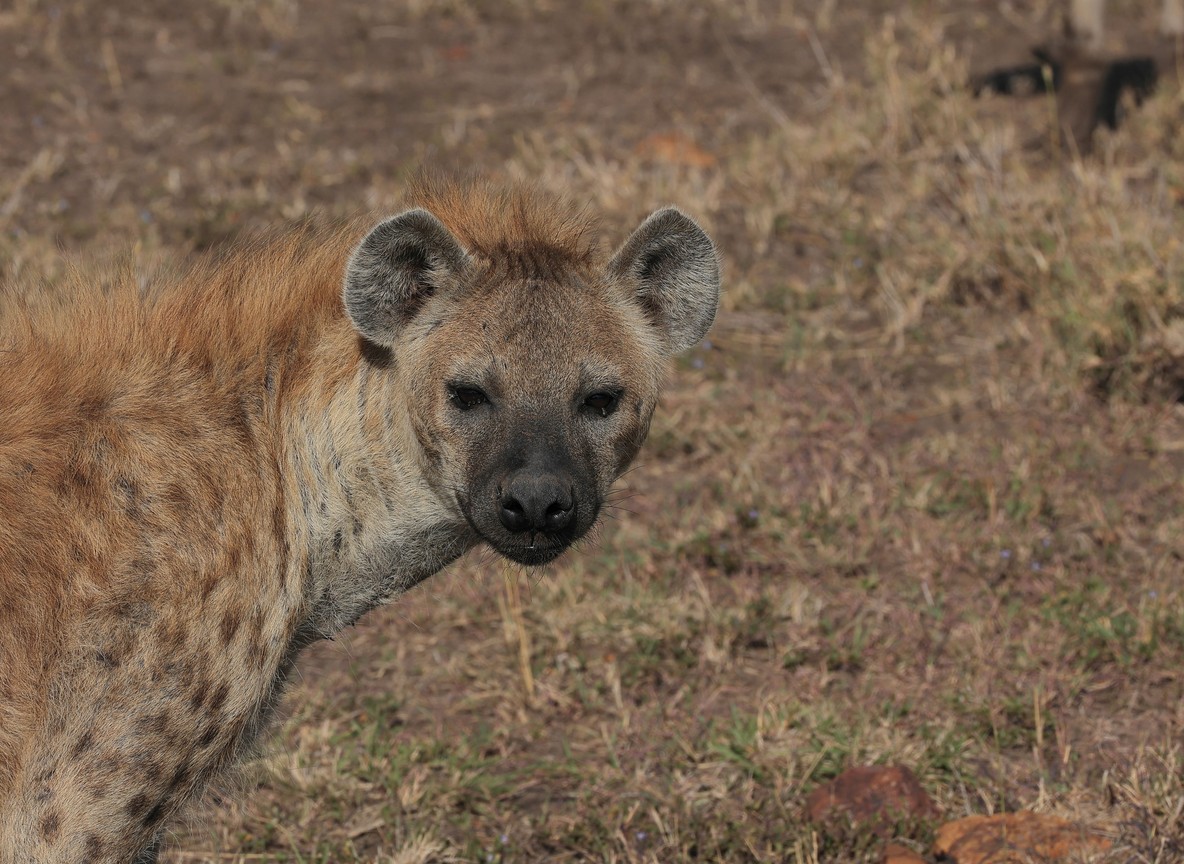
Beyond the big-name parks, Kenya’s private conservancies such as Naboisho and Ol Kinyei operate on a strict bed-to-land ratio, often one guest bed per 350 acres or more, which limits vehicle numbers at every sighting and keeps the experience closer to a private reserve than a crowded public park.
7. A Safari Industry Built by Kenyans, For the World
Kenya’s safari sector is staffed overwhelmingly by Kenyan guides, trackers and camp managers who grew up near these ecosystems. That local knowledge shows up in small details, like knowing which acacia grove a leopard favors at dusk or which riverbank the crossing herds will choose next. Trunktrails Safaris is a proudly Kenyan-owned operator, and our guides bring that same generational knowledge to every itinerary we build. 📸
The Trunktrails Advantage
Trunktrails Safaris exists to turn these seven reasons into a real itinerary, not just a list of facts. Here is what sets our tours and safaris apart:
- Kenyan-owned and Kenyan-guided, with teams who know these parks personally, not just professionally
- Custom pacing across the Masai Mara, Amboseli, Samburu, Tsavo and Laikipia based on your budget and travel dates
- Direct relationships with camps like Angama Mara, Governors’ Camp and Ol Pejeta Conservancy for accurate availability
- Transparent, indicative pricing with no hidden park fee surprises once you are on the ground
- Conservation-first routing that supports rhino sanctuaries and community conservancies, not just headline parks
Every Trunktrails Safaris itinerary is built around when you want to travel, what you want to see and what your budget actually allows, not a fixed template.
Ready to See Kenya for Yourself?
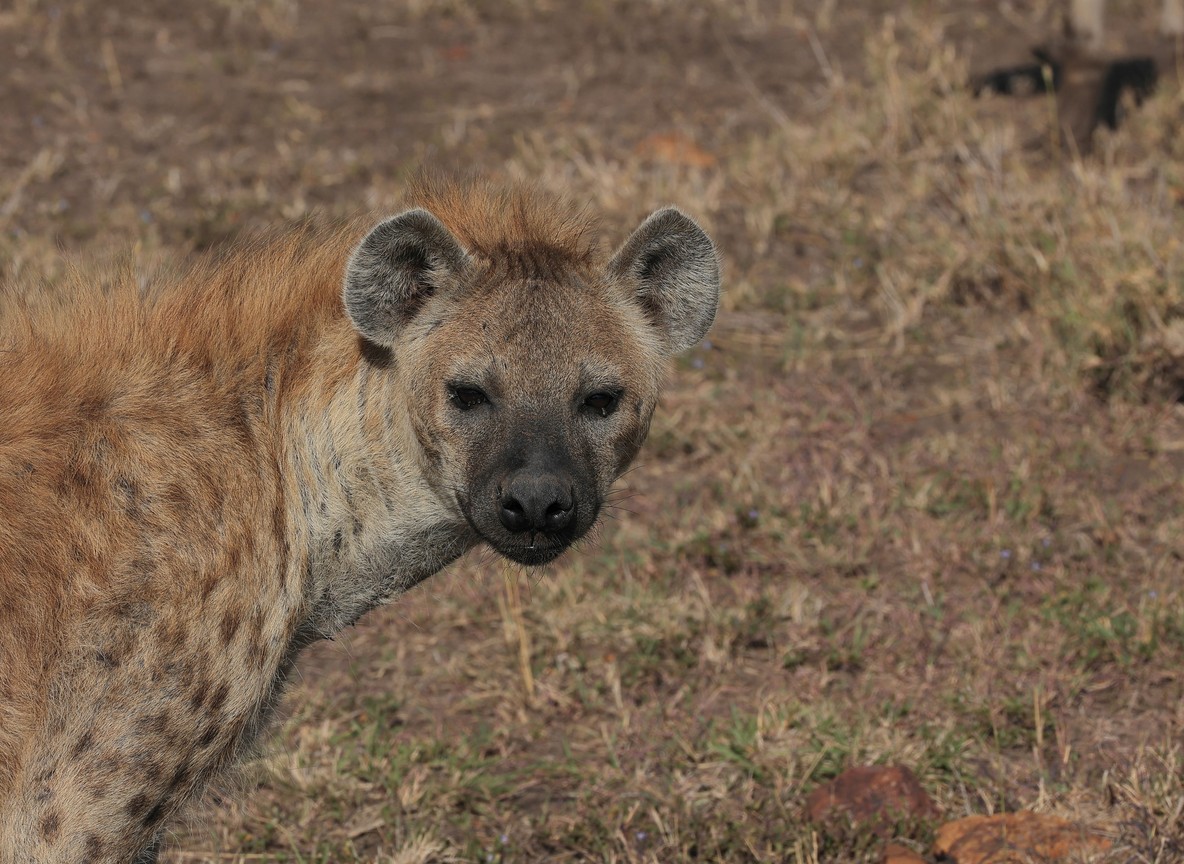
The numbers above explain why Kenya is best safari country for 2026, but the only way to really understand it is to stand on the Mara River bank during a crossing or watch a rhino graze at Ol Pejeta at sunset. 🌅 Trunktrails Safaris is ready to build that trip around your dates, your budget and your bucket list.
Further reading
More safari planning resources
- Kenya national parks map from Valley Safaris
- Maasai Mara National Reserve guide on Touring Insights
- Big Five safari collection on FindMySafari
- Interactive Maasai Mara map from Valley Safaris
Message us on WhatsApp at +254 113 208888 or email info@trunktrailssafaris.com to start planning your Kenya tours and safaris today. Visit trunktrailssafaris.com to see full itineraries and start the conversation now, before peak migration season books out.