Kalama Conservancy Kenya: Inside Samburu’s Most Expansive Community-Powered Safari 🦒
The kalama conservancy kenya travelers keep asking about is not a national park at all. It is one of the largest community-owned wildlife areas in the country, spanning roughly 240,000 acres of Samburu rangeland, and it is entirely run by the Samburu people who live on it. If you want a safari that pairs real wildlife sightings with genuine community ownership, Kalama belongs on your Northern Kenya itinerary alongside the more familiar Samburu National Reserve.
At Trunktrails Safaris, we route guests through Kalama specifically because it delivers something a fenced reserve cannot: direct contact with the community whose land, income and conservation decisions sustain the wildlife corridor. Here is what makes this conservancy worth the extra hours north, and how to plan tours and safaris around it properly.
What Is Kalama Conservancy?
Kalama Community Conservancy sits in Samburu County, bordering the Ewaso Ng’iro River corridor that also feeds Samburu National Reserve and Buffalo Springs National Reserve. It is a member conservancy of the Northern Rangelands Trust (NRT), a network of community-run conservancies across northern and coastal Kenya. Local Samburu families own the land collectively, set their own grazing and tourism rules, and receive a direct share of lodge and conservancy fee revenue.
Unlike a government-managed reserve, every decision inside Kalama, from anti-poaching patrols to where a new camp can be built, runs through a community board made up of local elders and elected representatives. That structure is the whole reason the conservancy exists in its current form, and it is why a strong kalama community conservancy visit always includes some cultural context alongside game drives.
NRT itself now supports dozens of member conservancies stretching from Samburu County through Marsabit and down to the Kenyan coast, and Kalama was among the earlier conservancies to join that network. The model has since become a reference point for community-led conservation across East Africa, largely because the revenue-sharing structure gives local families a direct financial reason to protect wildlife corridors rather than convert them to grazing or settlement land.
Kalama vs Samburu National Reserve: What Actually Differs
Travelers often assume a conservancy is just a smaller, private version of the reserve next door. The differences run deeper than size.
| Detail | Kalama Conservancy | Samburu National Reserve |
|---|---|---|
| Management | Community-owned, Northern Rangelands Trust member | County-run public reserve |
| Approx. size | 240,000 acres (approx. 971 km²) | approx. 165 km² |
| Distance from Nairobi | approx. 325 km / 5-6 hrs drive, or 1-hr flight to Samburu airstrip | approx. 325 km / 5-6 hrs drive |
| Main access point | Kalama gate, reached via Archer’s Post | Archer’s Post Gate |
| Signature camp | Saruni Samburu (6 guest villas) | Multiple lodges along the Ewaso Ng’iro River |
| Night drives and walks | Permitted | Not permitted |
| Indicative fee structure (2026) | approx. USD 40-60/night conservancy fee, usually bundled into camp rates | approx. USD 100/day non-resident park fee |
Fees are indicative ranges and vary by camp and season. Trunktrails Safaris confirms exact conservancy and park fees at the time of booking so nothing surprises you at the gate.
The biggest practical advantage of a samburu community conservancy safari is activity flexibility. Because Kalama is not KWS-managed, camps can run night game drives and walking safaris, two experiences that are simply off-limits inside the neighboring reserve.
Wildlife You Can See in Kalama Conservancy
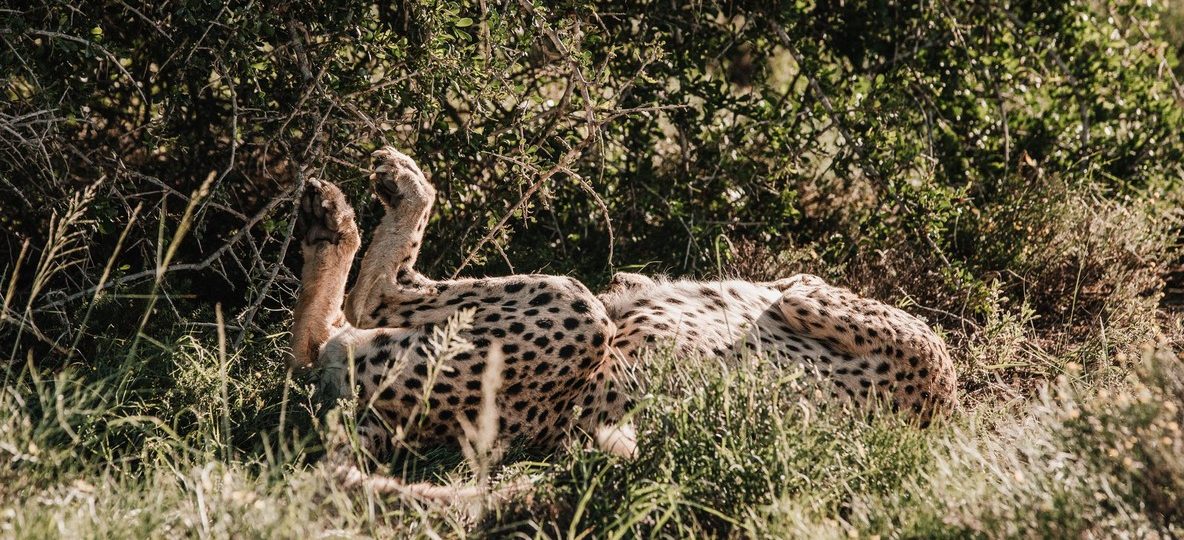
Kalama sits within the dry, Ewaso Ng’iro-fed ecosystem that gives Samburu its distinctive wildlife list. Expect strong sightings of the Samburu Special Five: Grevy’s zebra, reticulated giraffe, gerenuk, Beisa oryx and Somali ostrich, species rarely seen together outside this corner of Kenya. Elephants move through Kalama in large numbers, especially along seasonal river drainages, and leopard sightings are consistent thanks to lower vehicle density than the main reserve.
Because Kalama borders both Samburu National Reserve and Westgate Conservancy, wildlife moves freely across the three areas. A morning drive inside the conservancy can easily connect with an afternoon crossing into reserve territory, giving your tours and safaris itinerary more ground to cover without more driving time.
Bird life is equally strong along the Ewaso Ng’iro drainage lines that cut through Kalama, with vulturine guineafowl, martial eagles and a wide range of hornbills regularly spotted from camp verandas as well as from the vehicle. Guests focused on photography often find the lower vehicle density inside the conservancy gives cleaner sightlines than the busier sections of the main reserve during peak months.
Samburu Warriors as Your Safari Guides
One detail sets Kalama apart from almost any reserve-based safari: many guides are Samburu warriors, trained through community programs that combine traditional tracking knowledge with professional guiding certification. A samburu warriors safari guides experience means your driver-guide can point out lion tracks by scent disturbance in the sand, explain grazing rotation decisions the community made that season, and translate bird calls that most safari guides would simply miss.
This is not a staged cultural add-on. It is the conservancy’s actual guiding workforce, and it changes the texture of a game drive from spotting animals to understanding the landscape they depend on.
Where to Stay: Saruni Samburu and Beyond
Saruni Samburu, run through the Saruni Basecamp portfolio, was the pioneer lodge built inside Kalama and remains its signature camp, with six guest villas set into a rocky outcrop overlooking the conservancy. The property also runs a Warrior Academy program, where guests spend time learning tracking and bush skills directly from Samburu guides rather than watching a demonstration from a distance.
A saruni samburu kalama stay works well as a two to three night segment within a longer Northern Kenya route. Trunktrails Safaris typically pairs it with a reserve-based lodge inside Samburu National Reserve or Buffalo Springs, so guests experience both the classic reserve game drive and the conservancy’s community-led programming in one trip.
Best Time to Visit Kalama Conservancy
- June to October: dry season, strongest wildlife concentration near remaining water sources
- January to March: warm and dry, good visibility, lower visitor numbers than peak season
- November to December: short rains bring green scenery and active bird life
- April to May: long rains, some roads soften, but rates often drop and camps stay open
Because night drives and walking safaris depend on ground conditions, Trunktrails Safaris checks conservancy activity status for your exact travel dates before confirming an itinerary.
Pairing Kalama With Other Northern Kenya Destinations
A well-built northern rangelands trust conservancy itinerary rarely stops at one conservancy. Kalama connects naturally with:
- Samburu National Reserve and Buffalo Springs, for classic Ewaso Ng’iro riverine game drives
- Westgate Conservancy, directly bordering Kalama, for extended community-land wildlife corridors
- Namunyak Conservancy and the Mathews Range, for travelers extending north toward Marsabit or Lake Turkana
Each option changes the balance between reserve-style density and conservancy-style depth. Trunktrails Safaris builds the sequence around your available nights and top wildlife priorities.
The Trunktrails Advantage
Booking a community conservancy safari well means understanding who benefits from your visit and how the logistics actually work on the ground, and that is where Trunktrails Safaris does the heavy lifting. As a Kenyan-owned operator, our guides have direct relationships with Samburu conservancy staff, not a distant booking agent’s version of them.
When you book tours and safaris with Trunktrails Safaris through Kalama, your conservancy fees are confirmed and paid correctly so the community sees the full benefit of your visit. We sequence your route so a Kalama stay connects smoothly with Samburu National Reserve or Buffalo Springs without wasted transfer time, and we brief you honestly on what night drives, walking safaris and cultural programs are actually available for your travel dates. Every itinerary we build treats community ownership as a strength to highlight, not a detail to gloss over.
Frequently Asked Questions
Is Kalama Conservancy the same as Samburu National Reserve? No. Samburu National Reserve is a county-run public reserve. Kalama is a separately managed, community-owned conservancy bordering it, with its own rules on activities like night drives and walking safaris.
How do conservancy fees work at Kalama? Conservancy fees are typically bundled into your camp’s nightly rate rather than paid separately at a gate. Trunktrails Safaris confirms the exact indicative range for your dates before booking.
Can I combine Kalama with a Samburu National Reserve safari? Yes. Most itineraries pair a two to three night Kalama stay with time inside Samburu National Reserve or Buffalo Springs, since all three areas share the same wildlife corridor.
Is Kalama good for a first-time Kenya safari? Yes, especially for travelers who want cultural depth alongside wildlife. First-timers focused purely on high-volume sightings in a short window may prefer starting with the reserve itself.
Ready to Experience Community-Powered Safari in Samburu? 🌍
Kalama Conservancy shows what a safari looks like when the community on the land controls its own future and shares directly in what your visit generates. Few experiences in Kenya combine warrior-led guiding, genuine conservation ownership and Samburu Special Five wildlife as naturally as this conservancy does.
Further reading
More safari planning resources
- Map of Samburu from Valley Safaris
- Samburu National Reserve guide on Touring Insights
- Samburu destination guide on FindMySafari
- Kenya national parks map from Valley Safaris
Message Trunktrails Safaris on WhatsApp at +254 113 208888 or email info@trunktrailssafaris.com to build a Kalama itinerary around Saruni Samburu, the surrounding reserves, and the exact nights that work for your trip. We handle the conservancy fees, the routing and the timing so all you do is show up ready to track. 📸