
7-Day Northern Kenya Safari Itinerary: Samburu to Matthews Range to Namunyak
A northern Kenya safari itinerary that links three ecosystems in one trip is rare, and this one earns its place. Seven days takes you from the Ewaso Nyiro river plains of Samburu National Reserve, up into the forested Matthews Range, and deep into the community-owned Namunyak Wildlife Conservancy. Few travelers reach this circuit, which is exactly why it delivers. 🌍
Trunktrails Safaris builds tours and safaris through this exact route for guests who want the wild north without the crowds of the southern circuit. This guide lays out the real distances, fees, camps, and a day-by-day plan so you can see what seven days here actually looks like.
Why This Northern Kenya Safari Itinerary Works
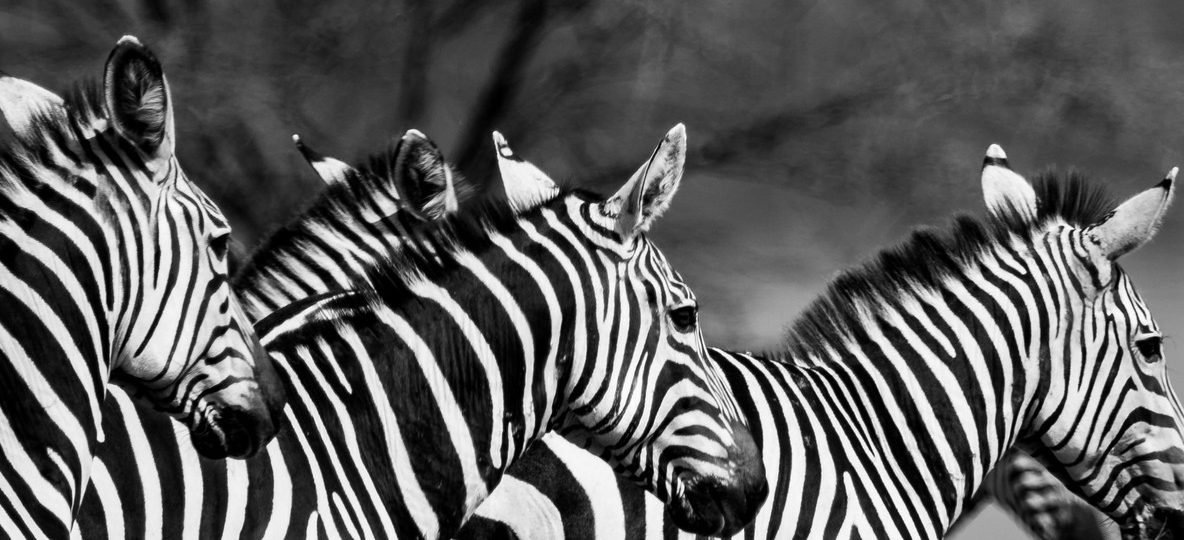
Most first-time visitors to Kenya land in the southern safari circuit. Northern Kenya is a different country in feel. The landscape is drier, redder, and more dramatic, the wildlife is different (Grevy’s zebra, reticulated giraffe, gerenuk, and Somali ostrich instead of wildebeest), and the camps are smaller and more private. Linking Samburu, the Matthews Range, and Namunyak in one northern Kenya safari itinerary means you get river-plain game drives, mountain forest, and community conservancy wilderness in a single week, without doubling back.
This route also supports conservation directly. Namunyak and Kalama are community-owned conservancies, so your camp fees and conservancy fees fund local Samburu livelihoods and anti-poaching work rather than sitting inside a national park budget alone. It is also one of the more requested northern routes among our tours and safaris, precisely because so few operators run it well.
The Key Facts First
Here is the concrete planning data for this circuit. Prices are indicative 2026 ranges that shift by season and camp, so treat them as a guide and confirm at time of booking.
| Planning Factor | Detail |
|---|---|
| Region | Samburu, Matthews Range, Namunyak, northern Kenya |
| Samburu National Reserve size | 165 km2 |
| Buffalo Springs National Reserve | 131 km2 |
| Namunyak Wildlife Conservancy size | approx 850,000 acres (about 3,440 km2) |
| Matthews Range highest peak | Warges, approx 2,375 m |
| Main river | Ewaso Nyiro (also spelled Uaso Nyiro) |
| Drive Nairobi to Archer’s Post gate | approx 325 km, 5.5 to 6.5 hours |
| Drive Samburu to Sarara / Namunyak | approx 90 to 100 km via Wamba, 2.5 to 3.5 hours (4×4 required) |
| Bush flight Wilson Airport to Kalama/Samburu airstrip | approx 1 hour |
| Bush flight Wilson Airport to Sarara airstrip | approx 1 hour 15 minutes |
| Samburu National Reserve entry fee (non-resident) | approx USD 70 to 80 per adult per 24 hours (indicative) |
| Namunyak / Kalama conservancy fee | approx USD 50 to 80 per person per night (indicative, usually bundled in camp rate) |
| Indicative camp cost, full board | approx USD 350 to 900 per person per night |
| Best months | June to October and December to March |
| Samburu Special Five | Grevy’s zebra, reticulated giraffe, gerenuk, Somali ostrich, beisa oryx |
Day 1 to 2: Samburu National Reserve
Fly from Nairobi’s Wilson Airport into the Kalama or Samburu airstrip, or drive up via Nanyuki and Isiolo to the Archer’s Post gate. Your first two days sit inside Samburu National Reserve and the adjoining Buffalo Springs National Reserve, both hugging the Ewaso Nyiro river.
Morning and evening game drives target the Samburu Special Five, species you will not see on the southern safari circuit. Camps like Elephant Bedroom Camp and Saruni Samburu sit right on the riverbank, so elephants often pass through camp at dusk. Expect two nights here, four game drives, and a strong shot at leopard along the river’s doum palm groves.
Day 3: Drive North to the Matthews Range
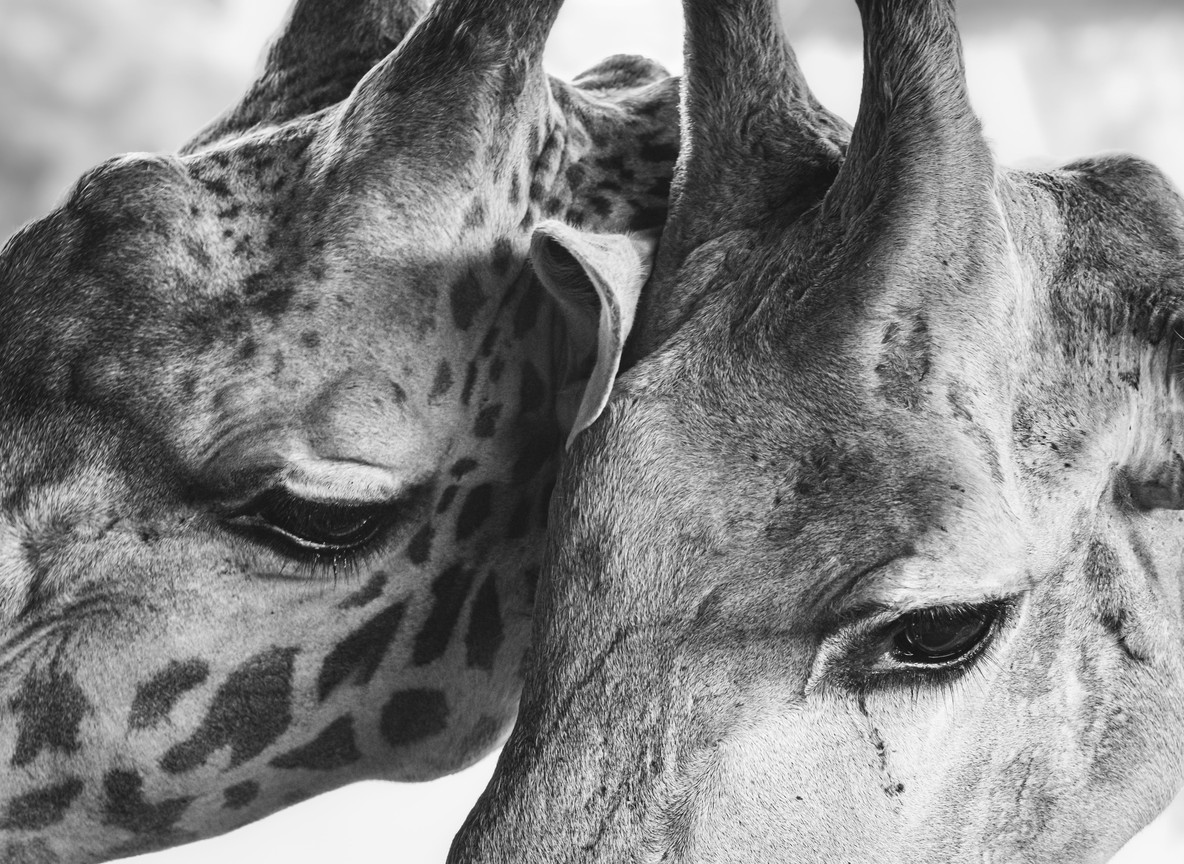
Day three is a transfer day, and it is one of the best drives in Kenya. Leaving the reserve, the road climbs through Wamba town and the landscape shifts from dry river plain to the green, forested slopes of the Matthews Range (known locally as Ol Doinyo Lenkiyio). The drive covers roughly 90 to 100 km and takes 2.5 to 3.5 hours in a 4×4, longer after rain.
This transition is the heart of what makes a northern Kenya safari itinerary worth building. You move from semi-arid savannah to a forested mountain range in half a day, with Samburu herders and their livestock along the route the whole way.
Day 4 to 6: Namunyak Wildlife Conservancy and Sarara
Three nights based at Sarara Camp inside Namunyak Wildlife Conservancy gives you time for the region’s best activities. This community-owned conservancy spans roughly 850,000 acres at the foot of the Matthews Range, and it is run in partnership with the Namunyak Trust and local Samburu communities.
Reteti Elephant Sanctuary. Africa’s first community-owned and run elephant orphanage sits inside Namunyak. Visit the morning feed to watch rescued elephant calves, cared for entirely by local Samburu keepers, before they are released back into the wild herds of the conservancy.
Sarara Singing Wells. At certain times of year, Samburu herders lower their cattle to hand-dug wells and sing traditional watering songs while drawing water by hand, a practice unique to this part of Kenya.
Walking safaris and camel treks. Namunyak’s low-density model allows for guided walks and camel-supported treks toward the Matthews Range forest line, well beyond what a vehicle-only safari covers.
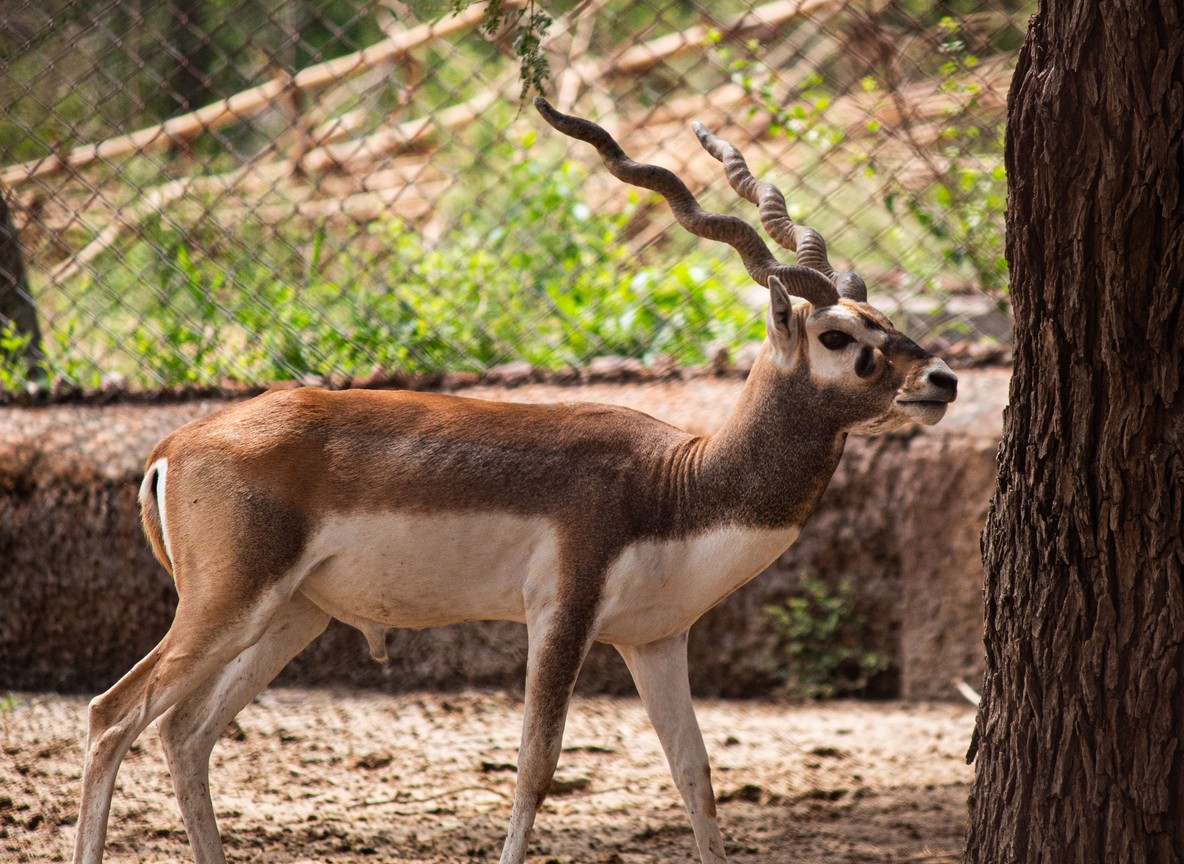
Sarara Camp is known for a swimming pool that looks directly onto an active elephant waterhole, a detail that sums up how different this circuit feels from a standard lodge safari.
Day 7: Return to Nairobi
Fly out from the Sarara airstrip back to Wilson Airport, roughly 1 hour 15 minutes, or drive back down through Samburu to Nanyuki and on to Nairobi if you have the extra day. Either way, you leave with a week that covered three distinct ecosystems most visitors to Kenya never see in one trip.
Samburu vs Matthews Range vs Namunyak: What Each Leg Delivers
Each stop on this route plays a different role. Here is how they compare.
| Factor | Samburu National Reserve | Matthews Range | Namunyak Conservancy |
|---|---|---|---|
| Landscape | Dry river plain, doum palms | Forested mountain range, up to 2,375 m | Semi-arid lowland to forest edge |
| Wildlife focus | Special Five, elephant, leopard | Forest birds, mountain bongo range (rare) | Elephants, Reteti orphanage, cultural sites |
| Activities | Game drives, river crossings | Trekking, forest walks | Walking safaris, camel treks, singing wells |
| Governance | National reserve (county-managed) | Community land, Samburu owned | Community conservancy (Namunyak Trust) |
| Typical stay | 2 nights | Transit / day stop | 2 to 3 nights |
| Best fit for | First northern Kenya stop, guaranteed sightings | Scenic transfer, forest contrast | Deep immersion, conservation, culture |
Combining all three in one northern Kenya safari itinerary is what separates this route from a single-park safari. You get the reliable game viewing of a national reserve and the intimacy of a private community conservancy in the same week.
Best Time to Go
Timing shapes this whole route, since several transfer roads turn to mud in the rains.
June to October (long dry season). The strongest window for the full circuit. Roads to Namunyak are firm, river crossings are easy, and wildlife concentrates near the Ewaso Nyiro.
December to March (short dry season). Also strong, hot and clear with excellent visibility and good light for photography.
Avoid late March through May. The long rains flood riverbeds, and the Samburu to Namunyak transfer road can become impassable without a serious 4×4 and local guide. Some camps close or scale back operations during this window.
What to Pack and How to Prepare
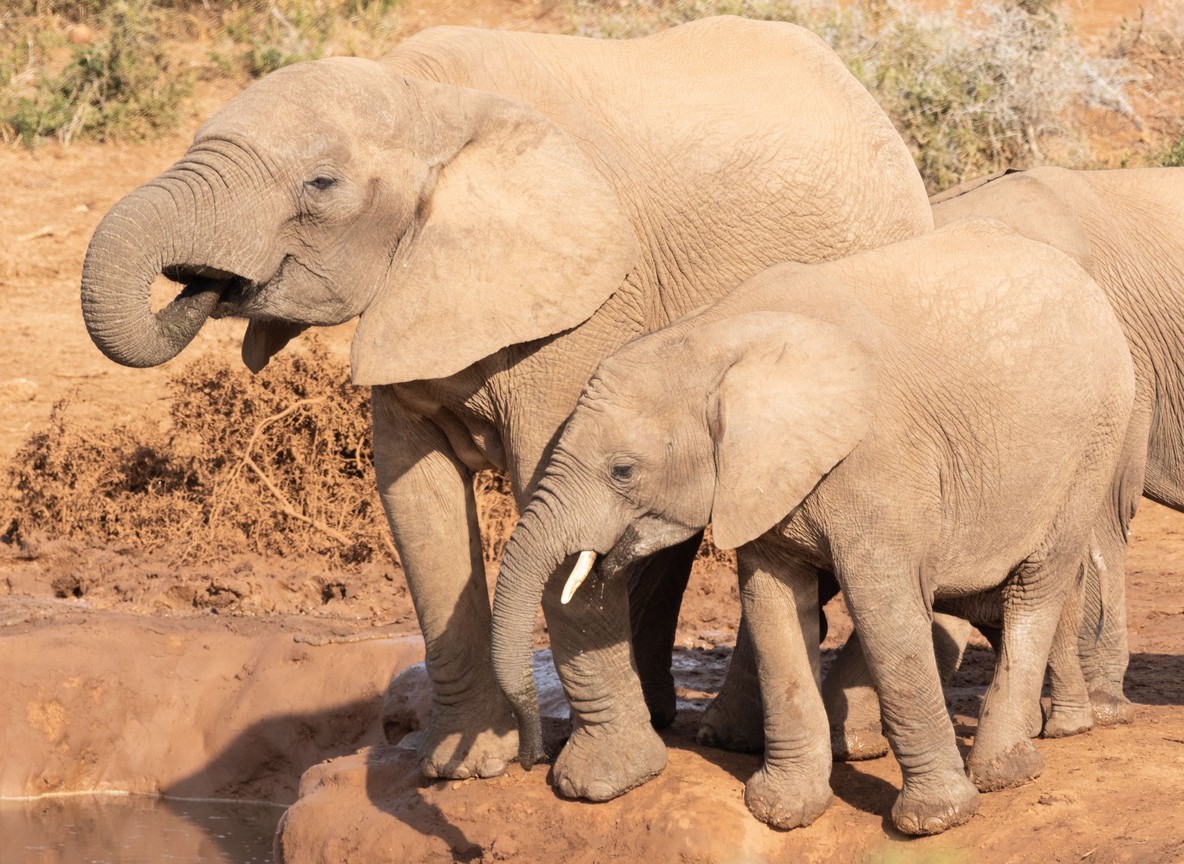
Northern Kenya runs hotter and drier than the southern parks, so pack light, breathable, neutral-coloured clothing, a wide-brim hat, and strong sunscreen. Nights at altitude near the Matthews Range cool down fast, so bring a fleece or light jacket. A good pair of binoculars pays off constantly here, since the terrain is more open and sightings happen at greater distance than in dense bush country.
If your itinerary includes a walking safari or camel trek segment, broken-in closed shoes matter more than anything else in your bag. Most camps on this route provide bottled or filtered water and basic first aid, but travel insurance with medical evacuation cover is worth confirming before you fly, given how remote parts of this circuit are.
The Trunktrails Advantage
Building a northern Kenya safari itinerary that actually works on the ground, not just on paper, takes local knowledge most operators do not have. This is where Trunktrails Safaris earns its place.
We are a native Kenyan-owned operator with direct relationships across Samburu National Reserve, the Matthews Range communities, and the Namunyak Trust. We do not just book camps, we plan the logistics between them, including which roads are passable that week and which flights connect without a long layover in Nairobi. Every itinerary we build routes your conservancy fees to the community conservancies that need them, so your trip funds the wildlife and people you come to see.
Our guides are trained locally and know this ground personally, from the Ewaso Nyiro crossings to the Reteti feeding schedule to the best ridgeline for a Matthews Range sunset. That ground-level detail is what turns a good route into tours and safaris our guests remember for years. We plan honestly, flex around weather and fitness, and stay reachable through every leg of your trip. That accountability is the quiet advantage behind everything we build. 🦒
Ready to Build Your Northern Kenya Safari Itinerary?
Picture seven days that move from a leopard sighting on the Ewaso Nyiro, to a mountain drive through the Matthews Range, to a rescued elephant calf’s morning feed at Reteti. That is what this circuit delivers, and very few travelers ever see it. ✨
Tell us your travel dates and how many days you can spare, and Trunktrails Safaris will build the exact route, camps, and transfers around them.
Talk to Trunktrails Safaris today:
Further reading
More safari planning resources
- Map of Samburu from Valley Safaris
- Samburu National Reserve guide on Touring Insights
- Samburu destination guide on FindMySafari
- Nairobi to Maasai Mara route guide from Valley Safaris
- WhatsApp: +254 113 208888
- Email: info@trunktrailssafaris.com
- Web: trunktrailssafaris.com
Your week in Kenya’s wild north starts with one message. Send it now.

