
The Hirola: Community Conservation of the World’s Rarest Antelope at Ishaqbini
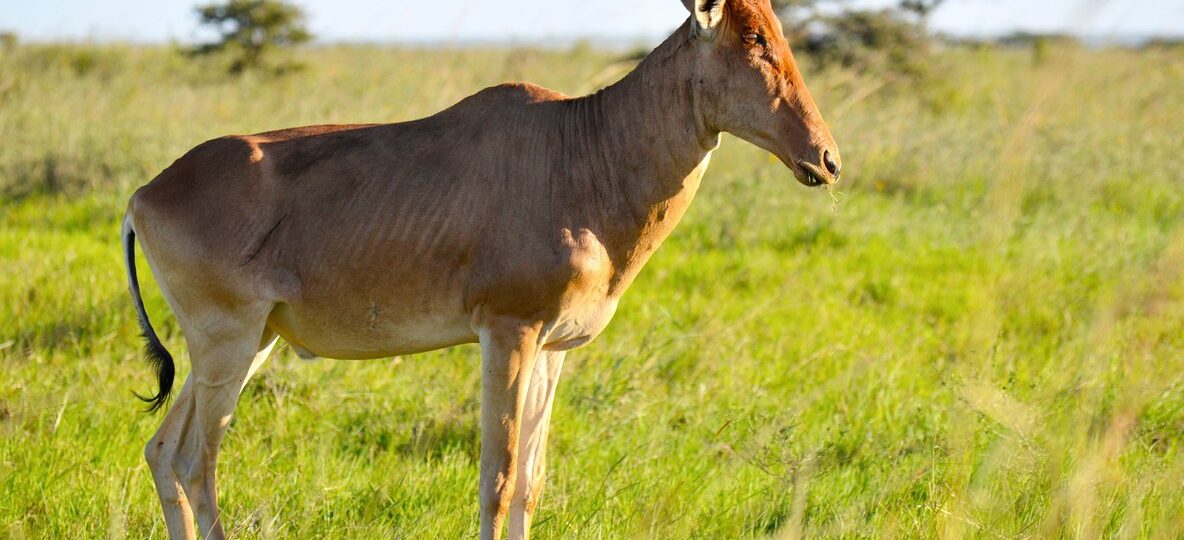
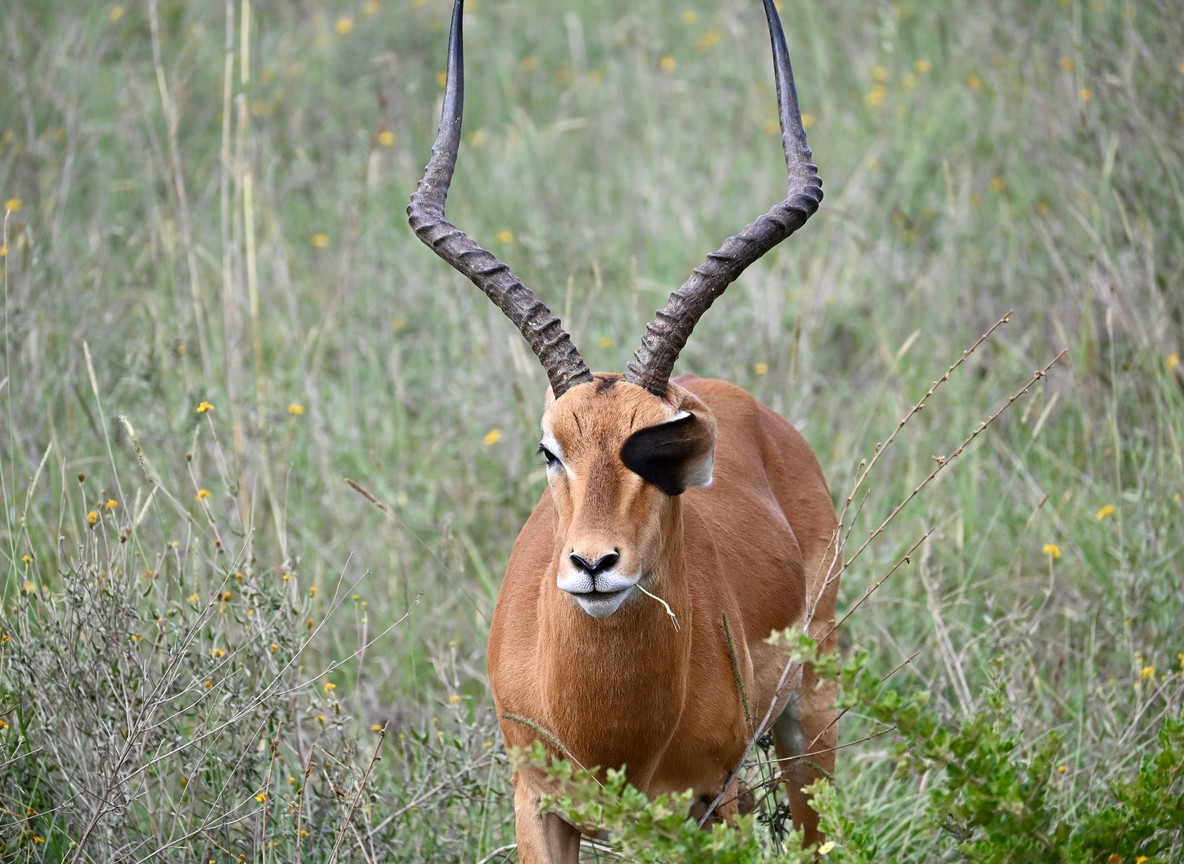
On the dry rangelands east of the Tana River, a slender antelope lifts its head from the grass. Twin white spectacles ring its eyes, tall lyre-shaped horns catch the light, and it moves off across the plain with a quick, nervous grace. This is the hirola, and there is nowhere else on earth to see one. Every wild hirola alive today lives in a narrow strip of Kenya and Somalia, and its numbers are so low that scientists call it the rarest antelope in the world.
A hirola antelope Kenya journey is not a box-ticking game drive. It is a chance to stand behind one of Africa’s boldest community conservation experiments, run by the Somali pastoralist communities of Garissa County who decided this animal was worth saving. Trunktrails Safaris builds tours and safaris that connect you to that work, and this guide explains exactly how. 🌍
World’s Rarest Antelope: What Makes the Hirola So Special
The hirola (Beatragus hunteri) is a medium-sized antelope, sandy-tan in colour, standing around 1 metre at the shoulder and weighing roughly 80 to 118 kg. Its most striking feature is the pale white patch that runs across the bridge of the nose and rings each eye, which is why locals and researchers alike call it the “four-eyed antelope.” Both sexes carry ridged, lyre-shaped horns that can reach around 70 cm.
What makes the hirola matter beyond its looks is its lineage. It is the last surviving member of the genus Beatragus, an ancient branch of the antelope family with no close living cousins. Lose the hirola and you do not just lose a species, you erase an entire genus that has walked these plains for millions of years. That is why conservationists describe it as one of the most important antelope on the planet.
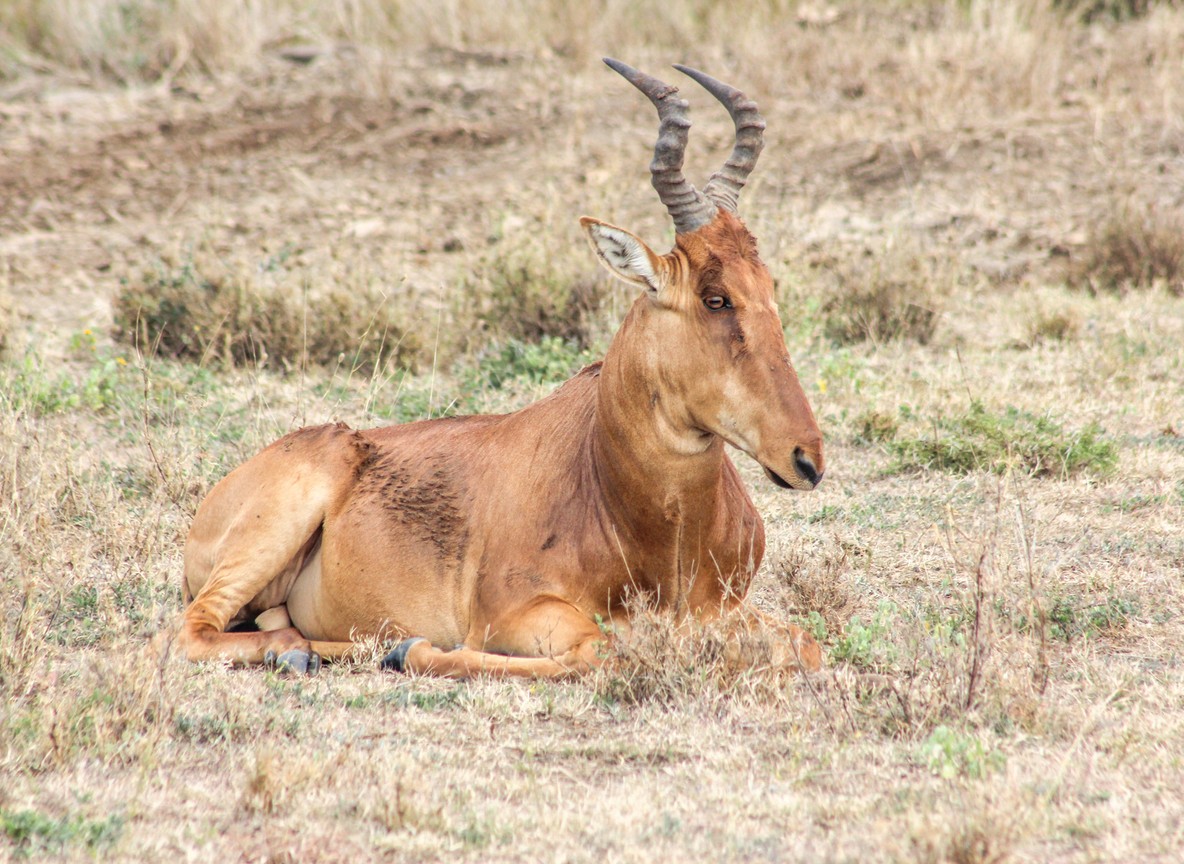
The hirola is a grazer of open, short-grass plains. It needs the specific mix of grassland and light tree cover found in the Tana River borderlands, and it does not adapt well when that habitat changes. That fussiness is part of why its recovery is so hard, and why the work at Ishaqbini is so remarkable.
Hirola Population Numbers: A Species on the Edge
The hirola’s decline is one of the steepest of any large mammal in Africa. In the 1970s the population was estimated at around 14,000 animals. By the mid-1990s it had crashed to roughly 300 to 500. Today the total wild population is thought to sit somewhere in the region of 500 individuals, spread thinly across the Kenya-Somalia border region.
Several forces drove the collapse. Drought struck the rangelands hard. Rinderpest, a cattle disease that also kills wild grazers, swept through the herds. Poaching took its toll, and the loss of open grassland to encroaching bush removed the very habitat the hirola depends on. Predators finished off already-weakened animals. No single cause explains the fall, which is exactly why no single fix could reverse it.
There is one hard truth that shapes every conservation plan: there are no hirola in captivity anywhere in the world. Not one zoo holds a breeding herd as a safety net. The animals you can help protect at Ishaqbini are, quite literally, the whole future of the species.
Ishaqbini Hirola Conservancy: A Community Takes Charge
Ishaqbini Hirola Community Conservancy sits in Ijara, Garissa County, on the east bank of the Tana River in Kenya’s northeast. It covers roughly 240 km2 of grassland and riverine habitat and is owned and run by the local Somali pastoralist community, supported by the Northern Rangelands Trust and the Kenya Wildlife Service.
This is not a fenced-off government park where people were pushed out. It is the opposite model. The community chose to set land aside for wildlife, hires its own rangers from local villages, and shares in the benefits that conservation brings. Grazing, water and cultural life continue alongside the wildlife work. That partnership is the reason the hirola still has a home here at all.
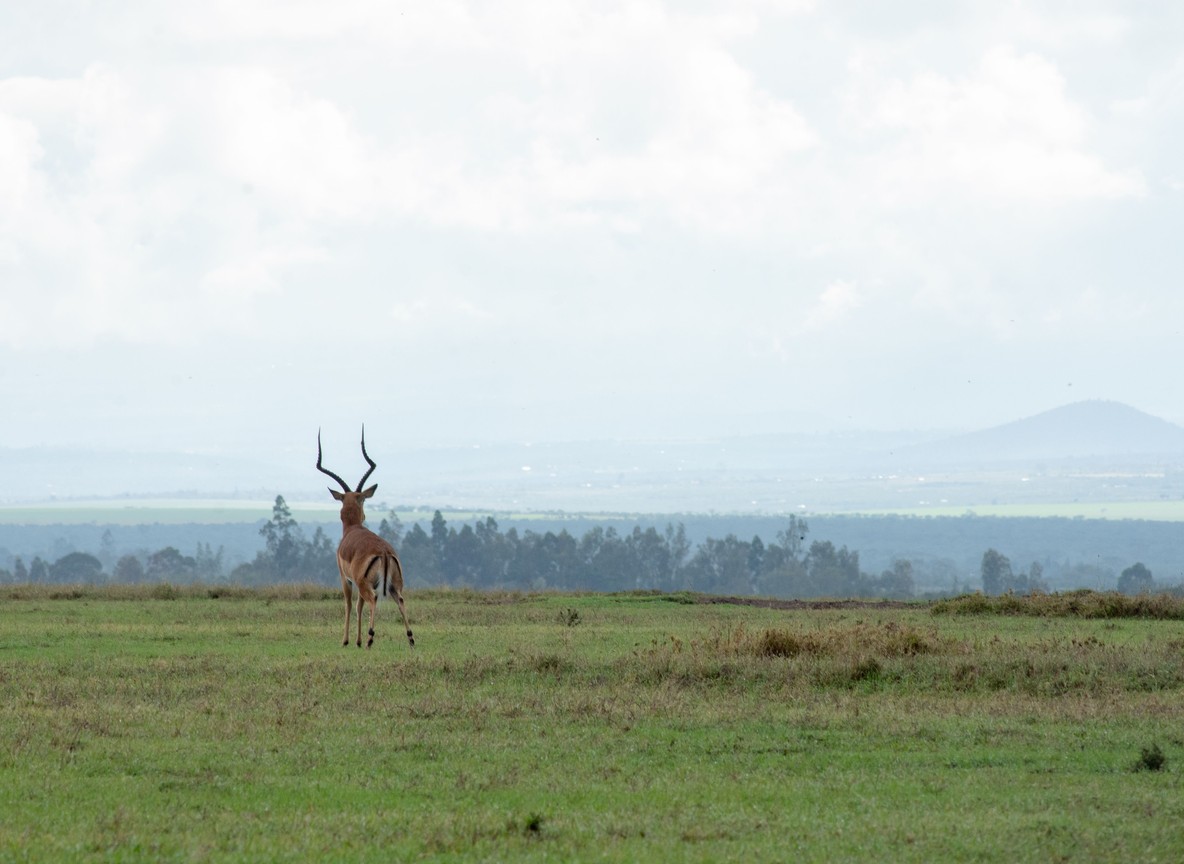
The conservancy protects far more than hirola. Its plains and Tana riverine forest hold reticulated giraffe, topi, lesser kudu, buffalo, hippo and a rich bird list. But the hirola is the flagship, the animal that gave Ishaqbini its name and its purpose. ✨
Hirola Sanctuary Tsavo Link: The Fenced Safe Haven
The centrepiece of the recovery effort is the predator-proof sanctuary inside Ishaqbini. In 2012 the community, the Northern Rangelands Trust and Kenya Wildlife Service built a fenced enclosure of around 25 km2 and moved a founder group of hirola inside, away from lions, cheetahs and hyenas that pick off vulnerable calves.
The result has been quietly historic. Inside the fence, protected from predation and closely monitored, the herd began to grow. Calves that would have been lost in the open survived their first fragile months. The sanctuary became the first place in decades where the hirola population moved in the right direction, and it now acts as a nursery that can seed animals back into the wider conservancy.
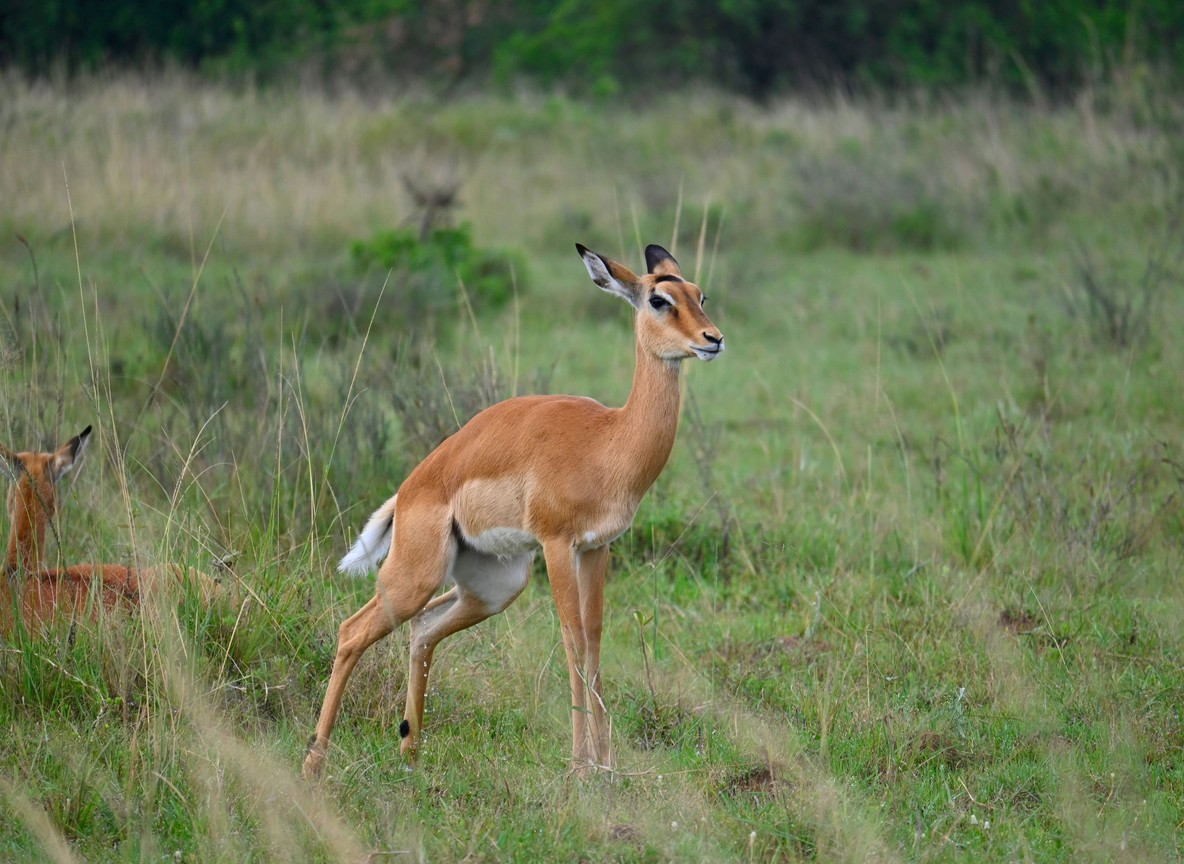
A second insurance population of hirola was established years earlier inside Tsavo East National Park, well outside the species’ natural range, as a hedge against total loss on the border. That Tsavo herd and the Ishaqbini sanctuary together form a twin safety net. If disaster strikes one, the other carries the species forward.
Four-Eyed Antelope Kenya: The Science Behind the Recovery
Saving the hirola runs on patient, unglamorous science, and the model braids three strands together:
- Monitoring. Rangers count individuals, track calf survival and record every birth and death inside the sanctuary, building the data that proves whether the strategy works.
- Habitat. Teams clear encroaching bush to restore the open short-grass plains hirola need, since without the right grassland even a protected herd cannot thrive.
- Community. Local men and women are trained and employed as rangers, so protecting the hirola becomes a source of jobs, pride and income rather than a cost imposed from outside.
The findings feed straight back into action. When monitoring shows calf survival climbing inside the fence, managers plan the next translocation with confidence. When bush encroachment is mapped, clearing crews target the exact blocks that will reopen grazing lanes. This is slow work measured in single calves and single seasons, and it is succeeding where louder approaches failed.
Hirola Antelope Kenya Facts: Distances, Fees and Named Places
Planning a hirola conservation trip starts with real logistics. Ishaqbini is remote, and that remoteness is part of what has protected it. The figures below are indicative and rounded, and non-resident fees and charter prices change seasonally, so treat them as planning anchors rather than quotes.
| Detail | Figure (indicative) | Notes |
|---|---|---|
| Nairobi to Ishaqbini by road | ~450 km, 8-10 hours | Via Garissa; last stretch is rough dirt |
| Nairobi to Garissa town | ~370 km, 6-7 hours | Tarmac to Garissa, then unpaved |
| Charter flight to Ijara airstrip | ~1.5-2 hr flight | From Wilson Airport, Nairobi |
| Ishaqbini Conservancy size | ~240 km2 | Community-owned, Ijara, Garissa County |
| Predator-proof sanctuary | ~25 km2 fenced | Built 2012, hirola nursery |
| Wild hirola population | ~500 individuals | Kenya-Somalia border region only |
| Tsavo East insurance herd | Inside ~13,747 km2 park | Founded outside natural range |
| Conservancy access | Guided, arranged in advance | Not a walk-in tourist park |
Named anchors for planning include Garissa town as the main road hub, Ijara as the nearest administrative centre, and the Tana River, which forms the conservancy’s western edge and feeds its riverine forest. Access is arranged through the conservancy and its partners rather than a public gate.
Best Time to Visit Ishaqbini: A Seasonal Snapshot
Ishaqbini sits in a hot, semi-arid corner of Kenya, so timing matters for both comfort and access. Roads that are passable in the dry months turn to sticky mud when the rains fall, and remote airstrips depend on firm ground.
| Season | Months | Access | Wider Value |
|---|---|---|---|
| Dry / cool | June-September | Best road and airstrip access | Firm tracks, easier game viewing on open plains |
| Short dry | January-February | Good, hot and dusty | Clear skies, concentrated wildlife near water |
| Long rains | March-May | Difficult, roads often impassable | Lush grass, scattered wildlife, high heat |
| Short rains | October-December | Variable, some road closures | Green flush, birdlife peaks, unsettled tracks |
For a trip built around hirola conservation, the long dry season from June to September is the clear sweet spot: firm roads, reliable airstrip access, open grazing lawns and the best chance to watch the herds in good light. 🌅
The Trunktrails Advantage: Conservation Travel Done Honestly
Trunktrails Safaris is a native Kenyan-owned operator, and we do not dress up a remote, sensitive conservancy as an easy safari it is not. What we build instead is a trip that puts you inside the hirola story and puts your money where it does real good.
We arrange guided access with the conservancy, so your visit is welcomed and coordinated rather than intrusive. We pair the hirola with a wider northern-Kenya route through the reticulated giraffe country and Tana River forests, so the long journey rewards you many times over. We set expectations honestly about heat, distance and the fact that this is working conservation land, not a manicured tourist circuit.
Our guides know how the community model works, why the fence matters, and how to read the signs of a healthy grassland. We plan tours and safaris that fund rangers and habitat work through the fees and logistics your trip supports. That is the difference between watching Kenya and taking part in it. This is what a genuine hirola antelope Kenya experience with Trunktrails Safaris looks like: real access, honest expectations and measurable impact.
Your Move: Stand Behind the World’s Rarest Antelope
The hirola climbed off the very edge of extinction because a Somali pastoralist community in Garissa County decided its future was worth their land, their rangers and their pride. There is no zoo backup and no second chance. Every trip that supports Ishaqbini adds weight to that decision and helps make sure the four-eyed antelope keeps walking the Tana plains.
Talk to Trunktrails Safaris and let us design tours and safaris around your dates, your budget and your appetite for the wild, far corners of northern Kenya.
Further reading
More safari planning resources
- Map of Tsavo from Valley Safaris
- Tsavo complete guide on Touring Insights
- Tsavo destination guide on FindMySafari
- Best time to visit Kenya month-by-month map from Valley Safaris
- WhatsApp: +254 113 208888
- Email: info@trunktrailssafaris.com
- Web: trunktrailssafaris.com
Message us today and let us put your next safari behind the fight to save the world’s rarest antelope. 🐘