Aardvark Safari in Kenya: How to Spot Africa’s Strangest Night Digger
Long after the last lion has yawned and the camp generator has clicked off, a different animal starts its day. It has the snout of a pig, the ears of a rabbit, the tail of a kangaroo and the digging claws of a machine. It shuffles out of a burrow, sniffs the cooling air and sets off across the plain in search of termite mounds. This is the aardvark, and a kenya aardvark safari is your best shot at meeting one of the continent’s oddest and least-seen creatures.
Let us be honest from the first line. The aardvark is not a guaranteed sighting. It is nocturnal, solitary and shy, and even seasoned guides count their encounters in a handful per year. What Trunktrails Safaris can do is stack the odds in your favour, put you in the right landscape at the right hour and turn the search itself into one of the finest experiences on any Kenyan trip. 🌍
Aardvark Facts: Meet Africa’s Strangest Night Digger
The aardvark (Orycteropus afer) is a genuine one-off. It is the only living species in its entire zoological order, Tubulidentata, which means it has no close relatives anywhere on earth. The name comes from Afrikaans and simply means “earth pig”, though the animal is not a pig at all.
An adult aardvark weighs roughly 40 to 65 kg and stretches about 1 to 1.3 metres in the body, with a thick tapering tail adding more length. Its powerful, spade-shaped claws can break open a concrete-hard termite mound in minutes and excavate a deep burrow faster than a team of people with shovels. That digging ability is why so many other animals owe it a debt.
The aardvark eats almost nothing but ants and termites. A long, sticky tongue, which can reach around 30 cm, flicks up tens of thousands of insects in a single night. Poor eyesight is no handicap in the dark, because a superb sense of smell and those big hare-like ears do all the hunting work. 🐘
Where to See Aardvark in Kenya: The Prime Ground
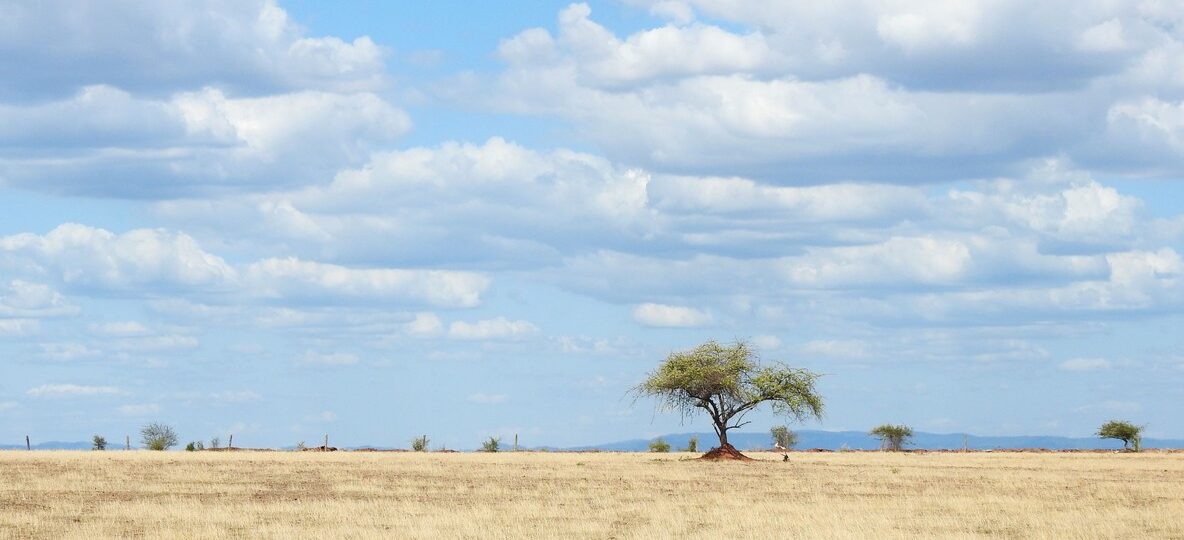
Aardvarks live across much of Kenya, from the southern rangelands to the northern plateaus, yet the honest answer to “where to see aardvark in Kenya” is not a park name but a habitat type. You want open grassland and light bush studded with termite mounds, low human pressure and, above all, permission to drive after dark.
That points almost every serious aardvark hunter to the Laikipia Plateau. The private conservancies here allow night drives, protect huge tracts of prime foraging ground and employ guides who track individual animals night after night. Ol Pejeta, Lewa, Loisaba, Segera and Solio all sit in this belt north of Mount Kenya.
The southern Rift near Shompole and Magadi, and the drier reaches of Tsavo and Amboseli, also hold aardvark. The difference is access. Inside the big national parks and reserves, night driving is generally not permitted, so your realistic chances there drop close to zero. Choose a conservancy and you buy yourself the one thing that matters most: the legal right to be out when the aardvark is. ✨
Aardvark Night Drive: Why the Conservancies Win
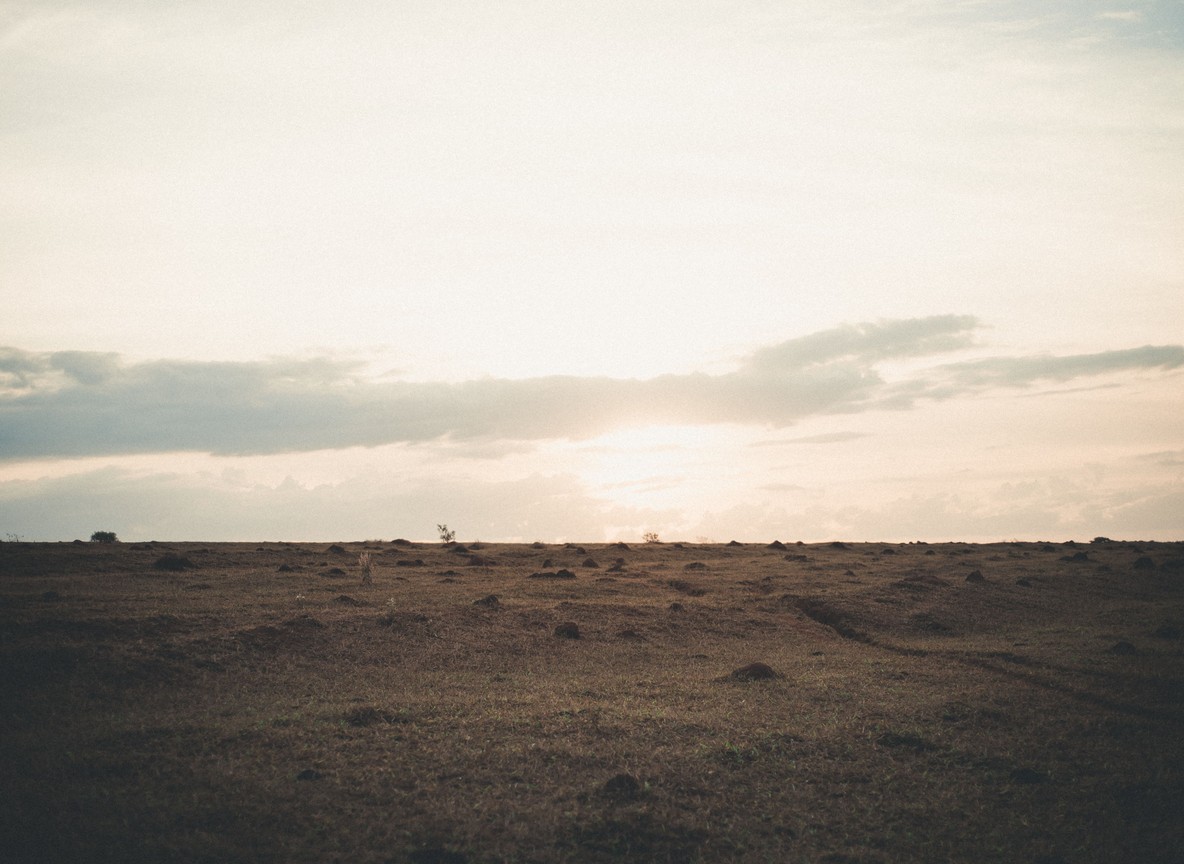
A kenya aardvark safari lives or dies on the night drive. Aardvarks rarely surface before full dark, and they are most active in the first few hours of the night as they move between mounds. A guide with a red-filtered spotlight, a good tracker on the bonnet and years of local knowledge is the whole game.
Night drives are a conservancy privilege, not a national park one. That single rule shapes your entire itinerary. In Ol Pejeta, Lewa, Loisaba and Solio you can book an after-dark drive as a matter of course. Inside Amboseli, Tsavo or the Maasai Mara National Reserve you cannot, so any aardvark there would be pure roadside luck at dawn or dusk.
The bonus is that night driving rewards you even when the aardvark stays underground. The same spotlight picks out aardwolf, bat-eared fox, white-tailed mongoose, springhare, genets, bushbabies, porcupine and the occasional leopard on the prowl. Treat the aardvark as the headline act and enjoy a full supporting cast of nocturnal animals in Kenya you would never glimpse by day. 📸
Kenya Aardvark Safari Facts: Distances, Fees and Named Places
Planning an aardvark trip starts with real logistics. The figures below are indicative and rounded, and non-resident conservancy fees change seasonally, so treat them as planning anchors rather than firm quotes.
| Detail | Figure (indicative) | Notes |
|---|---|---|
| Nairobi to Nanyuki (Laikipia) by road | ~200 km, 3.5-4 hours | Tarmac most of the way via Thika |
| Wilson Airport to Lewa or Nanyuki airstrip | ~45-50 min flight | Daily scheduled light aircraft |
| Ol Pejeta Conservancy size | ~360 km2 (~90,000 acres) | Night drives permitted |
| Lewa Wildlife Conservancy size | ~250 km2 (~62,000 acres) | UNESCO World Heritage listed |
| Solio Game Reserve | ~70 km2 | Rhino-rich private reserve |
| Laikipia Plateau | ~9,500 km2 | Prime aardvark rangeland |
| Conservancy fee (non-resident) | ~$100-150 per person/day | Funds wildlife and community work |
| Night game drive supplement | ~$50-100 per person | Where offered by the camp |
Named camps that run night drives in this belt include Ol Pejeta Bush Camp and Sweetwaters Serena, Lewa Safari Camp and Lewa Wilderness, Loisaba Tented Camp and Segera Retreat. Booking a camp inside the conservancy, rather than a lodge on its boundary, keeps you closest to the ground your guide knows best.
Best Time to See Aardvark in Kenya: A Seasonal Snapshot
There is no month that guarantees an aardvark, but some conditions clearly help. Aardvarks feed hardest when termites and ants are active near the surface, and they surface a little earlier on cool, dark nights when the ground has softened.
| Season | Months | Aardvark Odds | Wider Laikipia Value |
|---|---|---|---|
| Long rains / green | April-June | Better, soft ground and busy termites | Lush plains, low rates, few vehicles |
| Dry / cool | July-October | Moderate, animals dig deeper for insects | Clear skies, peak game viewing |
| Short rains | November-December | Good on mild, still nights | Newborn plains game, quiet roads |
| Dry / hot | January-March | Moderate to good after dark | Excellent for rhino and big cats |
For a trip built around the aardvark rather than the classic big game circuit, the green season and the short rains are the sweet spot. Warmer, damper nights bring insects up, soften the earth and coax the earth pig out a fraction earlier, which is exactly when your spotlight is sweeping the plain. 🌅
Why the Aardvark Matters: The Engineer of the Plains
The aardvark is more than a curiosity to tick off a list. It is a keystone digger, and the burrows it abandons become vital shelter for a long line of other species. Warthogs raise piglets in old aardvark holes. Hyenas den in them. Ground squirrels, mongoose, monitor lizards, snakes, owls and even wild dogs on occasion move into these ready-made refuges. Take the aardvark away and a whole layer of plains life loses its housing.
By opening termite mounds and turning the soil each night, the aardvark also shapes the ground itself. Its digging aerates the earth, spreads seeds and controls insect numbers across huge areas. Guides in Laikipia will tell you that finding fresh aardvark digging is a sign of a healthy, functioning grassland. That is one more reason the conservancy model works so well for this animal. Protect the open range and its termite mounds, and you protect the quiet engineer that keeps the whole system turning.
Understanding this role changes how the search feels. You are not just hunting a strange face in a spotlight. You are tracking one of the most important architects on the African plain, an animal whose nightly labour props up dozens of others you will meet on the same drive. ✨
The Trunktrails Advantage: Chasing the Unseeable, Honestly
Trunktrails Safaris is a native Kenyan-owned operator, and we will never sell you an aardvark sighting we cannot promise. What we build instead is a trip designed from the ground up to give you the best real chance, paired with a landscape so rich that no night out is ever wasted.
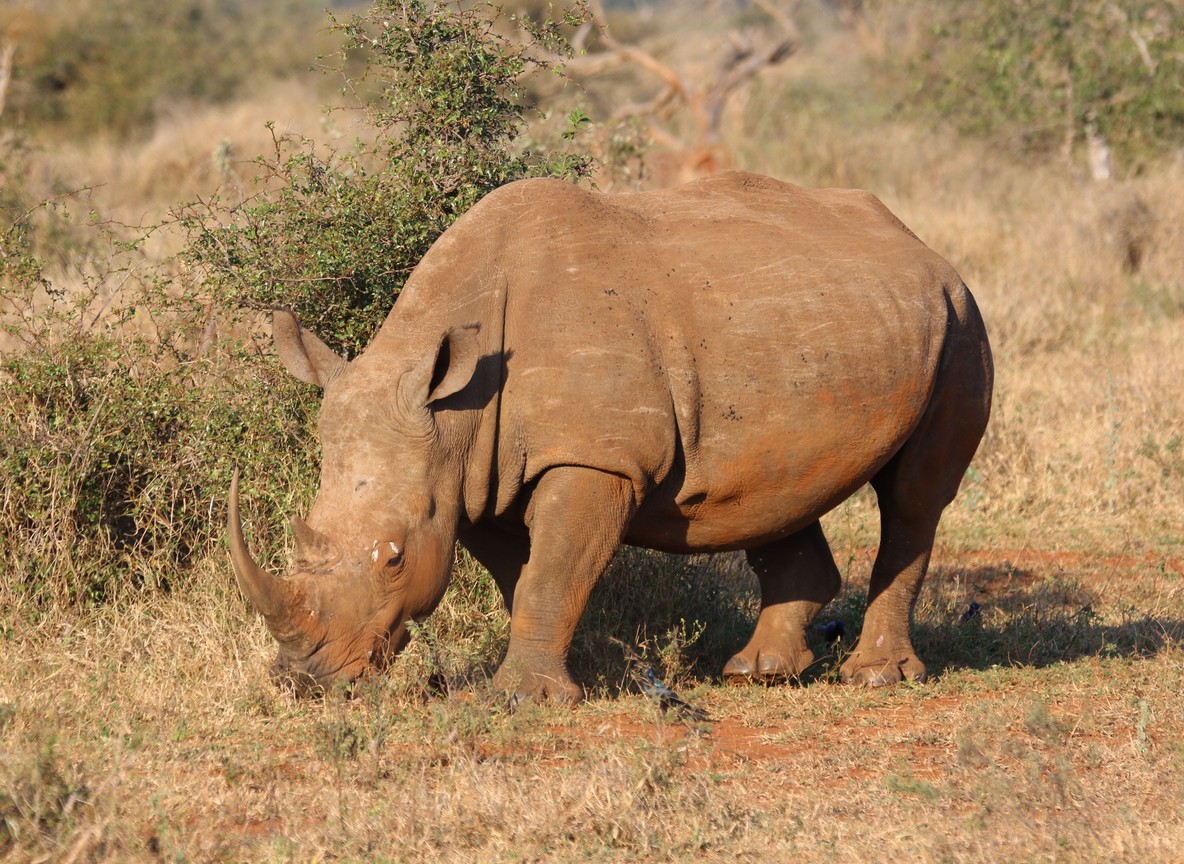
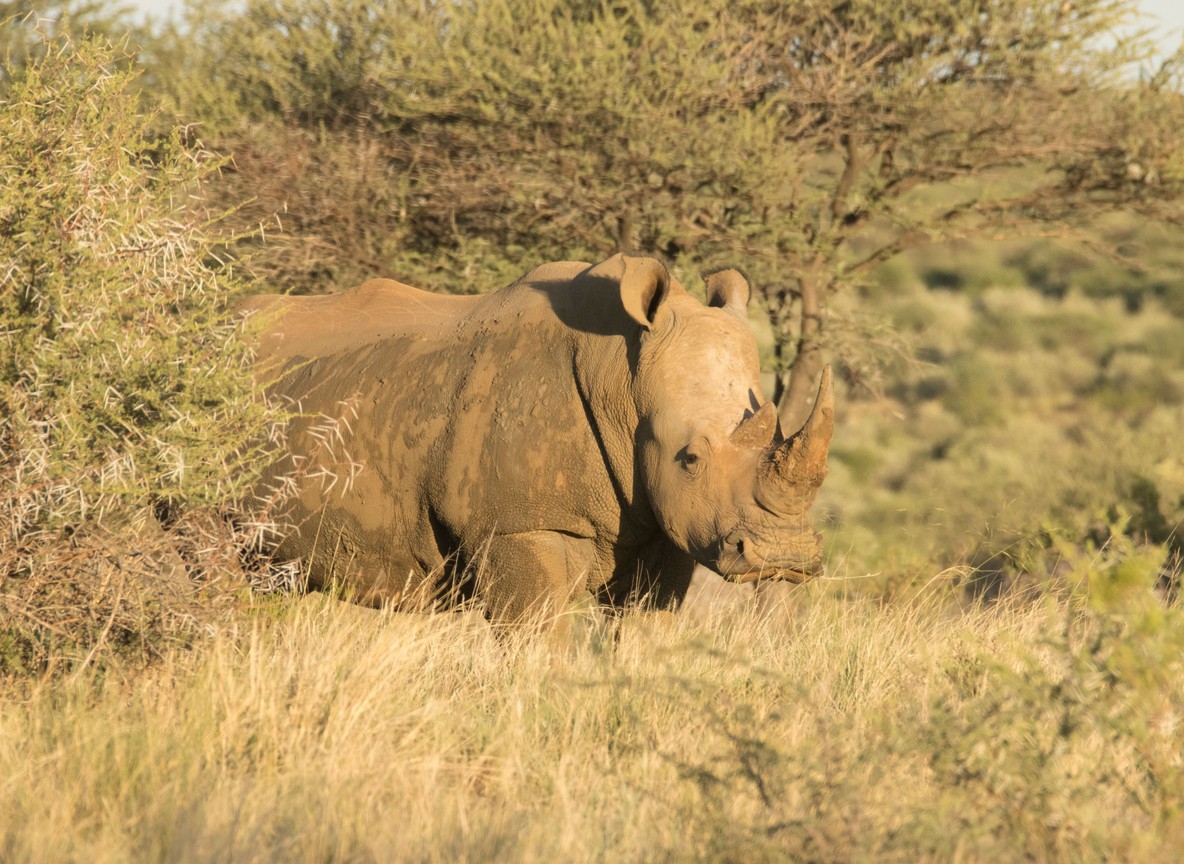
We place you in conservancy camps where night drives are standard, not a rare favour. We match you with guides and trackers who know which termite mounds are active this month and which burrows a resident aardvark is using right now. We plan tours and safaris that fold the aardvark search into a wider Laikipia experience of black and white rhino, elephant, big cats and the full nocturnal cast, so your days and nights are both full.
Our guides run night drives that respect the animal, using red filters and patient distance rather than harassing a shy digger for a photo. That restraint is why our guests still get their moments. This is what a genuine kenya aardvark safari with Trunktrails Safaris looks like: honest expectations, expert local knowledge and a landscape that delivers whether or not the earth pig shows.
Your Move: Book the Search for Africa’s Strangest Animal
The aardvark is the animal most safari-goers never even think to look for, which is exactly why finding one feels like winning a private lottery. It takes the right conservancy, the right season and a guide who has spent years learning the dark. Put those three together and you give yourself a real shot at Africa’s strangest night digger.
Talk to Trunktrails Safaris and let us design tours and safaris around your dates, your budget and your appetite for the Kenyan bush after nightfall. We will build the itinerary, secure the night drives and point the spotlight in the right direction.
Further reading
More safari planning resources
- Ol Pejeta and Sweetwaters safari package from Valley Safaris
- Best time to visit Kenya on Touring Insights
- Big Five safari collection on FindMySafari
- Nairobi to Maasai Mara route guide from Valley Safaris
- WhatsApp: +254 113 208888
- Email: info@trunktrailssafaris.com
- Web: trunktrailssafaris.com
Message us today and let us put you on the trail of Kenya’s most elusive digger with tours and safaris built for the wild after dark. 🦁