
Pangolins of the Mara: Inside Kenya’s Race to Save the Giant Ground Pangolin
Somewhere in a patch of dryland forest on the edge of the Maasai Mara, a camera trap fires in the dark. Two curved eyes reflect the flash. A scaled back arches over the leaf litter. The animal shuffles off on its hind legs, tail dragging, and is gone. That single frame confirmed something researchers had almost given up on: the giant ground pangolin still walks the Mara ecosystem.
A kenya pangolin safari is not a checklist sighting. These are the shyest, most nocturnal animals in the country, and the honest truth is that most visitors will never lay eyes on one. What a pangolin-focused trip does deliver is something rarer than a photo. It puts your travel money directly behind the fight to save the most trafficked mammal on earth. Trunktrails Safaris builds tours and safaris that connect you to that work, and this guide explains exactly how. 🌍
Giant Ground Pangolin Kenya: What Makes This Animal So Special
The giant ground pangolin (Smutsia gigantea) is the largest of the world’s eight pangolin species. Adults can reach roughly 1.4 metres including the tail and weigh up to around 33 kg. It is covered head to tail in overlapping keratin scales, the same protein as your fingernails, and it has no teeth at all. Instead it uses a long sticky tongue to hoover up ants and termites, sometimes tens of thousands in a single night.
For decades, the giant ground pangolin was thought to be gone from Kenya, surviving only in the forests of Central and West Africa. Then camera traps in the Nyekweri forest, on the northwestern edge of the Maasai Mara, captured living animals. That rediscovery reset the map and turned a quiet stretch of community forest into one of the most important pangolin sites in East Africa.
Kenya is also home to the smaller ground pangolin (Smutsia temminckii), sometimes called Temminck’s pangolin, which ranges across the country’s drier bush. Both roll into a tight, armoured ball when threatened. That defence works against lions. It does nothing against a person with a sack.
Most Trafficked Mammal in the World: Why Pangolins Are Vanishing
Pangolins hold a grim record. They are the most trafficked mammal in the world. Their scales are boiled for use in traditional medicine, despite having no proven medical value, and their meat is sold as a luxury dish. Conservation groups estimate that around one million pangolins were poached from the wild over roughly a decade.
The pressure is brutal precisely because the animal is so easy to catch. A pangolin cannot outrun anyone. It curls up and waits, which is exactly the wrong strategy when the threat has hands. Slow breeding makes recovery harder still, since females usually raise a single pup at a time.
In the Mara ecosystem, the immediate threats are local rather than distant syndicates: forest clearing for charcoal and farmland, snares set for bushmeat, and the loss of the dense thicket these animals need. Protect the forest and you protect the pangolin. That single idea drives every serious conservation effort in the region.
Nyekweri Forest Pangolin: Ground Zero for the Rescue
The Nyekweri Kimintet forest is a community-owned dryland forest of roughly 4,000 hectares (about 10,000 acres) pressed against the northwestern Mara. It is not a national reserve. It is a living landscape where Maasai landowners graze cattle, cut wood and now, increasingly, choose to keep their trees standing.
Conservation here runs on a simple exchange. Landowners who protect forest blocks are supported through easement agreements, so that an intact thicket becomes worth more than a cleared plot. Forest scouts patrol for snares and illegal logging. Camera-trap grids track pangolin movement and confirm which corridors the animals still use.
This is where a kenya pangolin safari earns its meaning. You are not paying to corner a frightened animal for a photo. You are helping fund scouts, easements and monitoring in the exact forest where the giant ground pangolin was pulled back from local extinction. ✨
Pangolin Project Kenya: The Science Behind the Comeback
The organised effort to save these animals is anchored by a dedicated pangolin research and protection programme working across the Mara landscape. Its model braids three strands together:
- Research. Camera traps, GPS tracking of individual animals and habitat mapping to learn where pangolins den, feed and travel.
- Protection. Community scout teams that remove snares, deter loggers and respond when a pangolin is found in a settlement.
- Partnership. Direct agreements with Maasai landowners so that keeping forest standing pays a real and reliable dividend.
The findings feed straight back into action. When tracking shows a corridor between two forest blocks, that corridor becomes a priority for protection. When a rescued pangolin is fitted with a tag and released, its survival teaches the team how to do the next release better. This is slow, patient science, and it is working where louder approaches have failed.
Maasai Mara Night Safari: When Pangolins Actually Move
Pangolins are almost entirely nocturnal. If there is any chance of seeing one in the wild, it comes after dark, which is why a maasai mara night safari matters to pangolin-minded travellers. Night drives are permitted in the private conservancies bordering the reserve, not inside the Maasai Mara National Reserve itself, so your choice of camp decides whether night driving is even on the table.
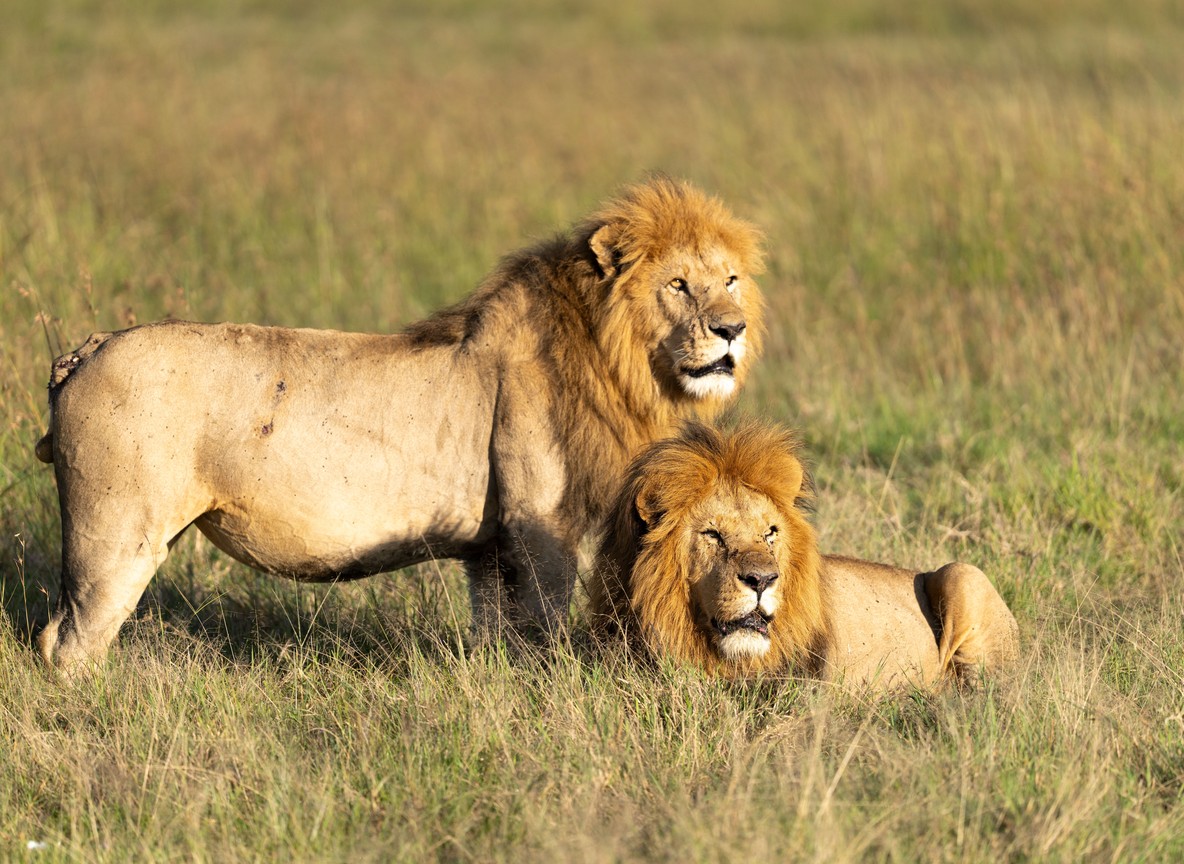
Set expectations honestly. Even researchers who spend years in the forest see wild pangolins rarely. A night drive is far more likely to reward you with genets, white-tailed mongoose, springhares, bushbabies, aardvark on a lucky night and the occasional leopard on the move. Think of a pangolin as the ultimate bonus, not the itinerary’s spine.
The deeper value of night driving is understanding. Your guide can show you the termite mounds a pangolin feeds on, the burrows it shelters in and the fresh snare wire that scouts pull from the bush. That context turns an abstract cause into something you have seen with your own eyes under a spotlight. 📸
Kenya Pangolin Safari Facts: Distances, Fees and Named Places
Planning a Mara conservation trip starts with real logistics. The figures below are indicative and rounded, and non-resident park and conservancy fees change seasonally, so treat them as planning anchors rather than quotes.
| Detail | Figure (indicative) | Notes |
|---|---|---|
| Nairobi to Maasai Mara by road | ~270 km, 5-6 hours | Via Narok; last stretch is rough |
| Wilson Airport to Mara airstrips | ~45-50 min flight | Ol Kiombo, Musiara, Keekorok, Mara Serena |
| Maasai Mara National Reserve size | ~1,510 km2 | Managed by Narok County |
| Nyekweri Kimintet forest | ~4,000 ha (~10,000 acres) | Community-owned pangolin habitat |
| Reserve entry fee (non-resident) | ~$100-200 per person/day | Higher in peak July-October window |
| Conservancy fee (non-resident) | ~$100-130 per person/day | Funds landowner leases and scouts |
| Night drive availability | Conservancies only | Not permitted inside the National Reserve |
Named conservancies that border the Mara and allow night driving include Mara North, Olare Motorogi, Naboisho and Ol Kinyei. Camps in these areas sit closest to the forest edge where pangolin work is concentrated.
Best Time to See Pangolins in Kenya: A Seasonal Snapshot
There is no month that guarantees a pangolin. There are, however, conditions that improve your odds and your overall Mara experience. Warm, humid nights bring termites and ants to the surface, which is when pangolins feed most actively.
| Season | Months | Pangolin Odds | Wider Mara Value |
|---|---|---|---|
| Long rains / green | April-June | Slightly better on warm, humid nights | Empty conservancies, lush forest, low rates |
| Dry / peak | July-October | Lower, ground is hard and dry | River crossings, busiest and priciest window |
| Short rains | November-December | Good on mild, still nights | Newborn wildlife, quiet roads, fair rates |
| Dry cool | January-March | Moderate | Calving season nearby, clear skies |
For a trip built around pangolin conservation rather than the migration, the green season and short rains are the sweet spot: warmer nights, active insects, quieter conservancies and forest at its densest. 🌅
The Trunktrails Advantage: Conservation Travel Done Honestly
Trunktrails Safaris is a native Kenyan-owned operator, and we do not sell a pangolin sighting we cannot promise. What we build instead is a trip that puts you inside the conservation story and puts your money where it does real good.
We place you in conservancy camps on the forest edge, where night drives are legal and where camp fees flow into the landowner leases that keep pangolin habitat standing. We arrange briefings with the scouts and researchers doing the daily work, so you hear the science from the people living it. We plan tours and safaris that pair the Mara’s famous wildlife with the quieter, deeper reward of backing a species most travellers never even hear about.
Our guides know which conservancy sectors hold the best thicket, which termite mounds show fresh pangolin sign and how to run a night drive that respects nocturnal animals rather than harassing them. That is the difference between watching Kenya and taking part in it. This is what a genuine kenya pangolin safari with Trunktrails Safaris looks like: real access, honest expectations and measurable impact.
Your Move: Stand Behind the Mara’s Rarest Mammal
The giant ground pangolin came back from local extinction in the Nyekweri forest because a handful of Maasai landowners, scouts and scientists decided it was worth saving. Every conservancy bed-night you book adds weight to that decision. One camera-trap frame proved the animal survives. Your trip helps make sure it keeps surviving.
Talk to Trunktrails Safaris and let us design tours and safaris around your dates, your budget and your appetite for the Mara wild after dark.
Further reading
More safari planning resources
- Interactive Maasai Mara map from Valley Safaris
- Maasai Mara National Reserve guide on Touring Insights
- Masai Mara destination guide on FindMySafari
- Best time to visit Kenya month-by-month map from Valley Safaris
- WhatsApp: +254 113 208888
- Email: info@trunktrailssafaris.com
- Web: trunktrailssafaris.com
Message us today and let us put your next safari behind the fight to save Kenya’s pangolins. 🐘

