
Fly Camping in Kenya: Sleeping Under the Stars Beyond the Roads
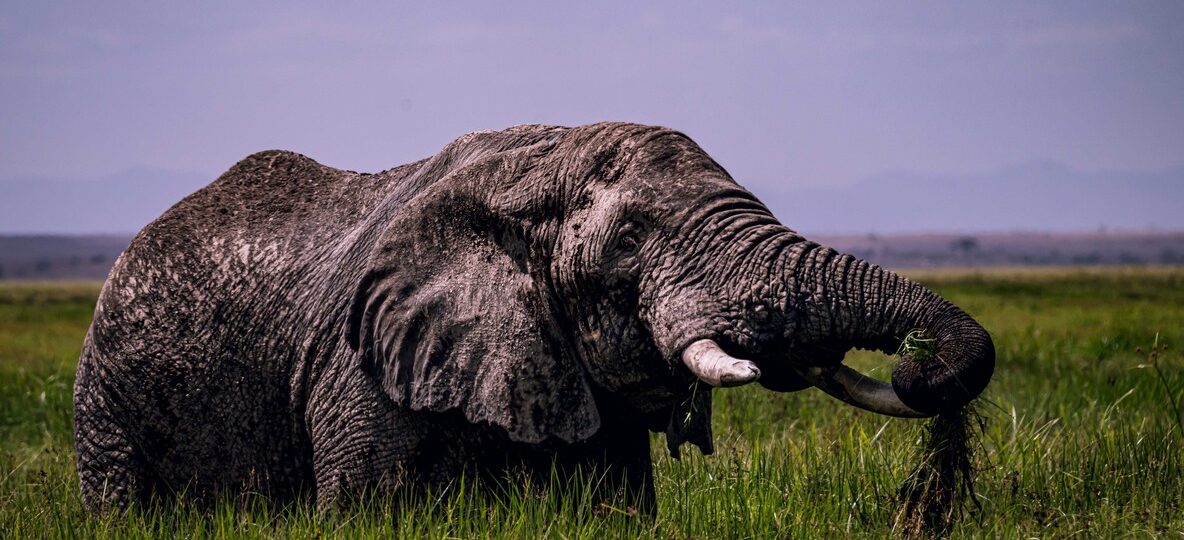
There is a moment unique to fly camping in Kenya. The generator at the main camp went off two hours ago. The nearest road is 8km behind you. Your small tent sits in a clearing that the guide chose this afternoon for its wind direction, its sightlines, and the proximity of a waterhole the camp team has watched for weeks. You are lying on a camp bed looking up at the Milky Way with no light pollution from any direction. Somewhere in the dark, a hyena calls. Then an elephant tears at the grass forty metres to your left.
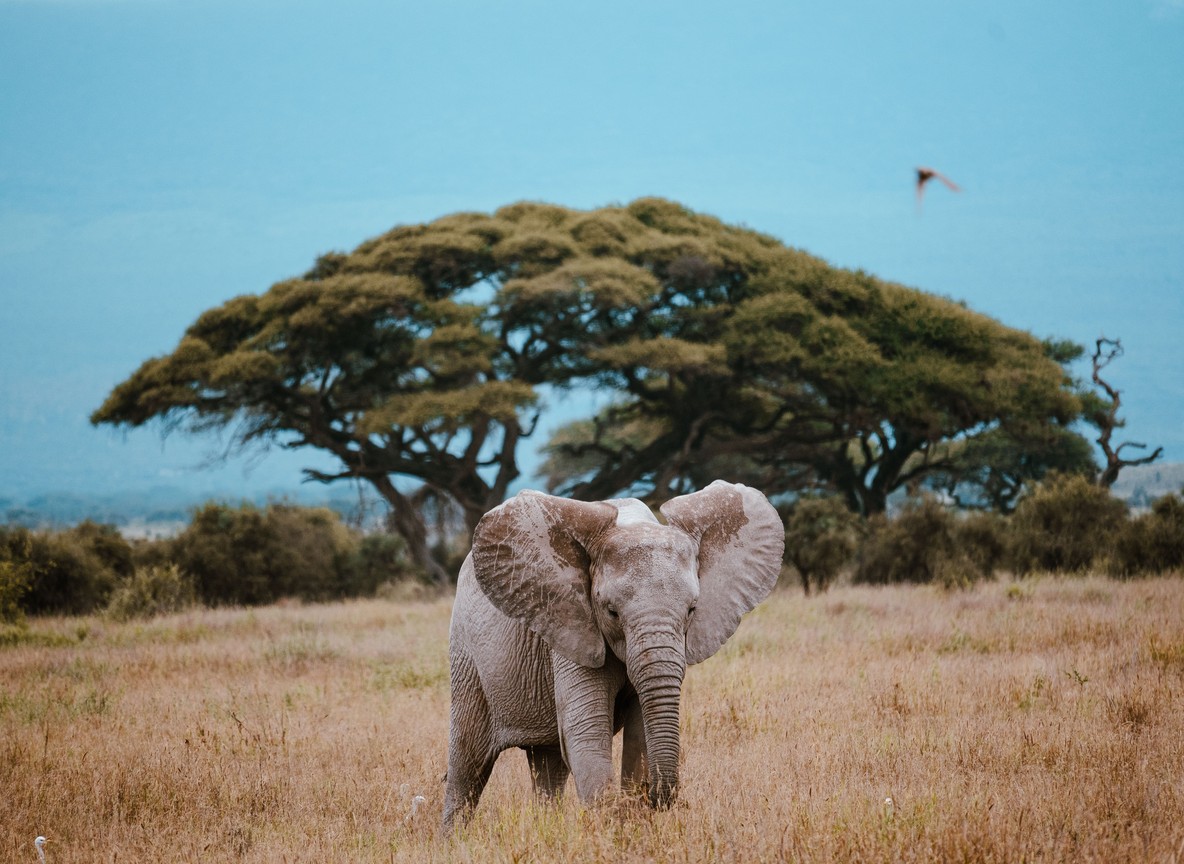
That moment is available nowhere else on earth. It cannot be approximated at a lodge. It does not happen in a vehicle. It is exclusively the territory of fly camping, and Trunktrails Safaris builds it into itineraries for clients who want to know what the African bush actually feels like when the infrastructure retreats.
What Is Fly Camping?
Fly camping is a stripped-down overnight camp positioned in the field rather than at a permanent camp location. The name comes from the “fly” – the simple tarp or canvas shelter over the bed rather than a full tent structure.
A typical Trunktrails Safaris fly camp consists of:
- 2-4 camp beds or low mattresses under individual canvas flies
- A small bucket shower arrangement, heated by fire
- A basic camp toilet, positioned downwind and screened
- A campfire as the evening focal point and light source
- A simple bush dinner cooked on an open fire by the camp team
- An armed guide/ranger present throughout the night
- No electricity, no Wi-Fi, no generator
That last line is not a compromise. It is the specification. Fly camping is chosen precisely for its absence of the amenities that separate a traveller from the actual environment. The point is direct contact with the bush and its soundscape.
How a Fly Camp Day Works
Fly camping typically follows a specific structure within a wider safari itinerary. You do not arrive at a fly camp from an airport. You start at a main tented camp or lodge, spend one or two days there, and then the fly camp is offered as a one or two-night field excursion.
Afternoon departure: After the morning game drive and lunch, the camp team loads a vehicle with the minimal fly camp kit. Your guide drives you to the chosen site, which has been scouted in advance. The site selection process considers proximity to water, prevailing wind (which determines which direction animals approach from), vegetation cover for shade, and the historical presence of specific wildlife in the area.
Camp setup: Two staff members have often traveled ahead to have the fly camp ready on arrival. Beds are positioned. The fire is laid. The bucket shower is filled. Water for the camp is carried in.
Evening walk and game drive: Some operations walk to the fly camp rather than drive. This hour of walking through bush at golden hour, with your guide tracking and pointing to the evidence of the landscape, is often cited by returning clients as the most memorable hour of their entire Kenya trip.
Bush dinner: A three-course meal prepared on an open fire by a camp cook who has made this night as good as any lodge dinner, except that you are eating it under stars with the sounds of the African night beginning around you. The campfire stays lit through dinner.
Night: The guide and an armed ranger keep a watch rotation through the night. You sleep knowing that the professional next to the fire is reading every sound. This is not performative. It is how fly camping operates safely in big game country.
Dawn: The morning starts before light. Tea brought to your bedside. A walking safari at first light from the fly camp location, when the bush is at its most active and the light is at its most extraordinary.
Where Fly Camping Works Best in Kenya
Not every Kenya park permits fly camping. It requires proper licensing, experience, and the right landscape.
Masai Mara ecosystem (Mara North, Olare Motorogi, Naboisho conservancies): The private conservancies permit fly camping in ways the national reserve does not. The open grassland terrain allows full sightline management and meaningful wildlife presence. The Mara ecosystem’s predator density makes the nighttime soundscape intense.
Laikipia Plateau (Lewa, Ol Pejeta, Loisaba, Borana): Some of Kenya’s finest fly camping experiences are in Laikipia. The varied terrain of open plains, riverine bush, and rocky hillside creates habitat diversity that lodge-based camping cannot replicate. Loisaba specifically offers a star beds experience (platforms in trees) that is adjacent to the fly camp concept but includes a level of elevation and views that makes it uniquely Laikipia.
Samburu National Reserve area: The semi-arid terrain of Samburu and the Mathews Range is particularly good for fly camping. The dry landscape, sparse vegetation, and enormous night sky create conditions that are different in character from the Mara or Laikipia.
Tsavo ecosystem: The wildness of Tsavo East and West suits more experienced fly campers. The terrain is remote, the wildlife density high, and the night sky at Tsavo’s altitude is exceptional. Suitable for clients who want genuine remoteness rather than a curated experience.
Fly Camping and Romantic Safaris
Fly camping works for many purposes but it is particularly suited to a specific type of romantic travel. This is not the romance of a luxury tent with a copper bath. It is the romance of two people alone in the African wilderness with nothing between them and the sky, sharing an experience that is by definition exclusive to this night, this location, and this moment.
Trunktrails Safaris builds fly camp nights into honeymooner and anniversary itineraries as a deliberate contrast to lodge comfort. The combination of one or two nights at a luxury tented camp followed by a fly camp night works precisely because each experience defines what the other is not. The bush dinner under stars hits differently after two nights of excellent lodging.
The format also works for couples who have done the standard lodge safari and want to revisit Kenya with a deeper engagement with the landscape. Second-time Kenya travellers who do fly camping with us consistently describe it as the trip that reset their understanding of what Africa can offer.
Fly Camping as Part of a Kenya Circuit
Fly camping works best as one or two nights within a longer itinerary rather than the entire format of a Kenya trip. A typical Trunktrails Safaris circuit that incorporates a fly camp night:
5-night Mara circuit with fly camp: Arrive Wilson Airport, fly to Mara North airstrip. Night 1-3 at a full-service Mara North tented camp with standard morning and evening game drives. Night 4: fly camp positioned in the field by afternoon game drive, evening fire, dawn walk. Night 5: return to main camp for final morning drive. Fly back to Nairobi. This structure gives clients the full range of Mara North experiences including the contrast that makes the fly camp night meaningful.
7-night northern Kenya circuit: Samburu National Reserve (3 nights) combined with Laikipia at Loisaba (3 nights), with one night as a Star Beds fly camp experience on the escarpment. The seventh night is back in Nairobi for onward flight.
The circuit context matters because it is the contrast that makes the fly camp powerful. The experience of walking from a full-service tented camp into a stripped-down bush camp is a deliberate editorial decision in your safari. Trunktrails Safaris designs tours and safaris around that contrast intentionally.
What to Pack for a Fly Camp Night
The kit requirement is deliberately minimal. Packing correctly is part of the fly camp philosophy.
| Item | Notes |
|---|---|
| Warm layer | Nights in the Mara, Laikipia, and Samburu are genuinely cold (10-15°C). Non-negotiable |
| Head torch | Camp lighting is fire-based. A headtorch is essential for night use |
| Insect repellent | Bring more than you think you need |
| Camera with low-light capability | Dawn and dusk photography conditions are extraordinary; standard kit is limiting |
| No hairdryer, laptop, or charging equipment | There is no power. Leave it at the main camp |
What the camp provides: all bedding, towels, food, water, fire, and security. You arrive with a daypack.
Safety at a Fly Camp: What You Need to Know
First-time fly camping clients ask about safety more than any other aspect of the experience. The question is reasonable and the answer requires honesty rather than reassurance.
A fly camp in a major Kenya conservancy is a managed risk environment, not a danger-free one. The guide and ranger present throughout the night are not decorative. Their role is to monitor the camp perimeter and manage wildlife that approaches the site. Lions, hyenas, and elephants all move at night and all have the potential to approach a fly camp.
In practice, the safety record of professionally run fly camps in Kenya is very strong. The incidents that do occur are rare and are almost always the result of operational failures (inadequate guide experience, poor site selection, insufficient fire management) rather than the format itself. Trunktrails Safaris uses only guides with verified night-camp experience and a track record in the specific conservancies where we offer fly camping.
What the safety protocol involves:
- Perimeter fire: A fire kept burning through the night. Most large animals avoid fire instinctively. The fire position is chosen to create a light perimeter without creating a wind hazard.
- Ranger watch rotation: Two-person teams in high-density conservancies. One guide maintains fire watch while the other rests in rotation.
- Client briefing: Clients are briefed before departure on the protocol if they hear or see an animal close to camp. The instruction is simple: remain still, remain quiet, and alert the guide by voice. No torches toward animals.
- Emergency extraction protocol: Every fly camp runs with a direct communication link to the main camp via radio or satellite messenger. Vehicle extraction from any fly camp site in our network takes under 30 minutes.
This is not a camping trip in a national park. It is a professionally structured wilderness night experience with trained personnel and an established safety protocol. Trunktrails Safaris does not offer fly camping at destinations where those standards cannot be maintained.
The Trunktrails Advantage
Fly camping is an experience that requires trust in the operator. The quality of the guide, the site selection, the security protocol, and the practical comfort of the camp all determine whether a fly camp night is the highlight of your Kenya trip or a night you simply endured.
Trunktrails Safaris has run fly camping experiences in the Mara ecosystem and Laikipia for years. Our guides know the sites that produce extraordinary dawn walks. We do not offer fly camping in locations where the security or the wildlife experience does not justify the format.
We also brief clients honestly before they commit. If a client’s safari style, medical needs, or physical comfort requirements make fly camping a poor fit, we say so and suggest the alternatives. This is one of the ways that Trunktrails Safaris builds itineraries that actually deliver rather than itineraries that look impressive on paper.
Our tours and safaris are and fully supported. The fly camp night comes with the same operational backing as every other element of your Kenya itinerary.
Book Your Fly Camp Experience
The stars over the Mara are waiting for you. The hyena will call. The elephant will come to the water.
Further reading
More safari planning resources
- Ol Pejeta and Sweetwaters safari package from Valley Safaris
- Is Kenya safe to visit? on Touring Insights
- Samburu destination guide on FindMySafari
- Nairobi to Maasai Mara route guide from Valley Safaris
WhatsApp: +254 113 208888 Email: info@trunktrailssafaris.com Website: https://trunktrailssafaris.com
Contact Trunktrails Safaris and tell us where you want to go and how much time you have. We will build the tours and safaris itinerary that gets you to a fly camp under the most extraordinary sky you have ever seen. 🌅
Image credits: Photo by Vince Pictures on Pexels; Photo by Marri Shyam on Pexels; Photo by Michael Kabus on Pexels; Photo by Crisbel Solano on Pexels; Photo by Fali Poncha on Pexels