Meet the Female Rangers Protecting Kenya’s Wildlife 🌍
Female rangers kenya conservation now relies on are patrolling the Tsavo bush, tracking rhino in Laikipia, and running anti-poaching units across Samburu. A decade ago almost every ranger in the country was a man. Today women carry rifles, GPS units and first-aid kits through some of Africa’s toughest terrain, and poaching numbers keep falling wherever they work. For travelers booking tours and safaris in Kenya, these women are often the reason the wildlife you photograph is still alive to photograph.
At Trunktrails Safaris, we route several of our tours and safaris through conservancies where female ranger units operate daily. This guide introduces the real teams, the training behind them, and where you can meet them on a safari built around Kenya’s conservation frontline.
Who Are Kenya’s Female Rangers, and Why Did This Change Happen?
Kenya’s shift toward female rangers started with a simple discovery. Community elders and conservation groups noticed a pattern. Women rangers de-escalated conflict faster. They built trust with local herders quicker, and they gathered better poaching intelligence than all-male units often did. The African Wildlife Foundation began documenting this pattern openly in 2026. They described it as a shift that goes beyond patrols and reshapes how conservation works on the ground.
Kenya Wildlife Service (KWS) responded by opening ranger recruitment more widely to women. Private and community conservancies followed, often faster than KWS itself. Many needed rangers who could work directly with women-led households in pastoralist communities. That is why the strongest female ranger programs today sit outside the national park system, inside conservancies like Ol Pejeta, Lewa and the Northern Rangelands Trust network.
Team Lioness: The Unit That Started the Shift Near Amboseli
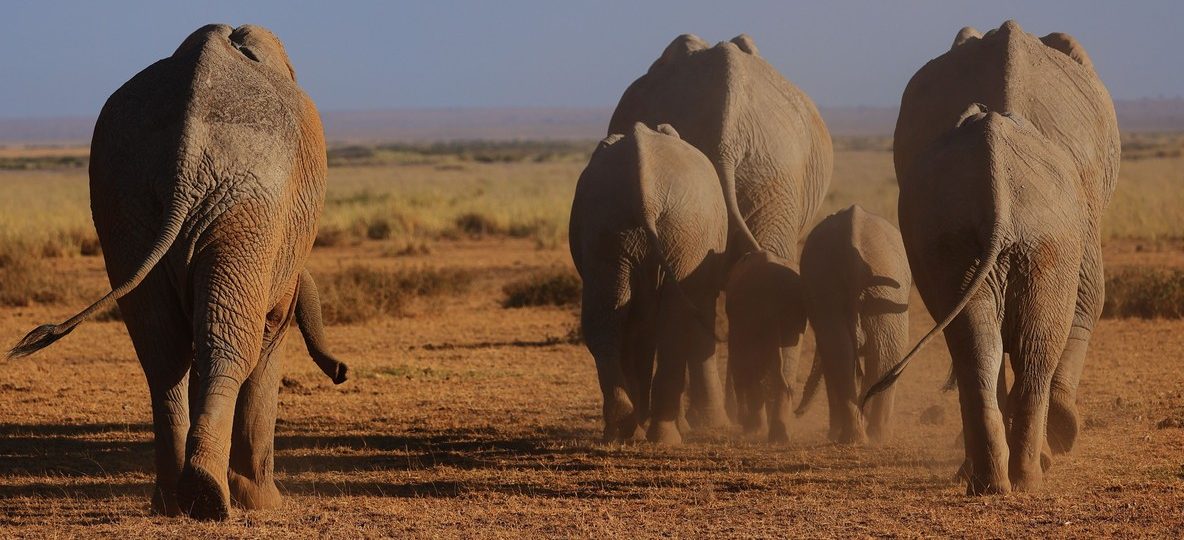
Team Lioness formed in 2019 under the Olgulului Community Wildlife Rangers Association, bordering Amboseli National Park. It was Kenya’s first all-women ranger unit. It proved women could handle armed foot patrols, snare removal and elephant monitoring just as effectively as men. The unit patrols group ranches on Amboseli’s edge. Elephants regularly cross this area, outside the park boundary, into farmland.
Since Team Lioness launched, similar units have opened across Kenya. Each one is shaped by its own community and terrain, rather than copying the Amboseli model exactly.
Sheldrick Wildlife Trust: Women on the Anti-Poaching Front Line in Tsavo
The David Sheldrick Wildlife Trust runs anti-poaching teams across the Tsavo ecosystem, Kibwezi Forest and the Galana-Kulalu region, working alongside KWS. Women now serve on several of these mobile units. They walk multi-day foot patrols to pull snares, monitor elephant herds and respond to human-wildlife conflict calls from nearby villages.
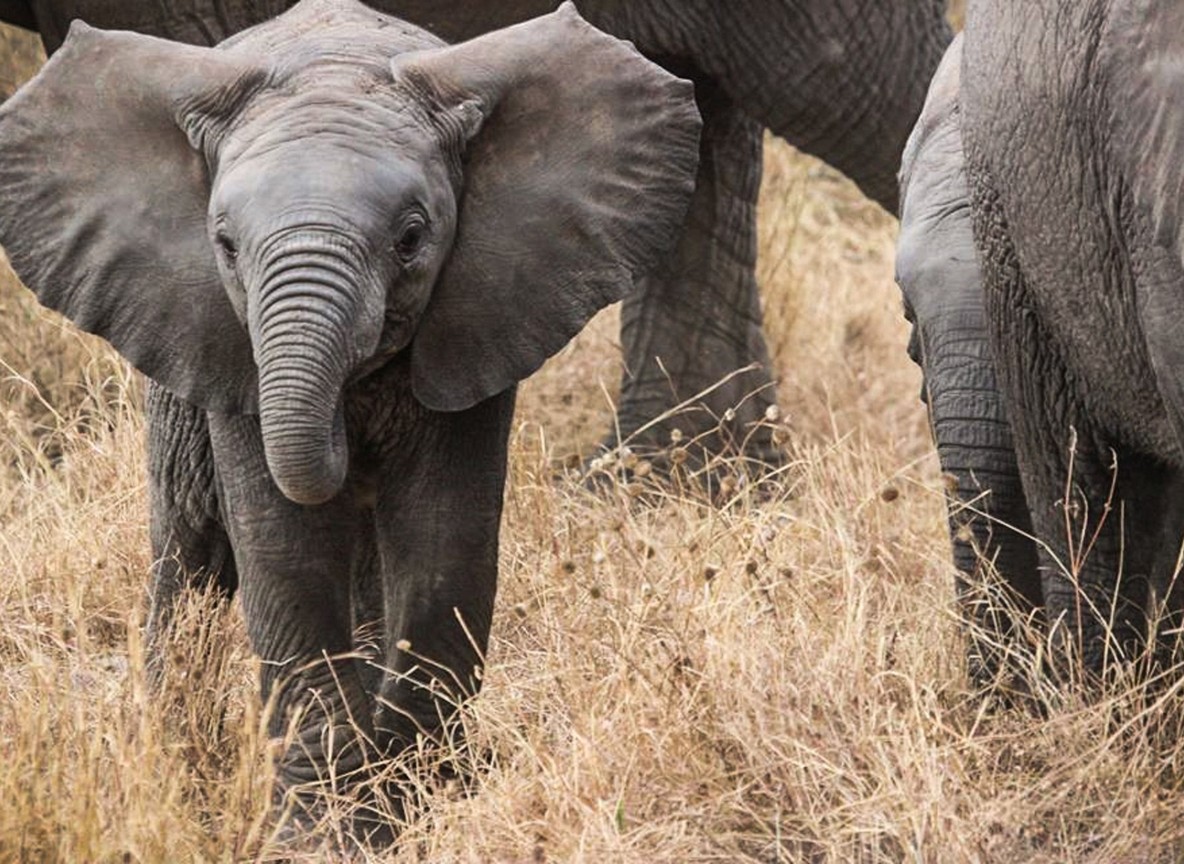
Visitors cannot join these bush patrols directly. But the Trust’s Nairobi Nursery is open daily, and it funds the same anti-poaching teams working in the field. Orphaned elephants are hand-raised there before release into Tsavo.
Ol Pejeta and Lewa: Female Rangers Protecting the Last Northern White Rhinos
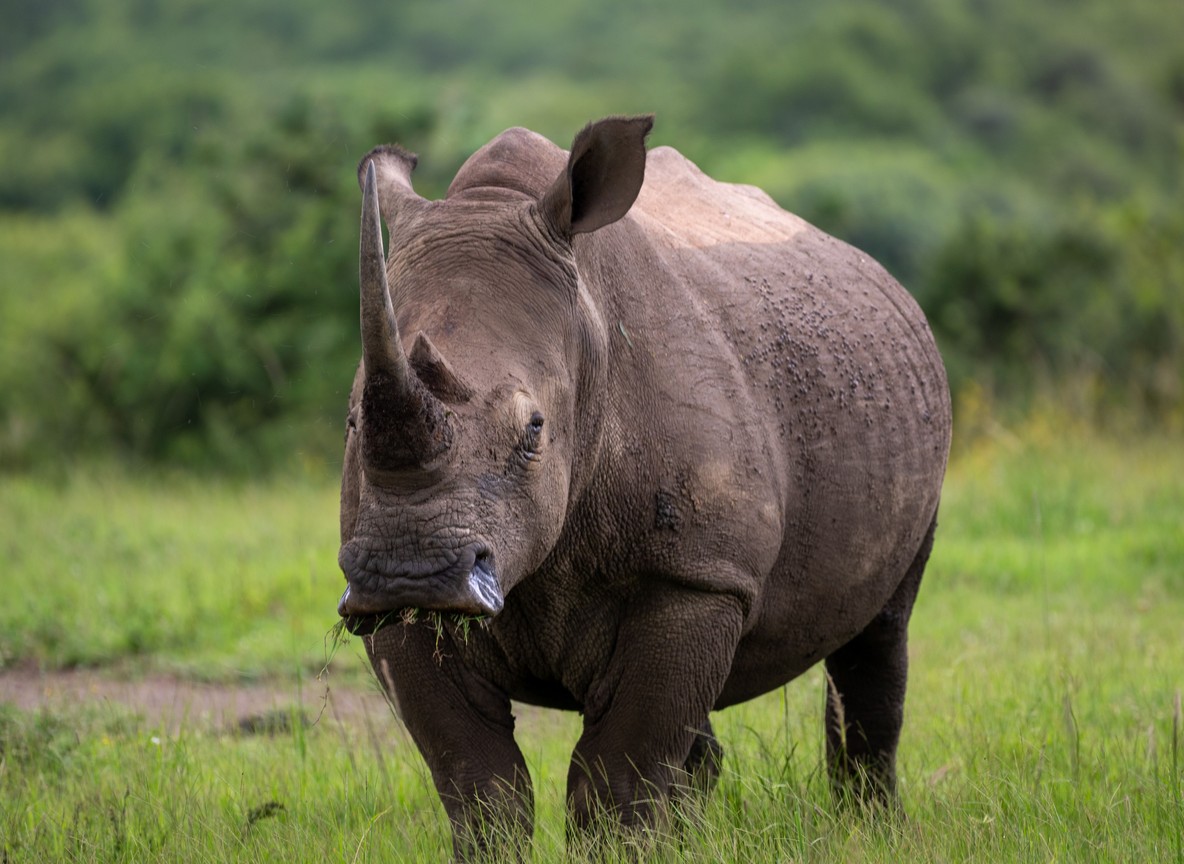
Ol Pejeta Conservancy in Laikipia is home to the last two northern white rhinos on Earth. Its ranger force includes women trained in armed patrol, canine handling and 24-hour rhino monitoring. Neighboring Lewa Wildlife Conservancy runs a similar model. Female rangers there work rotating shifts alongside a canine tracking unit across its black rhino sanctuary.
Both conservancies sit inside Laikipia’s wider conservation landscape. Private ranches, community land and KWS oversight combine here into one of the densest rhino protection networks in East Africa.
Northern Rangelands Trust: Women Rangers Across 43 Conservancies
The Northern Rangelands Trust (NRT) supports 43 community conservancies spanning roughly 42,000 km² across northern and coastal Kenya, including Namunyak and Sera in Samburu County. NRT actively recruits women rangers into these community-run units, a deliberate shift in a region where ranger work was historically closed to women entirely.
Sera Conservancy, part of the NRT network, hosts East Africa’s first community-owned rhino sanctuary. Its rangers, including women, monitor a growing black rhino population reintroduced there since 2015.
Kenya’s Female Ranger Units at a Glance
| Unit / Program | Managing Body | Core Focus | Founded |
|---|---|---|---|
| Team Lioness | Olgulului Community Wildlife Rangers Association | Foot patrols, snare removal, elephant monitoring | 2019 |
| Sheldrick Wildlife Trust Anti-Poaching Teams | David Sheldrick Wildlife Trust with KWS | Mobile bush patrols, orphan elephant rescue support | 1990s (women added later) |
| Ol Pejeta Rangers | Ol Pejeta Conservancy under KWS oversight | Rhino monitoring, canine tracking, armed patrol | Conservancy est. 1993 |
| Lewa Rangers | Lewa Wildlife Conservancy under KWS oversight | Black rhino sanctuary patrol, canine unit | Conservancy est. 1995 |
| NRT Women Rangers | Northern Rangelands Trust (43 conservancies) | Community patrol, rhino monitoring at Sera Sanctuary | NRT est. 2004 |
Founding dates refer to the parent organization or conservancy; most women’s ranger integration expanded between 2019 and 2026.
Where to Meet Them: Real Distances, Fees and Access
None of these programs exist to be tourist attractions, but several sit inside conservancies that welcome visitors and fund ranger salaries directly through park and conservancy fees.
| Site | Size / Coverage | Distance & Time from Nairobi | Indicative Visitor Fee |
|---|---|---|---|
| Amboseli National Park (Team Lioness area) | approx. 392 km² | approx. 240 km / 4 hrs drive (Meshanani Gate) | Indicative USD 60-80/day, non-resident adult |
| Sheldrick Wildlife Trust Nairobi Nursery | Within Nairobi National Park | approx. 10 km / 25-30 min drive from city center | Indicative USD 10 donation entry |
| Ol Pejeta Conservancy | approx. 364 km² | approx. 200 km / 3.5-4 hrs drive (Rongai Gate) | Indicative USD 90-100/day, non-resident adult |
| Lewa Wildlife Conservancy | approx. 250 km² | approx. 200 km / 4 hrs drive via Nanyuki | Indicative USD 100/day, non-resident adult |
| NRT Conservancies (Namunyak/Sera area) | NRT network approx. 42,000 km² | approx. 345 km / 6-7 hrs drive or 1 hr flight to Samburu | Indicative USD 40-70/day, varies by conservancy |
Fees are indicative ranges only, since conservancies and KWS revise pricing periodically. Trunktrails Safaris confirms current rates when building your itinerary.
How Female Rangers Train: Inside KWS Manyani
Most KWS rangers, women included, train at the Manyani Field Training School near Tsavo. The course covers weapons handling, wildlife law, first aid, tracking and physical endurance drills over several months. Conservancy-run units like Ol Pejeta and NRT often run parallel training with KWS instructors, then add specialized skills such as canine handling or community mediation on top of the base curriculum.
Recruits describe the training as identical for men and women, with no separate physical standard. That equal standard is part of why these units earn trust quickly among communities who once doubted whether women could hold the job.
Why Female Rangers Change Conservation Outcomes
Research cited by conservation groups working across Kenya points to a consistent pattern. Female ranger units report fewer violent confrontations during patrols, better cooperation from local communities, and stronger intelligence gathering on poaching networks. Women rangers often live inside the communities they patrol, which shortens the distance between a tip about a snare line and a ranger acting on it.
There is also a wider ripple effect. When a conservancy pays a woman a steady ranger salary, her household budget shifts. Money spent on school fees and food often rises, and neighboring families start to see wildlife protection as a livelihood rather than a threat to grazing land. That shift is slow, but it compounds across a region like Laikipia or Samburu over several years.
The Trunktrails Advantage
Trunktrails Safaris is a Kenyan-owned operator, so our guides do not learn about female ranger units from articles. Many of us have relatives or neighbors who work these patrols in Amboseli, Laikipia and Samburu. When you book tours and safaris with Trunktrails Safaris, we can route your itinerary through conservancies where these units actively operate, and explain exactly how your conservancy fees support ranger salaries and equipment.
We also keep current on which sites allow ranger meet-and-greets or briefing sessions, since access changes with security conditions and conservancy schedules. Every trip Trunktrails Safaris plans through Ol Pejeta, Lewa, Amboseli or the NRT conservancies puts your travel budget directly behind the people doing this work. 🦁
Frequently Asked Questions
Can I meet female rangers on a Kenya safari? Direct meet-and-greets vary by site and security conditions. Ol Pejeta, Lewa and NRT conservancies occasionally host ranger briefings for guests. Trunktrails Safaris checks current access before adding this to an itinerary.
Do female rangers carry weapons like male rangers? Yes. Armed female rangers in units like Team Lioness, Ol Pejeta and Sheldrick Wildlife Trust’s anti-poaching teams complete the same weapons and combat training as men.
Which conservancy has the most established female ranger program? Team Lioness near Amboseli is the longest-running dedicated women’s unit, active since 2019. Ol Pejeta and NRT run larger integrated programs with women serving across mixed-gender teams.
Plan a Safari That Supports Kenya’s Female Rangers
Further reading
More safari planning resources
- Ol Pejeta and Sweetwaters safari package from Valley Safaris
- Amboseli National Park guide on Touring Insights
- Big Five safari collection on FindMySafari
- Map of Amboseli from Valley Safaris
The clearest way to understand what these women protect is to see it yourself, in Amboseli, Laikipia or Samburu, with guides who know the rangers by name. Message Trunktrails Safaris on WhatsApp at +254 113 208888 or email info@trunktrailssafaris.com to build a Kenya safari that routes through the conservancies where female ranger units are actively changing conservation outcomes. Our team will confirm current fees, access and the best season to travel. 📸