
Best Time to Visit the Masai Mara: A Month-by-Month Guide
Picking the best time to visit Masai Mara comes down to three things. What wildlife you want to see, how many other vehicles you want to share it with, and your budget. Trunktrails Safaris runs tours and safaris into the Masai Mara in every month of the year, and no two months look the same on the ground. This guide walks through the reserve month by month. You get real weather patterns, migration timing, and indicative costs, so you can match your trip to the season that fits you best.
Masai Mara Weather and Wildlife, Month by Month
The Masai Mara National Reserve covers about 1,510 square kilometers of rolling grassland in southwest Kenya. Its climate splits into four rough blocks: a hot dry spell, long rains, a cooler dry season, and short rains. Here is what to expect each month.
| Month | Avg Temp Range | Rainfall Pattern | Migration Status | Crowd Level |
|---|---|---|---|---|
| January | 15-28°C | Light, scattered | Herds in southern Serengeti | Moderate |
| February | 16-29°C | Dry, hottest stretch | Herds calving in Serengeti | Moderate |
| March | 16-27°C | Long rains begin | Herds still south | Low |
| April | 15-25°C | Long rains peak | Herds moving north | Very low |
| May | 14-25°C | Rains tapering | Herds approaching Mara | Low |
| June | 13-26°C | Mostly dry | First arrivals possible | Moderate |
| July | 13-27°C | Dry season | Migration enters the Mara | High |
| August | 13-27°C | Dry season | Peak river crossings | Very high |
| September | 13-28°C | Dry season | Crossings continue | Very high |
| October | 14-28°C | Dry, short rains near end | Herds start moving south | High |
| November | 15-27°C | Short rains | Herds mostly departed | Low |
| December | 15-28°C | Short rains tapering | Resident wildlife only | Moderate |
These are typical averages built from years of dry-season and rainy-season patterns rather than exact forecasts, so pack for some variation either way.
Best Months for the Great Migration (June to October)
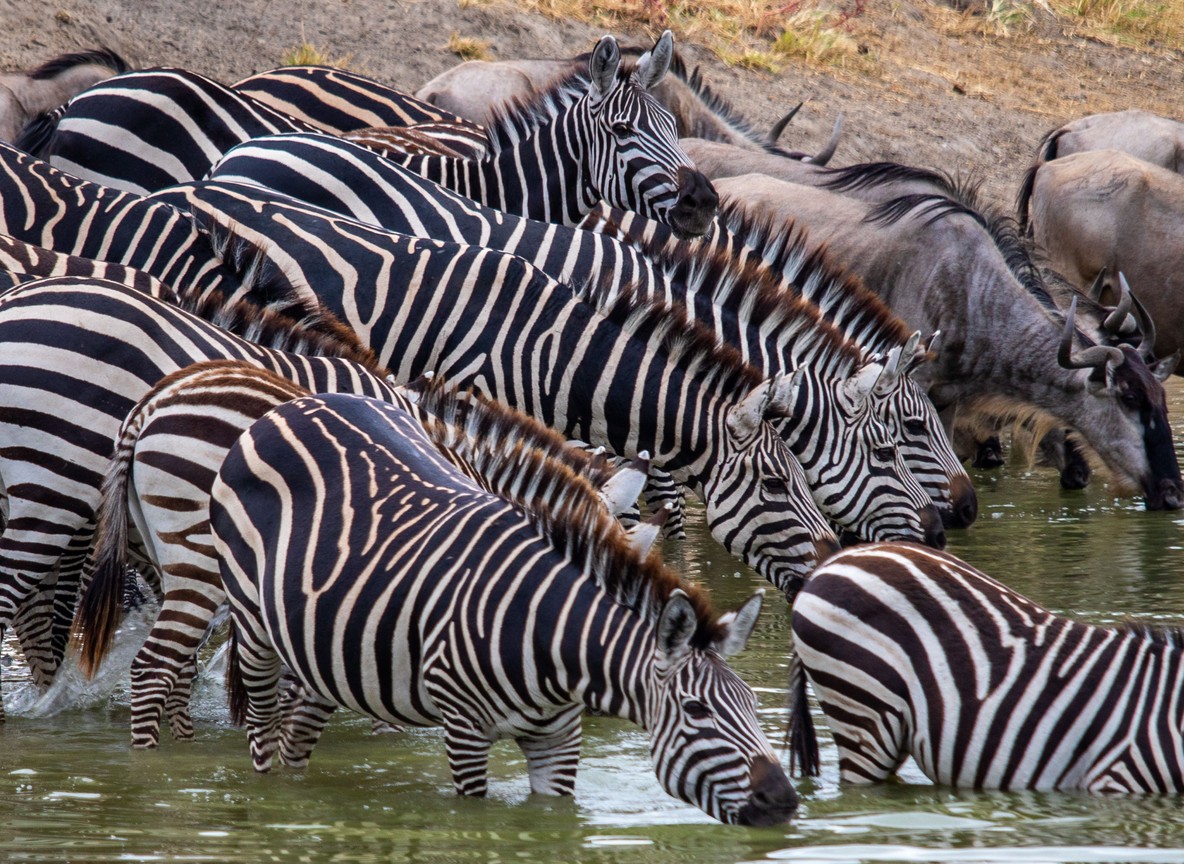
If the wildebeest migration is the reason for your trip, June through October is your window. The herds typically start crossing into the Masai Mara from the Serengeti around late June or early July. The famous Mara River crossings peak between August and September, when over a million wildebeest and zebra move through the reserve. By late October, the herds begin drifting back south toward Tanzania.
This is also the busiest and most expensive stretch of the year. Camps near the river, such as Governors’ Camp and Kicheche Mara Camp, book out months in advance for August and September dates. If witnessing a crossing is non-negotiable for you, this is the trade-off worth making.
Best Months for Value and Quiet (April, May, November)
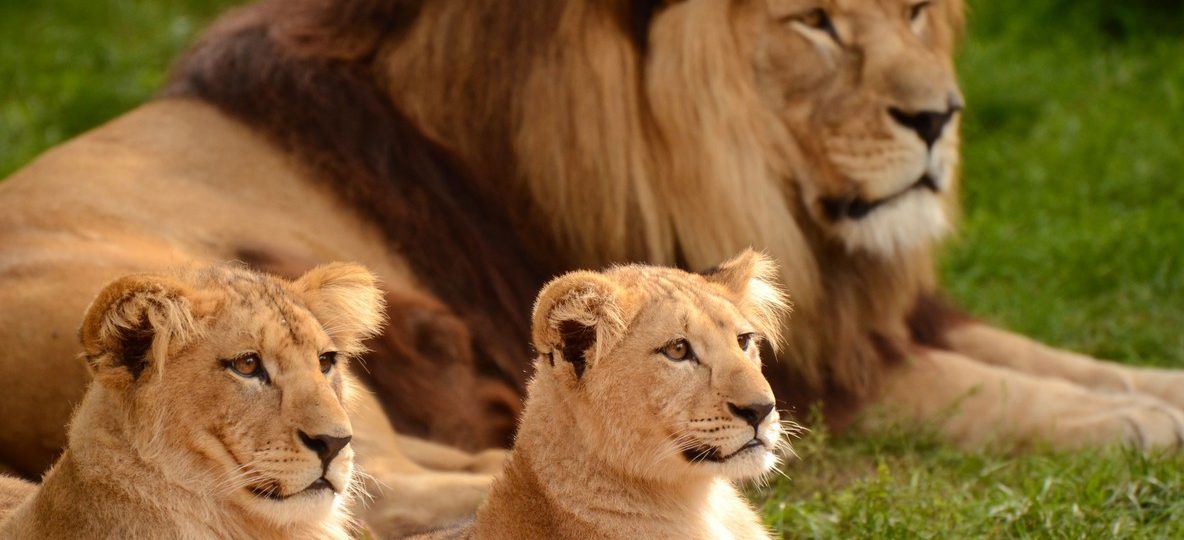
For travelers who want lower rates and fewer vehicles at every sighting, April, May, and November are the sweet spot. Many camps drop rates by 20 to 40 percent below peak season, and you can go hours without seeing another safari vehicle. The landscape turns a deep green and newborn impala and topi appear across the plains. Resident predators like the Marsh Pride lions stay just as active as in high season.
The trade-off is rain. April usually brings the heaviest showers, often as short afternoon downpours rather than all-day rain, and some remote conservancy roads can get muddy. May and November are gentler and are often the best-kept secret for a Masai Mara trip on a tighter budget.
Hot Dry Season: January and February
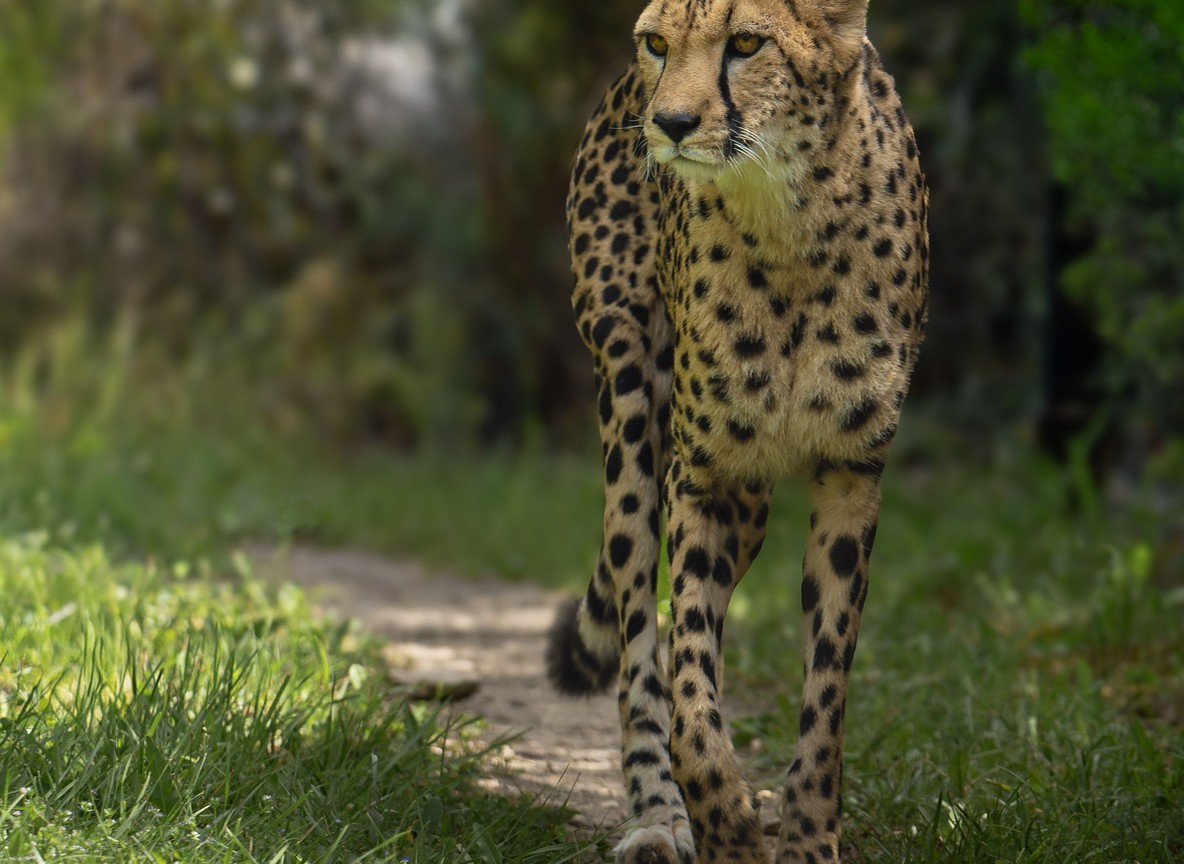
January and February sit between the short rains and the long rains. You get warm days, clear skies, and excellent visibility for spotting cheetah and leopard against short grass. The wildebeest herds are still down in the southern Serengeti during this stretch, calving on the short-grass plains, so this is not migration season in the Mara. What you get instead is dependable weather and strong resident game viewing without the crowd levels of July through September.
Long Rains: March to May
March brings the start of Kenya’s long rains, which build through April before tapering off in May. Grass grows tall and fast, tracks can turn slippery, and some lodges close for maintenance during the wettest weeks of April. In exchange, this is the greenest, most photogenic version of the Mara. Bird life explodes with migratory species, and it is consistently the cheapest time to book camps and lodges across the reserve.
Masai Mara Seasons at a Glance
| Season | Months | Migration | Price Level | Best For |
|---|---|---|---|---|
| Peak dry | Jul-Oct | River crossings | Highest | Migration chasers |
| Cooler dry | Jun | Herds arriving | Moderate-high | Early migration, fewer crowds |
| Hot dry | Jan-Feb | Not present | Moderate | Cats and clear skies |
| Long rains | Mar-May | Not present | Lowest | Value, birding, quiet |
| Short rains | Nov-Dec | Not present | Moderate | Quiet, resident wildlife |
How to Get to the Masai Mara Any Time of Year
However you time your trip, getting there stays the same. Most travelers fly from Nairobi’s Wilson Airport into one of the Mara’s airstrips, including Keekorok, Musiara, Ol Kiombo, or Mara Serena. The flight takes roughly 45 minutes. Driving from Nairobi covers about 270 kilometers and takes five to six hours, depending on road conditions through Narok.
Entry into the reserve itself runs through gates including Sekenani, Oloolaimutia, Talek, and Musiara. Non-resident park fees typically run around 80 US dollars per adult per day as an indicative figure. Always confirm current rates before booking, since county fees change periodically. Private conservancies bordering the reserve, such as Mara North and Naboisho, charge separate conservancy fees that are often bundled into camp rates.
Road conditions matter more than most travelers expect. The murram tracks around Talek and the Sand River area turn slick fast once the long rains hit in April. Some camps switch to four-wheel-drive-only transfers during that window. If you are flying in during peak migration months, book your airstrip transfer early. Keekorok and Musiara airstrips get busy with multiple charter flights landing within the same hour.
What to Pack for Each Masai Mara Season
Packing changes more than people expect between seasons. For the hot dry months of January, February, and the peak migration stretch from July to October, pack light layers for cool early morning game drives. Add a wide-brim hat and strong sun protection, since daytime temperatures climb quickly under clear skies. For the long rains from March to May, add a waterproof jacket, closed shoes instead of sandals, and a dry bag for camera gear. Afternoon showers arrive with little warning.
Evenings and early morning drives stay cool in every month, even when the reserve’s average temperature range sits in the mid-20s Celsius. A fleece or light jacket earns its space in your bag no matter which month you choose. Binoculars matter more in green season, when tall grass means spotting wildlife rewards patience over proximity.
The Trunktrails Advantage
Trunktrails Safaris plans Masai Mara trips around your calendar, not a fixed template. Our guides track the migration’s actual position week by week rather than relying on generic dates. If you are chasing river crossings, we place you where the herds are moving, not where they were last year. If you are traveling in green season, we build in the conservancies and walking safaris that make the quiet months just as rewarding.
Every Masai Mara itinerary from Trunktrails Safaris includes vetted camps and licensed guides who know the individual prides by name. Pricing stays transparent, with no hidden park fee surprises. Whether you book tours and safaris for August’s crossings or April’s quiet grasslands, our team matches the month to what you actually want to see.
When Should You Book Your Masai Mara Safari?
There is no single correct month, only the correct month for your priorities. Choose July through October for migration drama and accept the crowds and higher prices. Choose April, May, or November for value, solitude, and lush scenery. Choose January or February for reliable dry weather and outstanding cat sightings without migration-season pricing. Every month in the Masai Mara delivers real wildlife, the only question is which version of the reserve you want to see. 🌍
Further reading
More safari planning resources
- Best time to visit Kenya month-by-month map from Valley Safaris
- Best time to visit Kenya on Touring Insights
- Great Migration safari collection on FindMySafari
- Wildebeest migration route map from Valley Safaris
Ready to lock in your dates? Message Trunktrails Safaris on WhatsApp at +254 113 208888 or email info@trunktrailssafaris.com. Our team will build a Masai Mara itinerary around the exact month that fits your trip, your budget, and your wildlife wish list. Visit trunktrailssafaris.com to see current tours and safaris departures and start planning today. 🦁