
Kenya Camping Safaris: A Complete Guide for Adventurous Travelers 🌍
Kenya camping safaris put you closer to the bush than any lodge stay can. You fall asleep to hyena calls outside canvas walls. Then you wake up to hippo grunts near the river and step outside your tent into the same dust the wildlife walks on. For travelers who want the real African wilderness experience rather than a polished hotel version of it, camping is the answer.
This guide breaks down the real options for kenya camping safaris, from basic public campsites to fully staffed mobile tented camps. You will find actual gate distances, drive times, and indicative costs for the parks that work best for camping. The practical details that make or break a trip are all here too. Trunktrails Safaris builds camping itineraries across Kenya’s top parks, and this guide reflects how we actually plan them.
What Counts as a Camping Safari in Kenya
Not every canvas structure in Kenya is a “camping safari” in the adventurous sense. It helps to separate the categories before you book anything.
Public campsites are basic, unfenced sites inside or near a park boundary, often shared with other groups. You bring or hire your own tent, cooking gear, and a KWS-registered guide or ranger for security. These sit at the budget end of tours and safaris pricing.
Special campsites are reserved exclusively for your group for the night. They sit a short drive from the public site, with no other campers sharing the ground. Expect to pay more than public sites, but you get privacy and quieter nights in return.
Mobile tented safaris move with you. A full crew, cook, and camp staff set up a proper walk-in tent at each new location. It comes with real beds, a bucket shower, and a long-drop or portable toilet. The crew then breaks it down and moves ahead of you to the next stop. This is the classic East African “flying camp” style of adventure, and it is what most travelers picture when they imagine a Kenya camping safari.
Permanent tented camps look like canvas but function like lodges, with solid floors, en-suite bathrooms, and fixed locations. They are comfortable, but they are not really camping in the adventurous sense this guide covers.
Best Parks for Camping Safaris in Kenya
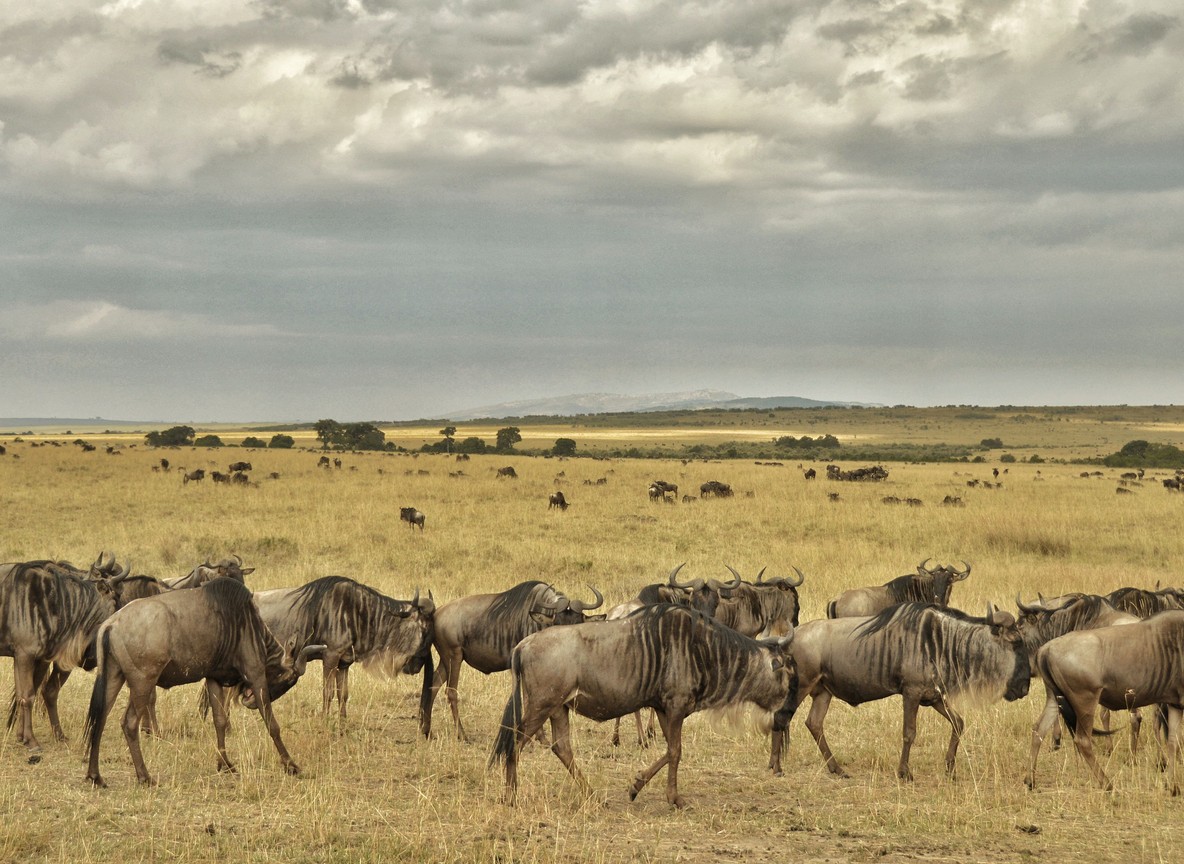
Kenya has several parks and reserves where camping works particularly well, each with a different character.
The Masai Mara National Reserve is the headline choice, with public campsites like Oloolaimutia near Sekenani Gate and several riverside options along the Talek River. Wildlife density is unmatched, especially outside the July to October migration crowds.
Amboseli National Park offers camping with Mount Kilimanjaro as a backdrop, particularly striking at sunrise. Public campsites sit near Kimana and Meshanani Gates, both a manageable drive from Nairobi.
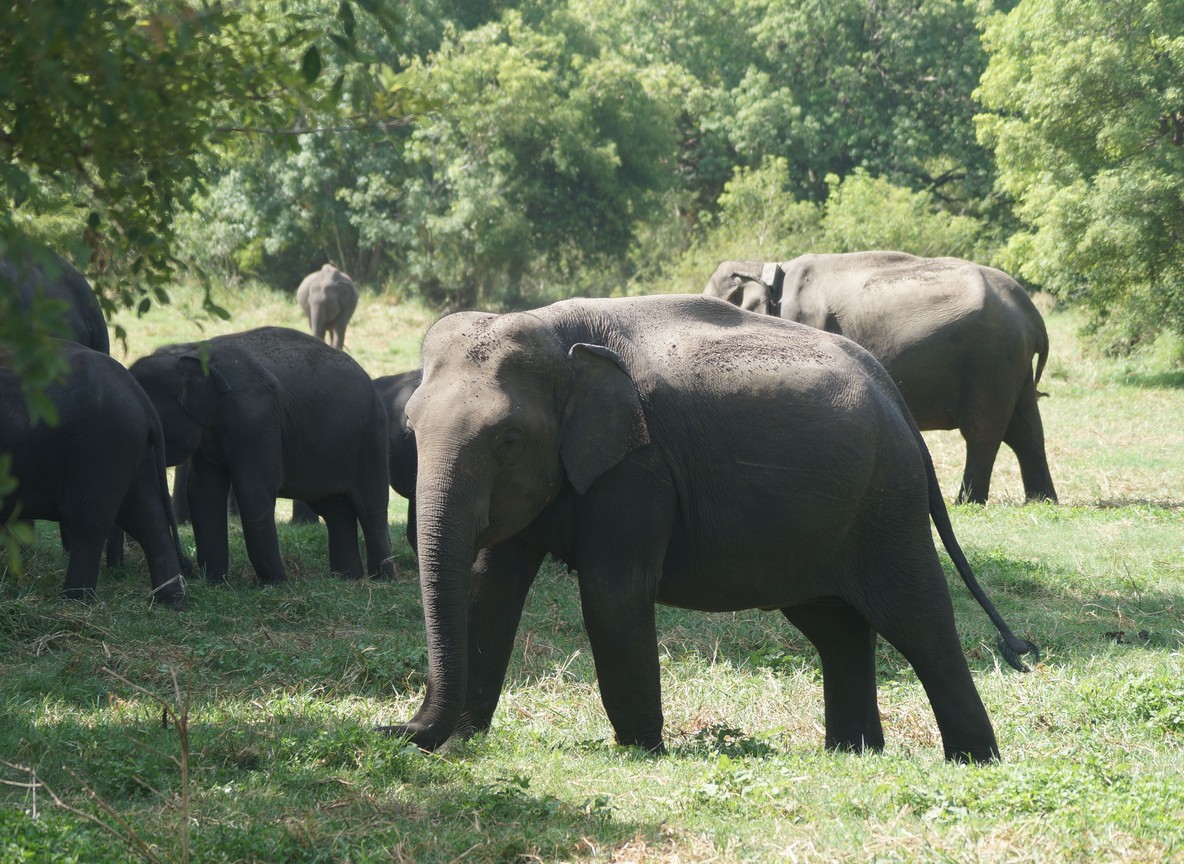
Tsavo East and Tsavo West are Kenya’s largest protected areas and reward campers with genuine wilderness solitude. Fewer vehicles means longer, quieter game drives, and the red-dust elephants of Tsavo East are a signature sight.
Samburu National Reserve in the north brings a different ecosystem entirely, dry riverine bush along the Ewaso Nyiro River. You will find species here that you will not see farther south, including Grevy’s zebra and reticulated giraffe.
Lake Nakuru National Park works well as a shorter camping trip from Nairobi, combining flamingo-lined shores with rhino sanctuary sightings in a compact, fenced park.
Kenya Camping Safari Facts at a Glance
| Fact | Detail |
|---|---|
| Cheapest camping style | Public campsite, self-drive or budget group tour |
| Most immersive style | Mobile tented safari with full crew |
| Largest park option | Tsavo East, approximately 13,747 km2 |
| Smallest park option | Lake Nakuru National Park, approximately 188 km2 |
| Closest camping park to Nairobi | Lake Nakuru National Park, roughly 160 km |
| Best camping season | June to October and January to February (dry, firmer roads) |
| Wettest months to avoid | April and May (long rains, muddy tracks) |
Gate Distances, Drive Times, and Indicative Camping Costs
Route planning matters as much as camp choice. Here is what the logistics look like from Nairobi for the top camping destinations.
| Park / Reserve | Access Gate | Distance from Nairobi | Drive Time | Park Size | Indicative Camping Fee (per person/night, non-resident) |
|---|---|---|---|---|---|
| Masai Mara National Reserve | Sekenani Gate | ~270 km | ~5 to 6 hours | ~1,510 km2 | USD 20 to 30 (public), USD 30 to 45 (special) |
| Amboseli National Park | Kimana Gate | ~240 km | ~4 to 5 hours | ~392 km2 | USD 20 to 25 (public), USD 25 to 35 (special) |
| Tsavo East National Park | Voi Gate | ~330 km | ~5 hours | ~13,747 km2 | USD 15 to 25 (public), USD 25 to 30 (special) |
| Tsavo West National Park | Mtito Andei Gate | ~230 km | ~4 hours | ~9,065 km2 | USD 15 to 25 (public), USD 25 to 30 (special) |
| Samburu National Reserve | Archer’s Post Gate | ~325 km | ~5 to 6 hours | ~165 km2 | USD 20 to 30 (public), USD 30 to 40 (special) |
| Lake Nakuru National Park | Main (Nderit) Gate | ~160 km | ~2.5 to 3 hours | ~188 km2 | USD 15 to 20 (public), USD 20 to 25 (special) |
All camping fees above are indicative planning ranges only, since park authorities and county reserves revise rates periodically. Mobile tented safari packages instead bundle camping fees into a per-day rate that also covers crew, meals, and transport. Trunktrails Safaris confirms exact fees at the time of booking.
Public Campsite vs Mobile Tented Safari
Choosing between a bare-bones public campsite and a fully serviced mobile tented safari comes down to three things. Those are budget, comfort tolerance, and how much planning you want to handle yourself.
| Factor | Public Campsite | Mobile Tented Safari |
|---|---|---|
| Setup | You bring or hire your own tent and gear | Crew sets up walk-in tents with real beds |
| Privacy | Shared with other campers, no fencing | Exclusive to your group, often relocated nightly |
| Meals | Self-catered or basic camp cooking | Full-service cook prepares all meals |
| Facilities | Pit latrine, no running water at most sites | Bucket shower, portable toilet, sometimes solar power |
| Guide and security | Hired separately, often a KWS ranger | Included with dedicated safari guide |
| Best for | Backpackers, overland groups, tight budgets | Families and couples wanting real wilderness without roughing it fully |
| Indicative daily cost | Lowest in the market | Mid-range, comparable to a budget lodge stay |
What to Pack for a Kenya Camping Safari
A good camping kit keeps the trip comfortable rather than stressful. Bring a warm sleeping bag rated for near-freezing nights. Temperatures at higher-altitude parks like the Mara or Nakuru can drop sharply after dark, even in the dry season. Pack a reliable headlamp, closed shoes for walking around camp at night, and neutral-colored clothing that will not attract insects. A dry bag protects electronics during the rainy months, and a refillable water bottle cuts down on plastic waste across every camp you visit. Trunktrails Safaris shares a full packing checklist with every camping safari booking, tailored to the season and the specific parks on your itinerary.
Safety and Logistics for Camping in the Bush
Camping inside or near a Kenyan national park means sharing the landscape with wildlife that can walk straight through camp at night. Reputable operators post an armed ranger or trained guide at every campsite after dark. Campers are briefed never to leave their tent alone once the sun sets. Fires are usually restricted to designated pits, and food is stored away from sleeping areas to avoid attracting hyenas or baboons. None of this should discourage you. Thousands of travelers complete safe, memorable Kenya camping safaris every year. The risk profile drops sharply once you camp with an experienced crew instead of attempting it solo.
The Trunktrails Advantage
Trunktrails Safaris is a Kenyan-owned operator, and camping safaris are where our local knowledge matters most. We know which public campsites sit closest to good morning game drives, and which special campsites are worth the extra fee for a quieter night. Our mobile tented safaris use experienced crews who have worked the Mara, Amboseli, Tsavo, and Samburu circuits for years. Your camp goes up fast, and your meals arrive hot even after a long game drive. Every Trunktrails Safaris camping itinerary is built around your comfort level. That could mean a rugged public campsite trip or a fully staffed mobile safari with proper beds. Our tours and safaris packages include transparent, indicative pricing from the first quote, so you know what a camping trip actually costs before you commit. Trunktrails Safaris also partners directly with community-run and conservancy campsites, which keeps more of your camping fee inside the local economy that protects these parks.
Ready to Sleep Under Kenyan Stars?
Further reading
More safari planning resources
- Kenya national parks map from Valley Safaris
- Tsavo complete guide on Touring Insights
- Tsavo destination guide on FindMySafari
- Map of Tsavo from Valley Safaris
A Kenya camping safari gives you a version of the wilderness that no lodge can match, close enough to hear the bush breathing at night. Maybe you want a budget public campsite trip through the Mara. Or perhaps a full mobile tented safari across Amboseli and Tsavo suits you better. Either way, Trunktrails Safaris can build the route, book the camps, and staff the crew. Message us on WhatsApp at +254 113 208888 or email info@trunktrailssafaris.com to start planning your camping tours and safaris itinerary today. 📸

