Best Time to Visit Kenya for Safari: A Month-by-Month Guide 🌍
Planning a Kenya safari starts with one question: when should you go? The honest answer is that Kenya rewards visitors in every month of the year, but the wildlife, weather, and crowds shift dramatically depending on when you arrive. If you want to watch 1.5 million wildebeest cross the Mara River, that window is different from the one you need for calving season in the Masai Mara, or for world-class birding in the Rift Valley, or for a quiet, affordable escape during the green season.
This guide gives you the real picture for the best time to visit Kenya for safari, month by month. No vague seasonal summaries. Just the information you need to match your travel dates to the experience you actually want. At Trunktrails Safaris, we have spent years refining this calendar with our clients, and it drives how we build every itinerary we offer.
Kenya Safari Seasons at a Glance
Kenya has two dry seasons and two wet seasons each year. These are not rigid lines; rain can arrive early or linger late. But the broad pattern holds year after year.
| Month | Conditions | Key Wildlife Event | Crowds | Price Tier |
|---|---|---|---|---|
| January | Hot and dry | Calving season in Masai Mara/Serengeti border | Low-moderate | Mid |
| February | Hot and dry | Calving continues; best cheetah activity | Low | Mid |
| March | Short rains begin | Pre-migration herds still in south | Low | Low-Mid |
| April | Long rains (heavy) | Green season; newborn wildlife | Very low | Low |
| May | Long rains | Lush landscapes; excellent birding | Very low | Low |
| June | Rains clear | Herds moving north; early migration | Moderate | Mid-High |
| July | Cool and dry | Great Migration first crossings at Mara River | High | High |
| August | Dry and warm | Peak migration crossings; big cat action | Very high | Peak |
| September | Dry | Late migration; wildebeest still in Mara | High | High |
| October | Dry ending; short rains start | Herds moving south | Moderate | Mid |
| November | Short rains | Green season; birding peaks | Low | Low-Mid |
| December | Usually dry | Christmas herds; festive pricing | Moderate-high | High |
This table is the foundation. The sections below fill in the detail for each window so you can decide which trade-offs make sense for your trip.
January and February: The Case for Kenya Safari January-February 🐆
January and February are the most underrated months on the Kenya safari calendar. The long dry season has just ended, the rains have moved south, and the Masai Mara and its border with the Serengeti are alive with newborn wildebeest calves.
Calving season runs from roughly late January through March in the southern Serengeti, but the calves that survive those first weeks begin appearing in the Mara ecosystem in January. This is prime time for predator action. Cheetahs are at peak activity because calves are abundant and the grass is short enough for long-distance chases. Lions and leopards are similarly active.
For kenya safari january february, you also get lower lodge prices than the July-September peak, and the parks are noticeably quieter. You can often have a sighting to yourself. Amboseli National Park, with its iconic Kilimanjaro backdrop, is at its most photogenic in January when the mountain is clear of cloud.
Best parks for this window: Masai Mara, Amboseli, Samburu, Laikipia Plateau.
March: The Transition Month
March sits at the edge of the long rains. In the first two weeks, conditions are still dry and game viewing is excellent. By the third week, showers begin, the grass greens up fast, and wildlife disperses across the plains.
March is a good choice for budget-conscious travellers who want dry-season sightings at lower prices. Book the first two weeks if possible. The herds have not yet begun their northward migration, so the Mara is home to resident wildlife in large numbers.
One underrated option in March is a Laikipia safari. The plateau’s conservancies rarely flood, and the black rhino population here is among Kenya’s most accessible.
April and May: Green Season Safari
April and May are the green season in Kenya. The long rains are at their peak, and the savannah turns a vivid, almost implausible shade of emerald. This is when you will get the lush landscape photographs that look too beautiful to be real.
The trade-offs are real: some roads become difficult, certain smaller camps close for annual maintenance, and you will spend more time waiting out afternoon storms. But the rewards are significant.
Green season is peak time for Kenya’s birding safari months. Migratory birds from Europe and Asia are still present, Eurasian rollers flash their electric plumage, and the flowering acacia attract dozens of species at once. For birders, April and May rival any period on the calendar.
Wildlife is present but dispersed. Predators are harder to locate because prey animals spread across the newly lush plains rather than clustering at waterholes. You compensate with dramatic skies, near-empty camps, and rates that are often 30-40% lower than peak season.
For clients who value exclusivity and have flexibility on itinerary, our Trunktrails Safaris tours and safaris during the green season deliver an experience that simply cannot be replicated in peak month crowds.
June: The Great Migration Begins
June is the start of the primary dry season and the trigger for one of nature’s most dramatic spectacles. Wildebeest herds that spent the wet season in the southern Serengeti begin their northward push in earnest, following the rains and the new grass.
By mid to late June, the front of the migration column is reaching the Masai Mara. The Mara River crossings, where wildebeest plunge into crocodile-filled water in their thousands, typically begin in late June or early July. The timing varies by up to three weeks from year to year depending on rainfall patterns.
June is also when the Masai Mara’s permanent resident wildlife is fully active: large elephant herds, buffalo wallowing in every pan, and the Mara’s famous lion prides often visible from vehicles. For masai mara great migration timing, June is the entry point if you want to be there for first crossings without paying full peak-season rates.
Trunktrails Safaris tip: Book June travel at least five to six months in advance. The best camps fill for July and August first, then clients shift to June. Availability disappears faster than most first-time visitors expect.
July and August: Kenya Safari Peak Season
July and August are the most popular months for Kenya safari for good reason. These are the peak of the kenya safari peak season, and they deliver the combination of events that most people picture when they imagine an African safari.
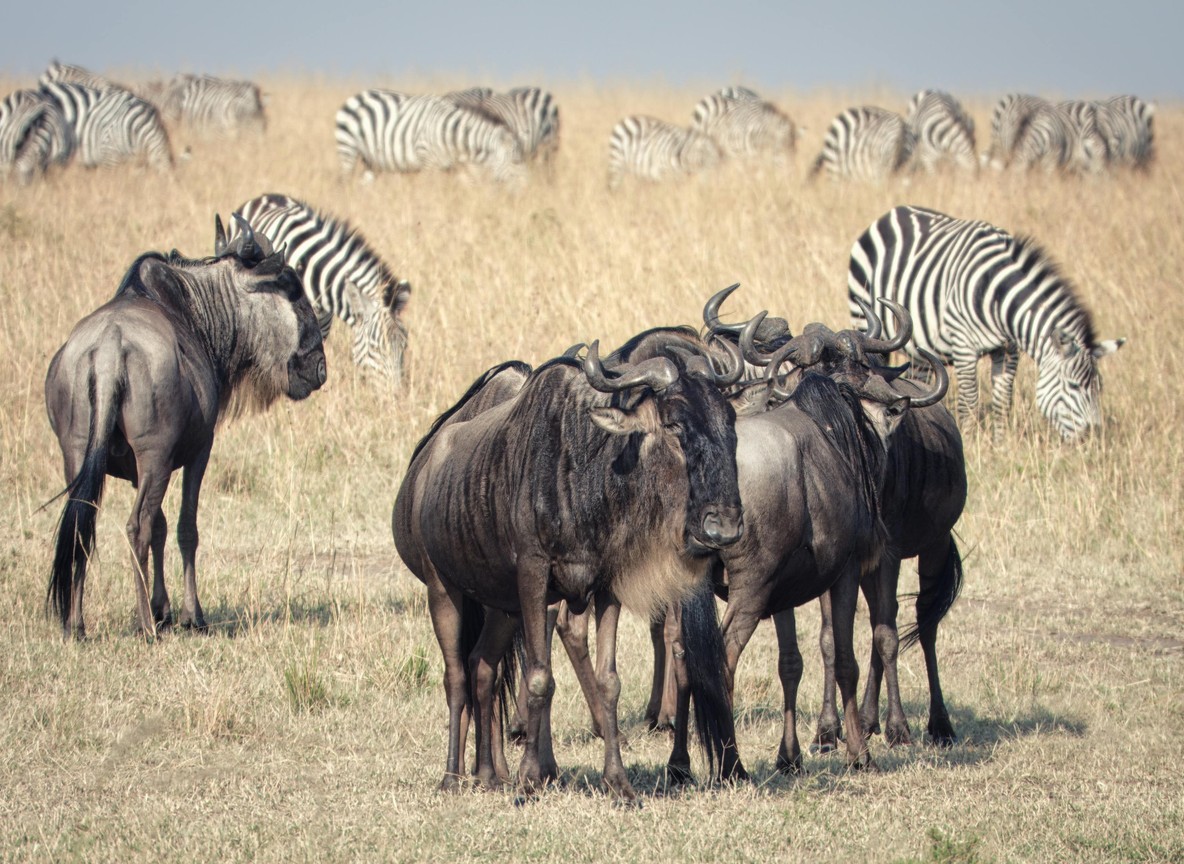
The Great Migration Mara River crossings are at their most frequent and most dramatic in July and August. The wildebeest have committed to the Mara ecosystem, the river is running, and the crossings can happen at any point during the day. Patience is the primary skill required: you park at a crossing point and wait, sometimes for hours, until the lead animals decide to go.
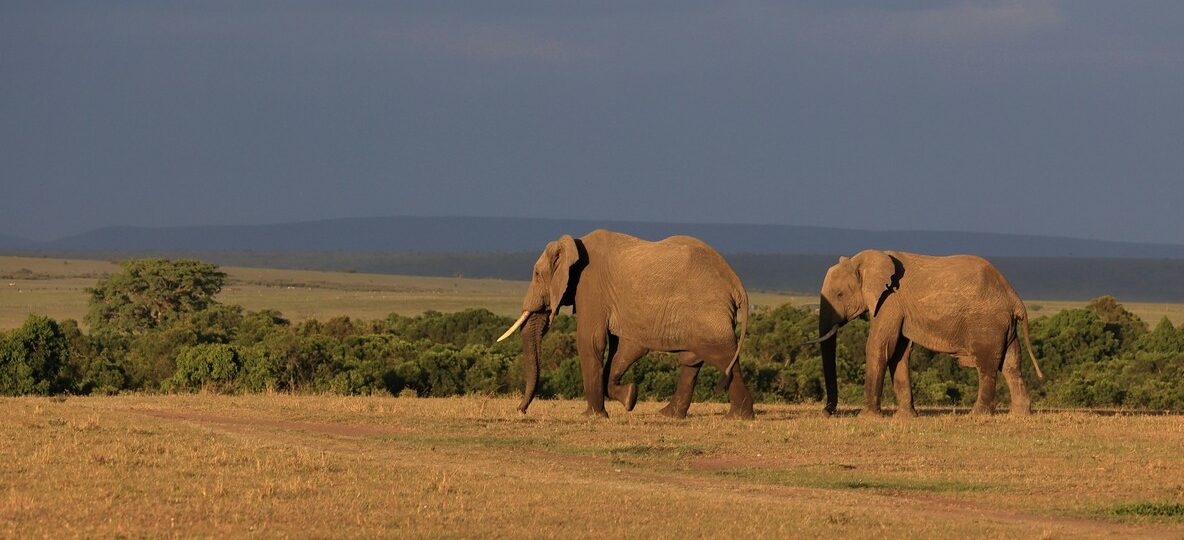
Beyond the migration, the dry conditions concentrate game at the remaining water sources. Every waterhole in the Mara becomes a theatre. Elephant families arrive in the heat of the day. Buffalo herds 500 animals strong drink in the golden hour. The big cat density in July and August is the highest of the year.
The costs are equally high. Peak-season lodge rates can be two to three times the green-season price for the same camp. Vehicle density at popular sightings in August is the highest in Kenya. If you are comfortable with the crowds and can afford the premium, August is the month where you are most likely to witness a river crossing. If you want those experiences with fewer vehicles around, consider early July or late September instead.
September: Migration’s Final Act and the Last of the Dry Season
September is the last reliable month of the Kenya dry season and arguably the best for experienced safari travellers. The wildebeest are still in the Mara but beginning to sense the coming rains in the south. The crossings continue, sometimes even more dramatically than in August because the herds are larger and more restless.
Importantly, visitor numbers start to drop after the European and North American school holidays end in late August. You get migration-quality sightings at the same premium prices, but with noticeably fewer vehicles competing for position.
Laikipia and Samburu are at their driest and most game-dense in September. Samburu’s specialist species, the reticulated giraffe, Grevy’s zebra, Beisa oryx, gerenuk, and Somali ostrich, are easy to find clustered around the Ewaso Nyiro River. This is one of the best months for a combined Samburu-Mara itinerary with Trunktrails Safaris tours and safaris.
October: The Short Rains Arrive
October brings the short rains, which are typically lighter and more intermittent than the long rains of April and May. The wildebeest depart the Mara by mid-October, heading back to their calving grounds in the south.
Game viewing in the Mara shifts from migration spectacle to resident wildlife. The short rains green up the landscape quickly, and the parks take on a beautiful mixed character: partially dry, partially lush. October is the best month for the Kenya coast. Diani Beach, Watamu, and Malindi are warm and beginning to dry out after the rains, with good snorkeling and diving conditions building through the month.
For a combined safari-and-coast itinerary, October offers the most appealing balance. Add three nights in Lamu for a colonial Swahili town experience that most safari travellers miss entirely.
November: Green Season Returns and Birding Peaks
November is the second green season, mirroring April and May in character. The short rains continue through the month, and the Rift Valley lakes swell with water and wildlife. For Kenya birding safari best months, November is a serious contender.
Lake Nakuru, Lake Bogoria, and Lake Elementeita host flamingo populations in the hundreds of thousands when the water levels are right. November’s rains replenish these soda lakes and trigger a flamingo congregation that turns the shoreline pink. Migratory species from the Palearctic are present through November before beginning their return journeys.
The Masai Mara in November is a different kind of beautiful from its July-September peak. The grass is long, game is dispersed, and the light is softer. For photographers willing to work harder to find predators, the dramatic skies and green landscapes offer compositions that peak-season images rarely match.
December: Festive Season and the Return of Dry Conditions
December is a split month. The first two weeks see the tail of the short rains; by mid-December the country is drying out rapidly, and the festive period from December 20 onward is firmly in the high-price, high-demand category.
Christmas week and New Year in the Masai Mara are among the most expensive safari dates of the year. Family groups and honeymooners book the best camps eighteen to twenty-four months in advance for these dates. If you have flexibility, the first two weeks of December offer good game viewing, reasonable weather, and rates closer to mid-season before the Christmas premium kicks in.
Amboseli in December is stunning. The mountain clears of cloud in the morning hours, and elephant family groups against the Kilimanjaro backdrop is the image that ends up on the front cover of safari brochures.
When to Go for Specific Experiences
Beyond the month-by-month breakdown, here is a direct answer to the most common questions we hear at Trunktrails Safaris:
For the Great Migration crossings: Late June through late September. Peak crossings in July-August.
For calving season: Late January through February in the Mara ecosystem.
For maximum predator activity: January-February (calving) and July-August (peak season).
For birding: April-May and October-November for migratory species; year-round for residents.
For value and quiet parks: April-May and November. Green season discounts plus very low vehicle numbers.
For Amboseli and Kilimanjaro views: January-February and July-October (mountain most visible in dry months).
For the Kenyan coast: January-February and October-December (outside the long rains).
For rhino tracking in Laikipia: Year-round; most accessible in dry seasons.
The Trunktrails Advantage
At Trunktrails Safaris, we are a Kenyan-owned company. Our guides grew up in and around these ecosystems. When we tell you the migration crossings usually begin in late June, that is not something we read in a travel magazine; it is what we observe every season.
This local knowledge shapes how we build our itineraries. We do not simply slot you into a camp for the dates you request. We look at rainfall data, park road conditions, current wildlife reports from our network of guides on the ground, and the specific experiences you are prioritizing, then we build around that.
We are, which means you are booking with a company that is accountable to Kenya’s leading tourism regulatory bodies. Our tours and safaris cover the full range of Kenya’s ecosystems: the Mara, Amboseli, Tsavo, Samburu, Laikipia, Meru, Aberdares, the Rift Valley lakes, and the coast.
If you have a target month and a set of experiences you are after, tell us. We will tell you honestly whether that month delivers what you want, or whether shifting by two weeks changes the experience completely. No upsell, no pressure, just the real answer.
Plan Your Kenya Safari Today 🌅
Whether you are planning a once-in-a-lifetime trip for next July’s Great Migration or looking for a quiet, affordable escape in the green season, we build the itinerary around what you actually want to see and do.
Contact Trunktrails Safaris now:
Further reading
More safari planning resources
- Best time to visit Kenya month-by-month map from Valley Safaris
- Best time to visit Kenya on Touring Insights
- Great Migration safari collection on FindMySafari
- Wildebeest migration route map from Valley Safaris
- WhatsApp: +254 113 208888
- Email: info@trunktrailssafaris.com
- Website: https://trunktrailssafaris.com
Tell us your target month and the one experience you cannot miss. We will handle the rest. 📸